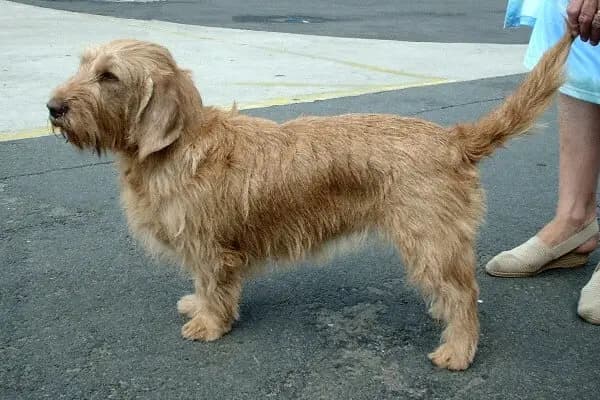
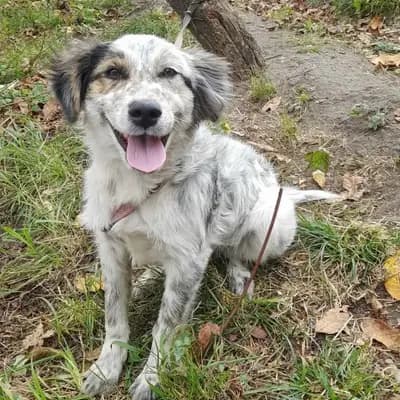
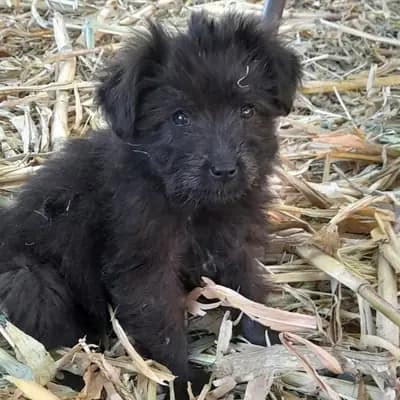
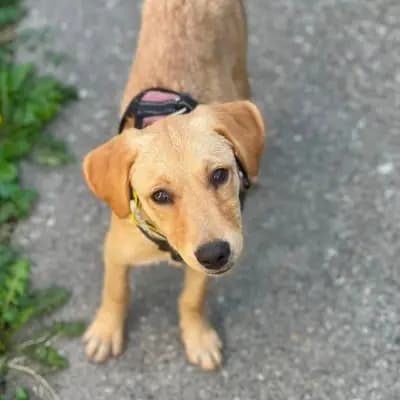
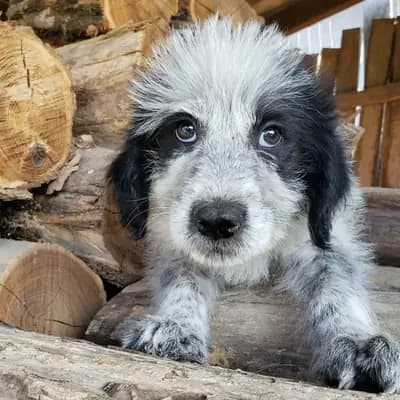
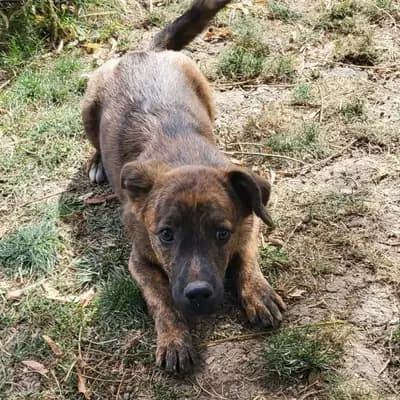
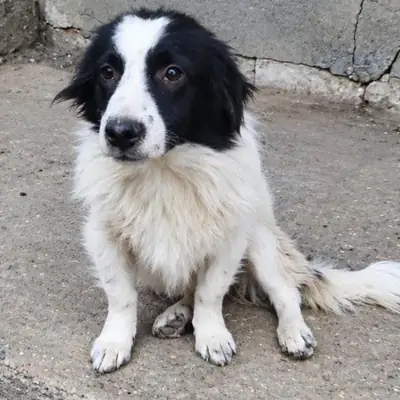
When you take in a Basset Fauve de Bretagne from a shelter, you are welcoming an extremely family-friendly dog who usually gets on wonderfully with children and other dogs. Because this breed forms extremely strong bonds with its people, losing its previous home has often left its mark. Bear in mind that your new companion may feel unsettled at first or want to be close to you more than usual.
Keeping an eye on health issues
With a life expectancy of 10 to 14 years, the Basset Fauve de Bretagne is considered fairly robust, but his particular build brings breed-typical weak spots in the spine, knees and eyes. Known health issues include patellar luxation, hip dysplasia and eye problems such as primary open-angle glaucoma, ectropion and entropion. Congenital blindness or deafness, dental malformations, brachyury (shortened tail) and cryptorchidism in males also occur in the breed.
Health-focused breeders, for example those in the Verein für Französische und Schweizer Laufhunde e.V. (CCFS), pay attention to a well-balanced topline and have the parents' knees, hips and eyes thoroughly checked, both clinically and by X-ray, to reduce the risk of these conditions in their lines. With a rescue dog, you usually don't know the genetic line or the health screening of the parents – especially if he originally came from disreputable breeders who mate dogs without any health tests. In a shelter, vaccinations, microchip and a veterinary check on arrival are usually covered; ask to see the paperwork and check it carefully. For the future, plan to be strict about keeping him at a healthy weight, avoid constant stair climbing to protect his long back, and have his eyes checked regularly by the vet.