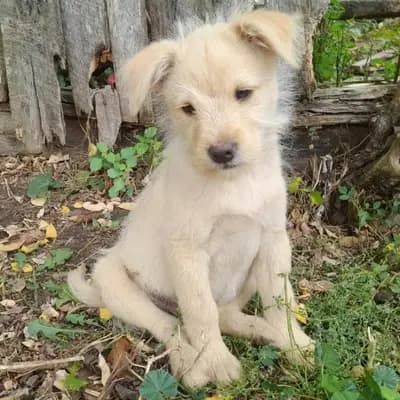
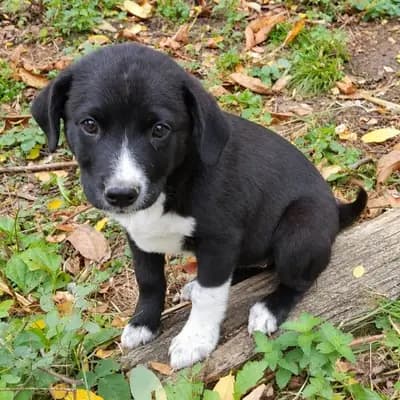
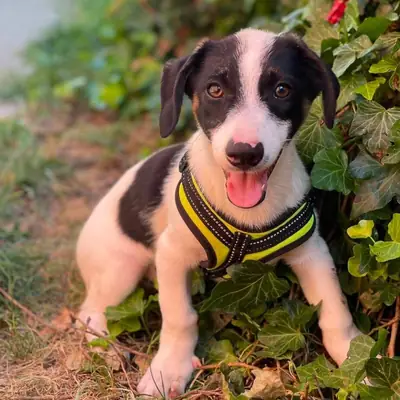
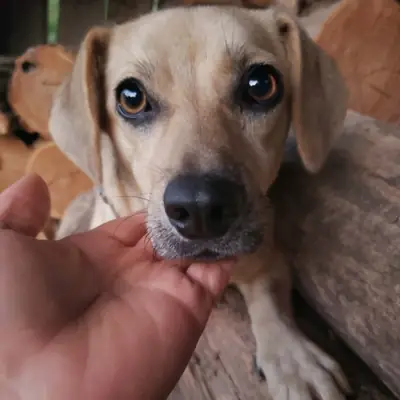
A Bolonka Zwetna from a rescue comes with a history of its own. Many show their typical, loving and curious side after a short time and also get on well with other dogs. Others are unsettled at first by the loss of their person, are very clingy, or still need time to become reliably house-trained and comfortable being left alone.
When it comes to health, the breed is considered comparatively robust, but it has specific weak points in the kneecaps, eyes and teeth. A health-conscious breeder therefore has their breeding dogs examined by a vet for patellar luxation (a displaced kneecap), which significantly reduces the risk for the offspring. Responsible breeders also use a genetic test for progressive retinal atrophy (prcd-PRA): this DNA test shows whether a parent dog is clear, a carrier or affected, so that carriers are mated only with clear partners. Clinical eye examinations to identify risks such as cataracts are also part of the preventive care in careful breeding.
With a shelter dog, you often do not know the ancestry, and you do not know whether it comes from such controlled breeding or from disreputable puppy farmers with no health screening. So in everyday life, make sure you consistently keep your dog at a healthy weight to protect its joints, and plan for regular dental care.
Cost comparison: adopting from a shelter vs. buying from a breeder
Financially, adoption differs considerably from buying a puppy. While a puppy from a breeder costs between 1,000 and 2,500 euros, the adoption fee at a shelter is considerably lower. In most cases, vaccinations, microchip and an initial examination are already covered by it; ask the shelter to show you the paperwork for these. Also budget for good-quality starter equipment (harness, lead, bed, brushes for the long coat), as well as a financial cushion for any dental treatment or vet checks of the kneecaps and eyes.