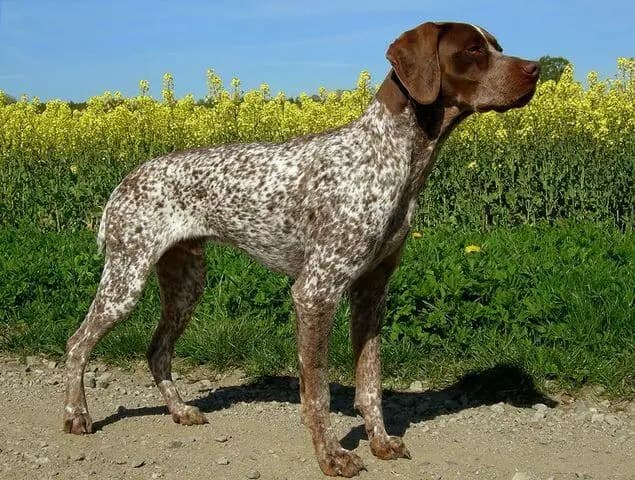
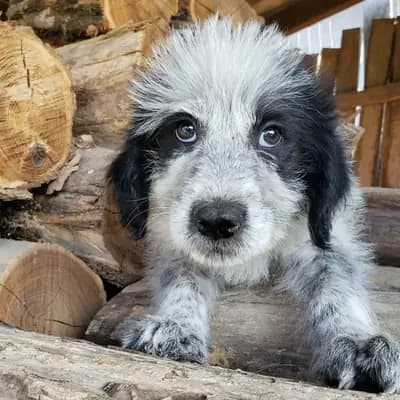
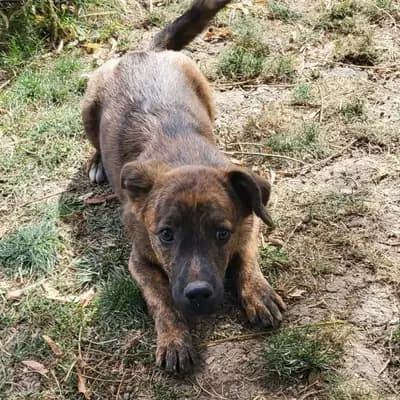
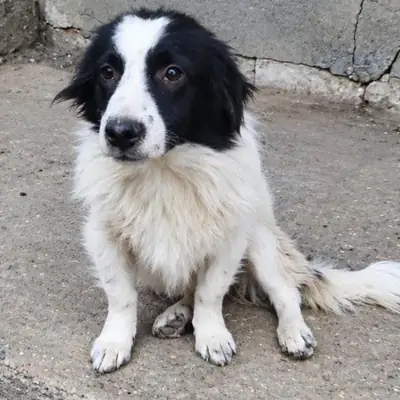
When you get to know a Braque Francais, Type Pyrenees in a shelter, you will meet a sensitive dog who wants to work closely with his people. With his high trainability (4/5) and good compatibility with children and other dogs (4/5 each), he is ideally suited to active families. Bear in mind, though, that shelter dogs have a past: some do not yet know any clear house rules, show signs of separation stress or have been trained incorrectly for hunting.
Health also plays an important role. The Braque Francais, Type Pyrenees is regarded as an unspoilt, robust dog with a life expectancy of 12 to 15 years and low grooming needs for the short, dense coat (2/5). Even so, breed-specific problems with the joints and eyes occasionally occur. These include hip dysplasia (HD), elbow dysplasia (ED) and patellar luxation, as well as eye conditions such as ectropion, entropion, cataracts and progressive retinal atrophy (PRA).
Health-focused breeders in the association for French pointing dogs (VBBFL e.V.) must have their breeding dogs X-rayed for HD and ED, also have the dogs’ eyes and hearts clinically examined, and check for healthy blood clotting, in order to specifically reduce risks within the line. With a dog from a rescue, the background is often unknown. After adoption, therefore, plan for your own orthopaedic checks and regular eye examinations with your vet.