Bichon FriseSame FCI section
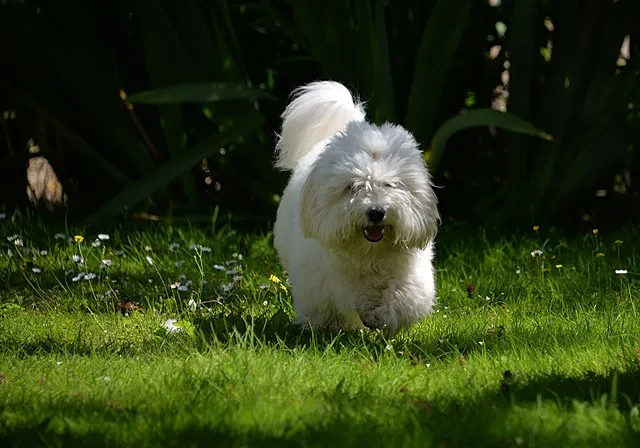
The Coton de Tuléar is a cheerful, extremely people-oriented companion dog—bred purely as a lapdog that follows its human everywhere and needs no job other than being by your side.
How the health grade is calculated
Sources for required breeding screenings. Coton de Tuléar-Verein e.V. (CTV)
Self-check
Answer 6 quick questions about your everyday life and see how well the Coton de Tulear fits you — including an honest cost estimate per month, per year, and across the dog's lifetime.



At a glance
The essentials — key facts, traits, and health priorities — before you dive deeper.
Lifespan
14–16 yrs
Shoulder height
23–28 cm
Weight
4–6 kg
Practical
Temperament
Daily life
What matters most
Especially with a Coton de Tulear, choosing the right breeder is the single most important decision you'll make. Serious breeders consistently test the parents for inherited conditions, prioritize healthy early socialization, and stay accountable long after handover. A cheap puppy without health screening tends to become the most expensive dog later on.
See HonestDog breeder standards →Colors & coat
The coat colors that occur in the Coton de Tulear — including which ones fall outside the breed standard and which carry genetic risk.
Tricolor
Eye colors
 Brown
Coat type
 Long
The real vibes check
A Coton de Tuléar is not a dog that sleeps in its bed while you work in another room—he is a cheerful piece of Velcro on four paws. You are getting a creature that is emotionally entirely dependent on your proximity and will follow you right into the bathroom. If you are looking for exactly this kind of unconditional, constant connection, he is your dream dog; if you want to be left alone sometimes, he will stress you out.
The Coton de Tulear, often known as the Coton, is a small dog known for its striking, soft coat. Its fur is reminiscent of cotton, hence the name 'Coton'. The body is robust and well proportioned, while the head is rounded and the ears are droopy. The eyes are dark and lively, and the expression is often funny and lively. Coton de Tulear belongs to FCI Group 9, companion dogs. The length of the fur can vary, but it is always soft and fluffy, which is why it is often called a "cloud dog." The tail is often curved over the back and covered with long fur. In general, there is no distinction between performance and show lines when it comes to Cotons, as they are bred primarily as companion dogs.
The Coton de Tulear is a small bundle of energy known for its cheerful and lively nature. If you're looking for a dog that will constantly make you laugh, then the Coton could be the one for you. An outstanding feature of the Coton is its affection. These little dogs love being around their humans and enjoy cuddle time as much as play time. Their need for companionship makes them great companion dogs, but it also means that they don't like to be left alone for long periods of time. If you have a busy schedule, it may be smart to find someone to look after your Coton while you are away. Their intelligence and desire to please make Cotons very trainable dogs. They are often easy to train, but they are also known to be a little stubborn at times. But with patience and positive reinforcement they will learn quickly. The Coton de Tulear is often very playful and enjoys various games and activities. Still, its exercise needs are moderate, making it a good choice for people who are not overly active. When it comes to relationships with children, Cotons are often patient and gentle. Their playful nature makes them great playmates for older children. However, it is important to note that Cotons are small and therefore should be supervised around very young children. Although Cotons are friendly and sociable, they can be a little reserved around other dogs at first. However, with proper socialization from an early age, they will often get along well with other dogs. Cotons are often alert and will let you know when someone is at the door, but they are not known as guard dogs. They tend to accept and like people once they get to know them. Hunting or prey-catching behavior is not very pronounced in the Coton de Tulear. They are more interested in companionship and games than in pursuing prey. In summary, the Coton de Tulear is a wonderful companion dog for someone looking for a happy, affectionate and playful friend. With the right care and attention, the Coton will take your heart by storm and become a beloved family member.
| Watchfulness Greets everyone as a friend — no natural guarding instinct. | Very low |
| Openness to Strangers Warms up quickly and is generally welcoming. | Friendly |
| Hunting or Herding Drive Barely any prey drive — small animals trigger nothing. | Very low |
Fun Fact!
The name "Coton de Tulear" was chosen because of the cotton-like coat - 'Coton' is the French word for cotton and 'Tulear' is a city in Madagascar, the breed's country of origin.
The Coton de Tulear is an active and alert dog. With appropriate workload and activity, they can be uncomplicated companions.
The Coton de Tulear is definitely suitable as a city dog. He is small and can thrive in an apartment or house with a small garden. However, he still needs daily walks and mental stimulation. When it comes to children, Cotons are usually very friendly and patient. However, caution is advised with very young children. As for other pets, the Coton de Tulear often gets along well with cats and others dogs, provided he is socialized early.
Lives for its family — the born family companion.
Takes boisterous and affectionate children in its stride.
Actively enjoys the company of other dogs.
Small space, noise, lots of people — no problem at all.
Owning a dog is a privilege, but it's also a real responsibility. Before you bring one into your life, be honest with yourself about the commitment it takes.
Cotons are intelligent and willing to learn dogs. They respond well to positive reinforcement and should begin training as puppies. It is important to show consistency and patience. The breed requires mental stimulation and moderate exercise, but you shouldn't overdo it. Cotons aren't ball junkies, but they do enjoy playing games and learning little tricks. One of the most important aspects of training for the Coton de Tulear is socialization. This should start early so that he learns to get along well with people and other animals. Cotons don't have the disposition of a working dog, but they love to be busy and learn new things. Activities such as trick training or agility to a moderate extent are conceivable.
In terms of nutrition, the Coton de Tulear should be fed a balanced diet. High quality dry or wet food that is high in protein and low in fillers works well. In addition, you can offer fresh fruit and vegetables in moderate quantities. Grooming is an important aspect of a Coton de Tulear's life. The long, cotton-like fur tends to mat and needs to be brushed regularly. The coat has no undercoat, making the Coton de Tulear a good choice for allergy sufferers. It sheds little, but regular grooming is essential. In Germany, the Coton de Tulear copes well with the climate, but in winter you should make sure that it doesn't get too cold.
| Care Level Needs regular professional grooming — time-consuming and costly. | High-maintenance |
| Exercise Needs Needs 1–2 hours of real exercise daily. | Active |
| Shedding No or minimal hair loss — suitable for allergy sufferers. | No shedding |
| Trainability Bred to work closely alongside humans. | Highly trainable |
Our experts are still reviewing this information. Spotted something wrong? Email us at info@honestdog.de.
Robust
Health grade
The Coton de Tulear is considered a very healthy breed, yet breed-typical problems such as eye issues, patellar luxation (PL), and hereditary diseases like cerebellar abiotrophy or primary hyperoxaluria type I (oxalosis I) can occur. The Coton de Tuléar-Verein e.V. (CTV) therefore requires an examination for patellar luxation (PL) and a specialist veterinary eye examination for hereditary eye diseases prior to breeding approval. A health-oriented breeder additionally has the parent animals tested for hip dysplasia (HD) as well as genetically tested for cerebellar abiotrophy, primary hyperoxaluria type I (oxalosis I), and multifocal retinopathy 2. Before buying, insist on seeing the breeding approval and all test results without gaps; in genetic tests, carriers may only be mated with a clear partner.
Grade is relative to other breeds — AI-assisted and editorially reviewed.
Methodology and data: HonestDog Dog Breed Health Report 2026
What matters most for this breed
Tap any item to see details.
You should pay attention to a healthy weight and joint-friendly exercise to take the strain off his knees, as well as scheduling regular eye check-ups with the vet.
Responsible breeders test for eye problems and patellar luxation (PL) and additionally obtain findings for hip dysplasia (HD) as well as genetic tests for cerebellar abiotrophy and other hereditary diseases.
Note: This health overview is AI-assisted and editorially reviewed. It is for orientation only and does not replace veterinary advice.
What matters most for this breed — what's common, how much it affects the dog's life, and how to protect yourself as a buyer.
Tap a body region to see the inherited conditions linked to it.
The three most important risks
Pick a region on the map to explore other areas.
Tier 1 reflects the tests Coton de Tuléar-Verein e.V. (CTV) actually mandates. Tiers 2 and 3 show how responsible breeders go beyond.
Club standard. Coton de Tuléar-Verein e.V. (CTV) requires these tests for breeding approval. Ask any reputable breeder for the results.
No entries in this tier.
Note: This health overview is AI-assisted and editorially reviewed. It is for orientation only and does not replace veterinary advice.
A Coton de Tulear costs around ~€180 per month (€100 – €330, depending on your setup). The first year adds up to roughly ~€5,500 including purchase, equipment and puppy school; across the dog's life (15 years) it comes to about ~€35,920.
With surgery cover, running costs come to about ~€170 per month — in return, your share of a major operation drops from several thousand euros to around 20 percent.
Per month
~€180
In the first year
~€5,500
Across the dog's life
~€35,920
Estimated purchase price from a breeder: €2,000 – €3,000
Estimate at a mid-range setup (suburban, dry food, 1–2 hours of daily exercise), average German prices, as of July 2026.

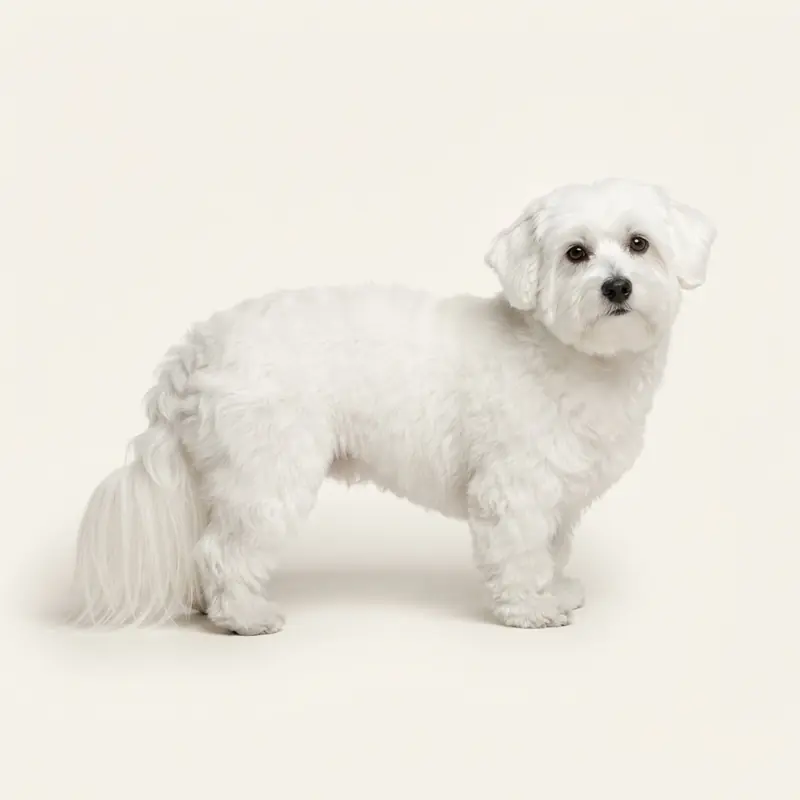 Illustrative image
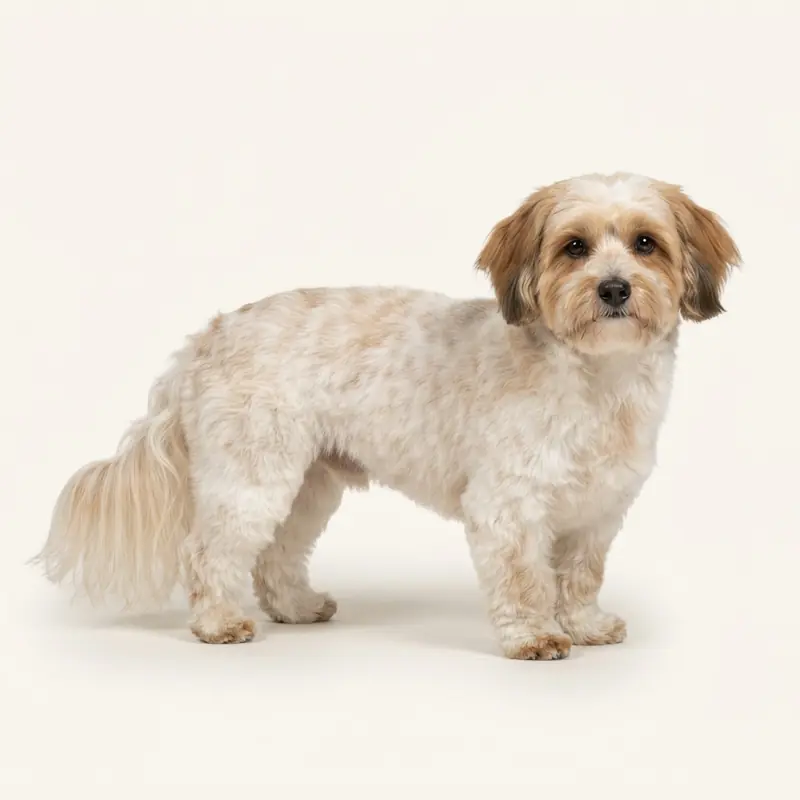 Illustrative image
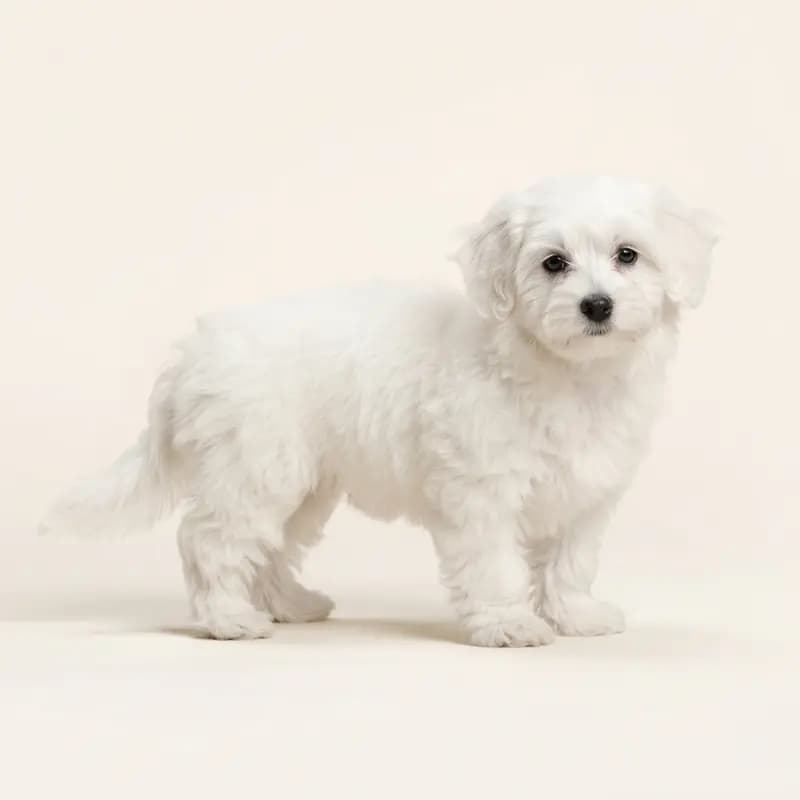 Illustrative image
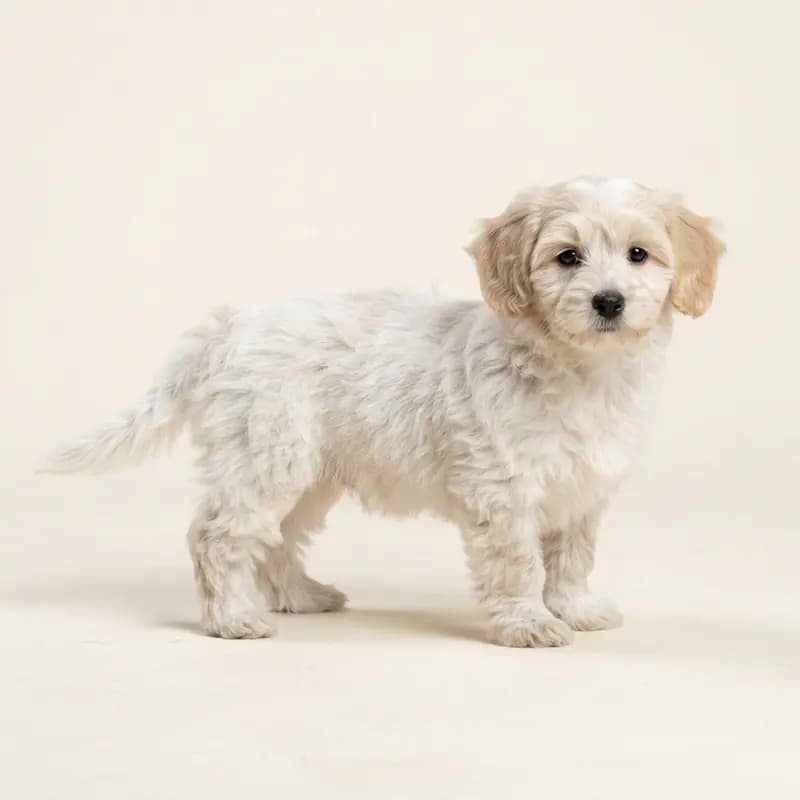 Illustrative image
The Coton de Tulear originally comes from Madagascar and is named after the port city of Tulear. The breed is believed to have originated in the 16th or 17th century when dogs traveling with sailors and pirates mixed with the native dogs of Madagascar. Over time, the Coton de Tulear became a favorite among the noble and wealthy families of Madagascar. The breed remained relatively isolated in Madagascar until it was introduced to Europe and North America in the 1970s. The Coton de Tulear was recognized as a breed by the French Kennel Club in 1970 and by the Fédération Cynologique Internationale (FCI) in 1996.
Bred as a companion dog for Madagascar's upper class, the Coton de Tuléar is known for its soft, cotton-like coat.
Madagascar
1600
Owners consistently describe the Coton de Tuléar at home and in family life as a very cuddly, cheerful and devoted companion. Many affectionately call their dog a walking shadow that wants to be part of everything and forms a very close bond with its people. With children and other pets, the breed is usually gentle, patient and easygoing.
According to owners across the board, the flip side of this close bond is being left alone. Many stress that the breed copes poorly with longer separations and needs real training so it doesn't slip into separation anxiety or persistent whining. The little dog also surprises many people with its vitality: it is not just a lapdog but an active dog that loves long walks, enjoys romping outdoors and often turns out to be surprisingly sturdy.
The breed's distinctive white, cotton-like coat is one of the most discussed topics among owners. On the plus side, owners often point out that these dogs have no undercoat, leave hardly any hair around the house and are often well tolerated by more sensitive people.
Newcomers, however, regularly underestimate how much grooming it really takes. Owners report that the coat attracts burrs, dirt and small twigs like a magnet and, without thorough brushing several times a week, mats down to the skin in no time, especially in friction spots such as behind the ears or under the armpits. While show standards call for long hair, many family owners opt for a moderate trim in practice to keep the daily upkeep after walks in cold, wet weather manageable.
Sources:allekleinehunderassen.dereddit.comzooplus.devivaessencepet.com
In training, many owners appreciate the Coton's intelligence and how much it enjoys working with its people. It often picks up tricks and basic commands very quickly and responds very well to positive reinforcement. Most have little or no real hunting drive, so many owners report relaxed off-leash walks, although some dogs do take an interest in mouse holes.
The challenge that comes up again and again in forums is alertness and a tendency to bark. Cotons reliably announce suspicious noises in the stairwell or at the garden gate and often get very excited and bark happily when visitors arrive. Owners therefore agree that you should set up clear quiet zones from puppyhood and put early limits on the urge to sound off, so the dogs don't work themselves up into nonstop barking.
Paraphrased from real owner reports · translated from German
The Coton de Tulear is an adaptable dog that adjusts well to various lifestyles. Research the temperament, grooming needs, and space requirements before deciding.
The average life expectancy of a Coton de Tulear is 14-16 years. With proper care and regular vet visits, your dog can live a long, healthy life.
Coton de Tulear grooming requirements include regular brushing, nail trimming, and dental care. HonestDog provides detailed grooming tips for every breed.
The Coton de Tulear can be a great family dog. Proper training and socialization are key. HonestDog provides family suitability information for every breed.
The Coton de Tulear comes in these colors: White, Roan, Tricolor, Black and white. Colors that fall outside the breed standard are marked as such on the breed page.
Showcase your kennel on HonestDog and reach families searching for a responsibly bred Coton de Tulear.