
Bichon FriseSame FCI section
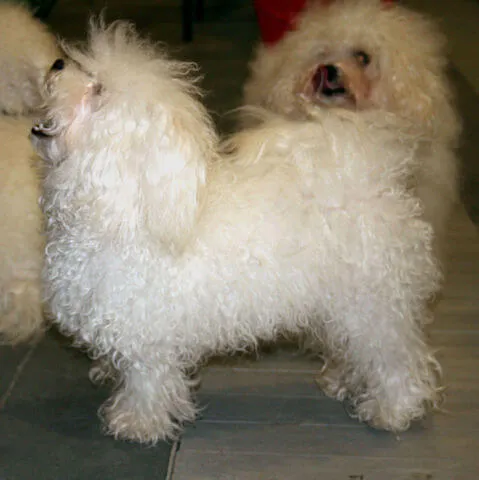
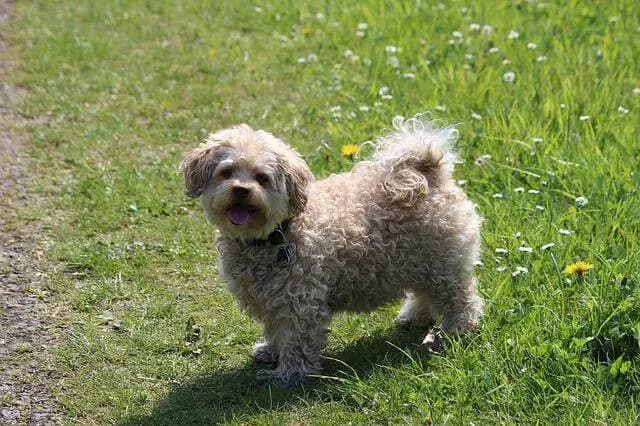
The Bolognese is a calm, extremely affectionate companion dog—bred to serve as a loyal shadow to the Italian nobility, with zero hunting instinct and a deeply rooted need to be wherever you are.
How the health grade is calculated
Sources for required breeding screenings. Verband Deutscher Kleinhundezüchter e.V.
Self-check
Answer 6 quick questions about your everyday life and see how well the Bolognese fits you — including an honest cost estimate per month, per year, and across the dog's lifetime.

At a glance
The essentials — key facts, traits, and health priorities — before you dive deeper.
Lifespan
12–14 yrs
Shoulder height
25–30 cm
Weight
3–4 kg
Practical
Temperament
Daily life
What matters most
Especially with a Bolognese, choosing the right breeder is the single most important decision you'll make. Serious breeders consistently test the parents for inherited conditions, prioritize healthy early socialization, and stay accountable long after handover. A cheap puppy without health screening tends to become the most expensive dog later on.
See HonestDog breeder standards →Colors & coat
The coat colors that occur in the Bolognese — including which ones fall outside the breed standard and which carry genetic risk.
Eye colors
 Brown
Coat type
 Long
The real vibes check
A Bolognese is like a fluffy, white shadow that reads your mood and silently lies down next to you. He doesn't demand peak athletic performance or complex tasks, just the absolute privilege of being the center of your world. If you love this constant closeness, you will have the most loyal friend in the world—if you need a lot of distance in your daily life, he will quietly wither away.
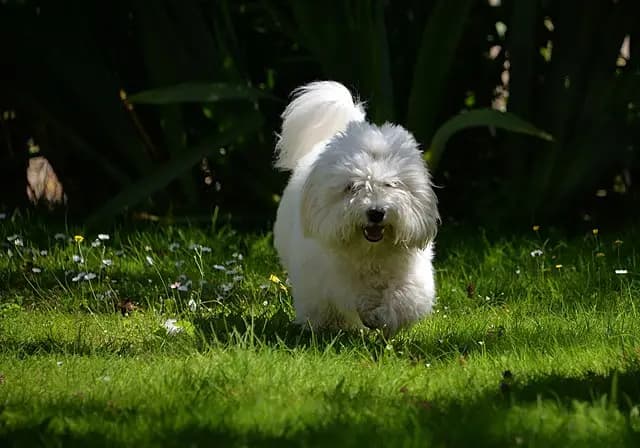
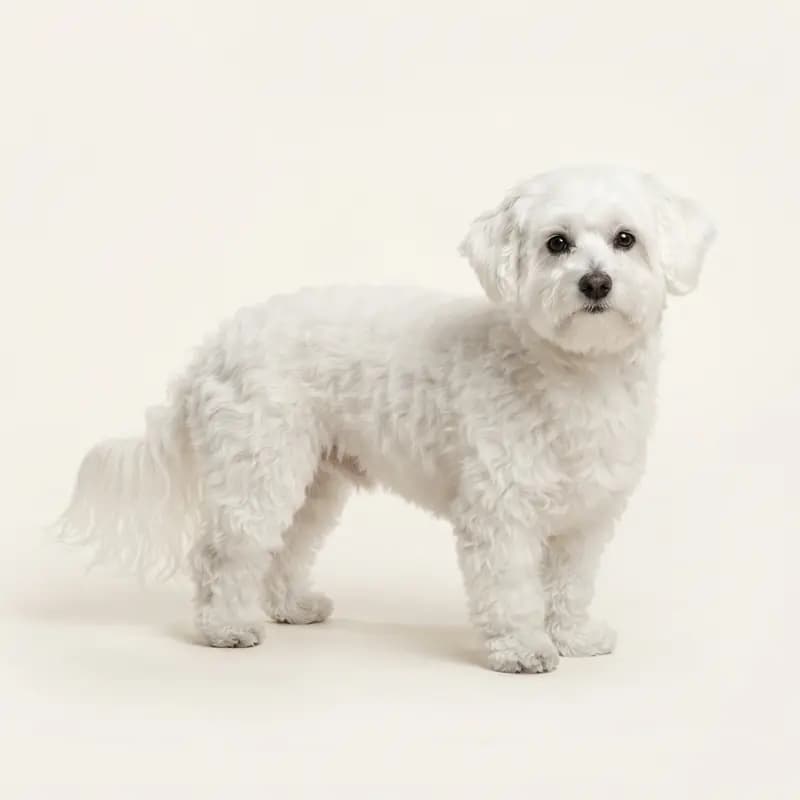
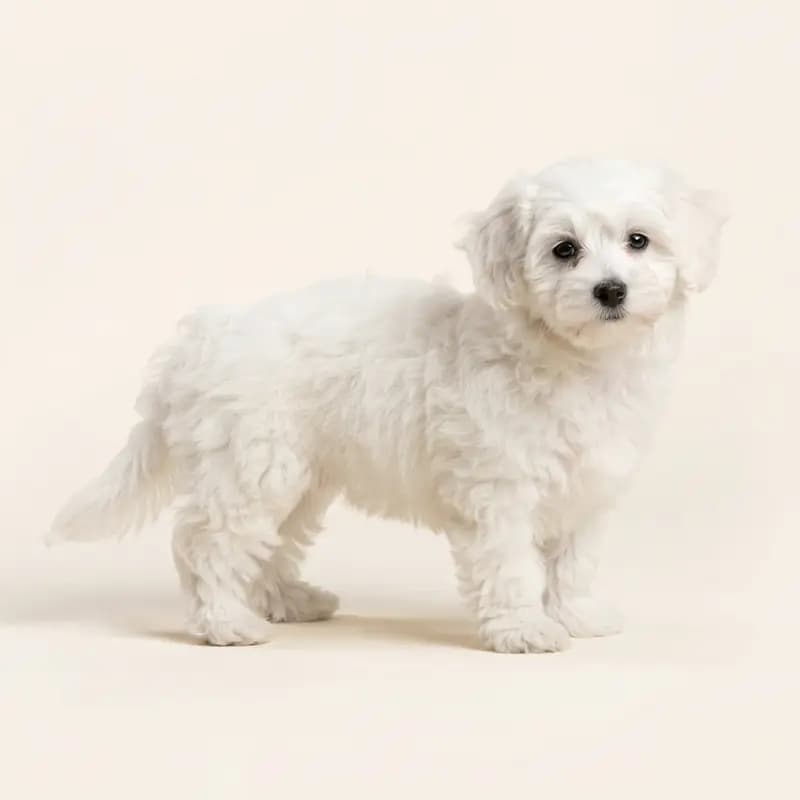
The Bolognese, also known as the Bichon Bolognese, is a small dog with a distinctive, fluffy, long and pure white coat. His plush appearance and sweet, friendly facial expression give him an irresistible look that will melt any dog lover. This dog is a member of FCI Group 9, Section 1: Bichons and Related Breeds. The Bolognese is one of the oldest European dog breeds, but has no distinct lines between show and working lines.
The Bolognese is a lively and intelligent dog with a particularly affectionate and loving character. His personality makes him an excellent companion dog and a great family member. His need for human companionship and affection are so strong that he often follows his owner from room to room in order to always be close to him. Despite its small size, the Bolognese is alert and can be a good watchdog, warning its owner about strangers. He has a gentle temperament and generally gets along well with children and other pets. His active and playful nature means he needs enough exercise to stay happy and healthy. Despite his need for activity, he can also enjoy quiet moments and is quite willing to sit on your lap for a cuddle. The Bolognese does not have a strong hunting instinct, but often shows a certain interest in moving objects, which is a sign could indicate easy prey catching behavior. He is capable of staying alone but should not be isolated for long periods as he is very people-oriented and highly values his owner's company. Training this dog is relatively easy as it is very trainable and willing to please its owner. However, it's important that you be consistent, patient, and use positive reinforcement methods to get the most out of his training.
| Watchfulness Occasionally alerts but is fundamentally open. | Low |
| Openness to Strangers Warms up quickly and is generally welcoming. | Friendly |
| Hunting or Herding Drive Barely any prey drive — small animals trigger nothing. | Very low |
Fun Fact!
Did you know that the Bolognese was very popular with the European aristocracy during the Renaissance and is often depicted in paintings of that time?
The Bolognese is a small companion dog breed that comes from Italy. He is a calm, loyal dog with long, fluffy, pure white fur. They are very playful, sociable and love people.
Bologneses make excellent city dogs. They are small, quiet and adapt well to apartment life. They get along well with children and other pets as long as they treat them respectfully and gently. Bolognese are known for their sociability and affection, they love being part of the family and enjoy the company of people and other animals.
Lives for its family — the born family companion.
Takes boisterous and affectionate children in its stride.
Usually gets on fine with other dogs.
Small space, noise, lots of people — no problem at all.
Owning a dog is a privilege, but it's also a real responsibility. Before you bring one into your life, be honest with yourself about the commitment it takes.
Bolognese are intelligent dogs that are relatively easy to train. They are eager to please and respond well to positive reinforcement and reward-based training. They are ideal for dog sports such as agility and obedience. It is important to provide them with mental stimulation and activity to prevent boredom and problem behavior. There is a risk that they will become “ball junkies” if they spend too much time playing ball, so it's important to offer them a variety of activities and games. Because of their strong bond with their people, Bolognese dogs can sometimes develop separation anxiety. It is therefore important to teach them to be alone and learn frustration tolerance and impulse control.
Bolognese require a balanced diet that contains high-quality protein, fat and complex carbohydrates. You benefit from smaller, regular meals to maintain a healthy weight. Some Bolognese are prone to obesity, so it is important to monitor their weight and food intake. Grooming a Bolognese is a little more labor-intensive than other breeds due to their long, fluffy coat. They have no undercoat, which means they don't shed as much as other breeds. Their fur needs to be brushed regularly to prevent matting. They cope well with the climate in Germany, but can benefit from a coat in the cold winter months.
| Care Level Regular brushing and occasional professional grooming. | Moderate |
| Exercise Needs Enjoys daily movement but isn't a sports dog. | Moderate |
| Shedding No or minimal hair loss — suitable for allergy sufferers. | No shedding |
| Trainability Willing to learn with clear rules and regular training. | Balanced |
Our experts are still reviewing this information. Spotted something wrong? Email us at info@honestdog.de.
Solid
Health grade
The Bolognese is healthy with an average genetic load: British data show a high median life expectancy of 14.9 years (McMillan et al. 2024), and only two inherited risks are documented: patellar luxation (PL) and progressive rod-cone degeneration (PRCD). Both can be detected via examination or DNA test, respectively. The Verband Deutscher Kleinhundezüchter e.V. prescribes an examination for patellar luxation for breeding approval; only a PL 0 finding is permitted. A responsible breeder additionally has a DNA test performed for PRCD. Ask to see the PL 0 result for both parents and ensure that a PRCD carrier was only mated with a clear partner.
Grade is relative to other breeds — AI-assisted and editorially reviewed.
Methodology and data: HonestDog Dog Breed Health Report 2026
What matters most for this breed
Tap any item to see details.
You should ensure joint-friendly exercise, maintain his teeth regularly, and be responsive to potential food sensitivities to minimize vet visits.
Responsible breeders use only parent animals with a PL 0 finding, as prescribed by the breed club, and additionally test for progressive rod-cone degeneration (PRCD) via DNA test.
Note: This health overview is AI-assisted and editorially reviewed. It is for orientation only and does not replace veterinary advice.
What matters most for this breed — what's common, how much it affects the dog's life, and how to protect yourself as a buyer.
Tap a body region to see the inherited conditions linked to it.
The three most important risks
Pick a region on the map to explore other areas.
Tier 1 reflects the tests Verband Deutscher Kleinhundezüchter e.V. actually mandates. Tiers 2 and 3 show how responsible breeders go beyond.
Club standard. Verband Deutscher Kleinhundezüchter e.V. requires these tests for breeding approval. Ask any reputable breeder for the results.
No entries in this tier.
Note: This health overview is AI-assisted and editorially reviewed. It is for orientation only and does not replace veterinary advice.
A Bolognese costs around ~€160 per month (€90 – €300, depending on your setup). The first year adds up to roughly ~€4,650 including purchase, equipment and puppy school; across the dog's life (13 years) it comes to about ~€28,260.
With surgery cover, running costs come to about ~€150 per month — in return, your share of a major operation drops from several thousand euros to around 20 percent.
Per month
~€160
In the first year
~€4,650
Across the dog's life
~€28,260
Estimated purchase price from a breeder: €1,200 – €2,500
Estimate at a mid-range setup (suburban, dry food, 1–2 hours of daily exercise), average German prices, as of July 2026.
HonestDog Concierge
We currently have no breeders for this breed who have passed our verification. Create your short buyer profile: we'll set up your search alert, review a possible source and email you within 28 days.

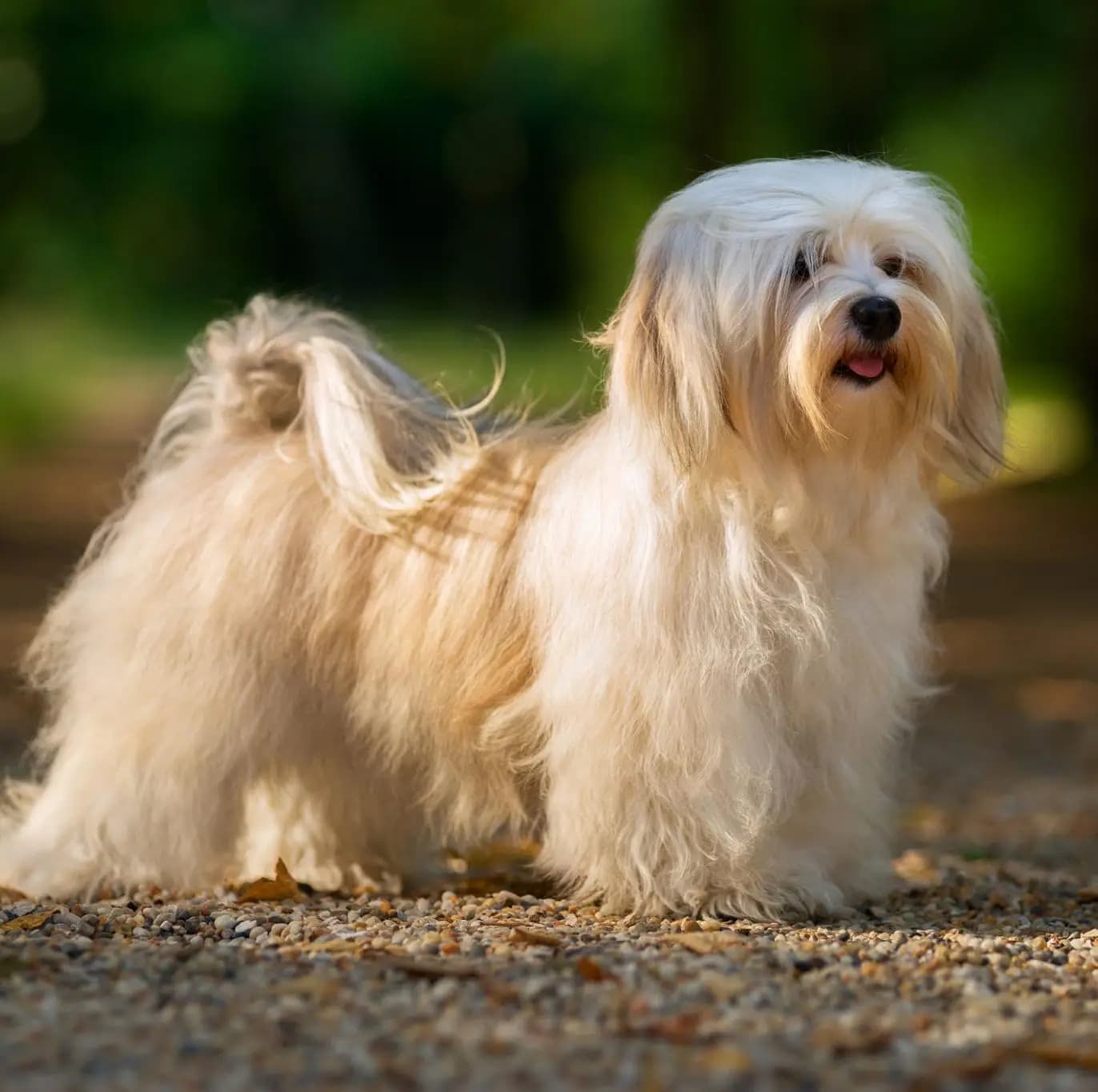
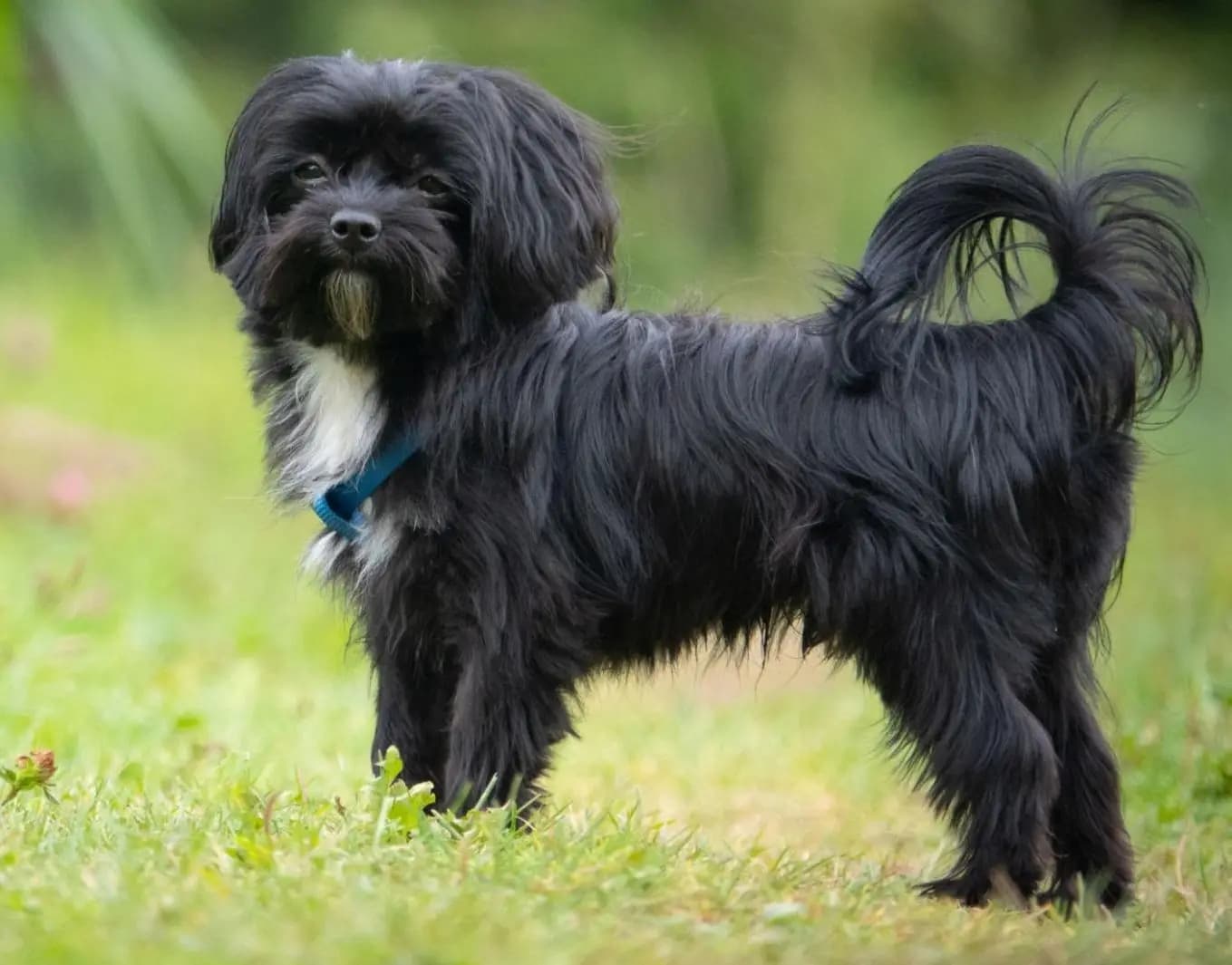
 Illustrative image
 Illustrative image
The Bolognese breed has a long and impressive history, dating back to the Roman Empire. The Bolognese originally comes from the Italian city of Bologna, after which it was named. These dogs were already very popular with the Italian aristocracy in the Middle Ages and were often exchanged as luxurious gifts among the nobles. This breed is said to have captured the hearts of many historical figures, including Catherine the Great of Russia, Madame de Pompadour and even the philosopher Plato. The Bolognese was officially recognized as a breed in 1989.
The Bolognese was bred as a companion dog for the Italian upper class and is known for its white, fuzzy coat.
Italy
1200
In everyday life, owners mostly describe the Bolognese as a very gentle, affectionate shadow that would happily follow its people everywhere. In apartments and quieter households it is considered an easy roommate: it brings little commotion indoors, isn't prone to yapping for no reason and picks up sensitively on its family's moods. Despite its compact size, owners don't experience it as a mere lapdog. On walks it is active, playful and surprisingly hardy.
The biggest everyday hurdle owners mention is being left alone. Because it is so strongly focused on its people, the Bolognese quickly develops separation stress if being alone isn't practiced in tiny steps from puppyhood. Several owners stress that the breed is unsuitable for people working full-time who can't take the dog along, since long stretches of isolation can lead to frustration and persistent whining.
Sources:reddit.comamba-versicherungen.dezooplus.detackenberg.demit-tier.de
In training, the Bolognese is usually described as quick to learn and cooperative, since it wants to please and picks up cues fast. At the same time, owners stress that these dogs have a sensitive soul and react to harsh words or pressure by withdrawing and losing confidence. A friendly, reward-based approach gets results fastest.
Now and then, though, owners also report a certain stubborn streak and a big appetite that need consistent management. With its cute looks, a Bolognese easily wraps its people around its little finger, so a lack of boundaries quickly leads to rules being questioned. Owners also note that it can be a bit reserved or watchful with strangers at first and announces new visitors with a short bark, which is why early, careful socialization matters.
A constant topic among owners is the considerable grooming the pure-white, curly coat requires. Because the hair doesn't shed, it mats very quickly, so regular brushing and combing, often daily, is a must. Owners report that many dogs only learn to tolerate this with patience and treats. They also warn against shaving the coat too short, since it grows back slowly and, without its protective coat, the dog quickly gets cold in wet or windy weather.
Health-wise, the breed is generally considered long-lived and robust, but owners and breed experts point to the typical weak spots of small dogs. Luxating patella (kneecap problems), tear staining around the eyes and a tendency toward tartar and gum inflammation in particular call for regular checkups, early dental care and a close eye on body weight.
Sources:amba-versicherungen.dedogorama.appheyholy.comforum.hundund.depeqaboo.com
Paraphrased from real owner reports · translated from German
The Bolognese is an adaptable dog that adjusts well to various lifestyles. Research the temperament, grooming needs, and space requirements before deciding.
The average life expectancy of a Bolognese is 12-14 years. With proper care and regular vet visits, your dog can live a long, healthy life.
Bolognese grooming requirements include regular brushing, nail trimming, and dental care. HonestDog provides detailed grooming tips for every breed.
The Bolognese can be a great family dog. Proper training and socialization are key. HonestDog provides family suitability information for every breed.
The Bolognese comes in these colors: White.
Showcase your kennel on HonestDog and reach families searching for a responsibly bred Bolognese.