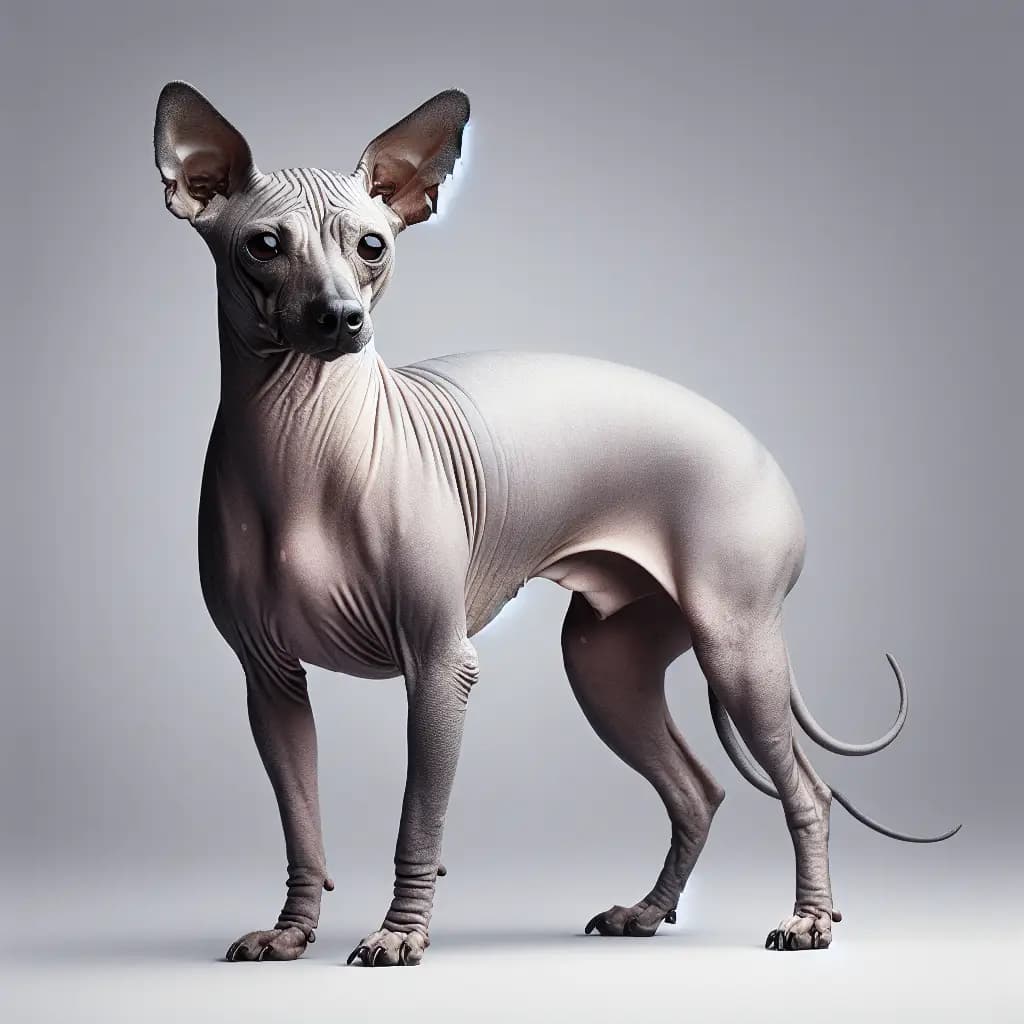
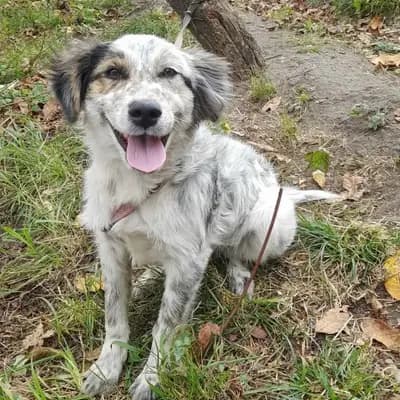
In terms of character, you can expect a charming, people-oriented dog who is by no means shy and meets strangers openly and in a friendly way. Having lost the people he was attached to, an Ecuadorian Hairless Dog in a rescue centre often seems unsettled at first and, once he has moved in, will intensely seek out physical closeness with you.
In terms of health, the breed is regarded as primitive and robust, with a life expectancy of 12 to 15 years. Nevertheless, genetic hairlessness brings breed-specific peculiarities of the skin and teeth – missing teeth are common in hairless dogs. There are also breed-specific risks of joint and eye problems such as patellar luxation, hip dysplasia, lens luxation and progressive retinal atrophy (PRA). A health-focused breeder deliberately mates hairless dogs with coated ones to manage the risks associated with the hairless factor, and has the parent animals’ knees, hips, eyes and dental status examined clinically and by X-ray to reduce the risk for the offspring. With a rescue dog or an animal from irresponsible backyard breeders, this documented preventive care is often missing. So pay particular attention to the gait, the condition of the teeth and the eyesight.