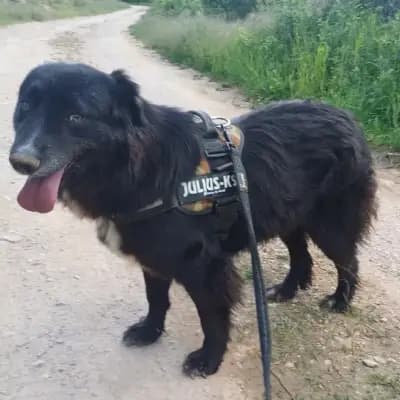
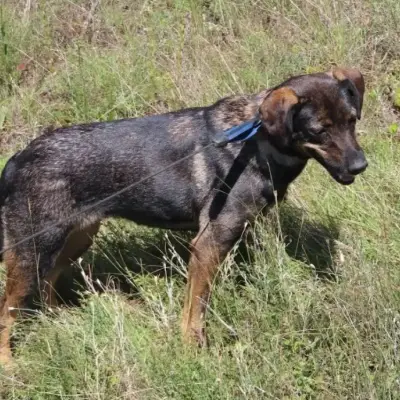
When you adopt, you can expect a loyal, often very gentle dog that forms a close bond within the family. Because it was bred for life in a pack, it gets on outstandingly well with other dogs – a dog already living in the new home is usually a huge plus for it. Outdoors, however, its strong prey drive shows: as soon as it picks up a scent, it often blocks out everything around it. Because it was selected for independence, training takes a great deal of patience, humour and a reliable recall on a long line.
Keeping an eye on health issues
As a large scent hound, the French White and Black Hound comes with breed-typical health issues affecting the joints, eyes, ears and digestive tract. Known risks include hip dysplasia (HD) – screening for which is part of the recommended health standard for the breed – elbow dysplasia (ED) and eyelid conformation problems such as ectropion and entropion. The deep chest also brings an increased risk of life-threatening gastric torsion. Reputable breeders have the parents' hips, elbows, eyes and hearts examined clinically and by X-ray, and pay attention to healthy chest anatomy, in order to reduce these risks in their lines.
With a rescue dog, you usually won't know the parents' results. So in everyday life, make sure exercise is gentle on the joints, clean the long, drooping ears regularly to help prevent infections, and keep strictly to rest periods after every meal to minimise the risk of gastric torsion.