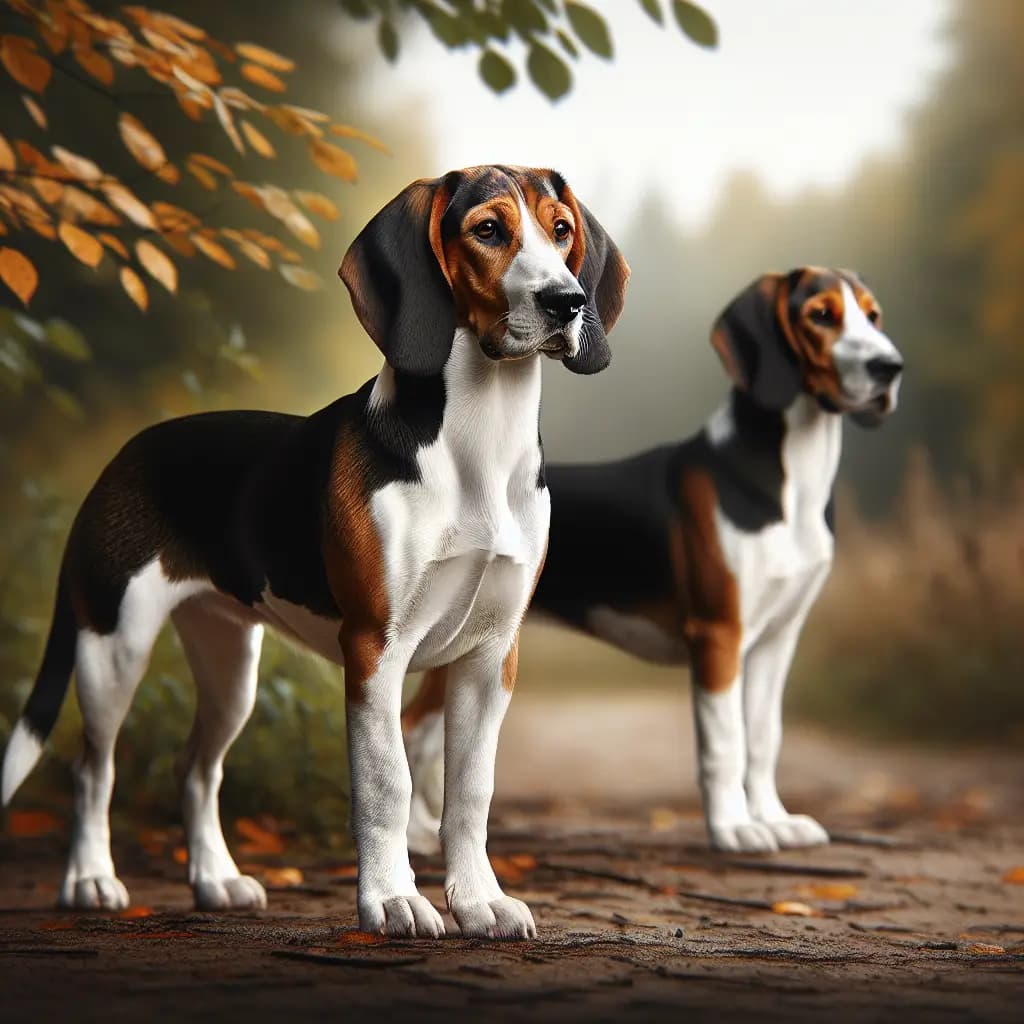
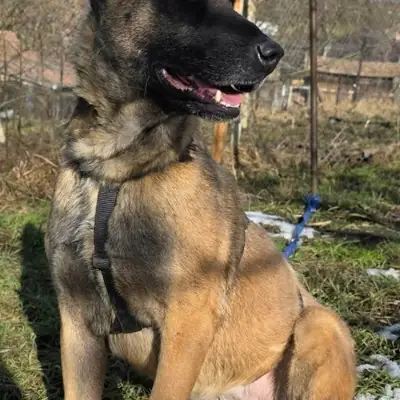
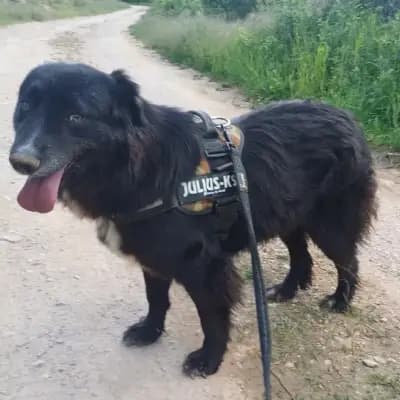
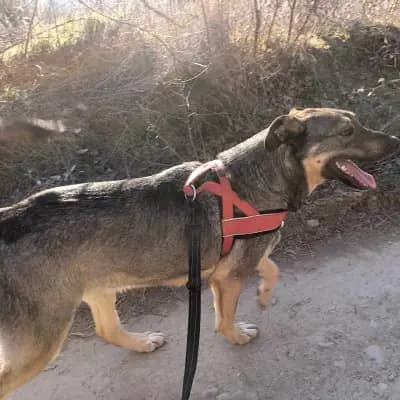
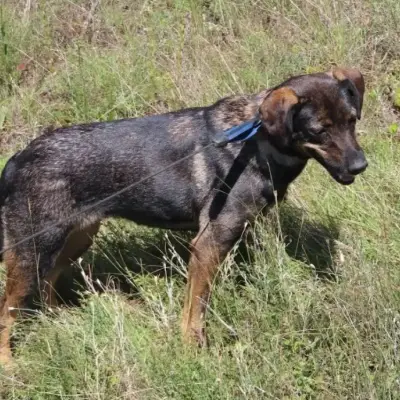
If you want to adopt a French Tricolour Hound, you will usually meet a dog who longs for social contact. Thanks to his heritage as a pack hound, he is generally extremely sociable with other dogs and positively blossoms as a second dog. Some rescue dogs were previously kept for hunting and are not yet used to living in a house. Allow time for house training and for getting used to everyday noises.
In terms of health, the French Tricolour Hound is considered a robust working dog, but its anatomy and size bring typical problem areas affecting the ears, joints and heart. Breed-typical risks include hip dysplasia (HD), elbow dysplasia (ED) and eyelid abnormalities such as ectropion and entropion. A health-focused breeder has the parents’ hips, elbows, eyes and heart checked clinically and by X-ray, and also selects for ears that are not prone to problems, in order to reduce these risks in the line; in a shelter, however, the genetic background is often unknown. So check and clean the long, drooping ears regularly to prevent inflammation, and make sure the exercise is gentle on the joints.