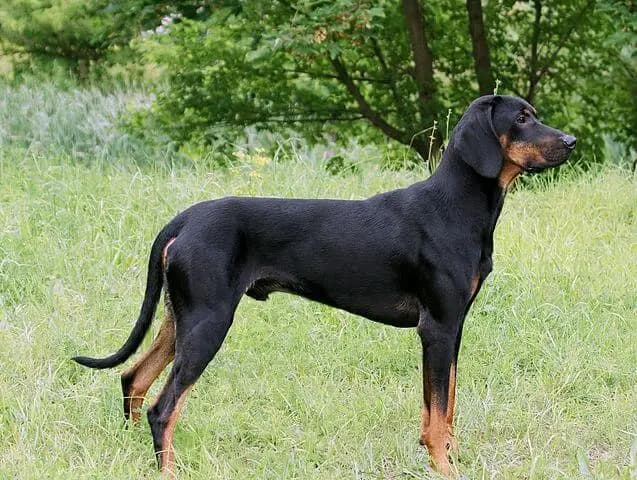
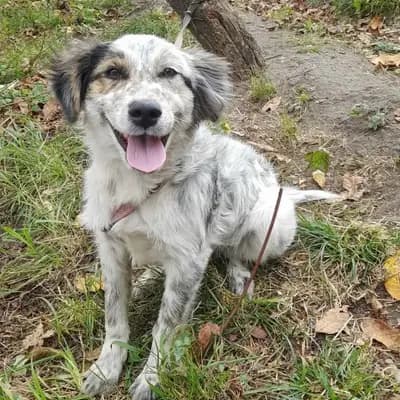
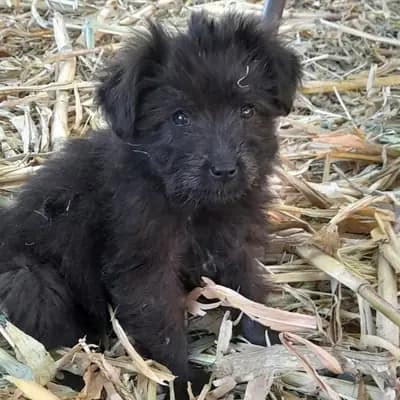
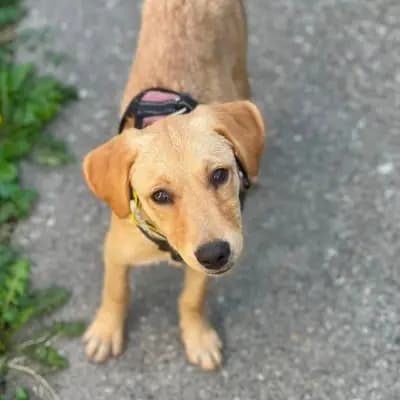
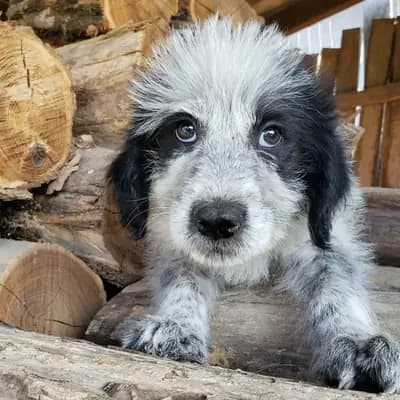
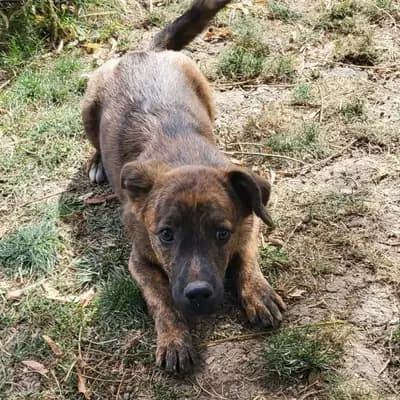
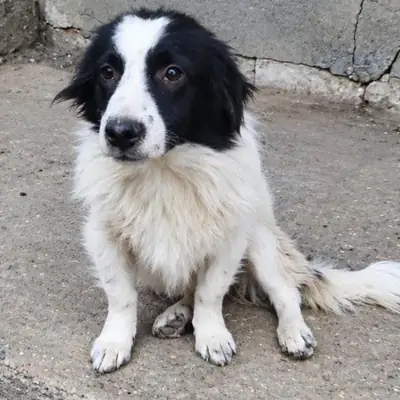
At home, a Polish Hunting Dog that gets enough exercise and stimulation is usually calm and very people-oriented. In a shelter, it often suffers from the loss of the people it was attached to and seems reserved or stressed at first. Give it time to build trust. It is generally reasonably sociable with other dogs, but often chooses its friends based on whether it likes them.
In terms of health, a well-bred Polish Hunting Dog is considered robust with a life expectancy of 10 to 12 years, but it does have breed-typical issues with the joints and the nervous system (epilepsy). While health-focused breeders have the parent dogs’ hips (hip dysplasia screening is part of the recommended health standard) and elbows X-rayed to reduce the risk in the line, the background of a rescue dog is often unknown. Elbow dysplasia is another breed-typical risk.
For a shelter dog, vaccinations, microchip and a general intake examination are usually covered; ask to see the available veterinary records in detail. After the adoption, plan regular check-ups with your vet and make a point of keeping it at a healthy weight (males standing 55–59 cm at the withers should ideally weigh between 23 and 28 kg) to take strain off the joints.