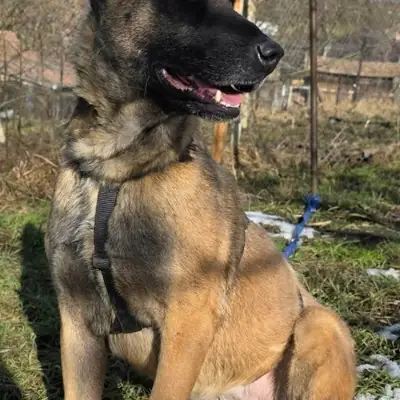
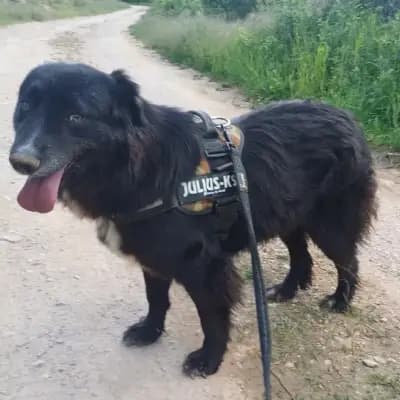
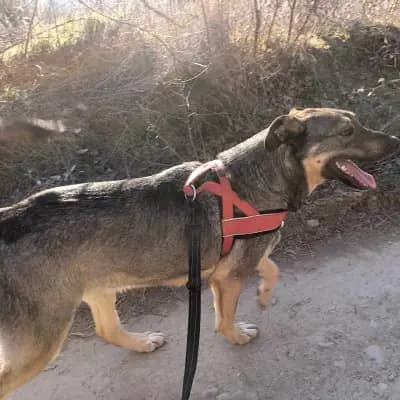
If you want to adopt a Gordon Setter, you will usually meet a very people-oriented dog who is suffering from the loss of the people he was attached to. However, his high trainability helps him enormously in adapting to a new routine. Once he is mentally and physically occupied in everyday life, he proves to be remarkably calm, well-balanced and affectionate indoors.
Health considerations when adopting
When well bred, Gordon Setters are considered robust dogs overall, with a life expectancy of 10 to 12 years, but as a breed they are prone to certain issues affecting the hips, eyes and thyroid. Health-focused breeders (for example, those in the Gordon-Setter-Club Deutschland e.V.) have the parent dogs X-rayed for hip dysplasia (HD) and tested through clinical eye examinations and the DNA test for rcd4-PRA (progressive retinal atrophy, rod-cone dysplasia 4), in order to reduce avoidable risks in the line. In rescue, however, the dog’s origins are often unknown.
Other risks typical of the breed are cataract, retinal dysplasia, ectropion and entropion, cerebellar abiotrophy and the risk of gastric torsion. Black hair follicular dysplasia, in which the black hairs fall out early, has also been described. With a dog from a rescue centre, vaccinations, microchip and a veterinary intake examination are usually covered; ask to see the existing paperwork in detail. After adoption, plan regular eye and thyroid checks with your vet, and in daily life feed small portions followed by a rest period to reduce the risk of gastric torsion.