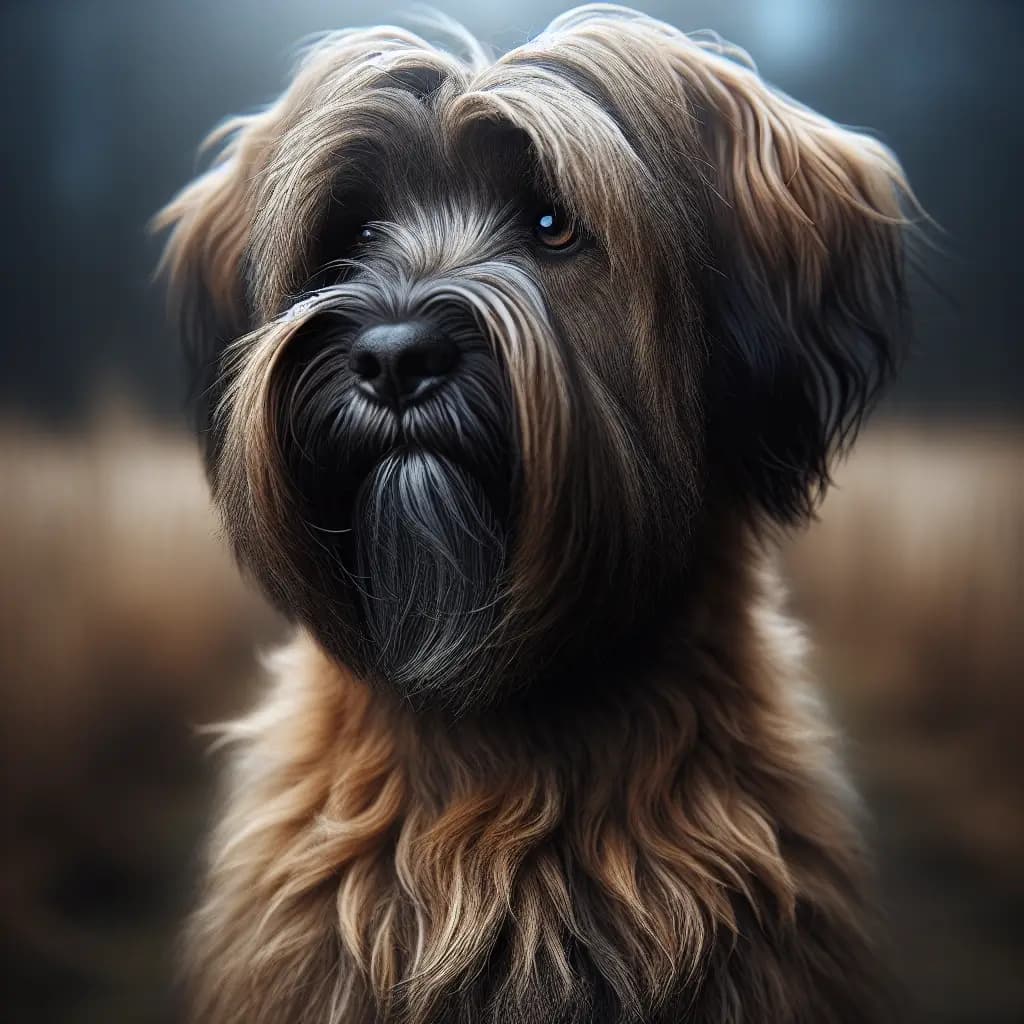
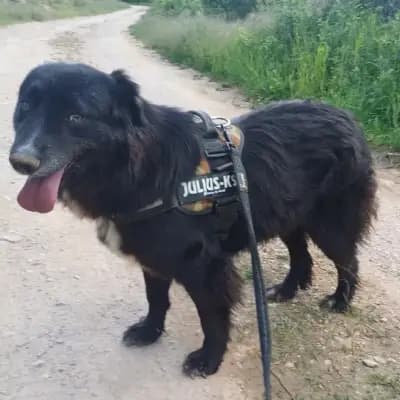
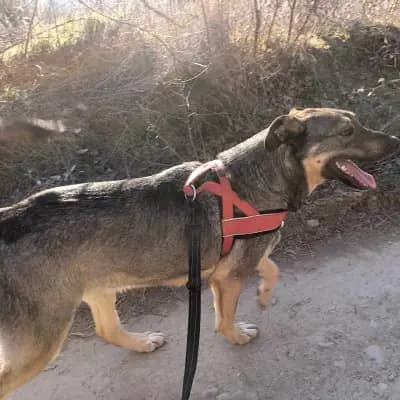
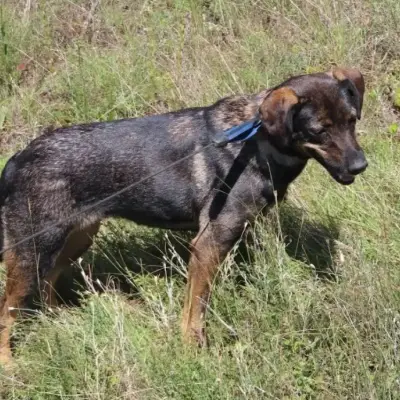
If you meet a Grand Griffon Vendéen in a shelter, you will generally find a very sociable dog. Thanks to his history as a pack hound, he usually gets along extremely well with other dogs. He is friendly and gentle with people, even if he may feel unsettled in the first few weeks after losing his familiar surroundings. Outdoors, however, his nose immediately switches on: his strong scenting ability demands your attention and secure handling on a long line.
The breed has a life expectancy of 10 to 13 years and is generally considered hardy, but it does have breed-typical issues affecting the hips, elbows, eyes and ears. Known risks include hip dysplasia (HD) – screening for which is part of the recommended health standard for the breed – as well as elbow dysplasia (ED). Other breed-typical health issues are primary open-angle glaucoma (ADAMTS17-associated), an underactive thyroid (hypothyroidism) and neurological conditions such as epilepsy. A health-focused breeder has the parent dogs' hips and elbows X-rayed and their eyes clinically examined, uses the established DNA test for ADAMTS17-associated glaucoma (so that carriers are only mated with clear partners) and studies pedigrees closely to reduce the risk of epilepsy and hypothyroidism in the line. In a shelter, by contrast, the genetic background is often unknown. So ask to see all of the shelter's veterinary findings and, if necessary, plan your own follow-up checks of the joints, eyes and thyroid values. In everyday life, also make a point of checking the long, drooping ears regularly and keeping them clean to prevent inflammation.