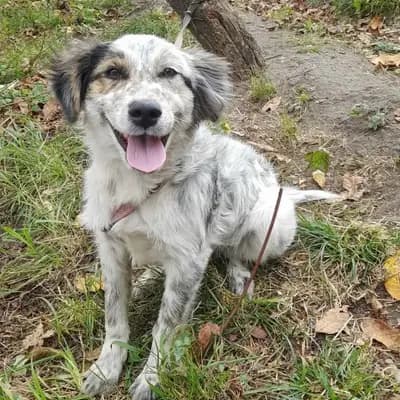
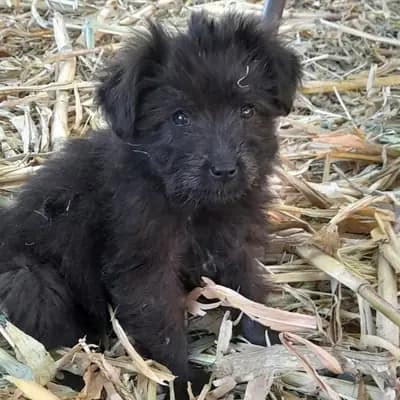
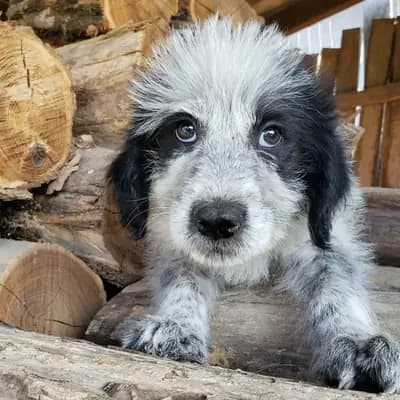
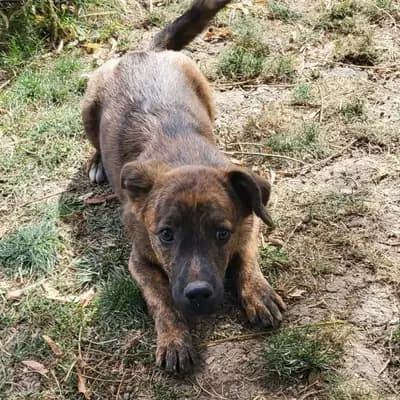
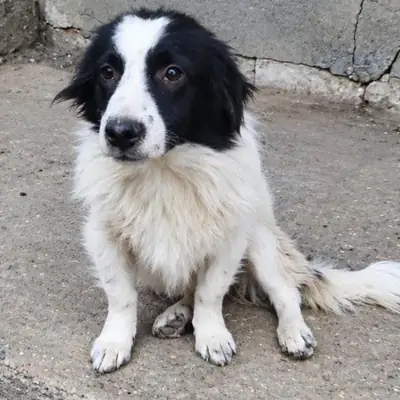
An adult dog from a rescue comes with a story of his own. Many Glens bond closely with their special people and, after a loss, at first grieve quietly or seem reserved in the noisy surroundings of a shelter. Give him time: once he begins to trust you, his gentle, family- and child-friendly nature shines through.
Keeping an eye on breed-specific health issues
Irish Glen of Imaal Terriers are considered robust dogs with a life expectancy of 12–15 years, but their heavy build on short legs brings breed-typical issues affecting the joints and eyes. Known risks include hip dysplasia (HD), the eye disease progressive retinal atrophy (cone-rod dystrophy 3, crd3-PRA) and the neurological disease degenerative myelopathy (DM).
A health-focused breeder (for example within the Klub für Terrier e.V., which requires the DNA test for crd3-PRA) has the parent dogs X-rayed for HD and uses DNA tests for crd3-PRA and DM. A genetic test shows whether a parent dog is clear, a carrier or affected; for conditions with simple recessive inheritance, if the breeder only mates carriers with clear partners, no puppy inherits the tested mutation from both parents, and the risk of that condition falls significantly. With a shelter dog, the background is often unknown – if he comes from irresponsible backyard breeders, such screening tests are usually missing entirely. So plan a thorough check-up with the vet after adoption, and consistently keep him lean and give him joint-friendly exercise in everyday life.