Korean Jindo
Same FCI section

Dogs love cookies, and so do we
Cookies for analytics and ads. Privacy
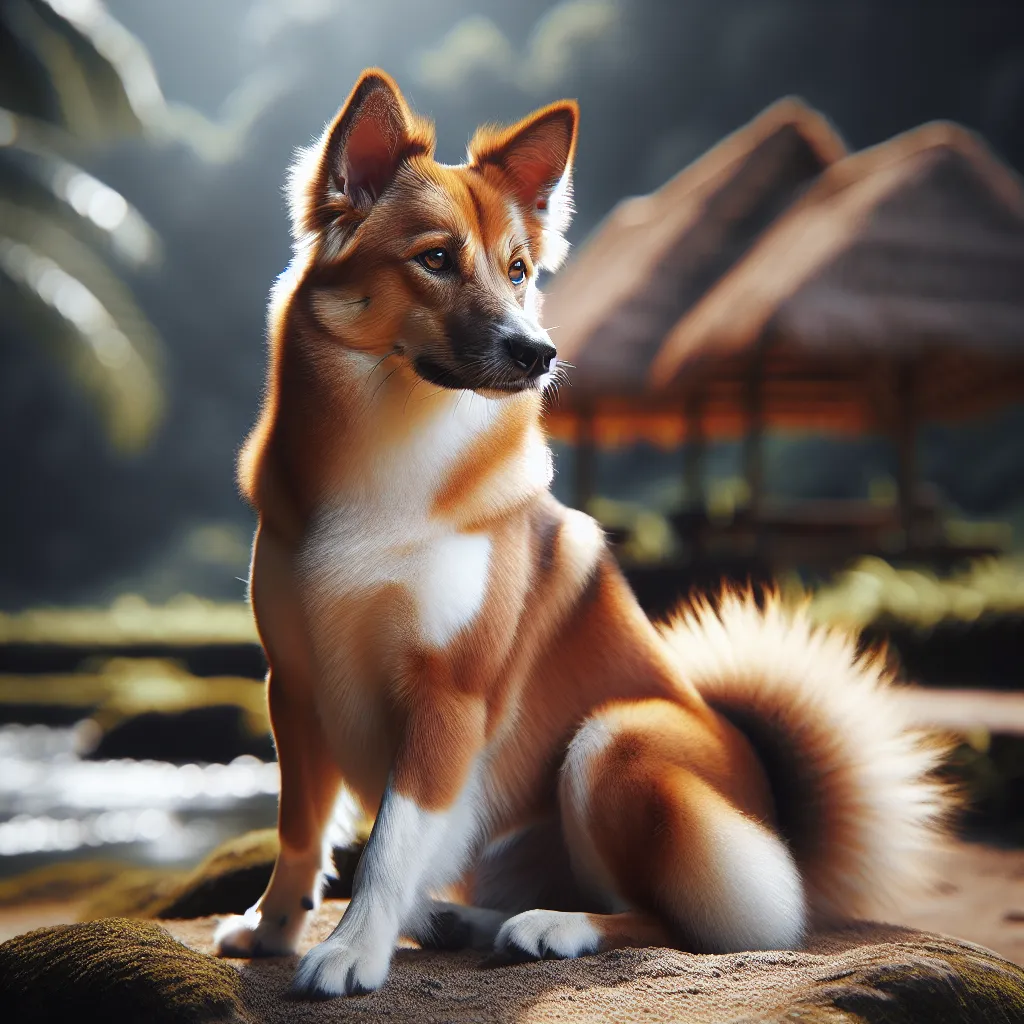 AI-generated image
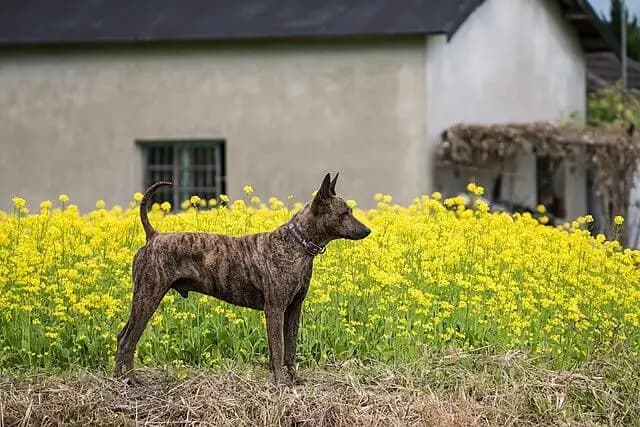
The Kintamani Bali dog is a vigilant, territorial, and extremely agile dog—a primitive Asian Spitz that has been selected over centuries as a self-sufficient village guardian on Bali, where it independently sounded alarms and defended its territory.
How the health grade is calculated
Sources for required breeding screenings. Deutscher Club für Nordische Hunde e.V. (DCNH)
Self-check
Answer 6 quick questions about your everyday life and see how well the Kintamani-Bali Dog fits you — including an honest cost estimate per month, per year, and across the dog's lifetime.
Question 1 of 6
Count honestly — the normal day, not the best one.

At a glance
The essentials — key facts, traits, and health priorities — before you dive deeper.
Lifespan
10–14 yrs
Shoulder height
40–55 cm
Weight
13–17 kg
Practical
Temperament
Daily life
What matters most
Especially with a Kintamani-Bali Dog, choosing the right breeder is the single most important decision you'll make. Serious breeders consistently test the parents for inherited conditions, prioritize healthy early socialization, and stay accountable long after handover. A cheap puppy without health screening tends to become the most expensive dog later on.
See HonestDog breeder standards →Colors & coat
The coat colors that occur in the Kintamani-Bali Dog — including which ones fall outside the breed standard and which carry genetic risk.
Eye colors
 Brown
Coat type
 Medium
 Double coat
The real vibes check
A Kintamani is not a dog that reads your every wish from your eyes, but rather a watchful observer that prefers to monitor its realm from atop a wall. You are bringing a piece of wild independence into your home, which only shows true loyalty once you have earned its respect without coercion.
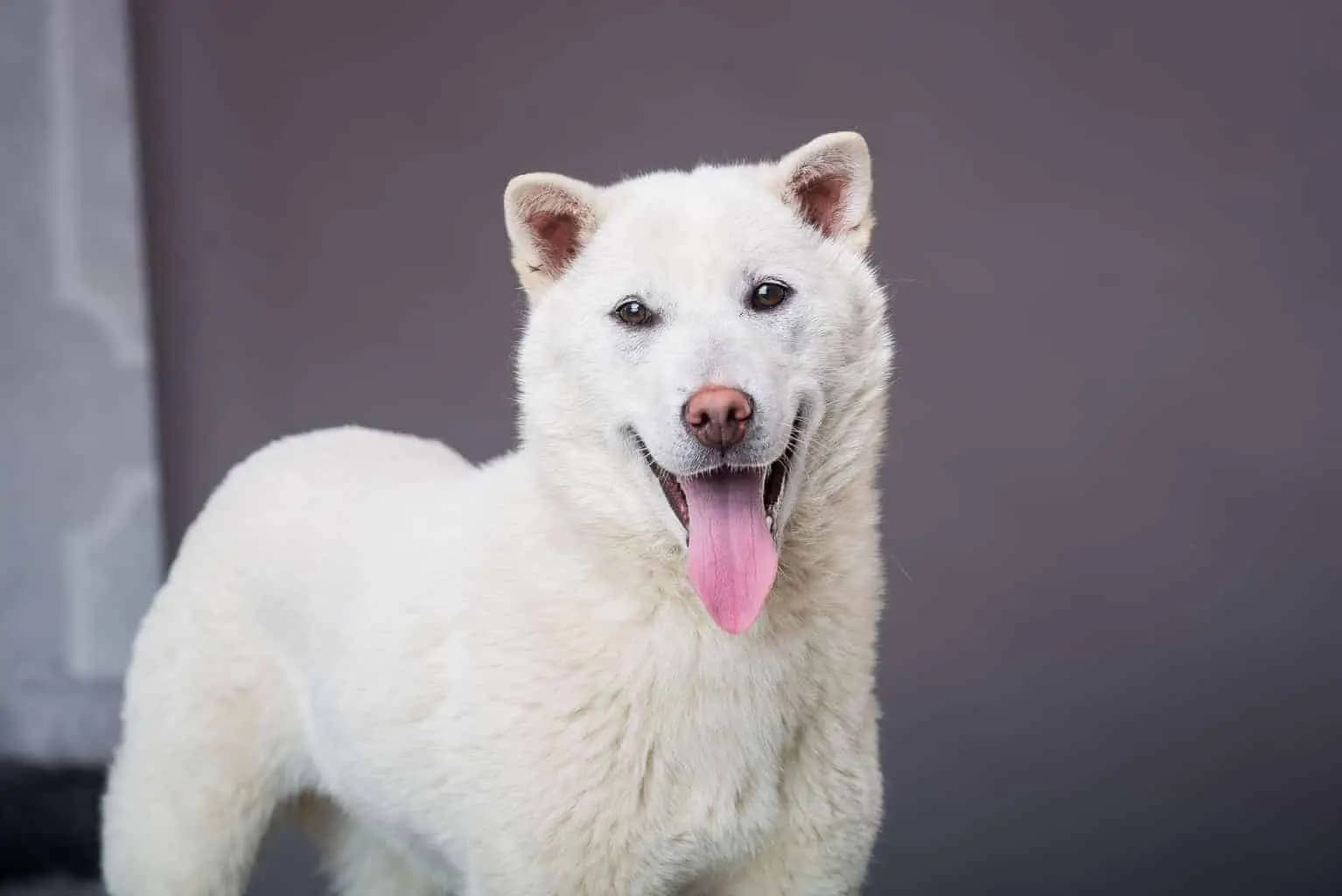
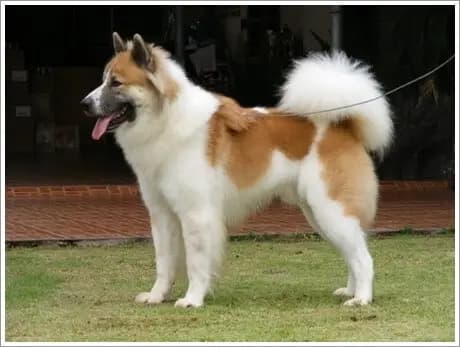
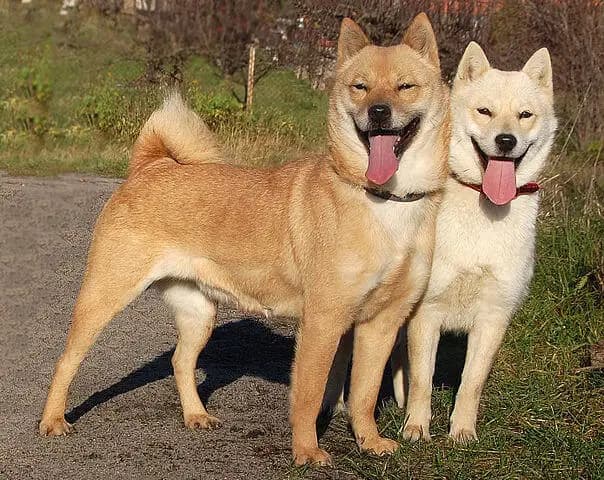
The Kintamani Bali dog is a unique and rare dog breed native to the Indonesian island of Bali. It belongs to the Spitz group and has traditionally been kept as a guard and companion dog. The Kintamani is characterized by its dense, medium-length coat, which often appears in white and cream tones, as well as its erect ears and bushy tail carried upwards. Its body structure is compact and muscular, giving it high agility and endurance. In terms of character, the Kintamani Bali dog is friendly, intelligent, and alert, but also affectionate and family-oriented. Within the breed, there are no clearly defined lines, but individual dogs vary in coat texture and color shades, highlighting the diversity of this original breed. The Kintamani is an ideal companion for active people looking for a loyal and versatile dog.
The Kintamani Bali dog is an intelligent and balanced companion with a strong bond to its family. Originally from the island of Bali, it is characterized by its adaptability and calm yet alert nature. It is friendly towards people but shows a natural vigilance that makes it a reliable watchdog without being aggressive. This dog requires both physical and mental activity to remain balanced. It learns quickly and enjoys working with its owner, making it well-suited for various activities such as scent work or obedience training. Despite its independence, it values closeness to its family and should not be left alone for too long. The Kintamani Bali dog has a moderate prey drive that can be well controlled with consistent training. Its prey-catching behavior is less pronounced than in other working dogs, but early training is important to ensure a good bond and reliable recall. Overall, the Kintamani Bali dog is a loyal, eager-to-learn, and versatile dog that is suitable both as a family dog and as a vigilant companion.
| Watchfulness A natural watchdog with real protective instinct. | High |
| Openness to Strangers Careful around unfamiliar people — thaws slowly. | Cautious |
| Hunting or Herding Drive Powerful instinct that can override recall when triggered. | Strong |
Fun Fact!
Kintamani Bali Dog: The Kintamani Bali Dog originates from the sacred dogs of Bali and is known for its dense, weather-resistant coat, which makes it perfect for the mountainous climate. Despite its wild origin, it is a loyal and friendly companion, characterized by its alertness and adaptability.
The Kintamani Bali dog is an intelligent and alert companion from Indonesia. It is characterized by its adaptability and friendly nature. These dogs are active and require meaningful activities to fully realize their potential. The Kintamani is well suited as a family dog if it is consistently trained and gets enough exercise. Its medium-length coat is easy to care for and protects it from changing weather conditions.
Kintamani Bali dogs are independent and alert dogs that form a close bond with their family. They are generally friendly but reserved towards strangers, making them good watchdogs. Because of their strong need for exercise, they require plenty of physical activity and mental stimulation, which makes them especially suitable for active families or people with access to a garden. Kintamanis are usually good with other dogs but should be socialized early. They are patient with children, but caution is advised with small children as they can sometimes react stubbornly. Consistent but loving training is important to positively guide their confident nature.
Gets on well with different people and varying routines.
Gets on well with children — with adult supervision.
Usually gets on fine with other dogs.
City-appropriate with enough exercise and stimulation.
Owning a dog is a privilege, but it's also a real responsibility. Before you bring one into your life, be honest with yourself about the commitment it takes.
The Kintamani Bali dog is an intelligent and eager-to-learn companion that requires clear and consistent leadership. Similar to Labradors and German Shepherds, it is important to provide the Kintamani with meaningful activities and mental challenges to avoid boredom and undesirable behavior. Due to its independent character, it responds particularly well to positive, reward-based training methods that require patience and consistency. The Kintamani shows a high adaptability but needs early socialization to manage its natural distrust of strangers. It is well suited for dog sports such as obedience or agility, where its intelligence and agility can be developed. It is important that the training is varied to maintain its motivation. As with the German Shepherd, a balanced mix of activity and rest periods should be observed with the Kintamani to avoid overstrain. Those willing to invest time and commitment in training will gain a loyal, watchful, and versatile companion with the Kintamani Bali dog.
The Kintamani Bali dog is a robust and adaptable breed that requires a balanced diet to stay healthy and vital. High-quality dog food with a good proportion of proteins and nutrients is ideal to support its energy and muscle mass. Be sure to avoid overfeeding, as the Kintamani can be prone to overweight if it does not get enough exercise. The coat of the Kintamani is medium-length and dense, with a light undercoat that protects it from changing temperatures. Regular brushing, about 1-2 times per week, helps keep the coat clean and healthy and removes loose hair. Especially during the shedding seasons in spring and autumn, more intensive coat care is recommended to minimize hair loss. The Kintamani is well adapted to Bali's tropical climate but also copes well with moderate temperatures. In extreme heat, sufficient shade and water should be provided to avoid overheating. Overall, the Kintamani is a low-maintenance dog that can lead a balanced and healthy life with the right diet, regular coat care, and enough exercise.
| Care Level Regular brushing and occasional professional grooming. | Moderate |
| Exercise Needs Needs 1–2 hours of real exercise daily. | Active |
| Shedding Regular shedding — dog hair on clothes is now normal. | Moderate |
| Trainability Has its own ideas and will test limits. | Strong-willed |
Our experts are still reviewing this information. Spotted something wrong? Email us at info@honestdog.de.
Every puppy that finds a home through HonestDog should start with 30 days of free insurance cover, for a stress-free start. We're currently looking for the right insurance partner.
Solid, watch carefully
Health grade
In the Kintamani-Bali Dog, health risks primarily include hip dysplasia (HD) as well as hereditary eye diseases such as primary lens luxation (PLL), cataracts, and progressive retinal atrophy. The Deutscher Club für Nordische Hunde e.V. (DCNH) mandates screening for HD with a limit of HD A–C (C only bred to A or B) as well as an ophthalmological eye exam. Responsible breeders additionally screen for specific eye conditions such as primary lens luxation (PLL), cataracts, or progressive retinal atrophy, where a carrier may only be bred to a clear partner. Before buying, have the breeder show you the official HD results and current ophthalmological examination reports for both parent animals.
Grade is relative to other breeds — AI-assisted and editorially reviewed.
Methodology and data: HonestDog Dog Breed Health Report 2026
What matters most for this breed
Tap any item to see details.
In daily life this can mean
You should ensure joint-friendly rearing and regularly check the skin and coat, as the breed can occasionally be prone to skin irritations in our climate.
The breeder's role
Responsible breeders test for hip dysplasia (HD) and screen for eye problems, supplemented by findings on primary lens luxation (PLL) and cataracts.
Note: This health overview is AI-assisted and editorially reviewed. It is for orientation only and does not replace veterinary advice.
What matters most for this breed — what's common, how much it affects the dog's life, and how to protect yourself as a buyer.
Tap a body region to see the inherited conditions linked to it.
The three most important risks
Pick a region on the map to explore other areas.
Tier 1 is the core standard: the tests Deutscher Club für Nordische Hunde e.V. (DCNH) requires, plus further tests from the recommended health standard for this breed. Tiers 2 and 3 show how responsible breeders go beyond.
Core standard. Tests marked “Club standard” are required by Deutscher Club für Nordische Hunde e.V. (DCNH) for breeding approval; the others are part of the recommended health standard for this breed. Ask any reputable breeder for the results.
No entries in this tier.
Note: This health overview is AI-assisted and editorially reviewed. It is for orientation only and does not replace veterinary advice.
A Kintamani-Bali Dog costs around ~€170 per month (€90 – €320, depending on your setup). The first year adds up to roughly ~€5,640 including purchase, equipment and puppy school; across the dog's life (12 years) it comes to about ~€28,290.
With surgery cover, running costs come to about ~€170 per month — in return, your share of a major operation drops from several thousand euros to around 20 percent.
Per month
~€170
In the first year
~€5,640
Across the dog's life
~€28,290
Estimated purchase price from a breeder: €2,000 – €3,500
Estimate at a mid-range setup (suburban, dry food, 1–2 hours of daily exercise), average German prices, as of July 2026.
HonestDog Concierge
We currently have no breeders for this breed who have passed our verification. Create your short buyer profile: we'll set up your search alert, review a possible source and email you within 28 days.
 Illustrative image
 Illustrative image
 Illustrative image
 Illustrative image
 Illustrative image
The history of the Kintamani Bali dog begins on the Indonesian island of Bali, particularly in the Kintamani region. These dogs were traditionally kept by the locals as guard dogs and companions. Their origins probably trace back to the ancient Balinese temple dogs, known for their loyalty and vigilance. In the 20th century, they were selectively bred in the Kintamani region to preserve their characteristic features such as the dense, weather-resistant coat and the lively yet balanced nature. Today, the Kintamani Bali dog is considered one of the few native dog breeds of Indonesia and is increasingly appreciated internationally as a versatile family and guard dog.
Original Use
The Kintamani Bali dog is kept in Bali as a guard and companion dog and is known for its affection and loyalty.
Origin
Bali, Indonesia
Date
1900
At home, the Kintamani Bali Dog is usually described as a very faithful, affectionate and loyal companion to its own close circle of people. Owners point out that it's typically calm and even-tempered indoors, as long as it gets enough exercise and mental challenge. With family members it's playful and protective.
The biggest recurring challenge in daily life, though, is its strong territorial streak and the breed's typical distrust of strangers. Owners describe visitors being met at first with clear distance, suspicion or alert barking. Most of these dogs won't simply let outsiders pet them, and they insist on their personal space. If this watchdog and guarding drive isn't channeled from the start, the breed tends to guard its property and family in a way that ranges from very defensive to downright unwelcoming.
In owners' accounts of training, the Kintamani comes across as a very bright but independent primitive-type dog. Many owners stress that while it catches on lightning-fast and enjoys varied activities, it has no unconditional urge to obey (no real "will to please"). If training gets monotonous, repetitive or drags on too long, it quickly tunes out or turns stubborn.
The point owners come back to most is early, thorough socialization. Because the breed comes with a natural wariness of new surroundings and unfamiliar people, experienced owners warn against skimping on this phase; otherwise a distrust that's hard to manage can take hold. Being left alone should also be practiced early, since these dogs bond very closely with their people and can turn destructive when frustrated or stressed by separation. Positive reinforcement, clear rules and patient consistency work best.
Sources:peqaboo.comhunderasse.dedogpackapp.comhundemagazin.netreddit.com
Owners and breeders see the Kintamani Bali Dog as a very primitive, hardy breed with few known hereditary weak spots. As a typical dog from an isolated island and mountain population, it generally has a sound constitution and good vitality. The coat often cleans itself surprisingly fast after a muddy outing, but because of the dense undercoat it needs regular grooming during the seasonal shed.
Owners do note that the dense double coat, originally suited to Bali's cooler mountain regions, needs attention in midsummer heat. In hot weather these dogs instinctively look for cool places to rest and noticeably dial back their activity. Overall, grooming and health care are rated as uncomplicated, provided the dog gets enough exercise and is kept busy the right way.
Sources:hunderasse.dehundefunde.dewelpen.vdh.debaliinstitute.combali.com
Paraphrased from real owner reports · translated from German
The Kintamani-Bali Dog is an adaptable dog that adjusts well to various lifestyles. Research the temperament, grooming needs, and space requirements before deciding.
The average life expectancy of a Kintamani-Bali Dog is 10-14 years. With proper care and regular vet visits, your dog can live a long, healthy life.
Kintamani-Bali Dog grooming requirements include regular brushing, nail trimming, and dental care. HonestDog provides detailed grooming tips for every breed.
The Kintamani-Bali Dog can be a great family dog. Proper training and socialization are key. HonestDog provides family suitability information for every breed.
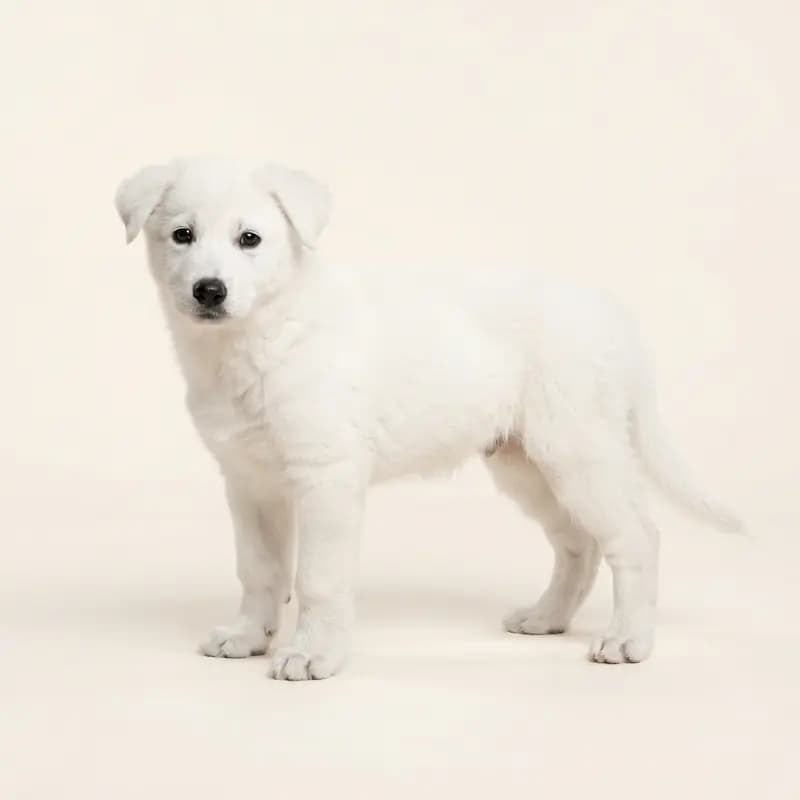
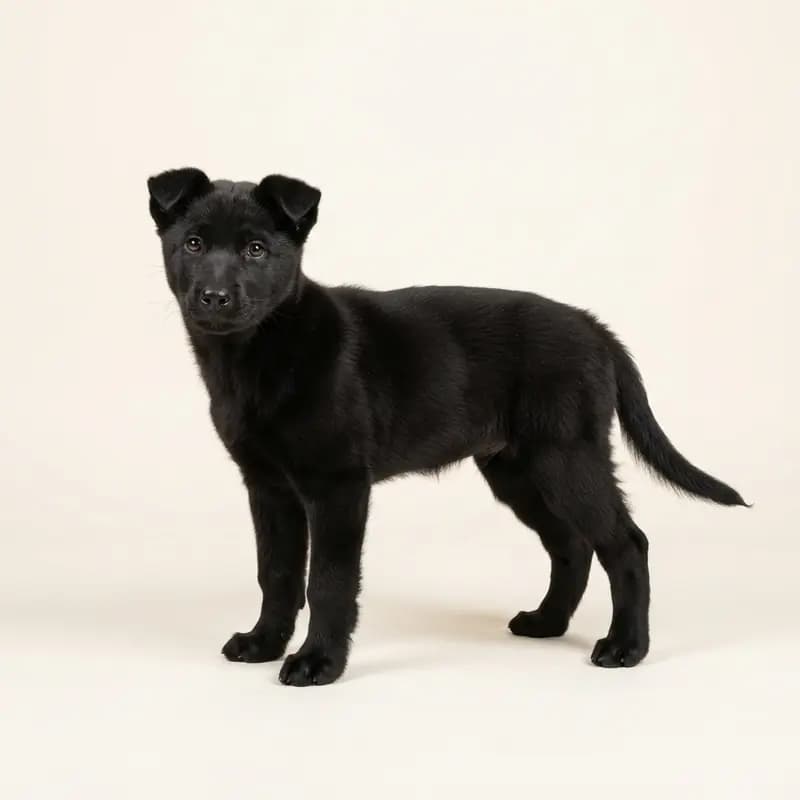
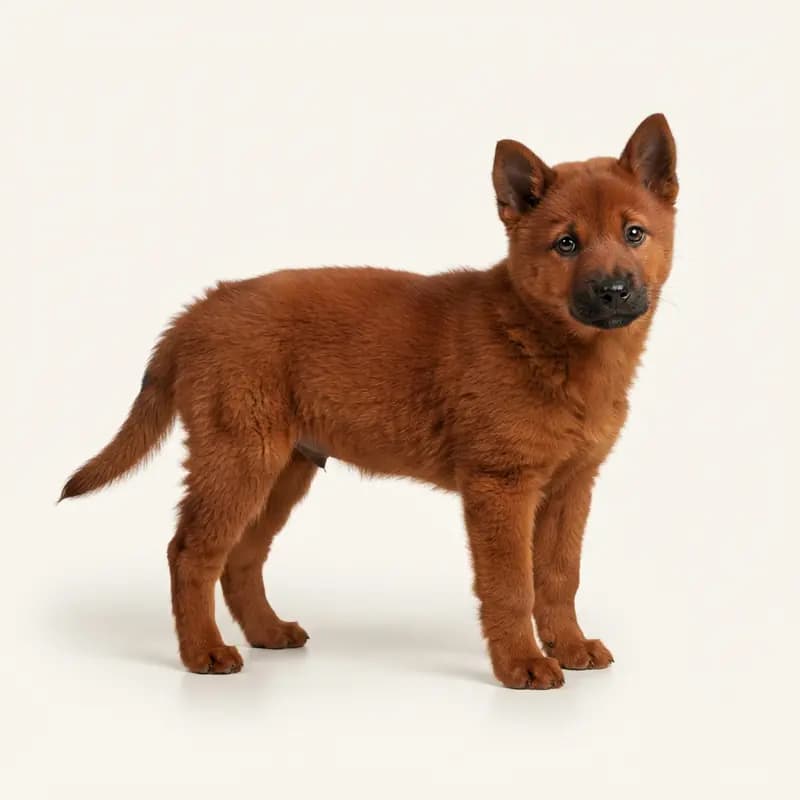
The Kintamani-Bali Dog comes in these colors: White, Black, Fawn, Red, Brindle.
Showcase your kennel on HonestDog and reach families searching for a responsibly bred Kintamani-Bali Dog.