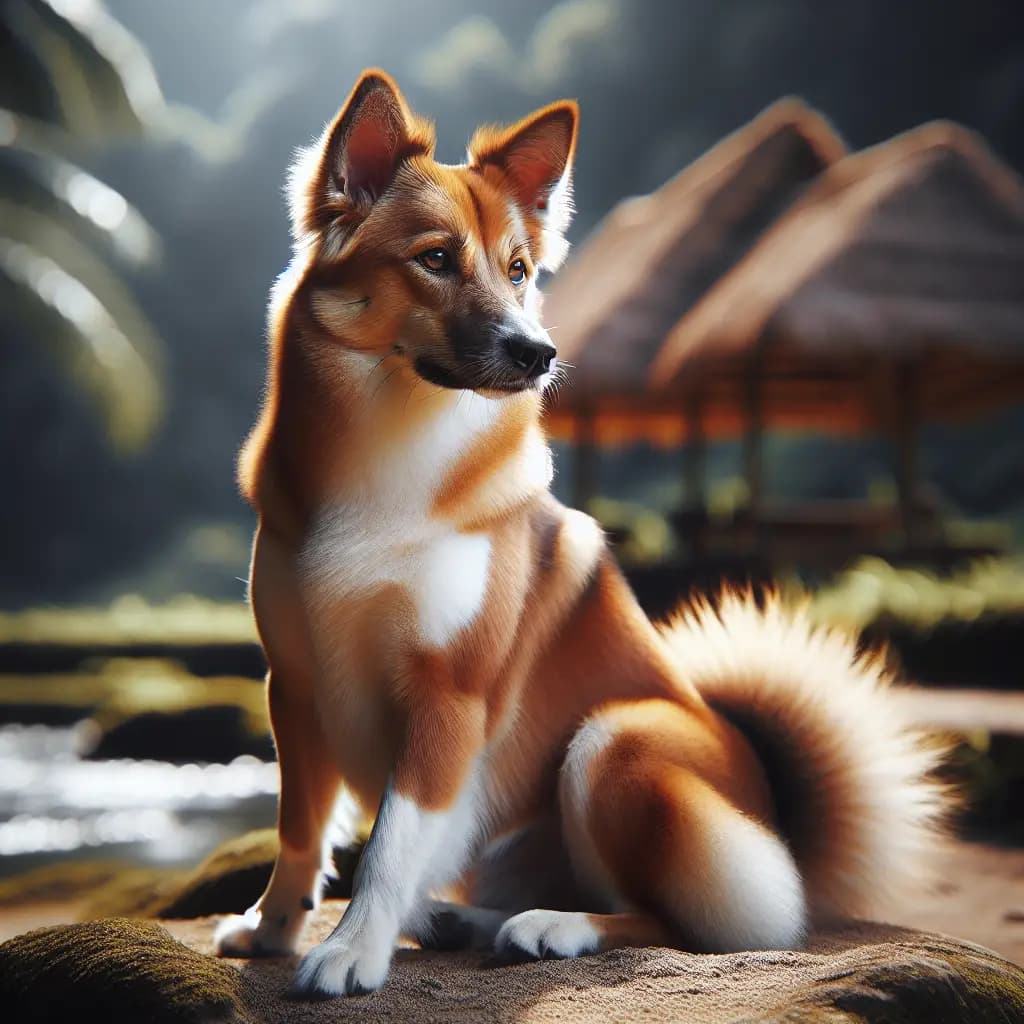
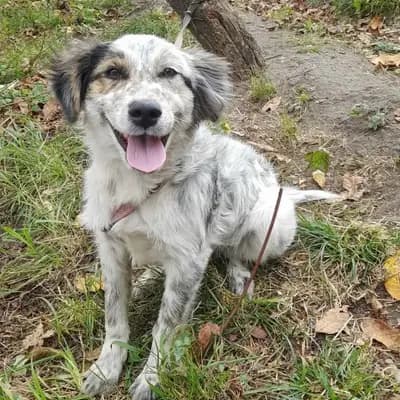
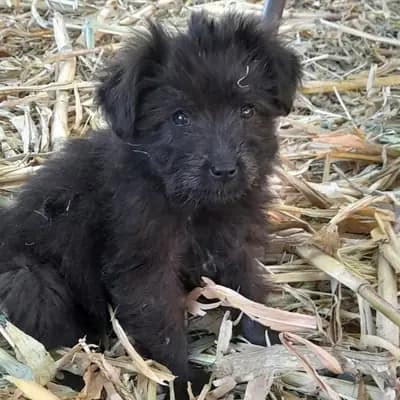
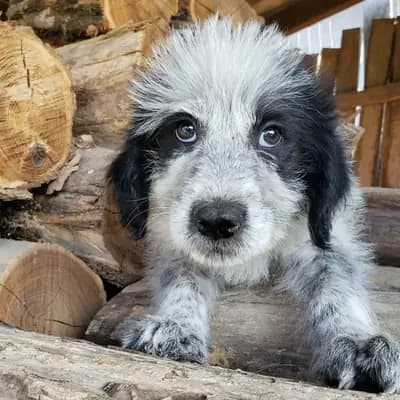
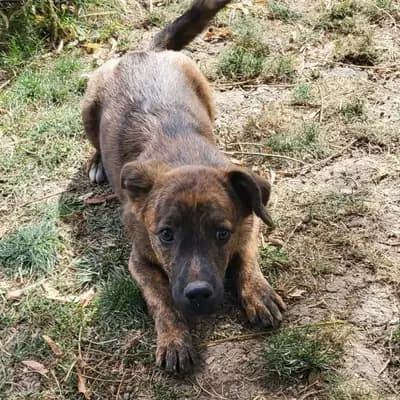
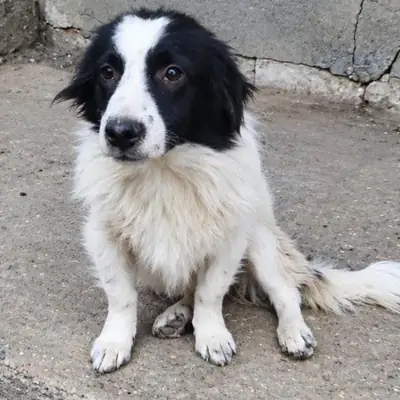
A Kintamani-Bali Dog from a shelter has experienced the loss of their familiar people. Precisely because this breed is known for its deep attachment, it often seems reserved and watchful at first. Give your new companion time to get to know you as a reliable partner. Compatibility with children and other dogs is in the solid middle range (3 out of 5 for each) and depends heavily on the individual dog's previous experiences.
Keeping an eye on specific health concerns
Thanks to their origins, Kintamani-Bali Dogs are considered very robust dogs with a life expectancy of 10 to 14 years. Nevertheless, because of the small gene pool and the move to our European climate, they do have a few issues affecting the joints, eyes and skin. In our climate, the breed occasionally tends to develop skin irritation – so check the skin and coat regularly.
Health-focused breeders in the Deutscher Club für Nordische Hunde e.V. (DCNH) take targeted steps to counter these risks: they pay attention to diverse bloodlines and healthy skin, and have the parent animals' hips, elbows, knees and eyes examined clinically and by X-ray. Screening for hip dysplasia (HD) is mandatory there, as is a comprehensive ophthalmological eye examination (covering, among other conditions, cataract, generalised progressive retinal atrophy, lens luxation, corneal dystrophy, retinal dysplasia, distichiasis, ectropion/entropion, pectinate ligament dysplasia, optic nerve hypoplasia and micropapilla, PPM and PHTVL/PHPV). Such examinations significantly reduce the risk of hereditary problems in the offspring.
With a rescue dog, the exact ancestry is often unknown. Vaccinations, microchipping and an initial examination by the shelter are usually covered; ask to see the veterinary records before adoption, and ask the care team specifically about the condition of the eyes, skin and joints.