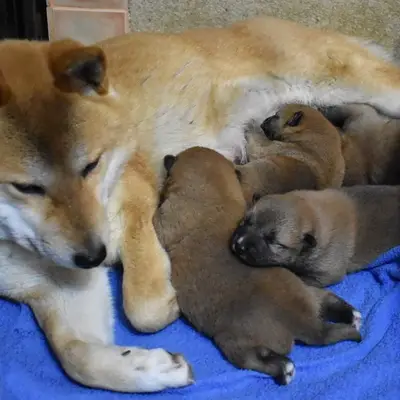
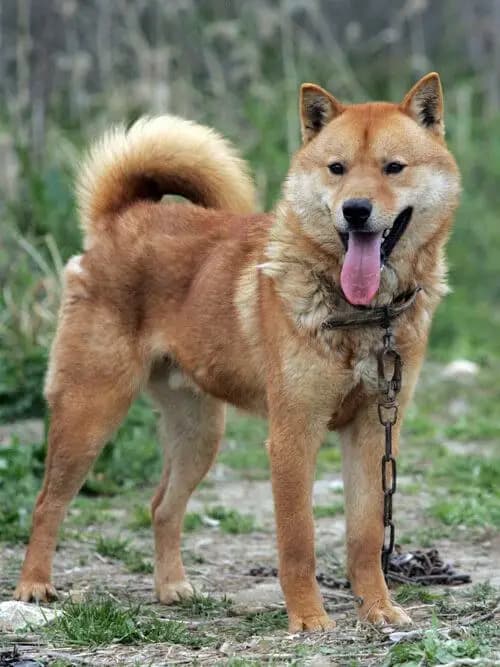
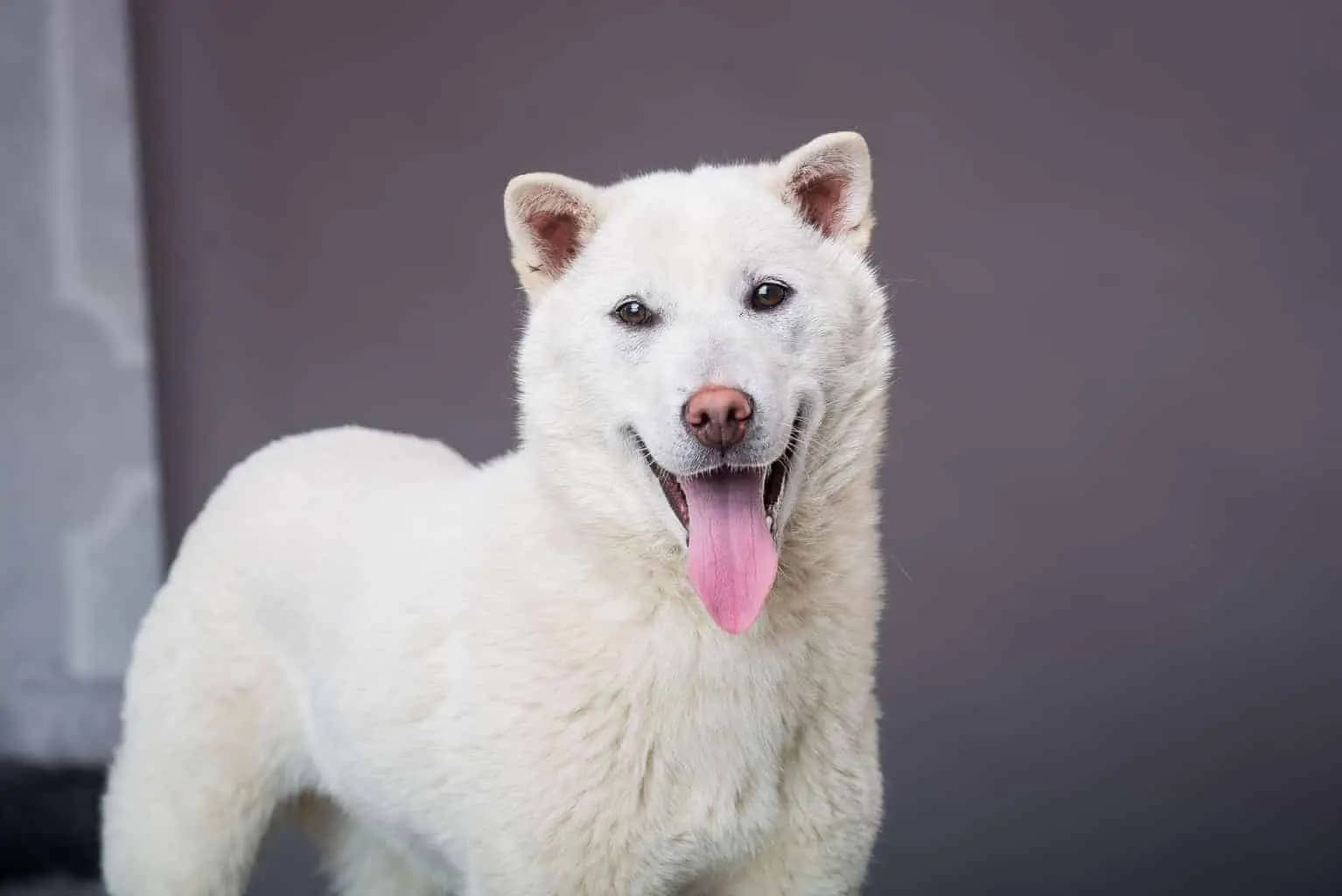
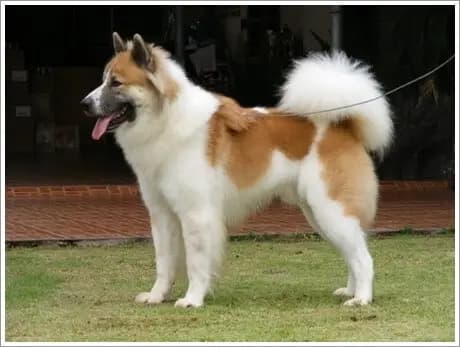
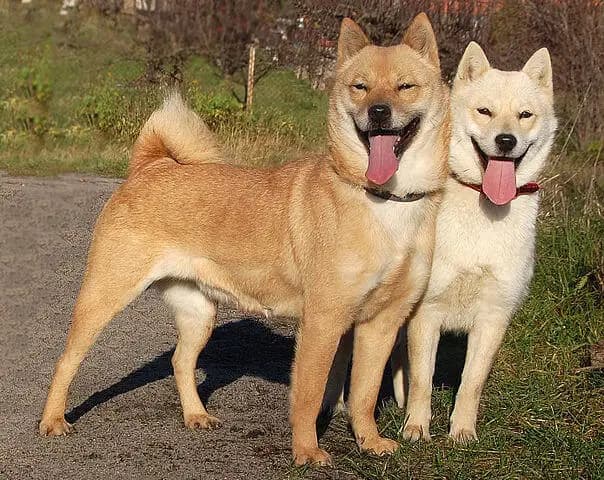
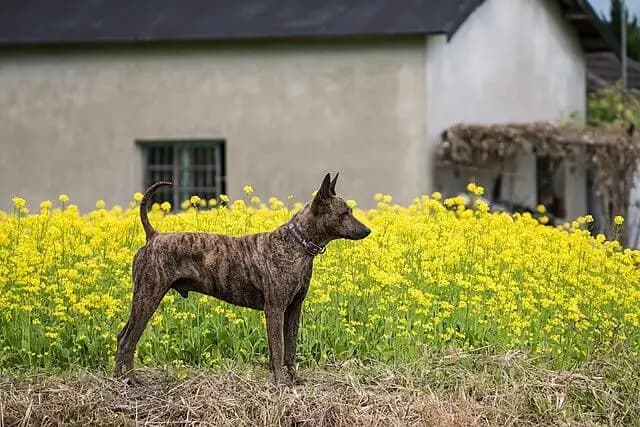
Thanks to its natural development on Bali, the Kintamani-Bali Dog is considered a robust breed with a life expectancy of 10 to 14 years. Even so, the small gene pool outside Asia and the move from a tropical to a Central European climate pose specific challenges for the joints, eyes and skin.
In the German breed club (Deutscher Club für Nordische Hunde e.V., DCNH), targeted examinations that reduce the risk of hereditary defects are required for breeding approval. These include X-rays for hip dysplasia (HD) and a comprehensive ophthalmological eye examination. The latter clinically checks the parent dogs for a whole range of eye diseases: cataract, lens luxation, progressive retinal atrophy (PRA), retinal dysplasia, corneal dystrophy, pectinate ligament dysplasia, optic nerve hypoplasia and micropapilla, persistent pupillary membranes (PPM), PHTVL/PHPV, and malformations of the eyelids and eyelashes (ectropion, entropion, distichiasis).
Another breed-specific issue is the skin: in our cooler, often damper climate, and as a result of changed environmental influences, some individuals occasionally tend to develop skin irritations. In everyday life, check the coat and skin regularly and, during the first year of life, make sure the puppy is raised in a strictly joint-friendly way, without putting too much strain on the joints early on.
Your checklist for the first conversation with the breeder
Because the breed is extremely rare, it is worth taking a close look behind the scenes at the breeding establishment. When you visit in person, ask to see the following documents and pay attention to these details:
- Official X-ray results: Ask to see the original hip dysplasia (HD) evaluations for both parent dogs.
- Current eye examination report: Check the findings sheet from a specialist veterinary ophthalmologist (DOK), showing that, before being used for breeding, the parent dogs were examined for the eye diseases listed by the DCNH (such as cataract, PRA, lens luxation and eyelid abnormalities).
- Pedigree papers and inbreeding coefficient: Ask specifically about the bloodlines. A health-focused breeder places the greatest importance on genetic diversity in this breed and will openly explain how they avoid close line breeding.
- Skin and coat condition of the parent dogs: Look at the mother on site. The coat should be dense and glossy, and the skin free of redness, flaking or bald patches. Make a point of asking whether skin irritations or food intolerances are known in the line.
- Early socialisation in a home environment: Because primitive dogs tend to be wary of strangers if they are not properly accustomed, the puppies should be raised in the house and should already have met different people and experienced everyday noises and surfaces.
On HonestDog, a breeder profile only goes online once the breeder has completed registration: identity verification by ID and selfie, where applicable proof of club membership or a §11 permit, a knowledge test on breeding and animal welfare, and agreement to the HonestDog breeding standards, which among other things rule out breeding from dogs with traits that cause suffering (‘Qualzucht’). Health test results for the parent dogs that breeders upload are visible directly in the profile; ask to see the original results when you visit. Your next step: compare the profiles of Kintamani-Bali Dog breeders on HonestDog, look at the health records they have uploaded and ask directly about the next litter.