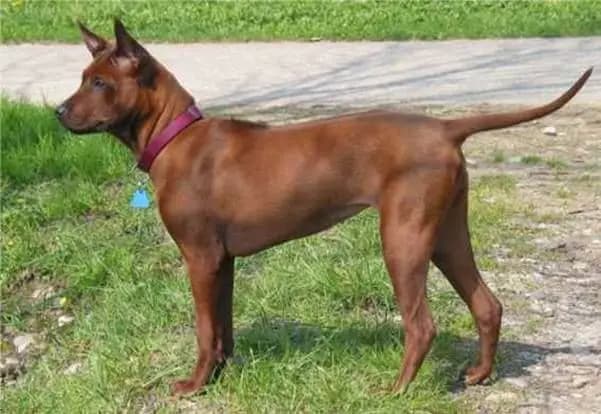
Thai RidgebackSame FCI group
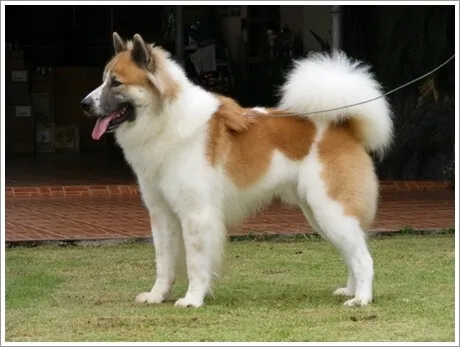
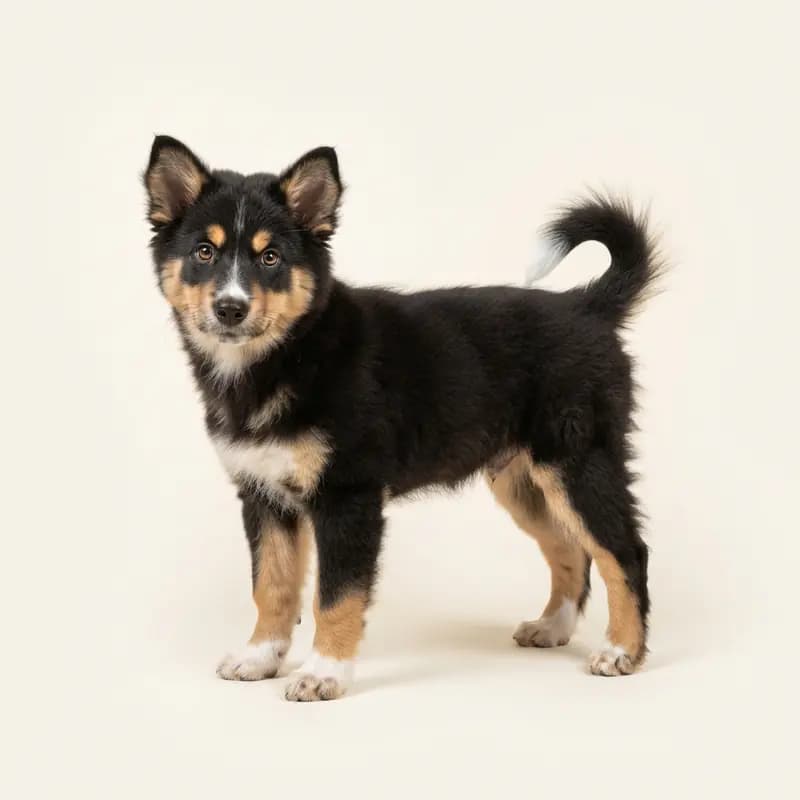
The Thai Bangkaew Dog is an intelligent, extremely loyal Asian Spitz—a primitive guardian whose heritage traces back to crosses with wild dogs, giving him a razor-sharp protective instinct and deep skepticism toward strangers.
Self-check
Answer 6 quick questions about your everyday life and see how well the Thai Bangkaew Dog fits you — including an honest cost estimate per month, per year, and across the dog's lifetime.

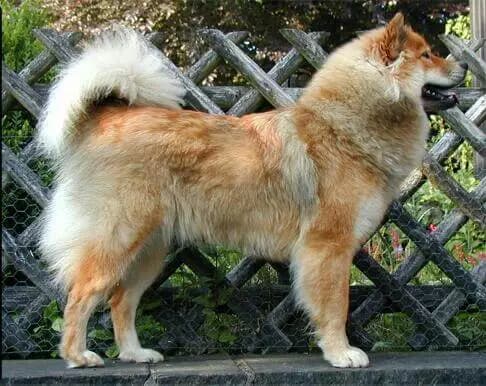

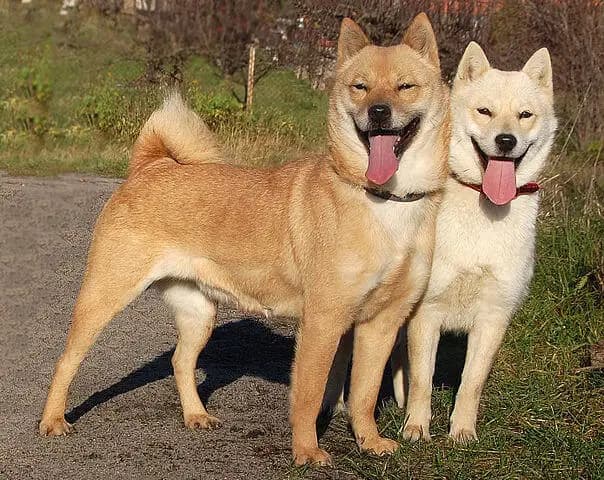
At a glance
The essentials — key facts, traits, and health priorities — before you dive deeper.
Lifespan
12–15 yrs
Shoulder height
41–50 cm
Weight
15–25 kg
Practical
Temperament
Daily life
What matters most
Especially with a Thai Bangkaew Dog, choosing the right breeder is the single most important decision you'll make. Serious breeders consistently test the parents for inherited conditions, prioritize healthy early socialization, and stay accountable long after handover. A cheap puppy without health screening tends to become the most expensive dog later on.
See HonestDog breeder standards →Colors & coat
The coat colors that occur in the Thai Bangkaew Dog — including which ones fall outside the breed standard and which carry genetic risk.
Eye colors
 Brown
Coat type
 Medium
 Double coat
The real vibes check
The Thai Bangkaew Dog doesn't give his heart to just anyone, but exclusively to his inner circle. He is like a highly sensitive bouncer: once he trusts you, he would walk through fire for you, but he will never stop scanning the environment for threats. You aren't getting a dog for the busy dog park, but an uncompromisingly loyal protector for confident owners.
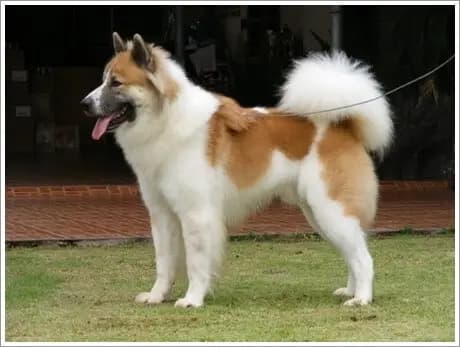
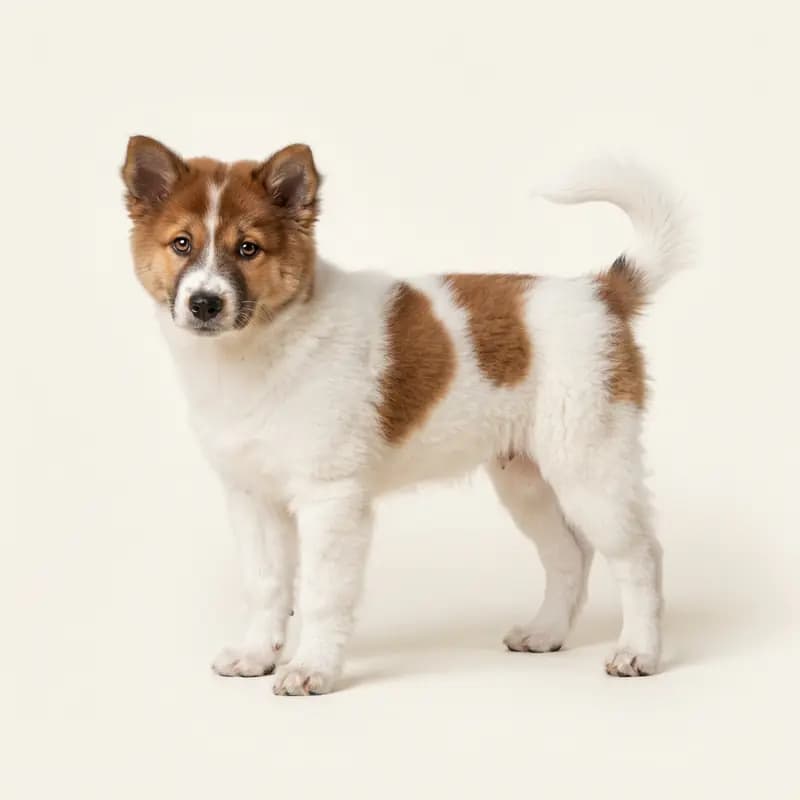
The Thai Bangkaew Dog, often simply called Bangkaew, is a medium-sized dog known for both its beauty and its abilities. Its strong build is well proportioned, showing off its muscular lines beneath a thick, medium-length coat that often comes in striking parti colors, typically white with brown, black or gray. It has a broad head with medium-sized, almond-shaped eyes and large, upright ears that give it an alert appearance. The Bangkaew belongs to FCI Group 5, the Spitz and original type dogs, and is a recognized Thai Spitz. There are no specific show or performance lines within the breed; instead, all Bangkaews tend to be well-rounded dogs that can be kept as both working dogs and pets.
The Thai Bangkaew Dog is a very versatile dog. He is known for his intelligence, self-confidence and loyalty to his family. Despite his often proud and independent temperament, he is very people-oriented and seeks the company of his owners. The Bangkaew is a very active dog that requires a good amount of daily physical and mental stimulation to be happy and content. His original role as a working dog and guard dog has led to him also showing strong territorial behavior and being able to be very vigilant. Because of its intelligence and independent spirit, the Bangkaew can easily learn to stay alone if practiced correctly from the start. However, he can also become very attached to his people and should not be isolated for long periods of time. A well-socialized and well-behaved Bangkaew can be an asset to any home and fit well into family life. However, he can also exhibit strong hunting or prey-catching behavior, meaning he may not live well with smaller pets unless he has been habituated to them from an early age. Overall, the Thai Bangkaew Dog is a hardy, healthy, and versatile breed that can thrive in the right environment. His loyalty and protective instinct make him an excellent guard dog, while his loving and people-oriented nature make him a wonderful family dog. With proper socialization, training, and loving management, the Bangkaew can be a great companion that will bring joy to its people for many years to come.
| Watchfulness A natural watchdog with real protective instinct. | High |
| Openness to Strangers Neither pushily friendly nor suspicious. | Neutral |
| Hunting or Herding Drive Mild interest in movement and small animals — easily managed. | Low |
Fun Fact!
The Thai Bangkaew Dog is a real “water rat”. He loves swimming and splashing around!
The Thai Bangkaew Dog is an intelligent and alert dog with a strong protective instinct. It is loyal and well-suited as a family dog but requires consistent training and sufficient activity. This medium-sized breed is characterized by its dense, weather-resistant coat and pronounced vigilance. Thai Bangkaew Dogs are active and need regular exercise to remain balanced.
Although the Thai Bangkaew Dog is an active and alert dog, he can adapt well to urban environments as long as he gets enough exercise and mental stimulation. He is very people-oriented and can get along well with children as long as he is properly socialized and trained. However, his strong protective instincts and alertness can cause him to be suspicious of strangers. Compatibility with other pets may vary. Some Thai Bangkaew Dogs get along well with other dogs or pets, especially if they are used to it from an early age, while others may exhibit more aggressive hunting behavior.
Loves family life and thrives in a group.
Takes boisterous and affectionate children in its stride.
Usually gets on fine with other dogs.
City-appropriate with enough exercise and stimulation.
Owning a dog is a privilege, but it's also a real responsibility. Before you bring one into your life, be honest with yourself about the commitment it takes.
Because of their intelligence and independent nature, training a Thai Bangkaew Dog can be challenging, especially for first-time dog owners. He needs a consistent but loving hand and benefits from early socialization and positive reinforcement. It is important to introduce the Thai Bangkaew to a variety of experiences, sounds and people to ensure he is well-adjusted and confident as an adult. Although the Thai Bangkaew Dog enjoys working and learning, you have to be careful not to “over-busy” the dog. It requires a balanced mix of physical exertion and mental stimulation, but also rest and relaxation. Thanks to its intelligence and hard work, the Thai Bangkaew Dog can become a “ball junkie” if you're not careful. It is important to focus on varied activities and to make the training playful.
As with any dog, the Thai Bangkaew Dog's diet should be balanced and nutritious. The exact amount and type of food may vary depending on the dog's age, weight, activity level and health status. High quality feed that is high in protein and low in fillers is best for this breed. In terms of care, the Thai Bangkaew Dog is moderately demanding. He has a medium-length, dense coat with an undercoat that requires regular brushing to prevent matting and excessive shedding. Despite its tropical origins, it copes surprisingly well with colder climates, but it can tend to shed heavily during the warmer months. More intensive grooming may be required during this time.
| Care Level Minimal effort — occasional brushing and bathing. | Low-maintenance |
| Exercise Needs Needs several hours of serious exercise every day. | Very active |
| Shedding Regular shedding — dog hair on clothes is now normal. | Moderate |
| Trainability Has its own ideas and will test limits. | Strong-willed |
Our experts are still reviewing this information. Spotted something wrong? Email us at info@honestdog.de.
Solid
Health grade
In the Thai Bangkaew Dog, hip dysplasia (HD) and progressive retinal atrophy are among the key health risks, complemented by potential issues with patellar luxation (PL), elbow dysplasia (ED), and cataracts. A responsible breeder therefore has their breeding stock specifically evaluated orthopedically and ophthalmologically before mating. Before purchasing a puppy, ask to see written test results for HD showing a score of HD A–B, as well as clear results for progressive retinal atrophy and cataracts. Also ensure there is proof of ED 0 and PL 0 for both parents.
Grade is relative to other breeds — AI-assisted and editorially reviewed.
Methodology and data: HonestDog Dog Breed Health Report 2026
What matters most for this breed
Tap any item to see details.
With joint-friendly rearing, a healthy weight, and regular eye exams, you lay the best foundation for a long, active dog life.
Reputable breeders have the hips, elbows, knees, and eyes of the parent animals checked to specifically minimize genetic risks in the line.
Note: This health overview is AI-assisted and editorially reviewed. It is for orientation only and does not replace veterinary advice.
What matters most for this breed — what's common, how much it affects the dog's life, and how to protect yourself as a buyer.
Tap a body region to see the inherited conditions linked to it.
The three most important risks
Pick a region on the map to explore other areas.
Tier 1 is the recommended health standard for this breed. Tiers 2 and 3 show how responsible breeders go beyond.
Recommended standard. These tests make up the recommended health standard for this breed — the baseline of any careful breeding program. Ask any reputable breeder for the results.
No entries in this tier.
Note: This health overview is AI-assisted and editorially reviewed. It is for orientation only and does not replace veterinary advice.
A Thai Bangkaew Dog costs around ~€170 per month (€90 – €330, depending on your setup). The first year adds up to roughly ~€4,910 including purchase, equipment and puppy school; across the dog's life (13.5 years) it comes to about ~€30,970.
With surgery cover, running costs come to about ~€170 per month — in return, your share of a major operation drops from several thousand euros to around 20 percent.
Per month
~€170
In the first year
~€4,910
Across the dog's life
~€30,970
Estimated purchase price from a breeder: €1,500 – €2,500
Estimate at a mid-range setup (suburban, dry food, 1–2 hours of daily exercise), average German prices, as of July 2026.
HonestDog Concierge
We currently have no breeders for this breed who have passed our verification. Create your short buyer profile: we'll set up your search alert, review a possible source and email you within 28 days.
 Illustrative image
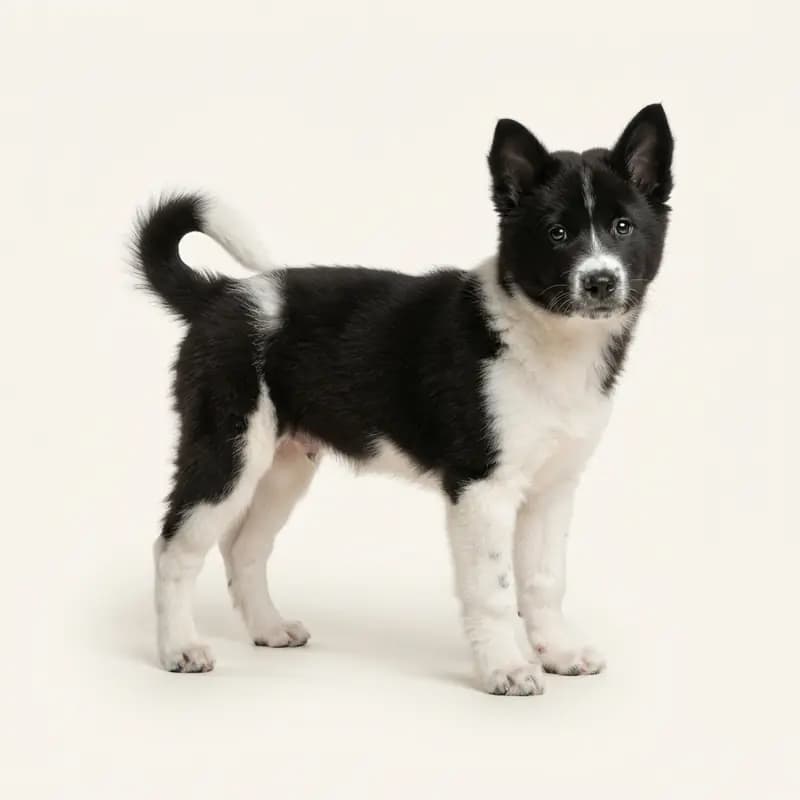 Illustrative image
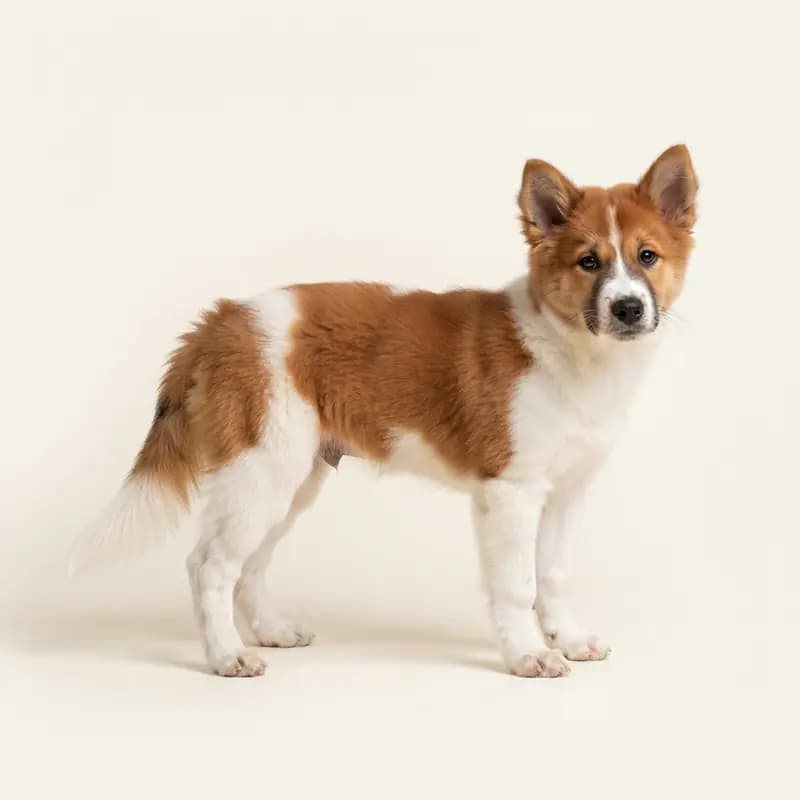 Illustrative image
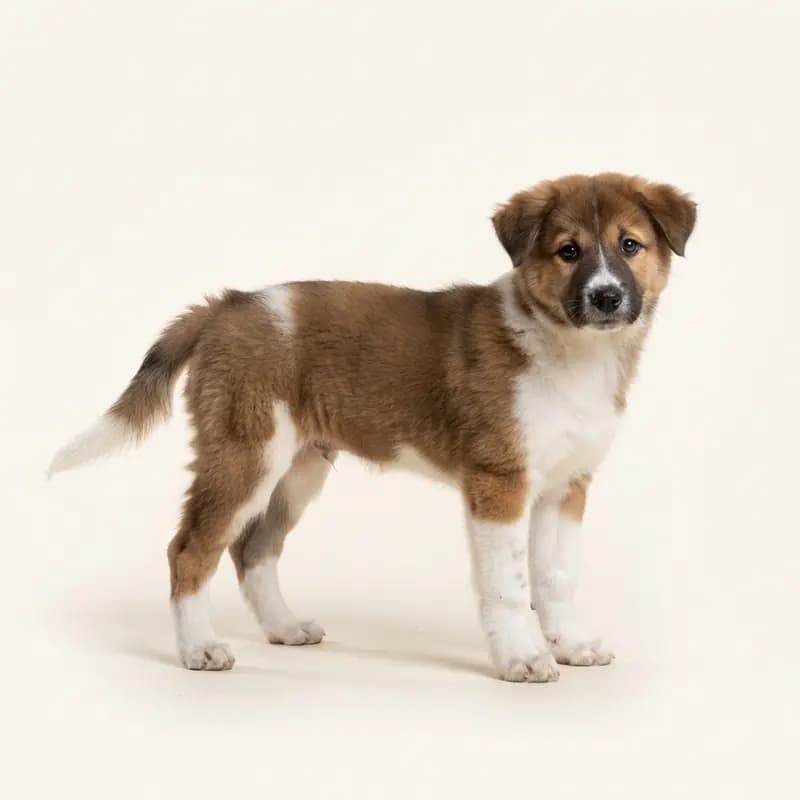 Illustrative image
The origins of the Thai Bangkaew Dog are firmly rooted in Thai culture. The breed originates from the village of Bangkaew in Phitsanulok Province, Thailand, and dates back to the late 19th or early 20th century. A monk named Luang Puh Maak Metharee once received a dog named Boonma from a villager. Boonma mated with a now-extinct wild dog that roamed near the temple. The offspring of this pairing formed the basis for the Thai Bangkaew Dog breed. The breed was officially recognized as the Thai Bangkaew Dog in 1957 and is very popular in Thailand. Named after the village where it originated, it is still valued in Thailand as a working dog, used for herding livestock and as a guard dog. Although not well known outside of Thailand, she has gained international recognition in recent years, attracting more and more dog lovers with her loyalty, intelligence and beautiful coat.
The Thai Bangkaew Dog was bred to be a guard dog and companion, known for its loyalty and protective behavior.
Bangkaew, Thailand
1900
With its own family, owners describe the Thai Bangkaew Dog as a very affectionate companion that sticks to them almost like a shadow. It forms an unusually close bond with its main people, is cuddly and playful, and actively seeks closeness. Many owners value how alert it is: on its own property hardly a sound or movement escapes it, and it reliably announces anything unusual.
At the same time, experienced owners point out that this strong territorial and protective drive calls for very forward-thinking management day to day. The breed rarely greets strangers with open enthusiasm; instead it meets them with a lot of distance or real suspicion. When visitors come over, the dog needs careful guidance from puppyhood, because without clear leadership it will forcefully try to secure its territory.
Owners also report two sides when it comes to being left alone. A well-exercised Bangkaew rests fairly independently in familiar surroundings, but with frustration, boredom or a separation that comes too suddenly, some dogs tend to rearrange the house or yard or bark for long stretches. Owner reports therefore consider the breed a challenge for families with a lot of visitors or for inexperienced owners.
Sources:wagwalking.comhunderasse.dereddit.competinnate.comforum.hundund.de
On training, people who know and own the breed keep emphasizing how intelligent the Thai Bangkaew Dog is. It learns rules and cues in a flash and, with the right motivation, is very willing to work. Still, many warn against mistaking this intelligence for blind obedience. As an original spitz type, it brings a great deal of independence and questions tasks when it doesn't see the point or when its bond with its person isn't right.
Owners often describe very early, intensive exposure to the world and socialization as an absolute must. Without clear, calm leadership, Bangkaews tend to make their own decisions, especially when meeting other dogs or dealing with strangers. According to owners, the breed doesn't forgive harshness or pressure at all; it responds with refusal, mistrust or open defensiveness.
On walks, many owners also notice a clear prey and hunting drive, which is why reliable off-leash freedom in areas with a lot of wildlife often takes years of consistent recall training. Owners agree that the Thai Bangkaew Dog belongs with people who already have experience with independent primitive or livestock guardian breeds.
Sources:hunderasse.dereddit.competinnate.comforum.hundund.demilouchouchou.com
When it comes to vitality, owners describe the Thai Bangkaew Dog as a primitive, weatherproof and physically very resilient dog. It loves long walks and time outdoors, but above all it also needs mental stimulation so it doesn't become unsettled. Because the breed is rare outside Thailand, reports of chronic hereditary diseases are scarce, but responsible owners point to screening for hip dysplasia (HD) and hereditary eye exams.
On grooming, the seasonal shed gets the most attention. While the dense double coat with its mane is surprisingly good at shedding dirt day to day and usually just needs regular brushing, owners report huge amounts of undercoat coming out during the shed. During this phase, daily combing is a must to prevent mats.
Owners also note that the breed can be quite sensitive to startling noises (such as heavy thunderstorms or fireworks) and that a well-fenced property is a must, since insecure dogs tend to try to escape if they aren't properly secured. With proper care and enough to do, though, it is considered a hardy breed with a fairly long life expectancy.
Sources:wagwalking.competinnate.comrocadog.comaseannow.competbook.de
Paraphrased from real owner reports · translated from German
The Thai Bangkaew Dog is an active dog that needs plenty of exercise and mental stimulation. Research the temperament, grooming needs, and space requirements before deciding.
The average life expectancy of a Thai Bangkaew Dog is 12-15 years. With proper care and regular vet visits, your dog can live a long, healthy life.
Thai Bangkaew Dog grooming requirements include regular brushing, nail trimming, and dental care. HonestDog provides detailed grooming tips for every breed.
The Thai Bangkaew Dog can be a great family dog. Proper training and socialization are key. HonestDog provides family suitability information for every breed.
The Thai Bangkaew Dog comes in these colors: Piebald, Black and white, Red and white, Brown and white, Tricolor.
Showcase your kennel on HonestDog and reach families searching for a responsibly bred Thai Bangkaew Dog.