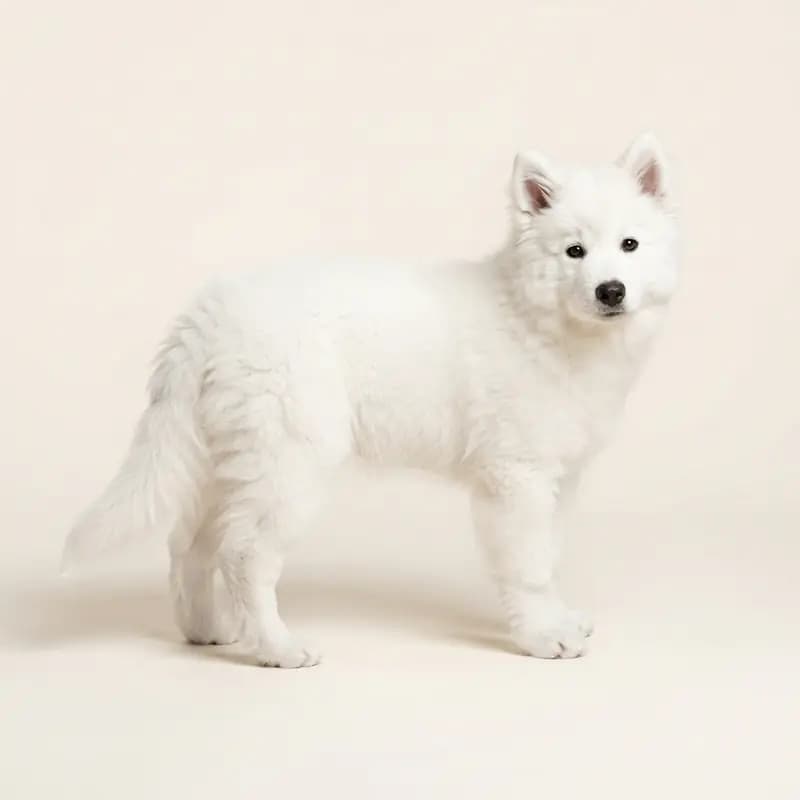
Chow ChowClose relative
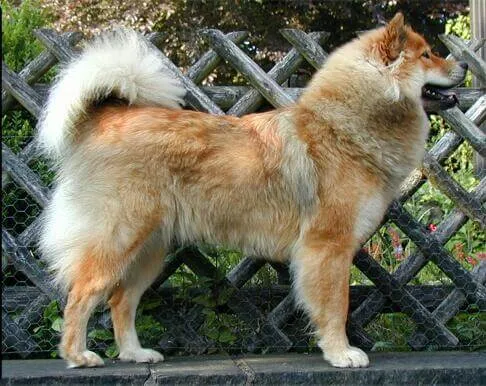
The Eurasier is a balanced family dog that forms a strong bond with its people—bred as a calm companion dog that combines the original nature of the Spitz with an incredibly high threshold for stimulation and a very low prey drive.
How the health grade is calculated
Sources for required breeding screenings. Eurasier-Klub e.V. Sitz Weinheim
Self-check
Answer 6 quick questions about your everyday life and see how well the Eurasier fits you — including an honest cost estimate per month, per year, and across the dog's lifetime.
At a glance
The essentials — key facts, traits, and health priorities — before you dive deeper.
Lifespan
12–14 yrs
Shoulder height
48–60 cm
Weight
18–32 kg
Practical
Temperament
Daily life
What matters most
Especially with a Eurasier, choosing the right breeder is the single most important decision you'll make. Serious breeders consistently test the parents for inherited conditions, prioritize healthy early socialization, and stay accountable long after handover. A cheap puppy without health screening tends to become the most expensive dog later on.
See HonestDog breeder standards →Colors & coat
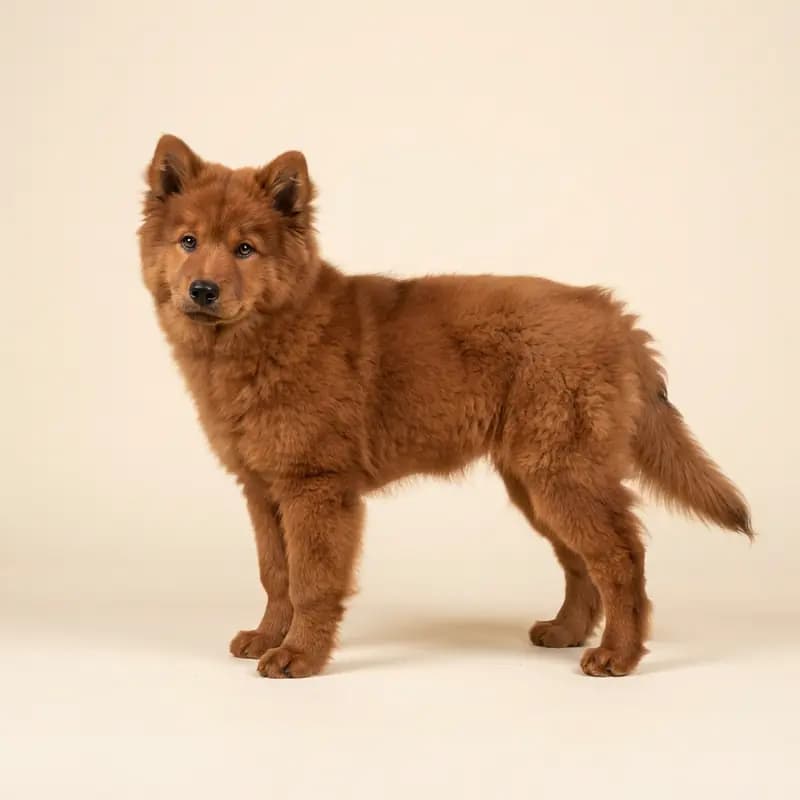
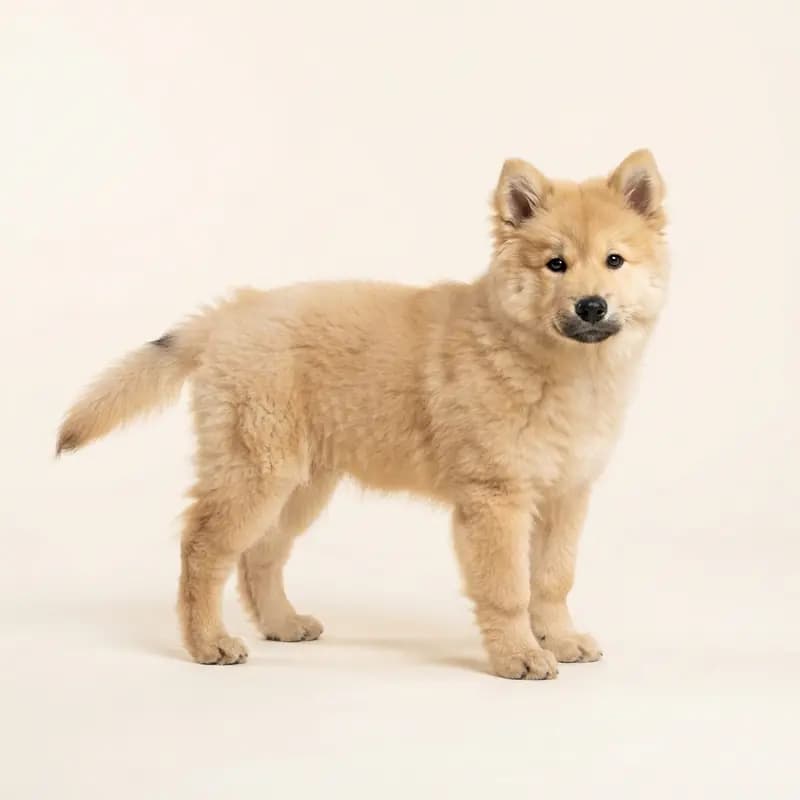
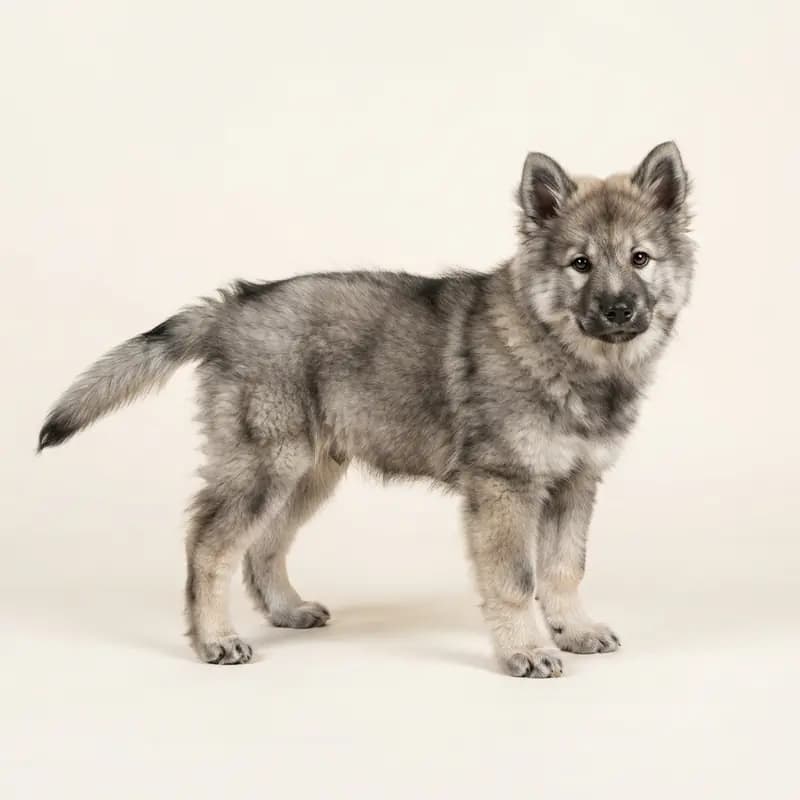
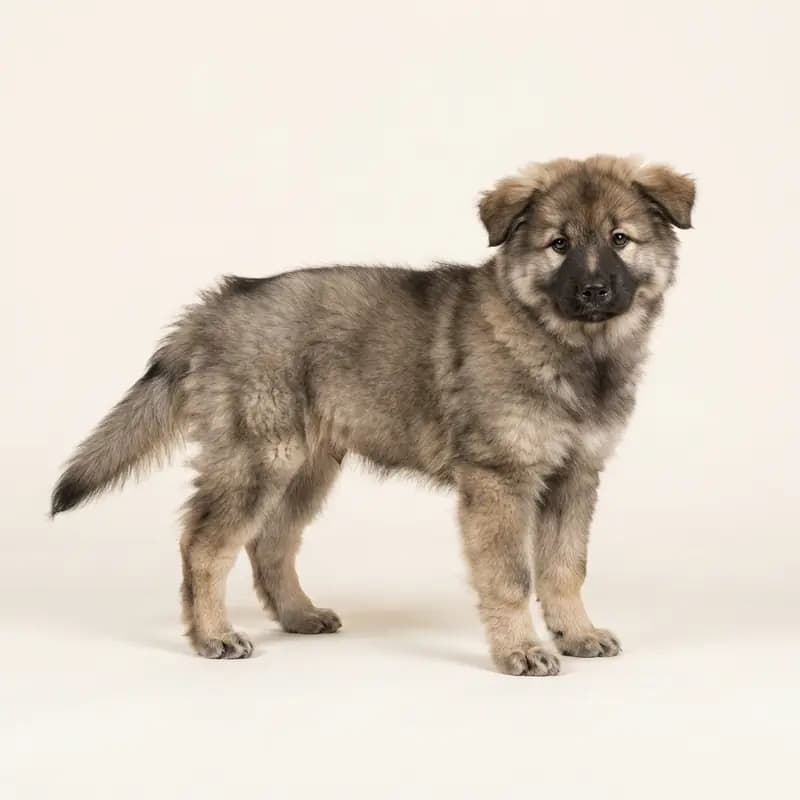
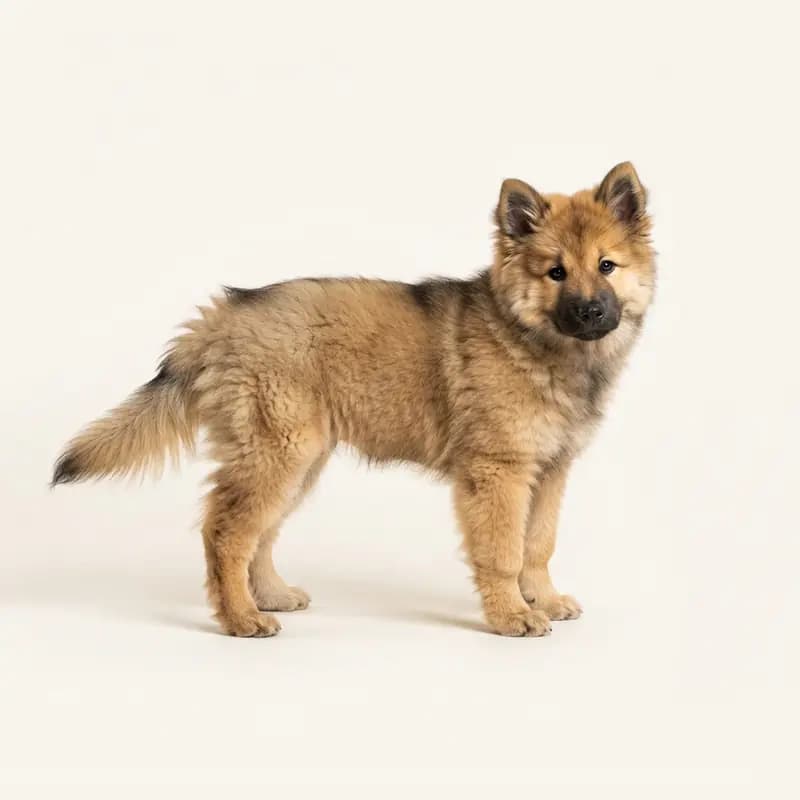
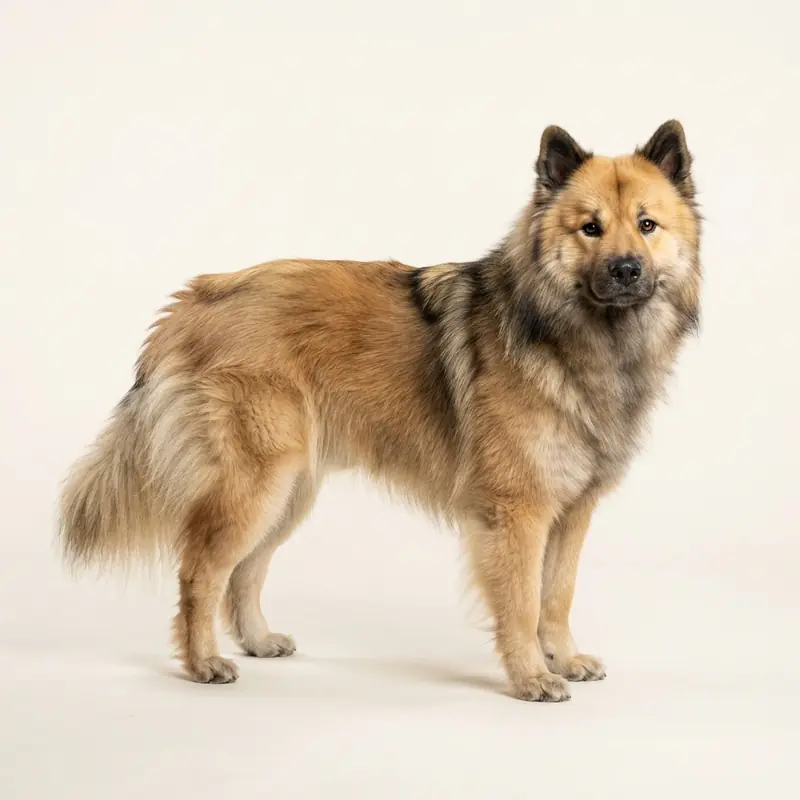
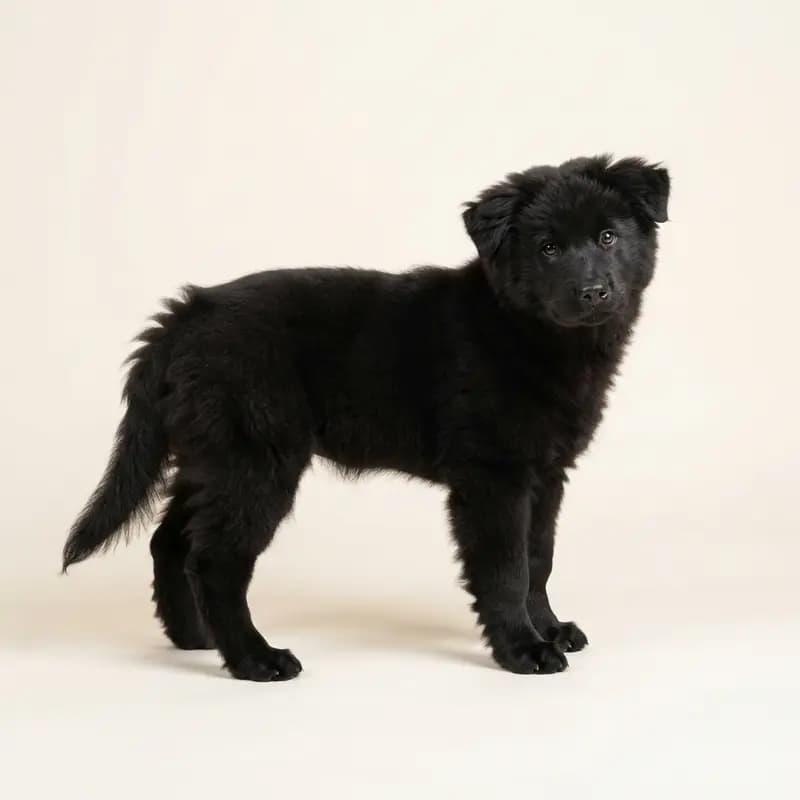
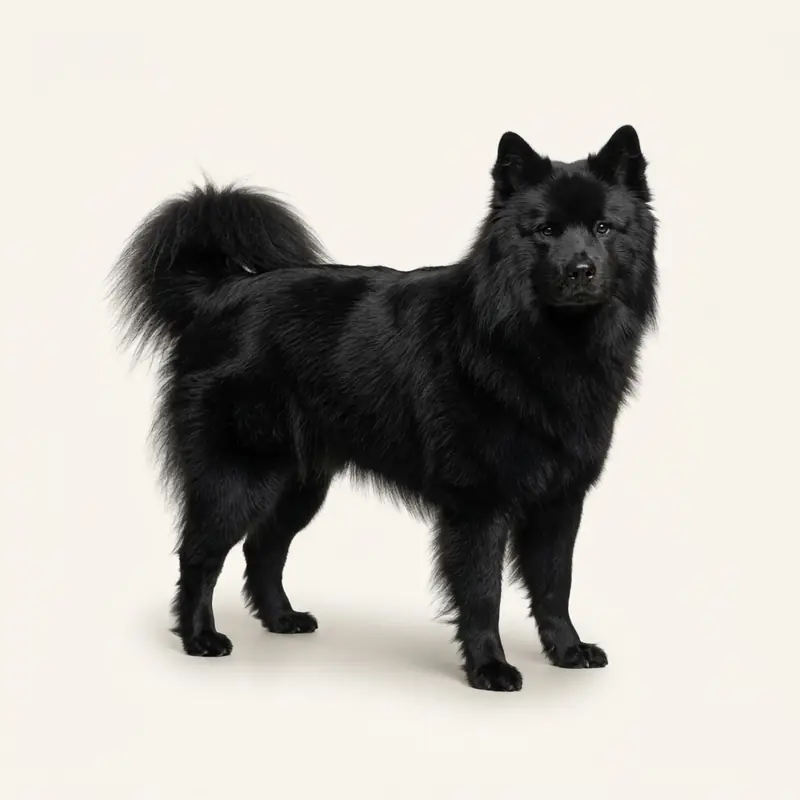
The coat colors that occur in the Eurasier — including which ones fall outside the breed standard and which carry genetic risk.
Eye colors
 Brown
Coat type
 Medium
 Double coat
The real vibes check
A Eurasier never loudly pushes itself into the spotlight—it is the quiet observer on the sidelines who knows exactly who belongs to its exclusive inner circle. You won't get an entertainer who performs every trick blindly for a treat, but rather a deeply relaxed partner who gives you its affection quietly, yet unconditionally.
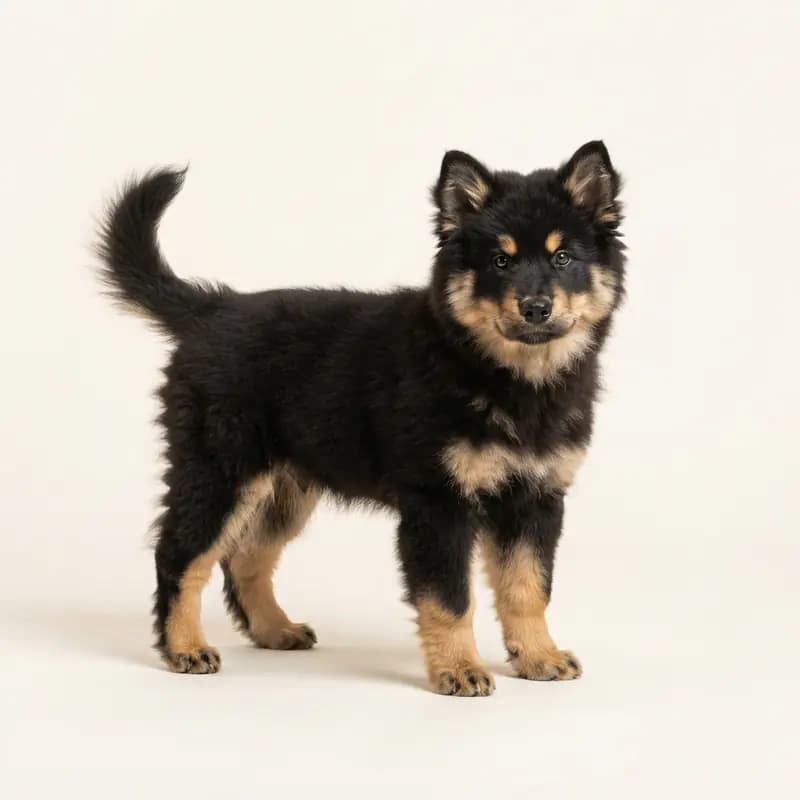
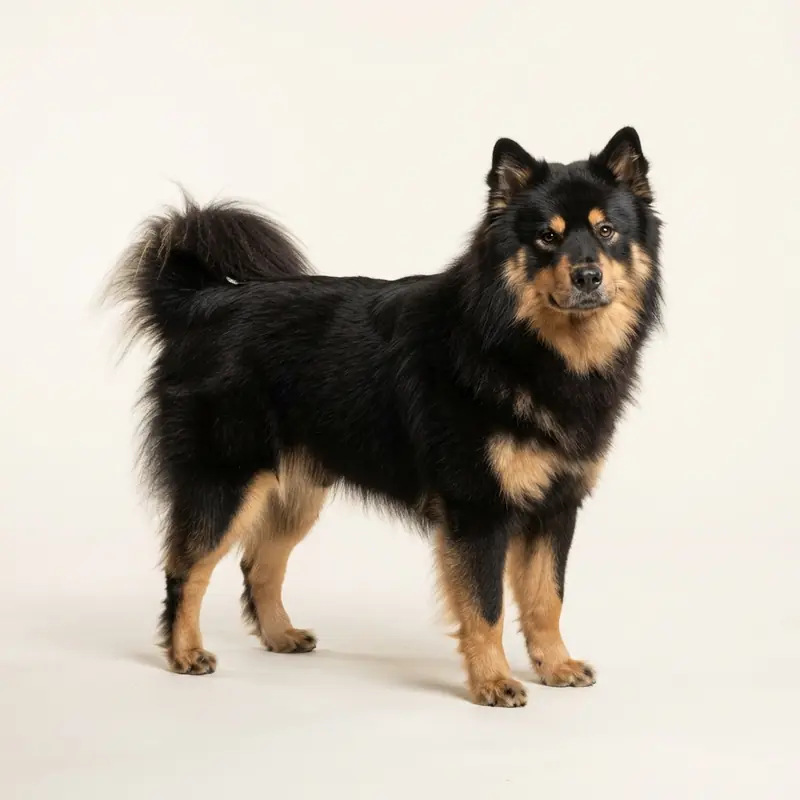
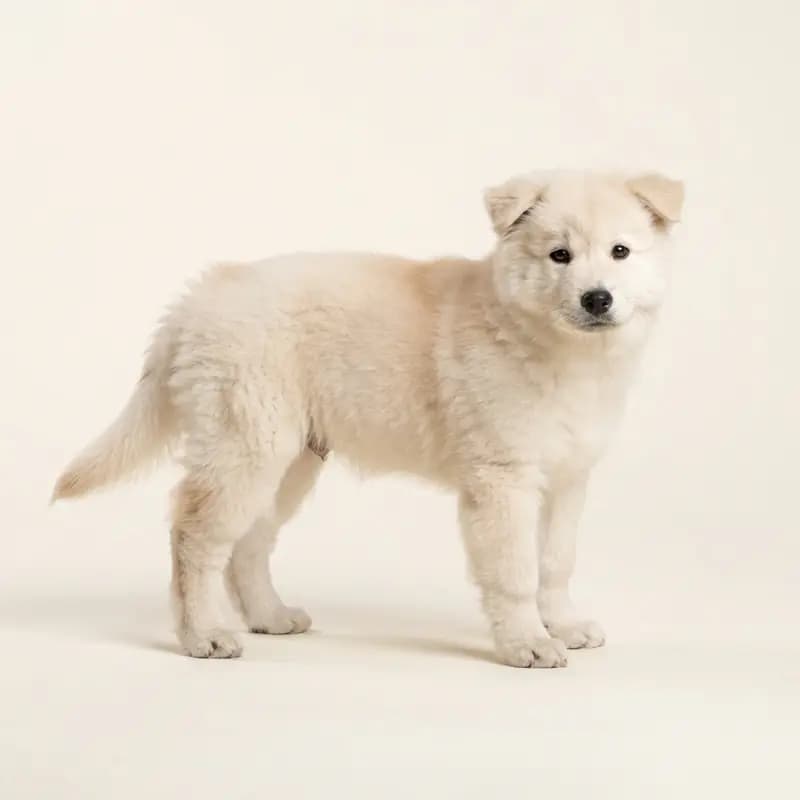
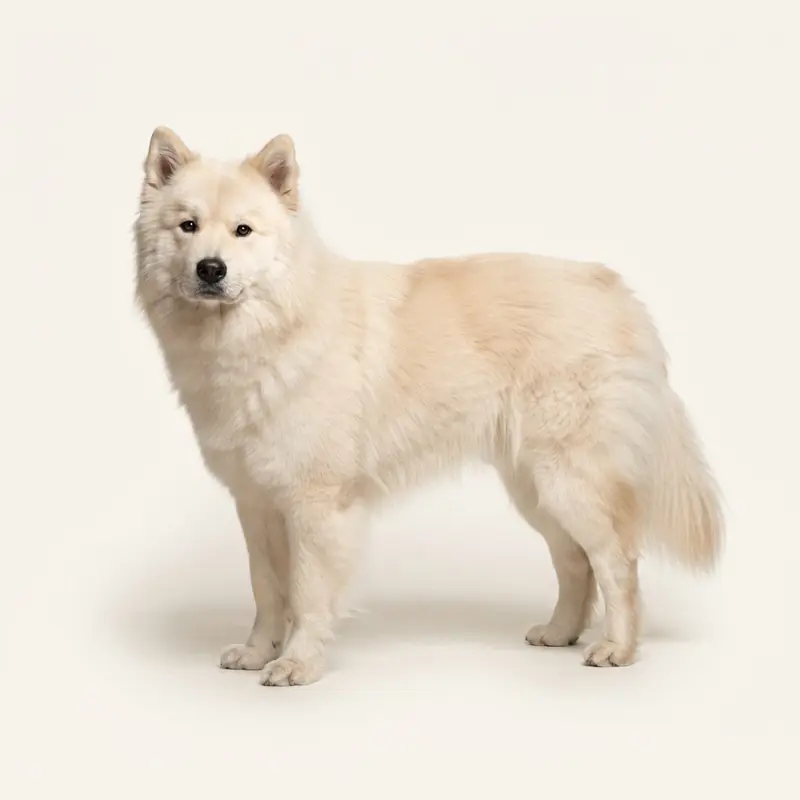
The Eurasier is a medium-sized dog with a distinctive and beautiful coat. He has a strong and well-proportioned stature with good bone strength, giving him a harmonious and balanced appearance. His face is characterized by dark, almond-shaped eyes and triangular, set-on ears, which emphasize his friendly and attentive charisma. This dog belongs to FCI Group 5 of Spitz and Urtyp dogs. The Eurasier is purely a family dog and there is no distinction between performance and show lines.
The Eurasier is an excellent family dog, known for its gentle and even-tempered temperament. He is extremely devoted to his family and displays impressive loyalty and love for those close to him. Despite his strong bond with his family, he is rather reserved and cautious towards strangers, but without being fearful or aggressive. Eurasiers are generally calm and easy-going dogs. They are not hyperactive, but still require daily exercise and mental stimulation to stay happy and healthy. This dog has a strong independence and is not as easily impressed as some other breeds. Nevertheless, he is very people-oriented and loves the company of his people. It is important to note that Eurasiers do not like to be left alone. They tend to develop separation anxiety when left alone for long periods of time. In general, Eurasiers are not known for strong hunting or prey-catching behavior. However, there can always be exceptions, so it is important to look at the dog as an individual and not just rely on breed characteristics. In terms of alertness, the Eurasier has a natural alertness and is always alert to his surroundings. However, he does not bark excessively and will only bark when he sees a reason to. This makes him a good watchdog without being a problem for the neighborhood. Although the Eurasier is a loving and gentle dog, he still needs consistent and loving training. With the right training and lots of positive reinforcement, the Eurasier can become a wonderful and loyal companion dog, well able to integrate into family life and accompany its people wherever they go. The Eurasier is a special dog whose unique mix of loyalty, gentleness and independence makes him a valuable member of any family. With his calm and balanced nature, his impressive appearance and his deep connection to his people, the Eurasier is a true treasure in the world of dogs.
| Watchfulness Reports unusual activity but stays controlled. | Moderate |
| Openness to Strangers Warms up quickly and is generally welcoming. | Friendly |
| Hunting or Herding Drive Mild interest in movement and small animals — easily managed. | Low |
Fun Fact!
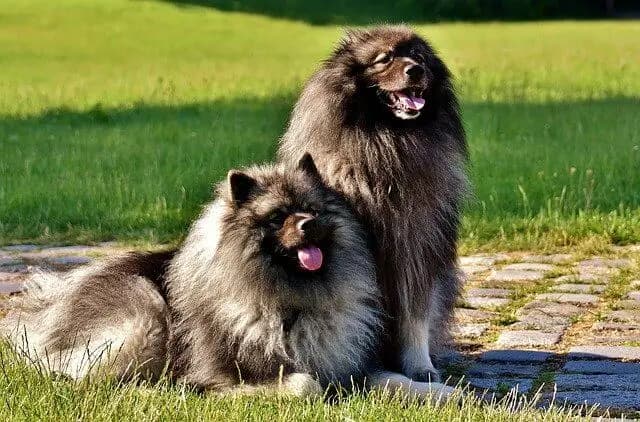
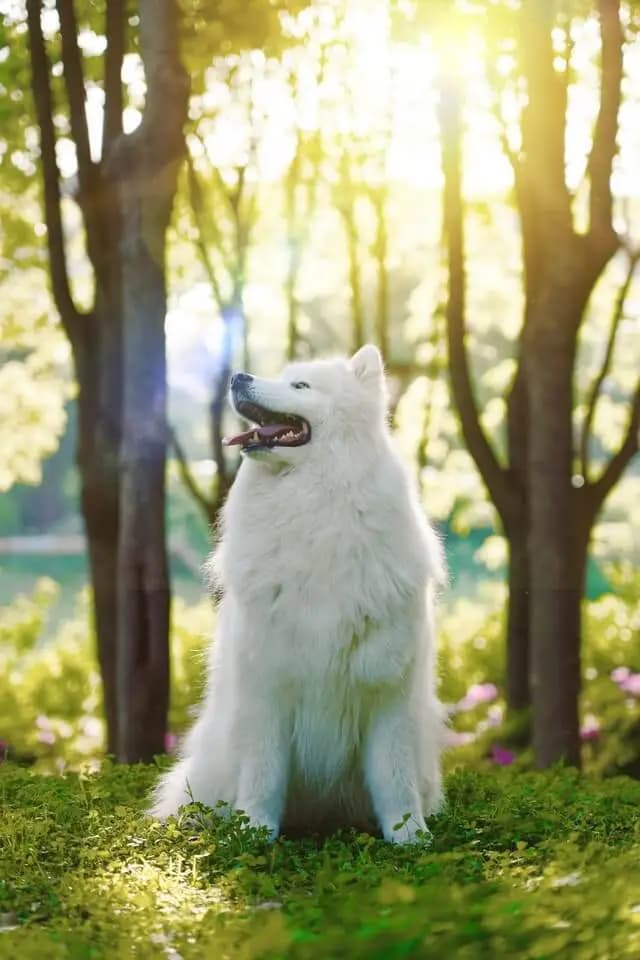
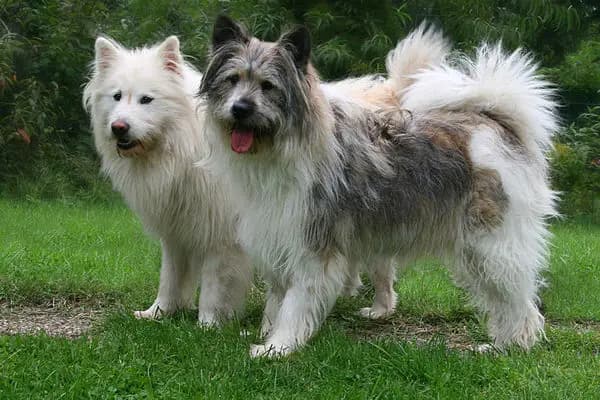
The name "Eurasier" is a combination of the names of its original breeding breeds - the Chow Chow from Eastern Europe and the Samoyed and the Keeshond from Asia.
Eurasiers are alert, calm dogs that are often friendly but distant towards strangers. With appropriate training and exercise, Eurasiers can be good family dogs.
The Eurasier is an adaptable dog and can live in both a city apartment and a house with a garden. They are quiet dogs and don't bark much, which makes them good city dogs. They get along well with children and can make great family dogs. They are also generally tolerant of other pets, including cats, especially if they are used to them from an early age.
Lives for its family — the born family companion.
Takes boisterous and affectionate children in its stride.
Actively enjoys the company of other dogs.
Adapts well to city living and urban environments.
Owning a dog is a privilege, but it's also a real responsibility. Before you bring one into your life, be honest with yourself about the commitment it takes.
Eurasiers are intelligent dogs that are willing and able to learn. They respond well to positive reinforcement and reward-based training techniques. It is important to start training at a young age and continue it consistently. This breed has a certain independence that needs to be taken into account during training. It is important to keep the training interesting and varied so that the Eurasier stays motivated. Sports like mantrailing or dog dancing can be a great way for the Eurasier to keep his mind and body busy. At the same time, exercises for frustration tolerance and impulse control should also be firmly anchored in the training plan in order to help the Eurasier to steer his independence in an orderly manner. Although the Eurasier likes to be active and busy, it is also important to watch for signs of stress or overwork. An over-employed dog can be just as unhappy as an under-employed dog. It is important to find a healthy balance.
Eurasiers require a balanced diet to stay healthy. As with any dog, their diet should contain a good source of animal protein, along with carbohydrates for energy, fats for skin and coat health, and a variety of vegetables and fruits for vitamins and minerals. Caring for the Eurasier is relatively straightforward. They have a medium-length coat with a dense undercoat that should be brushed regularly to prevent matting and excessive hair loss. They shed particularly during the shedding phases in spring and autumn. Their fur is well suited to the climate in Germany; they can cope with both cold and warm temperatures, but in very hot temperatures you should ensure there is enough shade and enough water.
| Care Level Regular brushing and occasional professional grooming. | Moderate |
| Exercise Needs Needs 1–2 hours of real exercise daily. | Active |
| Shedding Hair everywhere, always — no white clothing survives. | Very heavy |
| Trainability Willing to learn with clear rules and regular training. | Balanced |
Our experts are still reviewing this information. Spotted something wrong? Email us at info@honestdog.de.
Solid
Health grade
In the Eurasier, the health risk lies primarily in hypothyroidism, hip dysplasia (HD), and eye diseases such as distichiasis and cataracts. The Eurasier-Klub e.V. Sitz Weinheim mandatorily requires an unremarkable examination for hypothyroidism for breeding approval. Responsible breeders additionally have the joints X-rayed for hip dysplasia (HD A–B) and elbow dysplasia (ED 0–1) and carry out genetic tests for cerebellar hypoplasia (VLDLR). Before buying a puppy, ask to see the official findings for the thyroid, the expert reports on HD and ED, and proof that at least one parent is clear of cerebellar hypoplasia (VLDLR) if the other is a carrier.
Grade is relative to other breeds — AI-assisted and editorially reviewed.
Methodology and data: HonestDog Dog Breed Health Report 2026
What matters most for this breed
Tap any item to see details.
With joint-friendly rearing, weight control, and regular veterinary checks of the eyes and thyroid, most dogs remain fit and active for a long time.
Responsible breeders provide proof of the mandatory thyroid examination and additionally screen voluntarily for hip dysplasia (HD) as well as cerebellar hypoplasia (VLDLR).
Note: This health overview is AI-assisted and editorially reviewed. It is for orientation only and does not replace veterinary advice.
What matters most for this breed — what's common, how much it affects the dog's life, and how to protect yourself as a buyer.
Tap a body region to see the inherited conditions linked to it.
The three most important risks
Pick a region on the map to explore other areas.
Tier 1 reflects the tests Eurasier-Klub e.V. Sitz Weinheim actually mandates. Tiers 2 and 3 show how responsible breeders go beyond.
Club standard. Eurasier-Klub e.V. Sitz Weinheim requires these tests for breeding approval. Ask any reputable breeder for the results.
Not health tests, but required for breeding: the club asks for these results too. They don't count toward the risks or the rating.
Wesensbeurteilung
Required by Eurasier-Klub e.V. Sitz Weinheim
Acceptable result: Erfolgreich bestandene Körung
Note: This health overview is AI-assisted and editorially reviewed. It is for orientation only and does not replace veterinary advice.
A Eurasier costs around ~€190 per month (€100 – €350, depending on your setup). The first year adds up to roughly ~€5,800 including purchase, equipment and puppy school; across the dog's life (13 years) it comes to about ~€32,490.
With surgery cover, running costs come to about ~€190 per month — in return, your share of a major operation drops from several thousand euros to around 20 percent.
Per month
~€190
In the first year
~€5,800
Across the dog's life
~€32,490
Estimated purchase price from a breeder: €2,000 – €3,500
Estimate at a mid-range setup (suburban, dry food, 1–2 hours of daily exercise), average German prices, as of July 2026.
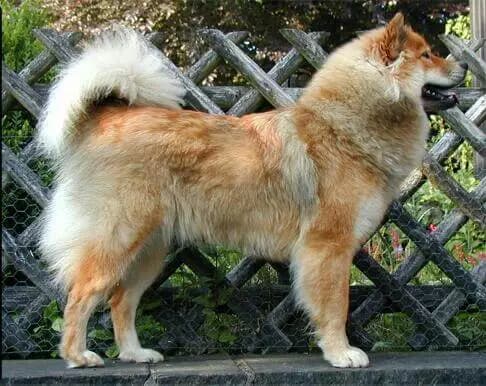
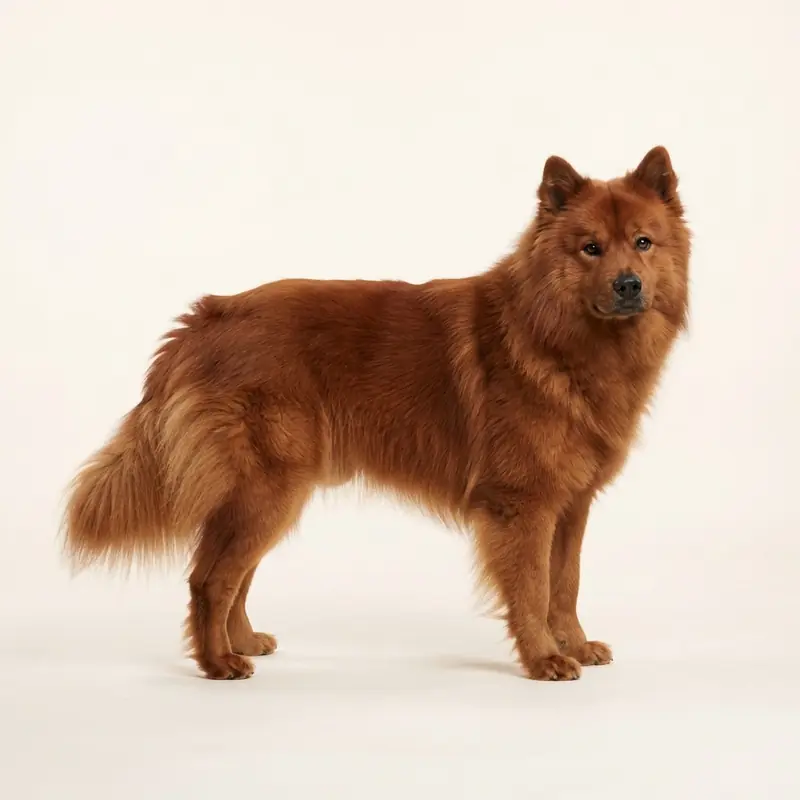 Illustrative image
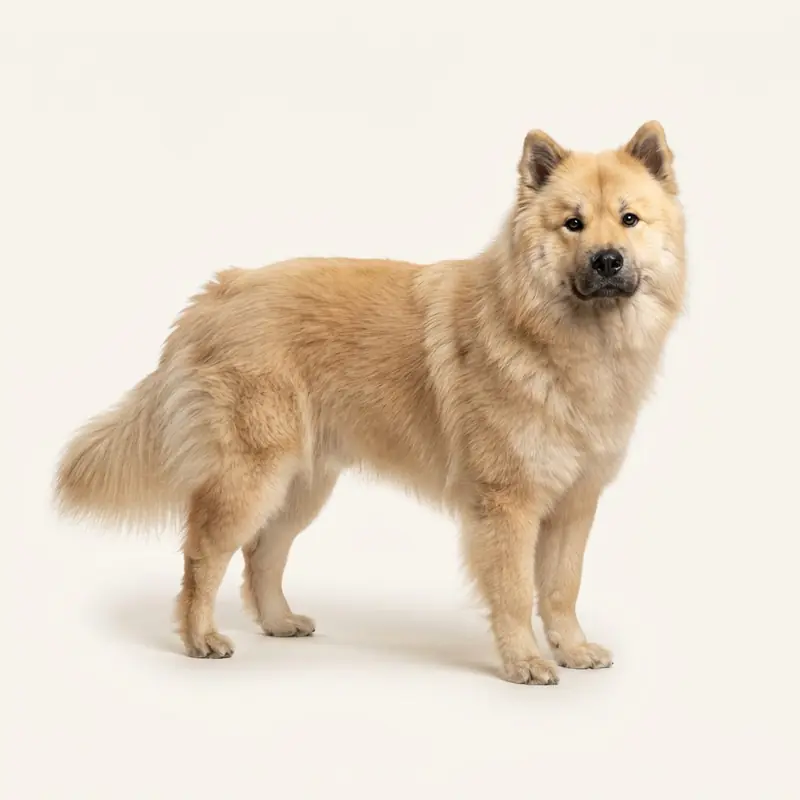 Illustrative image
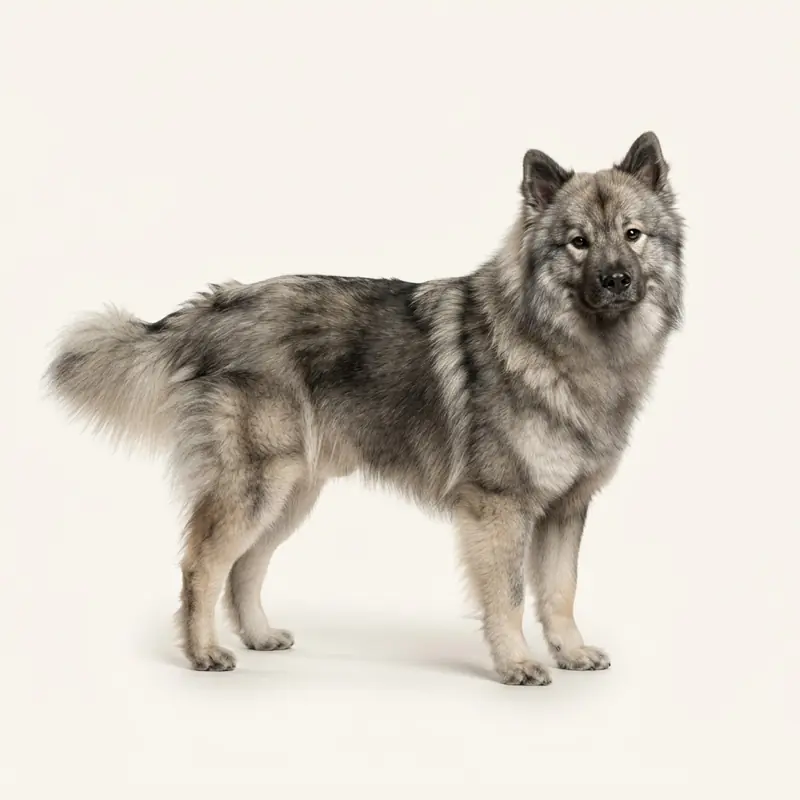 Illustrative image
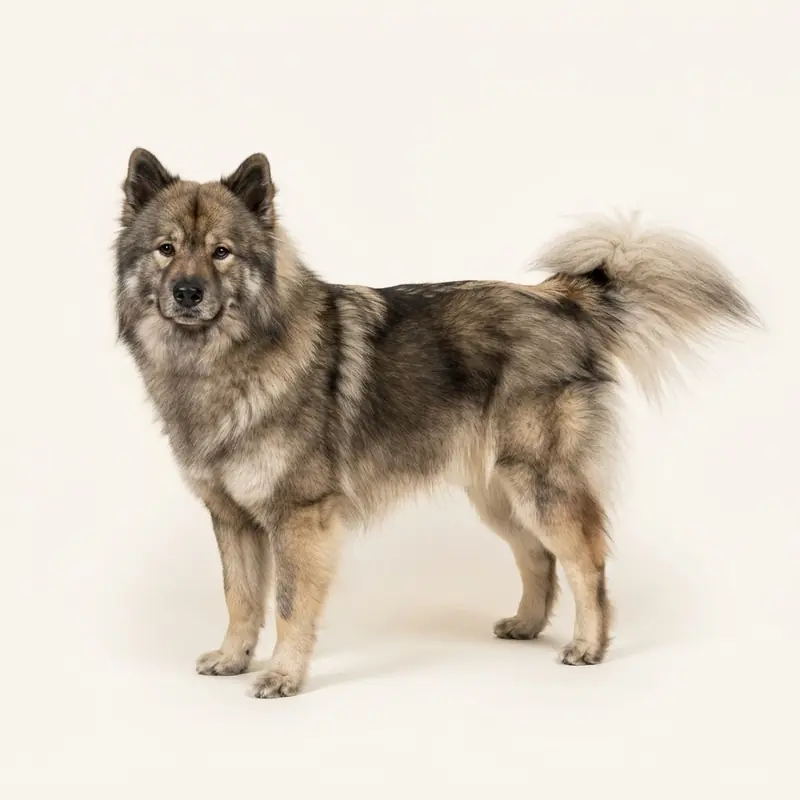 Illustrative image
The Eurasier breed was developed in Germany in the 1960s with the aim of breeding a family dog with the best characteristics of the Chow Chow, Keeshond and Samoyed - its ancestors. Breeder Julius Wipfel, along with Charlotte Baldamus and a small group of dog lovers, worked to create a breed that combined the appearance and robustness of a primitive dog with the gentleness and affection of a modern companion dog. The result of this work was the Eurasier. The breed was recognized by the FCI in 1973 and has since gained a loyal following in Europe and beyond.
The Eurasier was bred as a companion dog with a balanced temperament and is known for its family friendliness.
Germany
1960
In family life, many owners describe the Eurasier as an unusually pleasant, unobtrusive, and calm housemate. Indoors it's usually very relaxed and notably quiet; it will alertly announce anything unusual, but it is not a yappy dog. It forms a deep bond with its own family and shows a lot of sensitivity, while it often meets strangers with the cool reserve typical of spitz breeds, without being aggressive.
At the same time, owner accounts point to a clear downside of this deep bond: many Eurasiers find it hard to be left alone. They want to be part of daily life as full members of the family, which is why fans of the breed consider long separations, let alone kennel living, completely unsuitable. Some owners also describe their Eurasier as a bit "catlike" or particular about petting. It often seeks closeness entirely on its own terms and usually doesn't like being crowded or fussed over too much.
On training, experienced owners agree that the Eurasier doesn't have a strong "will to please." It learns quickly and often understands commands in a flash, but it questions mindless repetition and refuses to cooperate when an exercise seems pointless to it. In traditional training classes, owners therefore often run into trainers who don't get the breed and are quick to label the dog stubborn. Yet conventional pressure or harshness quickly makes this sensitive breed shut down completely. Smooth everyday obedience works best through mutual trust, patience, and positive motivation.
When it comes to hunting drive, owner experiences vary. Some owners report almost no interest in wildlife, while in other dogs the Chow Chow or Samoyed ancestry clearly shows. Small animals, mice, or birds taking off in particular trigger a spontaneous urge to give chase on sight in many Eurasiers. Owners therefore unanimously advise working on a reliable recall and early impulse control from puppyhood, instead of blindly counting on the dog not to hunt.
In breed forums and communities, the Eurasier's health is largely rated as very robust, and the breed is considered long-lived; owners often credit controlled breeding and strict club requirements for this. As a typical descendant of Nordic breeds, it loves cold, wet weather and snow, but it clearly suffers in summer heat. Owners report that their dogs get sluggish on hot days, look for cool tiles to lie on, and that summer vacations in the south can be a real ordeal.
When it comes to grooming, many owners dispel the myth that the abundant coat is impossibly high-maintenance. Outside of shedding season, weekly brushing is usually enough, since the outer coat rarely mats, except for the soft areas behind the ears. Owners do warn about the coat changes that happen twice a year, though: during this phase Eurasiers shed huge amounts of dense undercoat, which means daily combing for several weeks and a house covered in hair. Owner circles also unanimously warn against neutering without careful thought, since in many dogs it can lead to excessive, hard-to-manage undercoat growth (owners call it "spay coat" or "neuter coat").
Sources:hundeforum.comhaustiermagazin.comfressnapf.demit-tier.de
Paraphrased from real owner reports · translated from German
The Eurasier is an adaptable dog that adjusts well to various lifestyles. Research the temperament, grooming needs, and space requirements before deciding.
The average life expectancy of a Eurasier is 12-14 years. With proper care and regular vet visits, your dog can live a long, healthy life.
Eurasier grooming requirements include regular brushing, nail trimming, and dental care. HonestDog provides detailed grooming tips for every breed.
The Eurasier can be a great family dog. Proper training and socialization are key. HonestDog provides family suitability information for every breed.
The Eurasier comes in these colors: Red, Fawn, Wolf grey, Agouti, Sable, Black, Black and tan, Cream, White, Liver. Colors that fall outside the breed standard are marked as such on the breed page.
Showcase your kennel on HonestDog and reach families searching for a responsibly bred Eurasier.