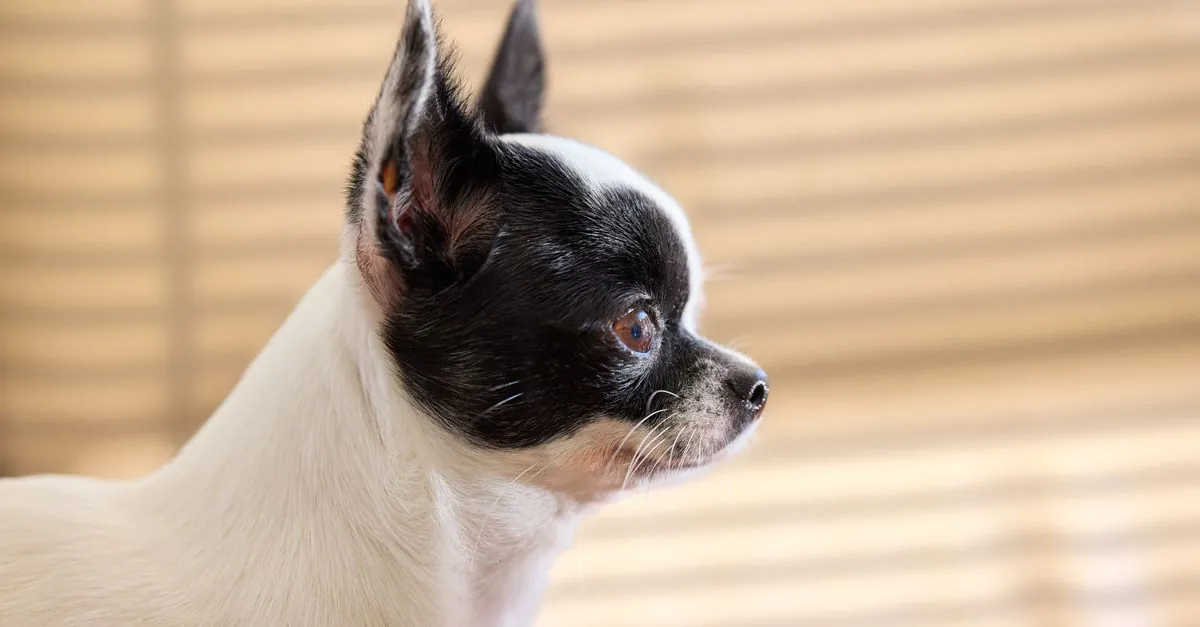
German dog breeds are seeing a surge in search queries across search engines in October 2026, as classics like the German Shepherd Dog, the Dachshund, and the Poodle enjoy a remarkable revival. This renewed interest follows recently published annual statistics from the Verband für das Deutsche Hundewesen (VDH) and the pet registry TASSO e.V., highlighting a fascinating shift in how people live with dogs. As crisp autumn walks through colorful leaves call us outside, German dog breeds in profile are stepping into the spotlight—owners in 2026 are actively seeking sturdy, robust, and reliable companions. When you understand the historical working roots of these dogs, managing everyday life together becomes much more relaxed and rewarding.
Behind the Search Trend in October 2026: What the Numbers Reveal
The sudden spike in searches for a "German dog breed" in autumn 2026 isn't a coincidence; it reflects a healthy market adjustment following the pandemic-era dog boom. According to the latest VDH puppy statistics covering 2025, the total number of puppies registered through affiliated clubs dropped to around 55,000 to 56,000—the lowest level since 2008. Yet amid this broader decline, traditional German breeds continue to dominate the top ranks: the German Shepherd Dog leads the VDH rankings unchallenged with 6,374 puppies, followed closely by the Dachshund in second place with 4,508 new registrations.
The latest figures from animal welfare organization TASSO e.V., widely discussed in late October 2026, paint a similar picture. While crossbreeds (92,976 new registrations) and the Labrador Retriever (13,109) top the overall registry, the German Shepherd Dog (4th place with 7,963 registrations), the Dachshund (holding steady in 8th place with 3,254 dogs), and the Miniature Poodle (10th place with 3,202 registrations) prove how firmly German bloodlines remain anchored in modern family life. At the same time, data from the German Pet Supplies Industry Association (IVH) and the Pet Trade Association (ZZF) indicate that roughly 10 million dogs live in 8.3 million German households—showing a clear preference for compact sizes between 5 and 10 kilograms that adapt seamlessly to urban apartment living.
German Dog Breeds in Profile: Top Representatives and Their History
More than 30 breeds recognized by the Fédération Cynologique Internationale (FCI) trace their origins to Germany. Almost every single one was originally bred for specific working duties alongside people. Exploring their traits in our extensive breed overview reveals three key foundations of German breeding heritage:
- Working and herding dogs (German Shepherd Dog, Rottweiler, Boxer, Hovawart): Standardized in the late 19th century, particularly the German Shepherd Dog as a versatile herder and service worker. These breeds stand out for their trainability, mental resilience, and natural protective instincts.
- Hunting and earth dogs (Dachshund, German Wirehaired Pointer, Weimaraner, Small Münsterländer): The Dachshund was developed over centuries to work underground independently, pursuing badgers and foxes into their burrows. That famous soulful expression can easily hide the fact that underneath lies a bold, decisive hunting specialist.
- Companion, guard, and watchdog breeds (Poodle, German Spitz, Eurasier, Kromfohrländer): While the German Spitz historically guarded homesteads and the Affenpinscher kept port cities like Lübeck free of vermin from the 16th century onward, the Eurasier was thoughtfully developed in the 20th century as a calm, family-oriented companion without strong hunting drive.
Instincts Meet Modern Life: Lifestyle Tips for Your Daily Routine
A breed's historical heritage doesn't simply vanish because a dog now curls up on a living-room sofa in Berlin, Munich, or Hamburg. Many behavioral issues stem from underestimating former working breeds in a quiet domestic environment. Here are practical adjustments to bring out the very best in your companion:
1. Scent work over repetitive ball throwing on autumn walks
October trails lined with thick autumn foliage offer the perfect playground for German hunting and working breeds. Instead of winding up your German Shepherd Dog, Boxer, or Dachshund with frantic games of fetch, focus on calming nosework. Hide a food pouch under damp leaves or lay a short scent trail with treats during your walk. Just 10 minutes of focused scent tracking works a Dachshund's or Weimaraner's mind far more effectively than an hour of continuous jogging, leaving them settled and content back at home.
2. Back-friendly home setups for Dachshunds
With the Dachshund's growing popularity in city apartments, protecting their long spine is an essential daily priority. Make sure your Dachshund doesn't jump down from cars or regularly climb several flights of stairs. A simple fix: place a shallow, non-slip ramp against your couch and keep your dog lean. Even a few grams of extra body weight place unnecessary stress on delicate intervertebral discs.
3. Dedicated rest zones for alert watchdogs when working from home
Breeds like the German Spitz, Schnauzer, or Hovawart carry deep genetic instincts to guard their territory. When the delivery driver rings the doorbell, they naturally feel duty-bound to alert you. Relieve your dog of that responsibility by keeping their bed away from hallways or floor-to-ceiling windows facing the street. Placing their bed in a quiet corner of the room signals that they're off duty and you have the entrance covered.
4. Coat and paw care for damp autumn days
Many German breeds—from the Longhaired Dachshund to the German Shepherd Dog and Poodle—have either thick double coats or demanding grooming needs. After walks in wet autumn weather, always towel-dry their dense undercoat with a microfiber cloth to prevent painful hot spots (acute moist dermatitis). You can find more comprehensive guides on grooming, vaccination schedules, and health care in our Knowledge Hub.
Health and Responsibility When Choosing a Dog in 2026
The flip side of breed popularity is the rise of unscrupulous, unregulated breeding. Because reputable breeders vet prospective homes carefully and often manage waiting lists, impatient buyers sometimes turn to unverified online classifieds. On top of that, torture-breeding (Qualzucht) is receiving unprecedented public scrutiny in 2026. Many dog lovers are deliberately choosing classic German breeds like the Mittelspitz, Poodle, or Kromfohrländer because they have natural, healthy airways free of extreme brachycephaly. Still, when choosing classics like the German Shepherd Dog, always insist on a straight topline and verified parental screening records for hip dysplasia (HD), as detailed in our in-depth Dog Breed Health Report.
If you're planning to welcome one of these historic breeds into your home, transparent breeding standards are the foundation for a long, vibrant life together. HonestDog provides a trusted platform designed to protect you from reckless dog purchases. We connect you exclusively with thoroughly vetted, responsible breeders and established rescue organizations where verifiable health clearances, sound temperament, and animal welfare come first—turning today's search trend into a happy, lifelong partnership.
Frequently Asked Questions (FAQ) About German Dog Breeds
Which German dog breed is the most popular in 2026?
It depends on the registry you look at: in official VDH puppy statistics, the German Shepherd Dog holds 1st place with over 6,300 registered puppies, followed by the Dachshund in 2nd place. In total registrations through pet registry TASSO, the German Shepherd Dog ranks 4th as the most registered individual German breed, with the Dachshund in 8th place and the Miniature Poodle in 10th place.
Which German dog breeds are well suited for beginners and apartment living?
Not every German breed demands wide-open farmland. For dedicated first-time owners and city apartments, companion breeds such as the Poodle (especially Miniature and Toy varieties), the German Spitz (such as the Kleinspitz or Mittelspitz), the Kromfohrländer, and the larger yet calm Eurasier are wonderful choices. Compared to driven hunting lines like the German Wirehaired Pointer, they have far lower prey drive and work requirements.
What is the oldest German dog breed?
Widely considered one of the oldest German breeds preserved with few changes, the Affenpinscher dates back to the 16th century (notably around northern cities like Lübeck), where it was prized for keeping properties clear of rats and mice. The various sizes of the German Spitz and ancestral scent hounds that preceded modern Dachshunds also share centuries-deep roots across Germany.