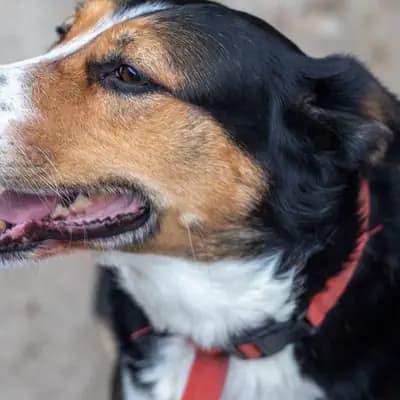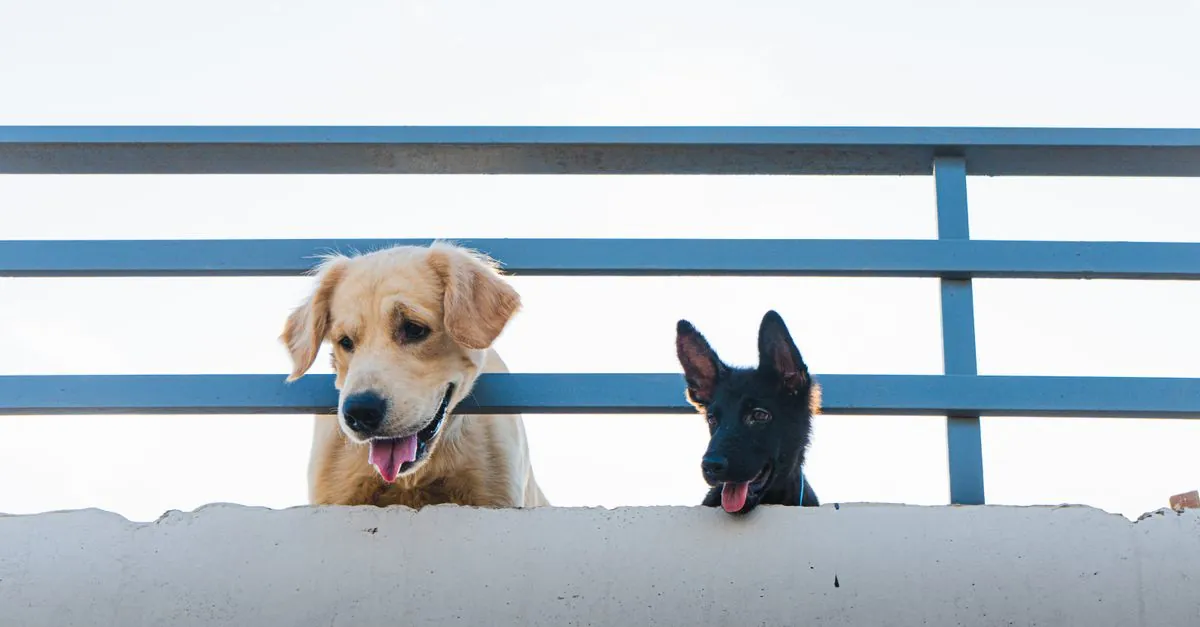
In October 2026, search queries for dogs with long ears have surged significantly. While it might look like a purely aesthetic social media trend, this damp autumn brings a serious medical context: veterinary clinics from Munich to Hamburg are currently treating a rise in acute ear canal infections. When a Cocker Spaniel, Basset Hound, or Beagle constantly shakes its head after a stroll through damp October foliage, the warm, humid microclimate trapped beneath heavy ear flaps is usually to blame. Organizations such as the German Federal Chamber of Veterinarians (Bundestierärztekammer – BTK) and the German Animal Health Association (Bundesverband für Tiergesundheit – BfT) point out that dogs with long ears now need an adjusted daily routine to prevent painful conditions like otitis externa. With targeted post-walk lifestyle adjustments and a gentle cleaning routine, you can protect your companion immediately and effectively.
Why Dogs with Long Ears Take Center Stage in October 2026
Current search trends around dogs with long ears match the seasonal turning point of October 2026 perfectly. While late summer saw dry grass awns causing veterinary emergencies as foreign bodies in ear canals, autumn brings a mix of persistent rain, fog, and dropping temperatures. When you walk your dog through wet grass or underbrush, the long, pendulous ear leather soaks up moisture just like a sponge.
There is also an often underestimated autumn factor: turning up indoor heating. When your dog returns from a walk with damp ears into a heated room, a true greenhouse effect develops beneath the heavy pinna. Because the droopy ear flap seals off the canal from the outside world, fresh air cannot circulate. According to data from the Bundesverband für Tiergesundheit e.V. (BfT), roughly one in seven dogs seen in small-animal practice is treated for inflammation of the external ear canal (otitis externa). In this warm, dark, and damp environment, yeasts (particularly Malassezia) and bacteria find ideal conditions to multiply, throwing the natural microflora of the ear skin off balance.
Scent Hounds and Floppy Ears: Well-Known Breeds and Their Anatomy
The fact that certain dogs come equipped with long ears is no accident of nature; it is the result of centuries of breeding for specialized tasks. Classic hunting and scent hounds lead the way, where long leather serves an intriguing mechanical purpose: as they track with lowered heads, their swinging ears sweep scent particles and ground debris straight toward their nostrils. Browsing the HonestDog breed overview reveals the incredible diversity of these charismatic canines.
- Basset Hound and Bloodhound: These breeds hold records among long-eared dogs. In both the Basset Hound and the Belgian Bloodhound (standing up to 69 centimeters tall), the heavy, smooth-coated floppy ears extend far past the tip of the nose. Due to their low-slung build (especially in the Basset), the tips of the ears often drag directly across wet forest ground.
- English and American Cocker Spaniel: These cheerful, playful companions are famous for their low-set, silky, densely feathered drop ears. However, this lush coat makes them particularly prone to burrs, dirt, and poor ventilation.
- Beagle and Dachshund: As active family and hunting dogs, they feature medium-to-long rounded flaps that lie close to the cheeks. While designed to keep forest debris out while tracking through brush, they trap heat just as easily when wet.
- Poodle, Irish Setter, and Weimaraner: While Setters and Weimaraners catch the eye with elegant, sweeping drop ears, Poodles (and related Doodle types) share an anatomical quirk: abundant hair grows inside the ear canal itself, easily trapping cerumen (earwax) and dirt.
- Papillon (Continental Toy Spaniel): Not every long ear hangs down. The Papillon boasts large, upright ears fringed with long, silky feathering resembling butterfly wings. Because its ear canal is openly ventilated, it faces trapped moisture far less often than its drop-eared cousins.
From an animal welfare standpoint, extreme breeding requires caution. When ears become so exaggeratedly long and heavy that a dog steps on them while running or suffers impaired movement, it falls directly into the critical discussion surrounding torture-breeding traits (Qualzucht), an issue we examine regularly in the HonestDog Education Center.
Practical Lifestyle Tips: Everyday Care for Long-Eared Dogs
Sharing your life with a floppy-eared dog doesn't mean waiting for an infection to strike. Simple, proactive daily habits can quickly deprive bacteria and yeast of the environment they need to thrive this October 2026.
1. The Post-Walk Drying Routine
Make it a habit to keep a second, ultra-soft microfiber towel in the hallway strictly for your dog's ears, right next to the paw towel. After any walk in rain or fog, gently dry the outside and especially the hairless or thinly furred inner surface of the ear flap. Feel free to flip the ear flaps gently back over their head for a few minutes while your dog naps on the sofa—this simple airing-out allows residual moisture in the outer canal to evaporate.
2. Specialized Long-Ear Bowls for Clean Meals
Anyone living with a Cocker Spaniel, Basset, or Beagle knows the routine: during mealtimes, ear tips dip straight into the water bowl or wet food. Matted fur and constantly damp ear fringes quickly cause skin irritations (lip fold and ear margin eczema). An immediate everyday fix is a dedicated spaniel or long-ear bowl. These bowls are narrow and tall, tapering toward the rim. Your dog's muzzle reaches the food easily while the long ears drape down outside the bowl, staying clean and dry.
3. Burr Checks and Gentle Combing
In autumn woods, long, fringed ears act like magnets for burrs, twigs, and leaf litter. Comb the feathering daily using a fine-toothed comb or soft slicker brush. Mats along the ear margins pull painfully on delicate skin and trap extra heat. If you encounter stubborn knots, carefully trim them out using rounded-tip grooming scissors instead of tugging hard on the coat.
Step-by-Step Guide: Proper At-Home Ear Care
When cleaning the actual ear canal, veterinarians follow a golden rule: less is more, but regular monitoring is mandatory. A healthy canine ear possesses a natural self-cleaning mechanism (epithelial migration) that can be disrupted by overly aggressive or frequent cleaning. Here is how to clean your dog's ears safely when needed:
- Daily visual and scent check: Lift your dog's ear flap briefly once a day. The skin should look pale pink, smooth, and dry to slightly shiny. A healthy ear smells neutral.
- Wiping away visible debris: If dust or a little wax has accumulated in the folds of the pinna, wrap a soft tissue or a piece of lint-free gauze around your index finger (optionally moistened with lukewarm water) and gently wipe only the visible surfaces of the outer flap.
- Using veterinary ear cleaner correctly: If your dog produces excessive wax or loves swimming well into autumn, use a gentle, vet-recommended canine ear cleaner. Crucial tip: never apply cold cleaner straight from the cupboard; warm the bottle in your pocket beforehand to reach body temperature, as cold drops feel very unpleasant to dogs.
- Instilling and massaging: Hold the ear flap upright, administer the recommended amount of cleaner into the canal, and gently massage the cartilaginous base of the ear from the outside for 20 to 30 seconds. You will typically hear a squishing sound, signaling that stubborn wax is loosening.
- Letting them shake: Release the ear and step back. Your dog will naturally shake its head vigorously. Centrifugal force pushes the loosened debris and excess liquid up from the deep, L-shaped canal to the outside, where you can simply wipe it away with a soft cloth.
Absolute rule: Never insert cotton swabs (Q-tips)! As veterinary networks like AniCura Germany warn, the canine ear canal is L-shaped and measures between 5 and 10 centimeters long depending on the breed. A cotton swab acts like a piston, ramming wax and bacteria deep against the delicate eardrum where it forms an impacted plug. Furthermore, a sudden head shake can cause severe, painful trauma to the inner structures.
Recognizing Warning Signs: When to Visit the Vet Immediately
Despite thorough care, dogs with long ears can still develop infections. The Bundestierärztekammer (BTK) strongly advises against experimenting with home remedies like tea tree oil, vinegar, or chamomile tea, which can chemical-burn inflamed tissue or trigger allergic reactions. Schedule a vet visit right away if you notice any of these signs:
- Frequent, violent head shaking or holding the head at an unusual tilt.
- Constant scratching at the ears or rubbing the head across carpets and furniture.
- An unpleasant, sweet-musty odor coming from the ear (reminiscent of yeast or damp socks).
- Reddened, swollen, or unusually warm ear leather.
- Dark, crumbly debris resembling coffee grounds, or yellowish purulent discharge.
- Pain reactions such as yelping, flinching, or pulling away when you touch their head or ear base.
Leaving otitis externa untreated leads to serious complications. Violent head shaking can rupture fine blood vessels within the ear cartilage, creating a painful aural hematoma (otohematoma). Furthermore, chronic inflammation can perforate the eardrum and spread into the middle and inner ear, resulting in balance issues and permanent hearing loss. You can explore more on early symptom detection across our medical guides in the Education Center.
Summary: Healthy Long Ears Through Care and Responsible Breeding
The search trends in October 2026 highlight just how much dogs with long ears captivate us with their soulful expressions—and how vital practical knowledge is for keeping them healthy. Balancing wet autumn weather with a quick drying routine, ergonomic bowls, and swab-free ear checks protects your pet from distressing clinic visits. If you are currently considering welcoming a Cocker Spaniel, Beagle, or Basset into your home, HonestDog is here to help you make an informed choice from day one. We screen breeders for transparency and health screening, ensuring you find an energetic dog whose breed characteristics remain fully aligned with a vibrant, active life.
Frequently Asked Questions (FAQ)
How often should I clean my dog's long ears?
Ideally, check their ears daily with a quick look under the ear flap. However, flush with a dedicated ear cleaner only as needed—such as when visible buildup or excess wax appears, or after swimming. Cleaning too frequently without a medical reason can strip away the ear canal's natural protective lipid barrier.
Should you pluck the ear hair of dogs with floppy ears?
No, do not routinely pluck ear canal hair at home. While breeds like Poodles grow substantial hair inside their ears, pulling healthy hairs out creates tiny micro-tears in the delicate lining, which can trigger painful infections. Let your veterinarian evaluate whether and when excess hair requires professional removal during a clinical checkup.
Can I use a regular hair tie to keep my dog's ears out of their food?
Never do this! Elastic hair bands cut off blood circulation to the delicate pinnae, causing severe discomfort and tissue damage. Instead, switch to a narrow, high-sided spaniel feeding bowl or, during muddy outings, use a soft, breathable fabric snood that slips gently over the head without squeezing.