Old German Shepherd DogClose relative
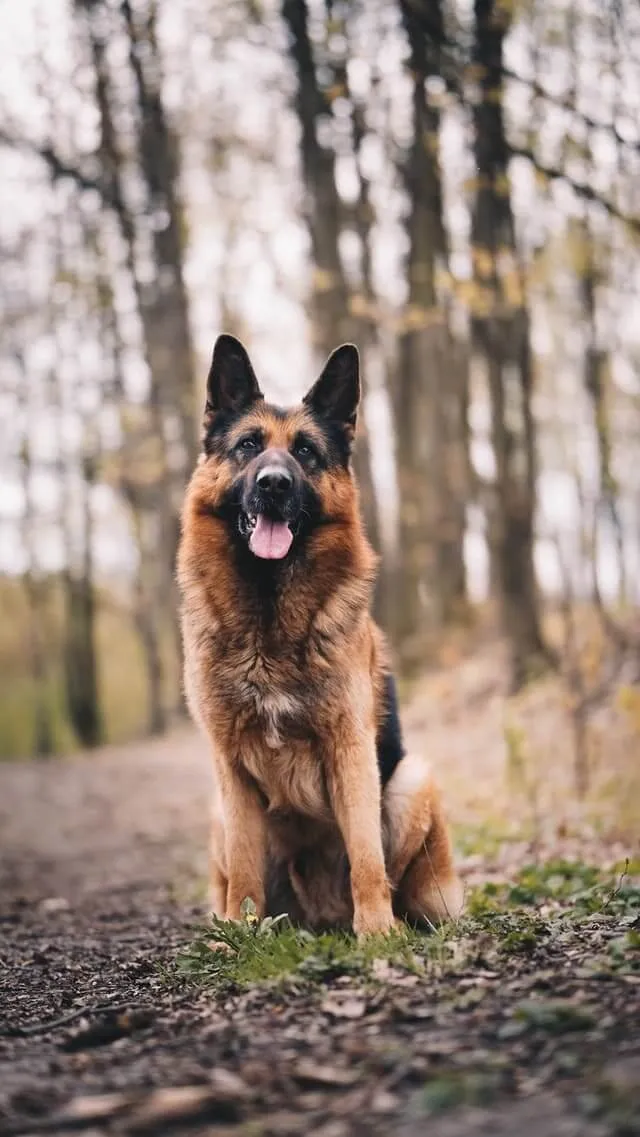
The German Shepherd is a highly intelligent, incredibly cooperative herding and working dog—bred for endurance, work, and absolute loyalty to its owner. It is precisely this unconditional willingness to perform that makes them the perfect partner, but also a dog that quickly withers away without a job to do.
How the health grade is calculated
Sources for required breeding screenings. Verein für Deutsche Schäferhunde (SV) e.V.
Self-check
Answer 6 quick questions about your everyday life and see how well the German Shepherd fits you — including an honest cost estimate per month, per year, and across the dog's lifetime.
At a glance
The essentials — key facts, traits, and health priorities — before you dive deeper.
Lifespan
9–13 yrs
Shoulder height
55–65 cm
Weight
22–40 kg
Practical
Temperament
Daily life
What matters most
Especially with a German Shepherd, choosing the right breeder is the single most important decision you'll make. Serious breeders consistently test the parents for inherited conditions, prioritize healthy early socialization, and stay accountable long after handover. A cheap puppy without health screening tends to become the most expensive dog later on.
See HonestDog breeder standards →Colors & coat
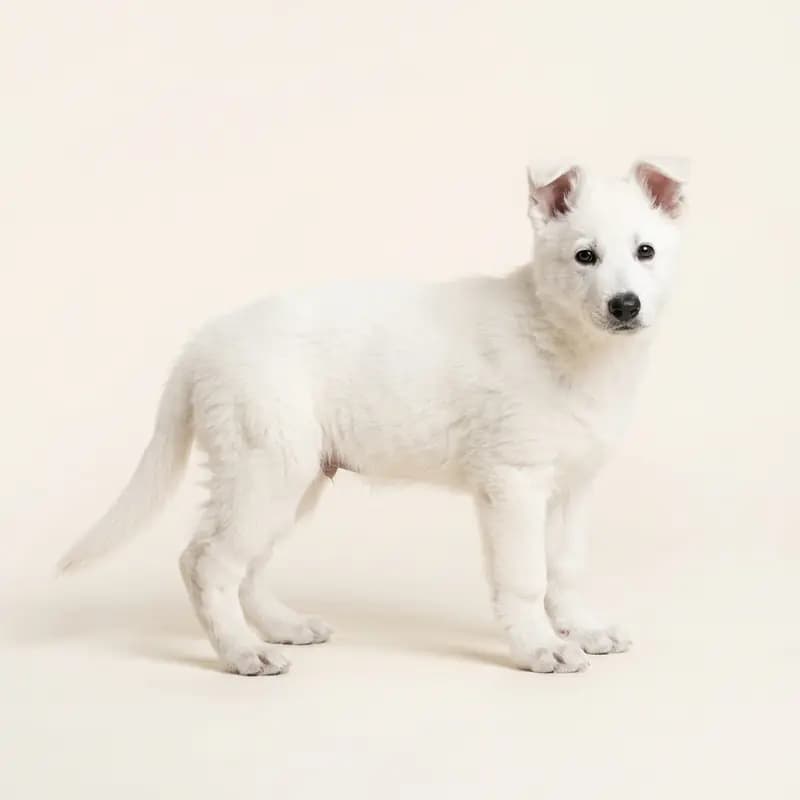
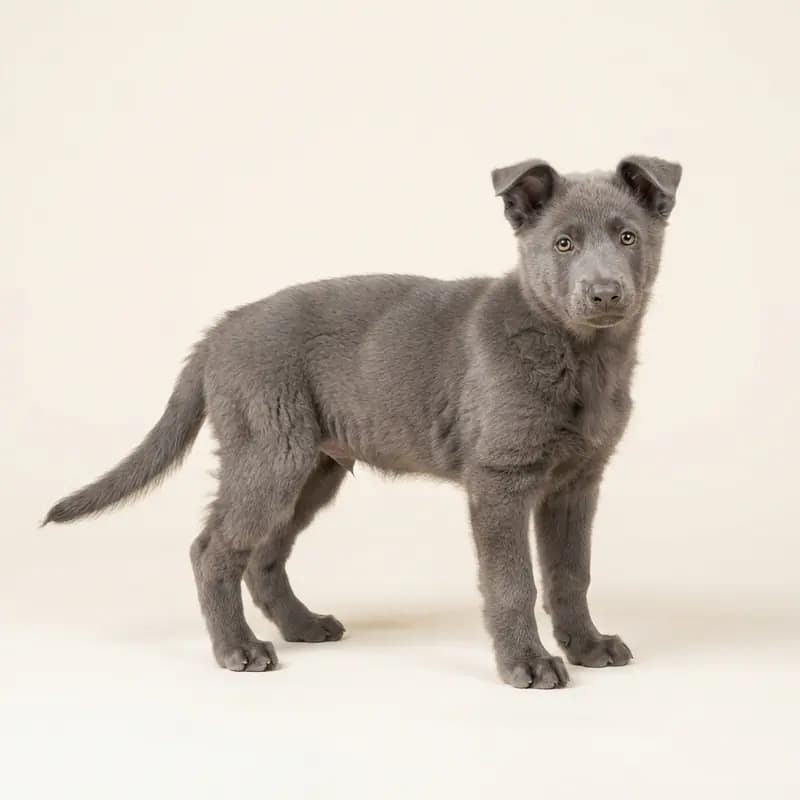
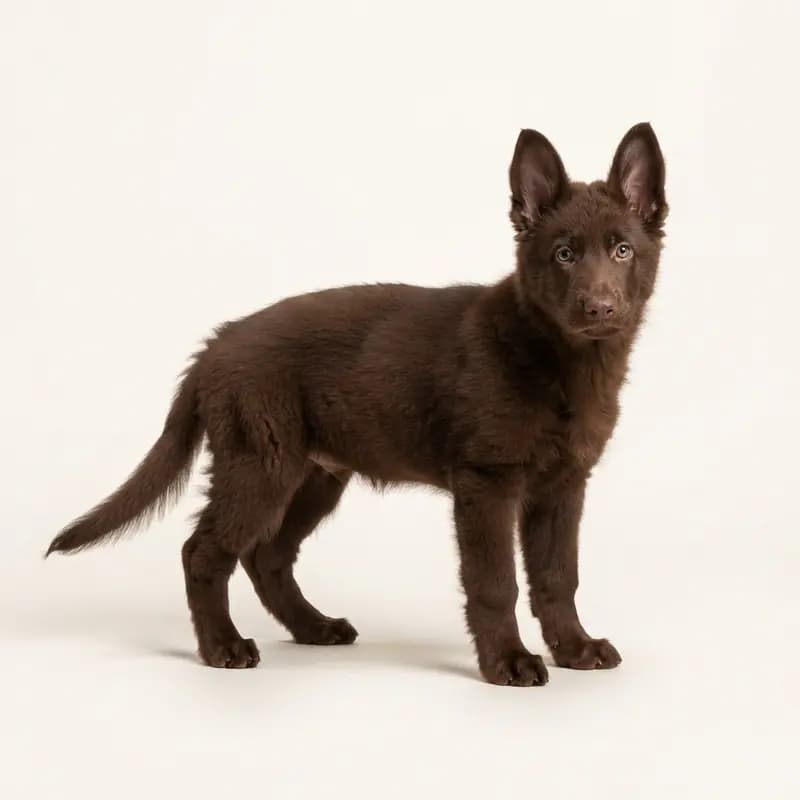
The coat colors that occur in the German Shepherd — including which ones fall outside the breed standard and which carry genetic risk.
Eye colors
 Brown
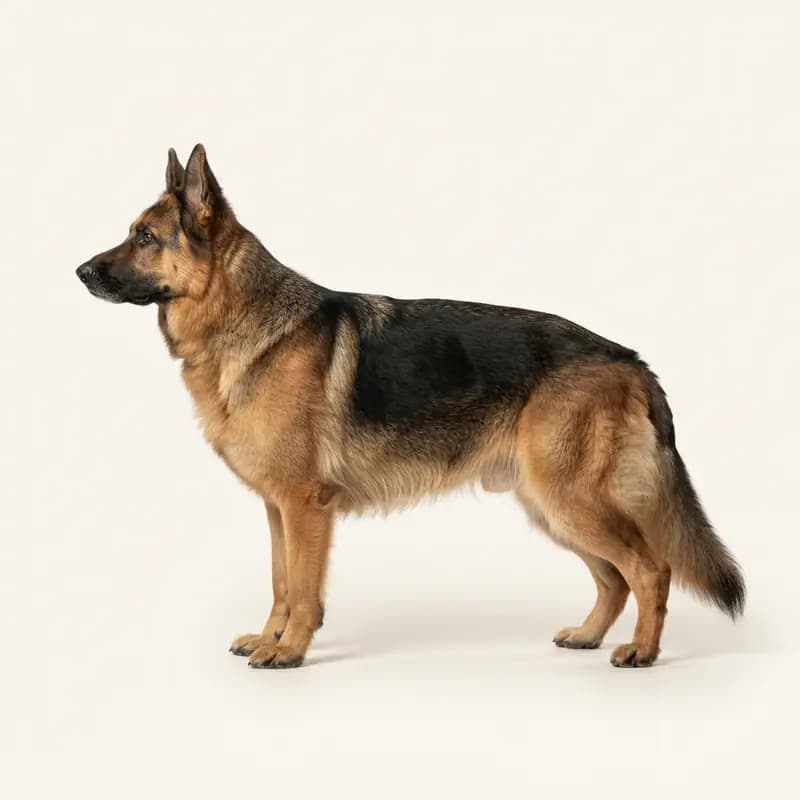
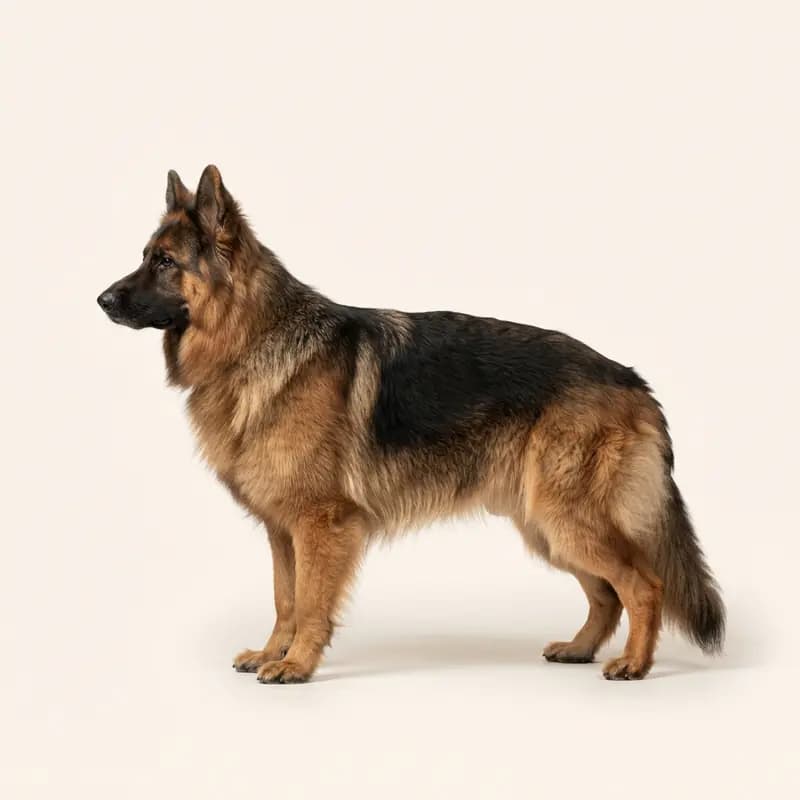
Coat type
 Illustrative image
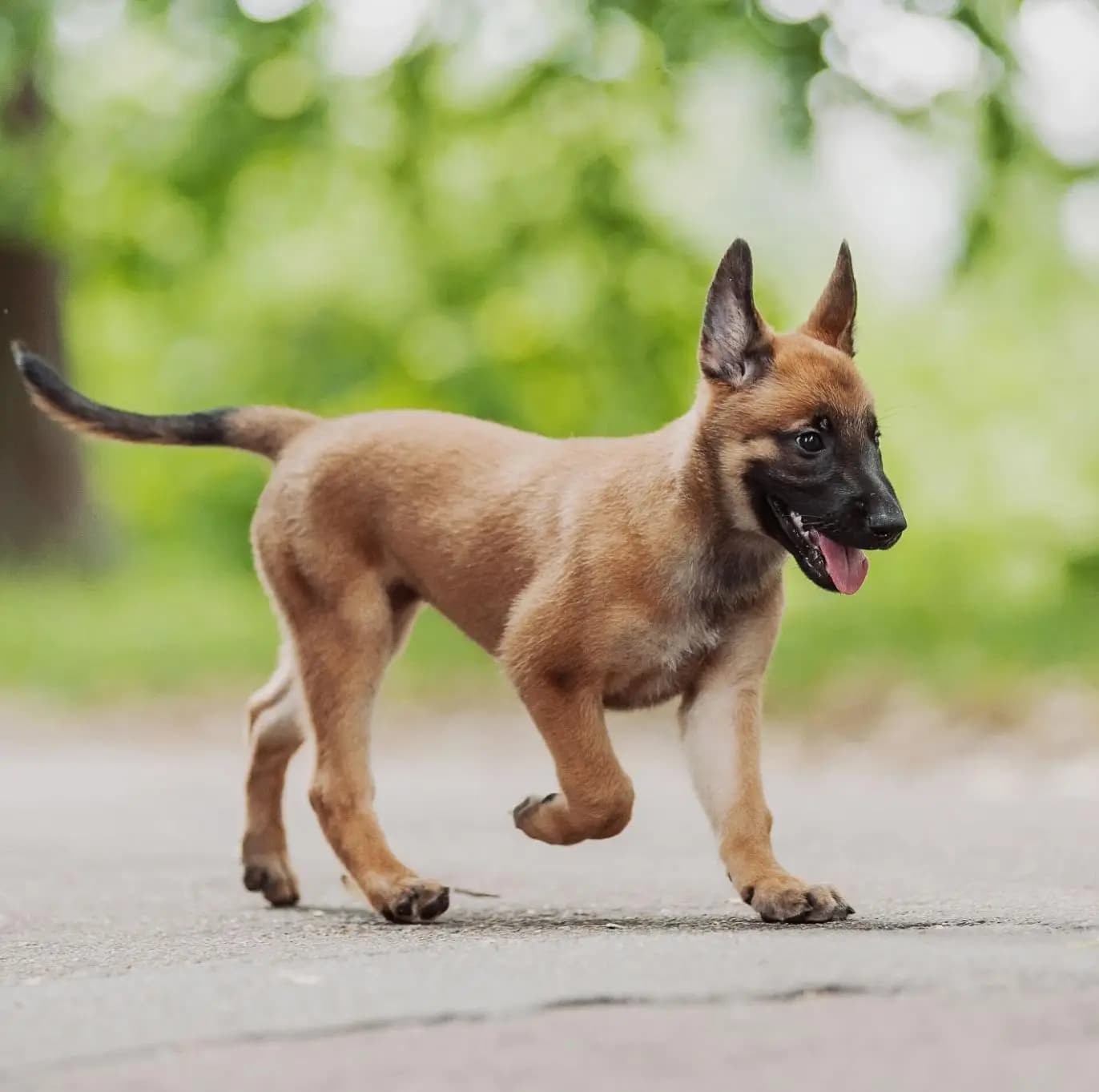
Medium
 Illustrative image
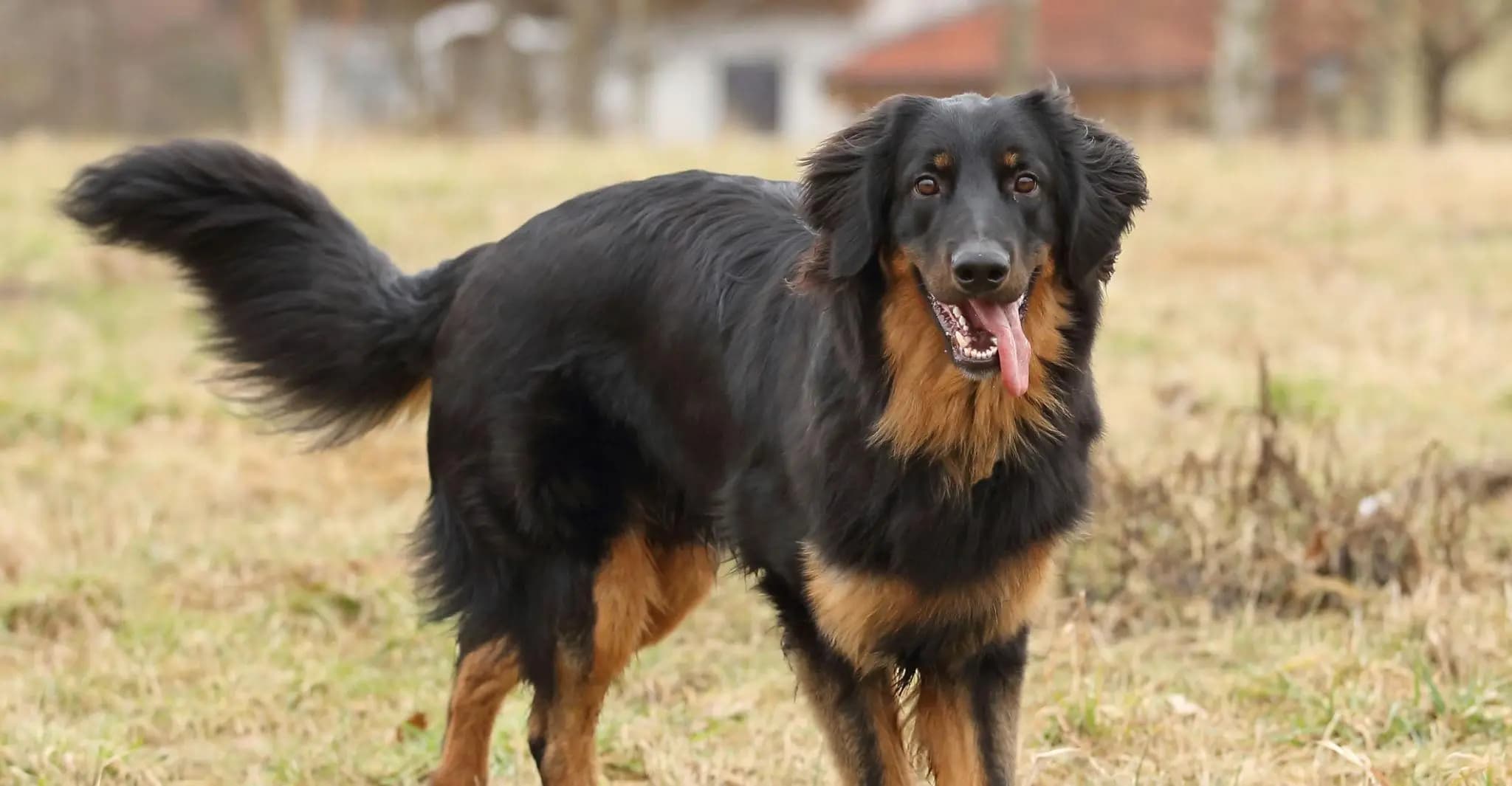
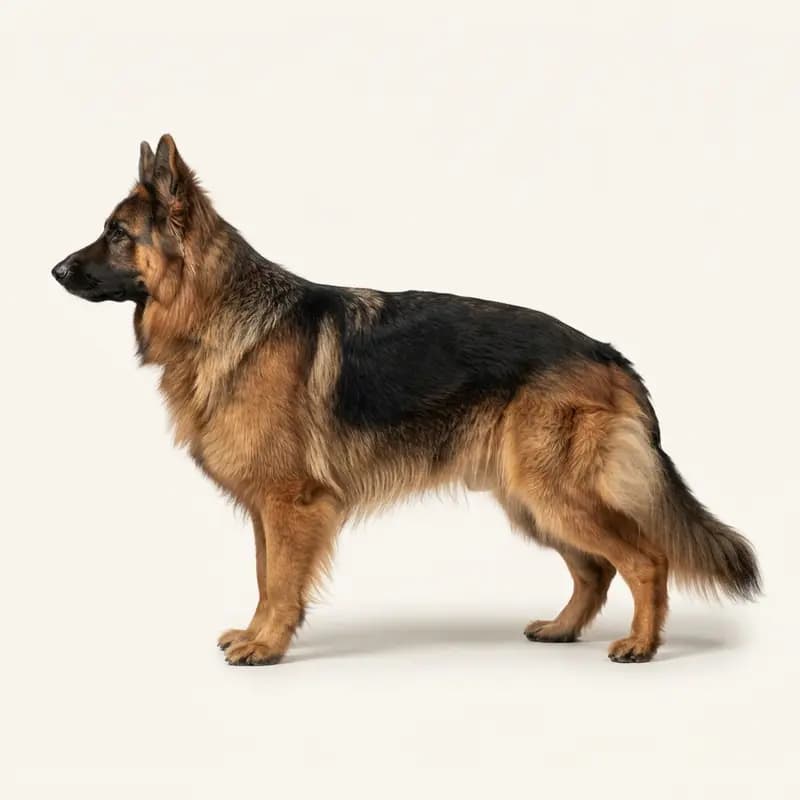
Long
 Illustrative image
Double coat
The real vibes check
A German Shepherd is not a dog for passive companionship—they are a highly motivated employee who asks what is on the schedule every single morning. If they don't get a task, they will invent one themselves, and that usually involves tirelessly controlling your surroundings. Honest reality check: There are worlds of difference between the appearance-focused show lines and the extremely driven working lines—choose very wisely which operating system truly fits your everyday life.
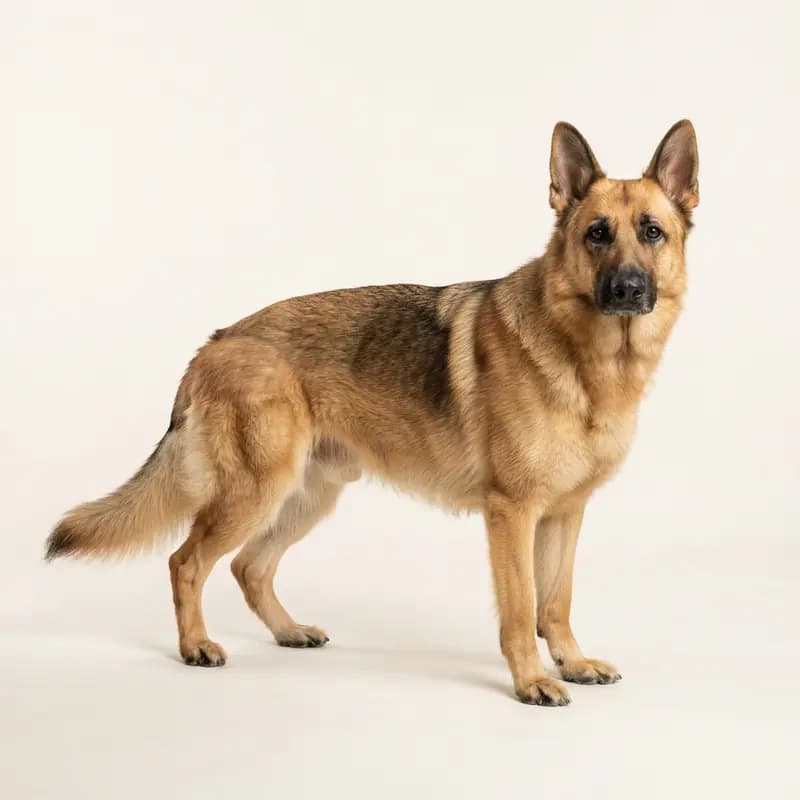
The German Shepherd is one of the most famous and popular dog breeds worldwide. He belongs to FCI Group 1, Section 1, which includes herding dogs and cattle dogs. The appearance of the German Shepherd Dog is characterized by its strong build, almond-shaped eyes and upright ears, which give it an alert appearance. A special feature is the slightly sloping back. There are two lines within the breed: the working line, which is known for its performance and high energy, and the show line, which is bred more for its appearance. It is important to note that the back of the show line is often more sloping than the working line.
The German Shepherd is a highly intelligent and hard-working dog. Due to his origins as a herding dog, he has a strong work instinct. He is extremely people-oriented and forms a close bond with his family. The work line in particular is very energetic and requires both mental and physical exercise. It is advisable to give him tasks to work on, such as nose work, obedience training, or agility. In comparison, the show line often has a somewhat calmer temperament, but still requires a lot of exercise. German Shepherds usually learn quickly to stay home alone, but early and consistent training is essential to prevent problematic behavior. His high intelligence and learning ability also mean that he can be prone to hyperactivity if not given enough encouragement. He is an excellent watchdog and exhibits natural protective behavior without being overly aggressive. When it comes to prey-catching behavior, it is important to know that due to their herding instinct, they may tend to chase after moving objects. That's why it's important to start training retrieval skills and building a good bond as early as puppyhood.
| Watchfulness Strong territorial instinct — may actively confront intruders. | Very high |
| Openness to Strangers Neither pushily friendly nor suspicious. | Neutral |
| Hunting or Herding Drive This drive runs deep — no amount of training eliminates it. | Very strong |
Fun Fact!
The German Shepherd was originally bred for sheep herding, but is now one of the most widely used breeds for police and military services worldwide due to its intelligence and versatility.
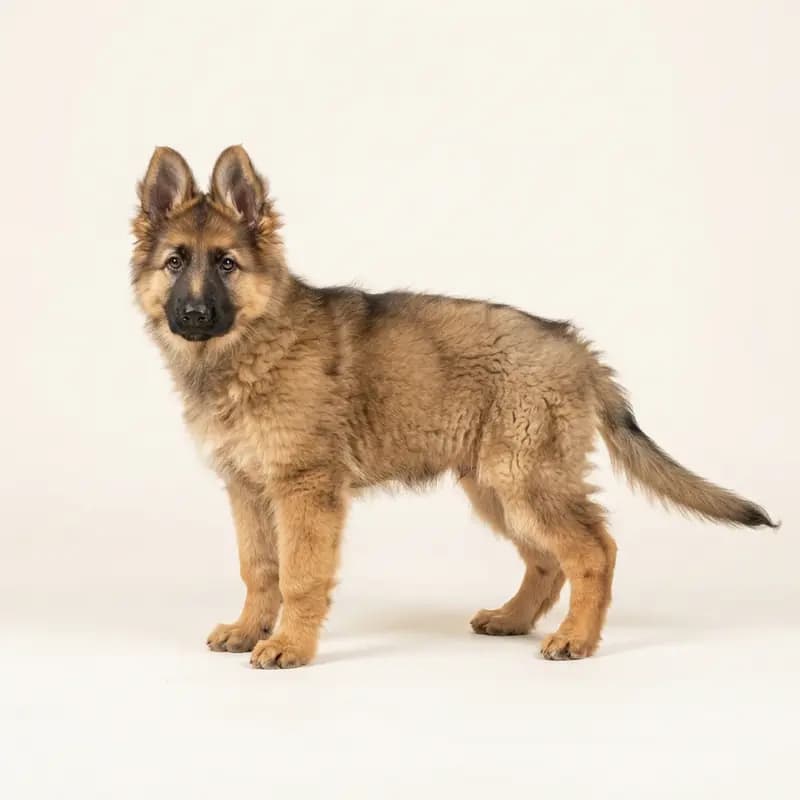
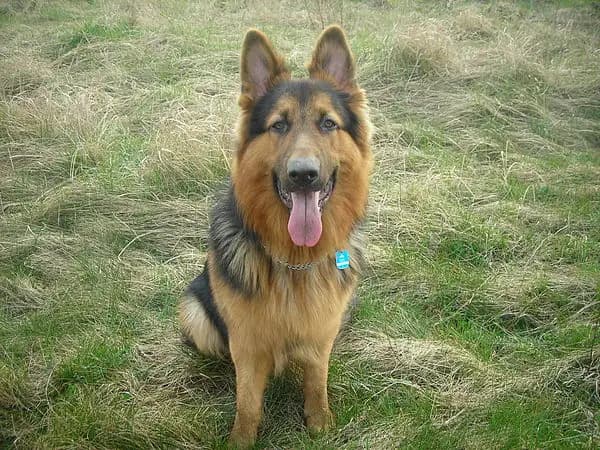
German Shepherds are versatile dogs that need meaningful activity. They are alert and territorial. They are considered good family dogs, but only with the appropriate training and activity. In addition to the stockhair coat variant, there is also the longstockhair coat variant, also known as the Old German Shepherd Dog.
German Shepherds are active and intelligent dogs that require plenty of exercise and mental stimulation. They are more suitable for rural areas or houses with gardens than for purely residential living in the city. However, they can also be kept in the city if there is enough exercise and activity. When it comes to children, German Shepherds tend to be very family friendly and can get along well with older children. Small children should always be supervised as the dog could unintentionally be too rough due to its size. German Shepherds can also get along well with other pets, including cats, especially if they are used to it from an early age.
Loves family life and thrives in a group.
Gets on well with children — with adult supervision.
Usually gets on fine with other dogs.
Can manage in the city, but only with very active owners.
Owning a dog is a privilege, but it's also a real responsibility. Before you bring one into your life, be honest with yourself about the commitment it takes.
German Shepherds are known for their high learning abilities, which makes them great candidates for various dog sports and tasks. Although they were primarily bred as working dogs, they can also excel in obedience, agility, mantrailing and many other activities. It is important to take into account the dog's natural need for activity, but also to be careful not to "over-occupy" the dog. An overexcited German Shepherd may become a "ball junkie," a "jogger scare," or develop other obsessive behaviors. The German Shepherd dog naturally has a strong protective and working instinct. It is important that he learns early to tolerate frustration, control impulses, and not drown in overprotective or herding behavior. Good socialization and fostering a strong bond between dog and owner are essential. Training should always be positive and reward-based to build a strong bond between you and your dog. German Shepherds tend to be very personable, and positive training fosters this bond. Finally, it is essential to consider and encourage the German Shepherd's natural temperament and dispositions, while providing alternative activities and training to ensure the dog is a well-adjusted and happy member of the family. This is particularly important for dogs that come from working lines and therefore have an increased need for physical and mental activity. Please note that owning a German Shepherd requires a lot of time, commitment and understanding. If you are willing to invest this, you will be rewarded with a loyal, intelligent and versatile companion who will enrich your life in countless ways.
Proper nutrition is crucial to your German Shepherd's health and well-being. A balanced diet with high-quality, protein-rich food that contains all the necessary nutrients is essential. Due to the susceptibility to gastric torsion, feeding should be done carefully. It is important to maintain a good calcium to phosphorus ratio to support bone health. Special food for large breeds can also help keep joints healthy. In terms of grooming, the German Shepherd has a thick undercoat and long top coat. Regular brushing (about 2-3 times per week) is necessary to prevent tangles and remove dead hair. The German Shepherd dog sheds heavily, especially during the coat change in spring and autumn. When it comes to the climate in Germany, the German Shepherd gets along well. Its fur provides protection from the cold, but caution should be exercised in extreme heat to avoid overheating.
| Care Level Needs regular professional grooming — time-consuming and costly. | High-maintenance |
| Exercise Needs Working-dog energy that needs burning off every single day. | High-drive |
| Shedding Hair everywhere, always — no white clothing survives. | Very heavy |
| Trainability Bred to work closely alongside humans. | Highly trainable |
Our experts are still reviewing this information. Spotted something wrong? Email us at info@honestdog.de.
Elevated risks
Health grade
Hip and elbow dysplasia remain the most common orthopedic findings in the breed despite decades of selective breeding; Degenerative Myelopathy is also exceptionally prevalent in the German Shepherd Dog. For breeding approval within the Verein für Deutsche Schäferhunde (SV) e.V., radiographic screenings for hip dysplasia (HD) with a threshold of HD A–C, elbow dysplasia (ED) with ED 0–1, as well as a dental and bite evaluation are mandatory. Health-conscious breeders additionally test parent animals for Degenerative Myelopathy as well as lumbosacral transitional vertebrae (LTV). Make sure to see all official HD and ED radiographic evaluation certificates and, ideally, additional DNA test results for further risks such as Degenerative Myelopathy without any gaps.
Grade is relative to other breeds — AI-assisted and editorially reviewed.
Methodology and data: HonestDog Dog Breed Health Report 2026
What matters most for this breed
Tap any item to see details.
Without conscious management of medication sensitivity and joint-friendly rearing—such as through regular check-ups—health problems and veterinary costs can rise significantly later on.
Responsible breeders have hip dysplasia (HD), elbow dysplasia (ED), and teeth checked, and voluntarily test for degenerative myelopathy and lumbosacral transitional vertebrae (LTV).
Note: This health overview is AI-assisted and editorially reviewed. It is for orientation only and does not replace veterinary advice.
What matters most for this breed — what's common, how much it affects the dog's life, and how to protect yourself as a buyer.
Tap a body region to see the inherited conditions linked to it.
The three most important risks
Pick a region on the map to explore other areas.
Tier 1 reflects the tests Verein für Deutsche Schäferhunde (SV) e.V. actually mandates. Tiers 2 and 3 show how responsible breeders go beyond.
Club standard. Verein für Deutsche Schäferhunde (SV) e.V. requires these tests for breeding approval. Ask any reputable breeder for the results.
Not health tests, but required for breeding: the club asks for these results too. They don't count toward the risks or the rating.
DNA-Identitätsnachweis
Required by Verein für Deutsche Schäferhunde (SV) e.V.
Acceptable result: DNA-geprüft (DNA-Profil in Genotypen-Datenbank hinterlegt)
Dental and bite evaluation
Required by Verein für Deutsche Schäferhunde (SV) e.V.
Acceptable result: Kein Fehlen von P3 + weiterer Zahn, Fangzahn, P4, M1, M2 oder insgesamt 3 Zähnen; Kiefer: maximal 2 mm Überbiss, kein Vorbiss, kein Aufbeißen im gesamten Schneidezahnbereich
Hip and elbow joints (follow-up X-ray for stud dogs)
Required by Verein für Deutsche Schäferhunde (SV) e.V.
Acceptable result: Keine zuchtausschließenden Befunde beim Kontrollröntgen
Note: This health overview is AI-assisted and editorially reviewed. It is for orientation only and does not replace veterinary advice.
A German Shepherd costs around ~€200 per month (€110 – €380, depending on your setup). The first year adds up to roughly ~€4,680 including purchase, equipment and puppy school; across the dog's life (11 years) it comes to about ~€28,690.
With surgery cover, running costs come to about ~€210 per month — in return, your share of a major operation drops from several thousand euros to around 20 percent.
Per month
~€200
In the first year
~€4,680
Across the dog's life
~€28,690
Purchase price per HonestDog's market analysis (asking prices in Germany, as of October 2026): €1,200 – €1,700
Median asking price: €1,500; 27 unique listings in the rolling three-month window. Data for this breed · Methodology
Estimate at a mid-range setup (suburban, dry food, 1–2 hours of daily exercise), average German prices, as of July 2026.
 Illustrative image
 Illustrative image
 Illustrative image
 Illustrative image
The history of the German Shepherd Dog begins in Germany in the 19th century. It was originally bred as a working dog for herding and driving flocks of sheep. His skills, intelligence and loyalty quickly made him a valued herding dog. Max von Stephanitz, a former German cavalry officer, is often considered the father of the breed. He founded the Association for German Shepherd Dogs (SV) in 1899 and laid the foundation for modern breeding.
The German Shepherd was bred to be a versatile working dog for herding and protection tasks.
Germany
1899
Many owners value the German Shepherd as a loyal, affectionate companion that forms a very close bond with its people. A point that comes up often: it wants to be part of everything, and at home it is calm and cuddly as long as it gets enough exercise and work. Its alertness and natural protective instinct never switch off, though. Unfamiliar visitors and new situations are often eyed with suspicion or loudly announced.
At the same time, experienced owners stress that this is not a breed you can keep on the side as a family pet. Besides daily physical exercise, German Shepherds need mental work such as nose work, tracking or dog sports. Without it, many become restless or nervous, or start over-controlling their own territory. Owners also mention again and again that these dogs need deliberate downtime so they learn to truly switch off at home.
Sources:irish-pure.dereddit.comforum.hundund.deforum.doguniversity.app
On training, many owners describe an impressive ability to learn and a strong willingness to work with people. But many also warn against underestimating that intelligence: these dogs pick up unwanted behavior just as quickly as the behavior you want. If the handler is unsure or inconsistent, a German Shepherd will often take matters into its own hands, which can get tiring given its strength and quick reactions.
One of the most discussed sticking points in owner reports is meeting other dogs, and leash reactivity in particular. Because they react strongly to stimuli and like to push forward, many German Shepherds respond to other dogs on leash with intense barking, staring and lunging. Owners point out that thorough impulse-control training and calm distance work are needed from puppyhood, because once reactive patterns are ingrained, it takes a lot of patience and professional help to undo them.
Sources:irish-pure.de
In owner reports on health, the musculoskeletal system is the main concern. Hip dysplasia (HD), elbow dysplasia (ED) and early-onset arthritis come up constantly in forums. Many owners say they chose their breeder carefully and paid close attention to the topline to avoid exaggerations such as a steeply sloping croup.
Day to day, this means careful management, especially in the first year. Many owners strictly limit stairs, sudden ball games and high jumps to protect the still-soft joints. In older dogs, many describe a painful progression of joint problems that often calls for ongoing pain management, physical therapy or joint-friendly exercise such as swimming.
Sources:forum.doguniversity.appverlassene-pfoten.detierforum.de
Paraphrased from real owner reports · translated from German

"Besser hätten wir es nicht treffen können!" Unser kleiner GSD-Rüde „Bruno“ ist gesund, neugierig und voller Lebensfreude. Claudia war von Anfang an super herzlich, professionell und immer für uns da. Man merkt sofort, wie viel Liebe und Erfahrung in ihrer Zucht steckt. Wir sind überglücklich – danke, Claudia! 💛🐾

Nicole G.
The German Shepherd is an active dog that needs plenty of exercise and mental stimulation. Research the temperament, grooming needs, and space requirements before deciding.
The average life expectancy of a German Shepherd is 9-13 years. With proper care and regular vet visits, your dog can live a long, healthy life.
German Shepherd grooming requirements include regular brushing, nail trimming, and dental care. HonestDog provides detailed grooming tips for every breed.
The German Shepherd can be a great family dog. Proper training and socialization are key. HonestDog provides family suitability information for every breed.
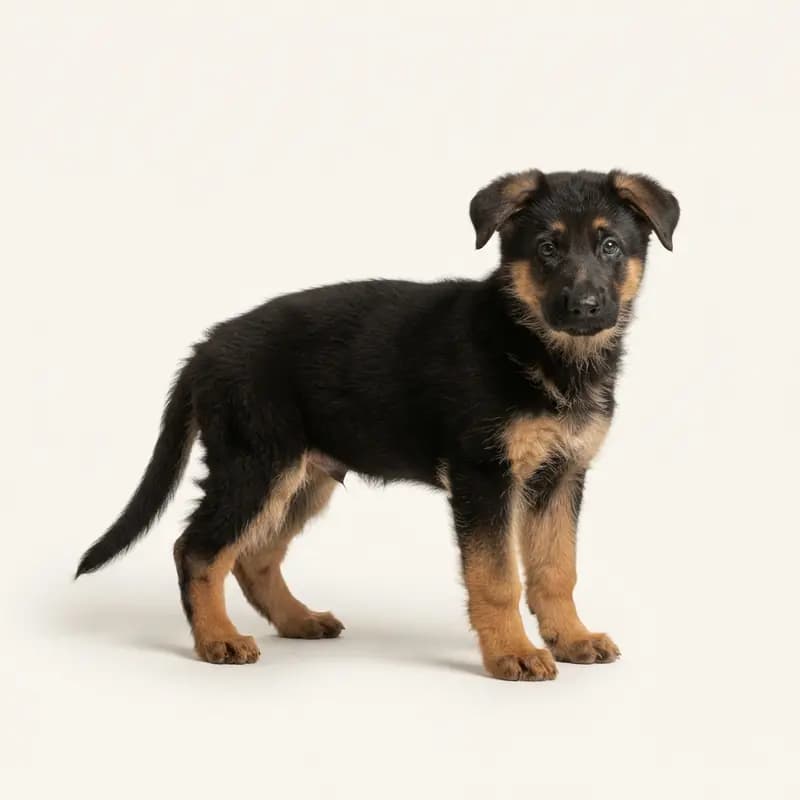
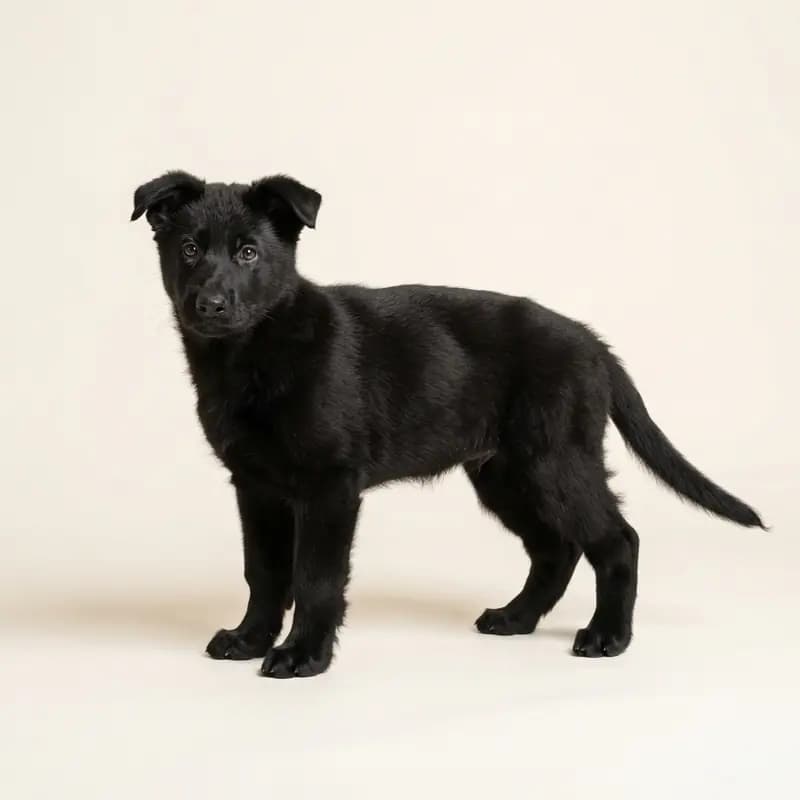
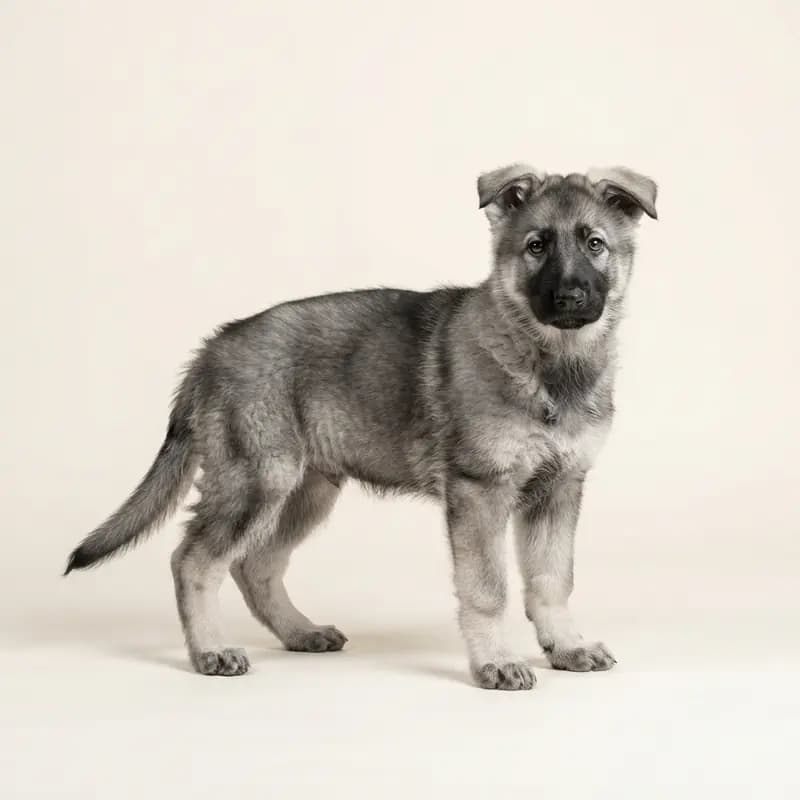
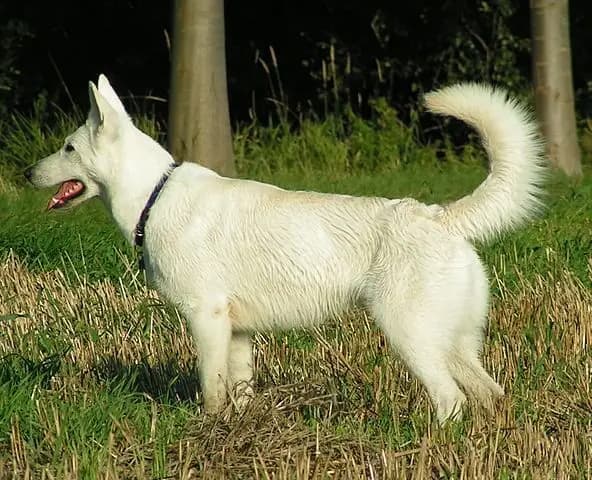
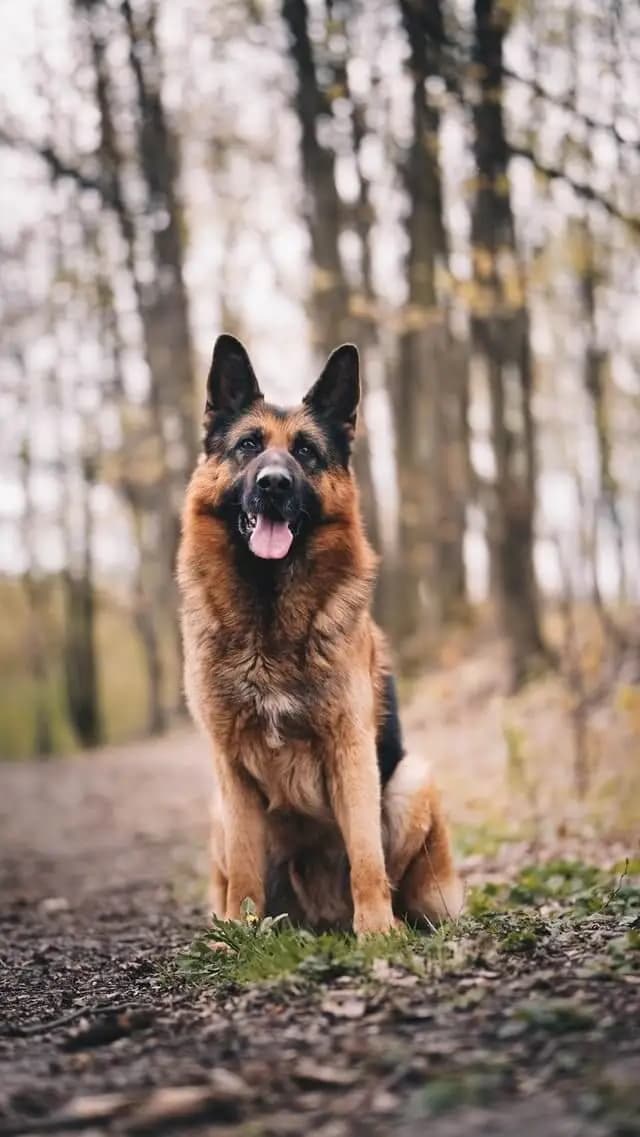
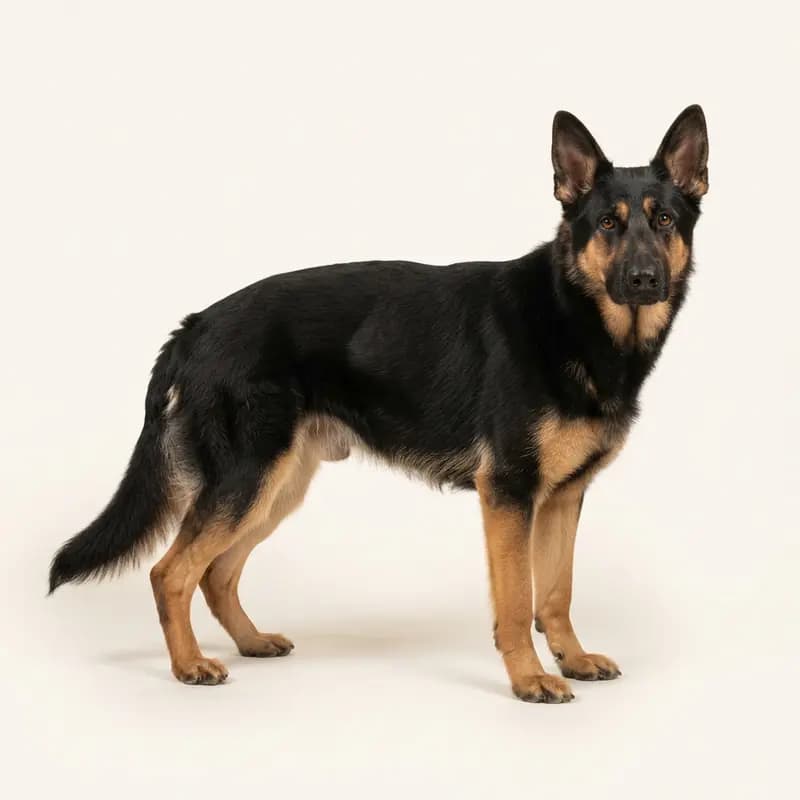
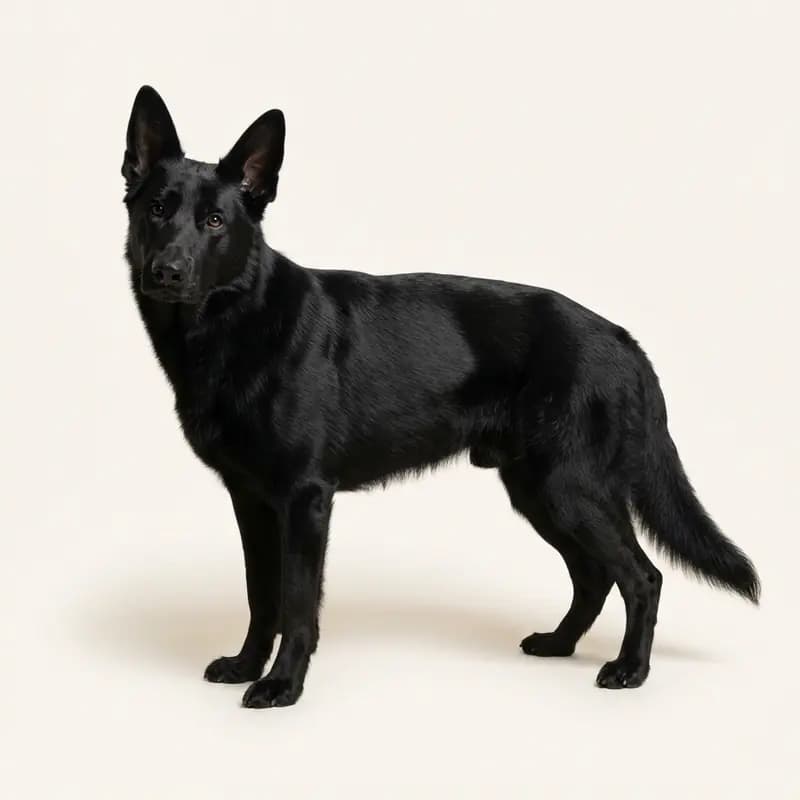
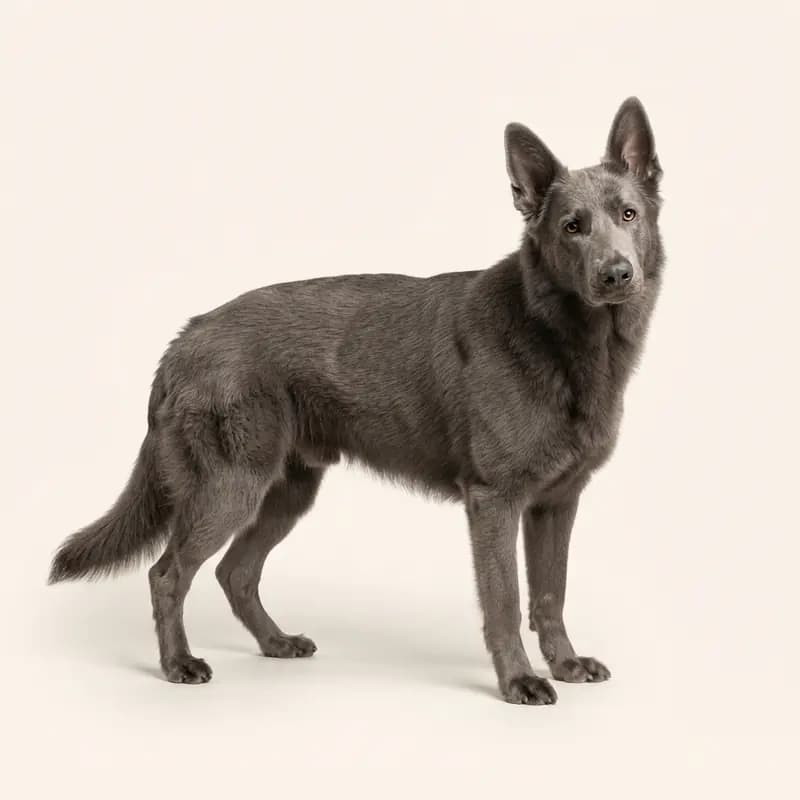
The German Shepherd comes in these colors: Black and tan, Black, Sable, Grey, White, Blue, Liver. Colors that fall outside the breed standard are marked as such on the breed page.
Showcase your kennel on HonestDog and reach families searching for a responsibly bred German Shepherd.