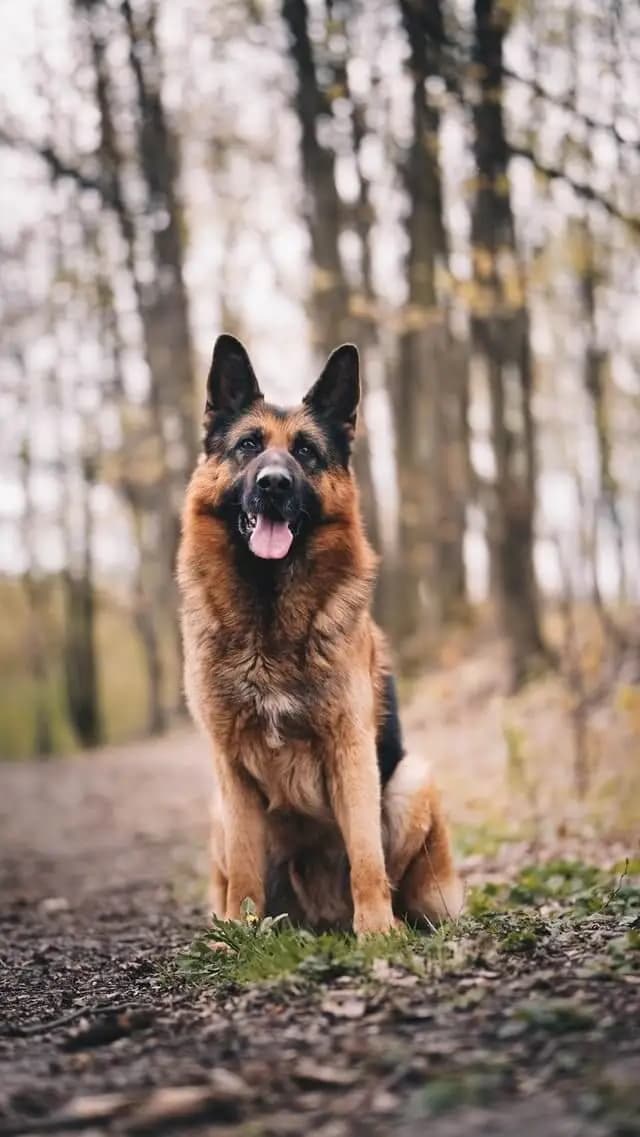
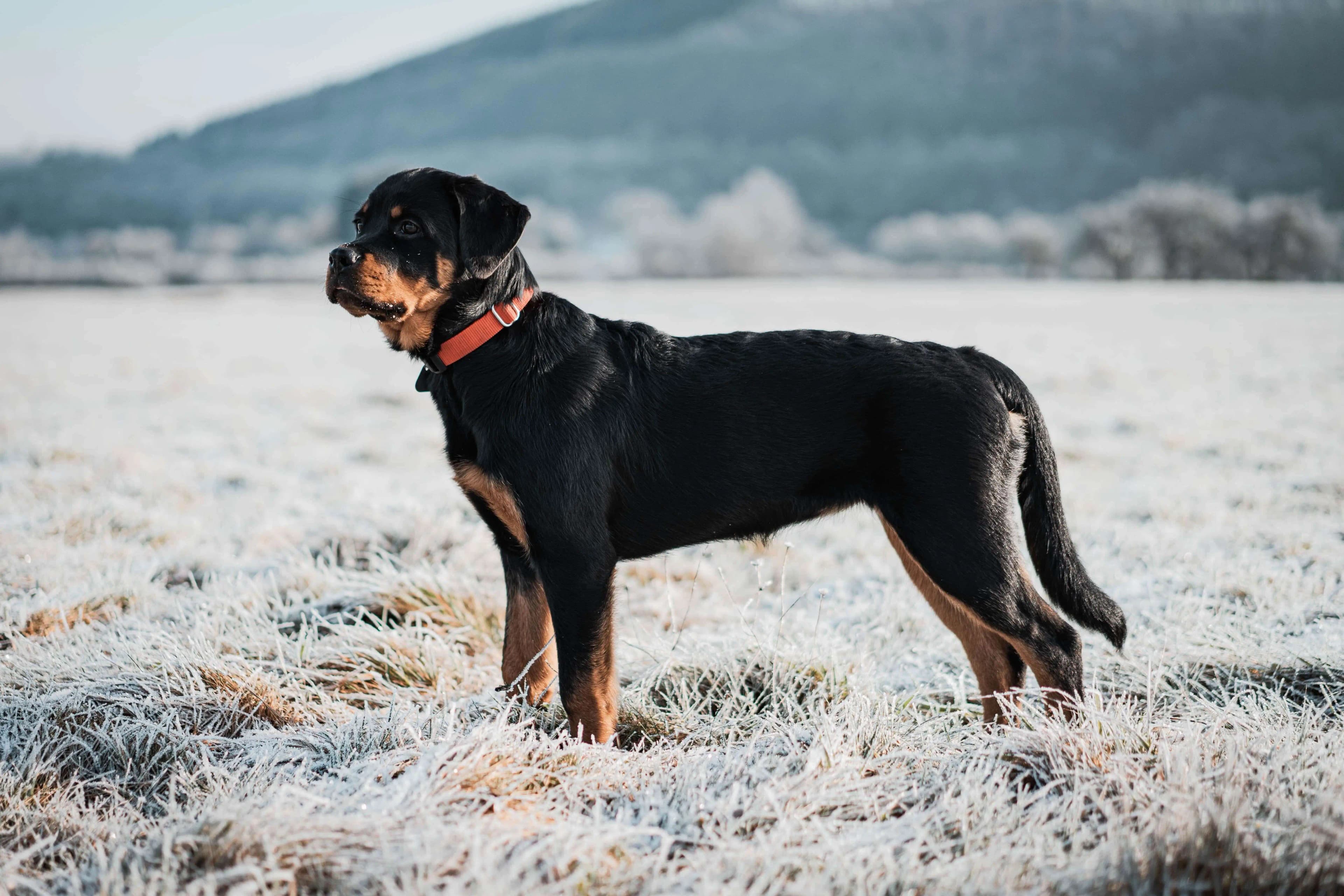
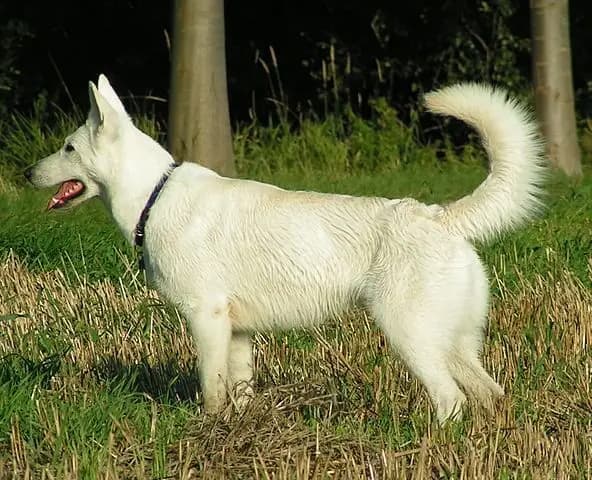
German ShepherdSame size & energy
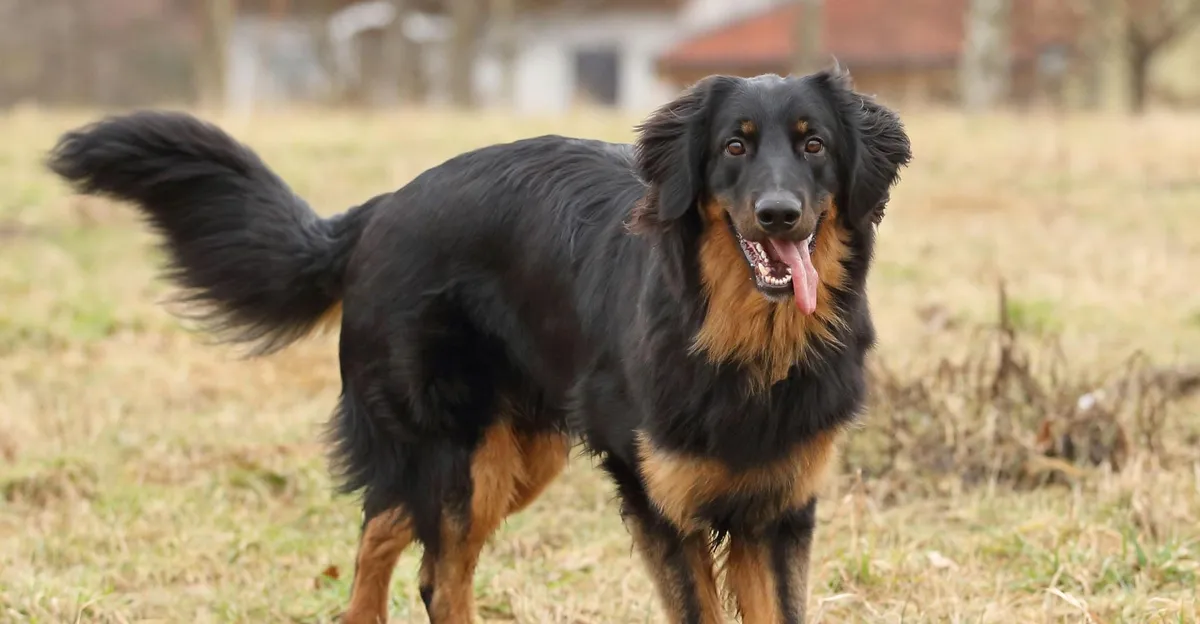
The Hovawart is a loyal, late-maturing guardian—bred to independently protect home and property and to intervene if necessary. Behind the beautiful exterior lies a robust working dog that demands clear leadership.
How the health grade is calculated
Sources for required breeding screenings. Rassezuchtverein für Hovawart-Hunde e.V. (RZV)
Self-check
Answer 6 quick questions about your everyday life and see how well the Hovawart fits you — including an honest cost estimate per month, per year, and across the dog's lifetime.

At a glance
The essentials — key facts, traits, and health priorities — before you dive deeper.
Lifespan
10–14 yrs
Shoulder height
58–70 cm
Weight
25–40 kg
Practical
Temperament
Daily life
What matters most
Especially with a Hovawart, choosing the right breeder is the single most important decision you'll make. Serious breeders consistently test the parents for inherited conditions, prioritize healthy early socialization, and stay accountable long after handover. A cheap puppy without health screening tends to become the most expensive dog later on.
See HonestDog breeder standards →Colors & coat
The coat colors that occur in the Hovawart — including which ones fall outside the breed standard and which carry genetic risk.
Eye colors
 Brown
Coat type
 Long
 Double coat
The real vibes check
A Hovawart is not a teddy bear, but a highly intelligent bouncer in a plush suit. If you don't prove crystal clearly that you are responsible for your territory, he will take over that job unasked and with full consequence. However, if you show yourself to be a reliable decision-maker, you will get an unshakable protector who would walk through fire for you.
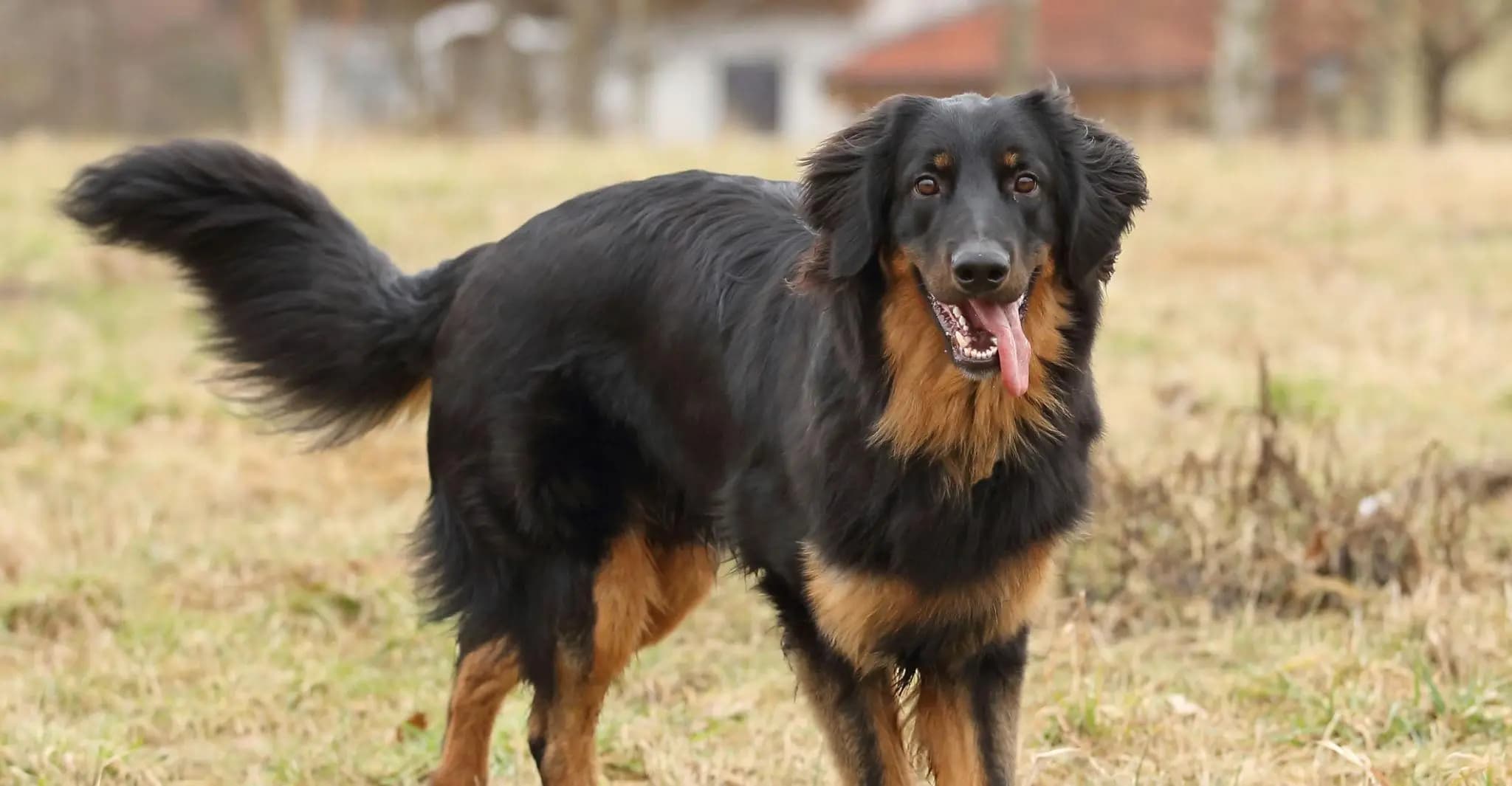
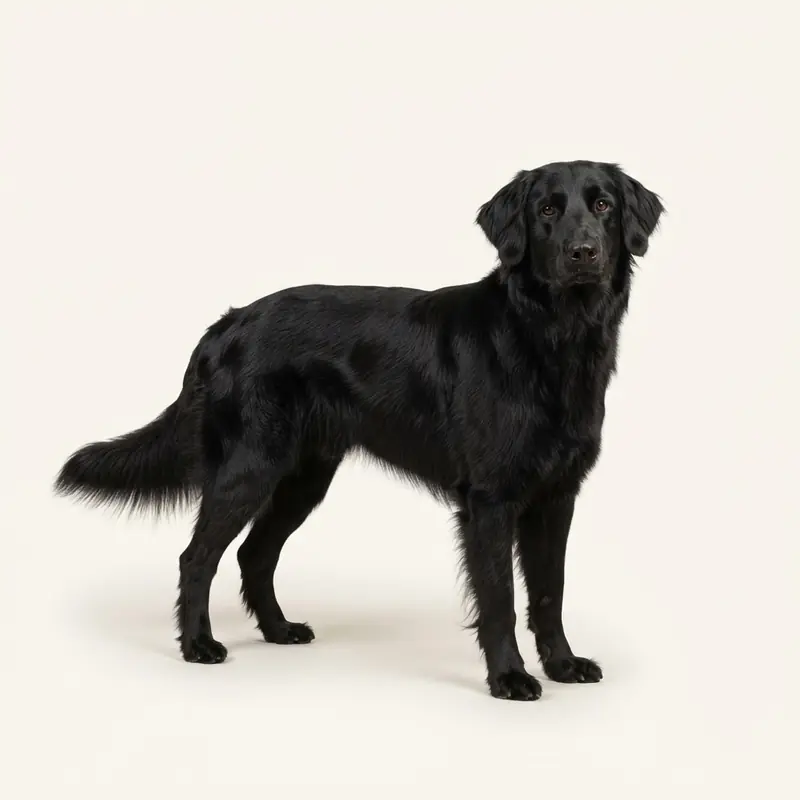
The Hovawart is a German dog breed that belongs to FCI Group 2, Section 2.2, the Molossoids. He is a large, powerful dog with harmonious proportions and significant sexual dimorphism - that is, male dogs typically look more masculine than female dogs. He has a strong jawline with a full set of 42 teeth and a strong scissor bite. His dark, oval eyes give him a friendly and attentive expression. The Hovawart's lop-eared ears are set high up and triangular in shape, they lie flat on his cheeks. His tail is carried in a slight upward curve, reaching almost to the hock. Its fur is long and dense, slightly wavy and has a lot of undercoat. The three recognized colors are black, blackmarks (black with brown markings) and blonde. The Hovawart's coat is not only beautiful to look at, it also offers it excellent protection from the elements. In contrast to some other breeds, the Hovawart has no distinction between show and working lines. All Hovawarts are versatile dogs that can be used both as protection dogs and as companion and family dogs.
The Hovawart is a wonderful example of a dog that combines a strong working line with the temperament of a family dog. His intelligence and working ability make him an excellent guard and protection dog, while his loyalty and friendly nature make him a great family member. He is a vigilant and courageous dog who is not afraid to protect his family. Despite its natural protective instinct, the Hovawart is not an aggressive dog - it is rather reserved and wait-and-see and only uses force as a last resort. In the family, the Hovawart shows a deep bond and affection for its people. He is playful and enjoys shared activities and games. In general, he is good-natured and patient, which makes him a good companion for children. However, careful supervision should always be ensured as it could accidentally knock over a small child due to its size and strength. The Hovawart is an intelligent animal that always strives to please its family. He learns quickly and is good at understanding and carrying out commands and tasks. This, combined with his natural guarding instinct, makes him an excellent working dog. Despite his bond with his people, the Hovawart is also able to stay alone without developing too much stress or anxiety. Of course, this should not be overly exploited as, as a social dog, he still prefers the company and attention of his people. As far as hunting is concerned, the Hovawart generally does not display strong hunting behavior. However, he is a curious and active dog who enjoys exploring his surroundings. Therefore, it is always important to monitor his outdoor range and ensure that he is not left unattended where he might encounter wildlife. As a watchdog, the Hovawart is very attentive and vigilant. He is always ready to protect his family and his territory and will not hesitate to intervene when necessary. It's important to teach him to differentiate between normal and threatening situations so that he doesn't overreact or bark unnecessarily. Overall, the Hovawart is a very balanced dog. He is active and eager to work without being hyperactive, and he is calm and composed without being lethargic. With the right socialization, training and care, the Hovawart becomes a loyal, lovable and reliable companion who makes every day something very special.
| Watchfulness Strong territorial instinct — may actively confront intruders. | Very high |
| Openness to Strangers Neither pushily friendly nor suspicious. | Neutral |
| Hunting or Herding Drive Noticeable drive — needs attention around small animals. | Moderate |
Fun Fact!
Did you know that the name "Hovawart" comes from Middle High German and means "yard warden"? Since the Middle Ages, this breed has made a name for itself as an excellent guard of farms and estates!
Hovawarts are considered highly trainable and are often used as working dogs and referred to as family dogs. Because of their past as yard guards, they can also be alert and territorial. Therefore, they are not suitable for households with a lot of visitors.
Hovawarts are originally working dogs and need a lot of exercise and mental stimulation. Therefore they are not suitable for keeping in the city or in a small apartment. They do best in a home with a large garden where they can express their energy. They have a balanced and good-natured nature and can therefore get along well with children. However, careful supervision should always be ensured as the Hovawart could accidentally knock over a small child due to its size and strength. Regarding other pets: Hovawarts can learn to live with cats and other pets, provided they are accustomed to them from an early age. Early and continuous socialization is the key to harmonious coexistence.
Lives for its family — the born family companion.
Takes boisterous and affectionate children in its stride.
Usually gets on fine with other dogs.
Can manage in the city, but only with very active owners.
Owning a dog is a privilege, but it's also a real responsibility. Before you bring one into your life, be honest with yourself about the commitment it takes.
Hovawarts are intelligent and trainable, making them excellent candidates for various types of dog sports and training. Whether it's obedience, agility, nose work or search and rescue, they'll love showing off their skills. However, despite their intelligence, Hovawarts are not dogs that blindly follow orders. They are independent thinkers and need consistent but fair and positive upbringing. It is important to teach them frustration tolerance and impulse control to ensure harmonious coexistence. Hovawarts need plenty of activity, but they are not ball junkies. They prefer diverse and mentally stimulating activities. Make sure you allow enough time for your Hovawart's training, socialization, and mental stimulation to ensure his happiness and well-being.
Hovawarts are active dogs that require a nutrient-rich diet. You should offer a balanced mix of high-quality meat, vegetables and whole grains. Consider using a special puppy food that provides the right nutrients for growth. Always ensure that your Hovawart is at a healthy weight, as excess weight can cause health problems cause. As far as fur care is concerned, Hovawarts have a dense undercoat and a weather-resistant top coat that protects them well against the German climate. They shed moderately and require regular brushing to keep their coat healthy and shiny.
| Care Level Regular brushing and occasional professional grooming. | Moderate |
| Exercise Needs Needs several hours of serious exercise every day. | Very active |
| Shedding Hair everywhere, always — no white clothing survives. | Very heavy |
| Trainability Bred to work closely alongside humans. | Highly trainable |
Our experts are still reviewing this information. Spotted something wrong? Email us at info@honestdog.de.
Robust
Health grade
The Hovawart is considered a very healthy breed, yet breed-typical risks for hip dysplasia (HD) and hereditary eye problems still exist. The Rassezuchtverein für Hovawart-Hunde e.V. (RZV) therefore prescribes strict tests for breeding approval: both parent animals must be radiologically examined for hip dysplasia (HD) with a result of HD A–B and certified free of eye problems through an ophthalmological eye exam. A responsible breeder also has the parents tested for degenerative myelopathy, where a carrier may only be mated with a clear partner, as well as examined for primary hypothyroidism. Have these official examination results presented to you completely before purchasing a puppy.
Grade is relative to other breeds — AI-assisted and editorially reviewed.
Methodology and data: HonestDog Dog Breed Health Report 2026
What matters most for this breed
Tap any item to see details.
You should ensure joint-friendly rearing and have the thyroid checked by a vet if you notice any sudden changes in behavior.
Responsible breeders carry out mandatory pre-testing for hip dysplasia (HD) and eye issues, and additionally screen breeding animals for degenerative myelopathy and primary hypothyroidism.
Note: This health overview is AI-assisted and editorially reviewed. It is for orientation only and does not replace veterinary advice.
What matters most for this breed — what's common, how much it affects the dog's life, and how to protect yourself as a buyer.
Tap a body region to see the inherited conditions linked to it.
The three most important risks
Pick a region on the map to explore other areas.
Tier 1 reflects the tests Rassezuchtverein für Hovawart-Hunde e.V. / Rassezuchtverein für Hovawart-Hunde e.V. (RZV) actually mandates. Tiers 2 and 3 show how responsible breeders go beyond.
Club standard. Rassezuchtverein für Hovawart-Hunde e.V. / Rassezuchtverein für Hovawart-Hunde e.V. (RZV) requires these tests for breeding approval. Ask any reputable breeder for the results.
Not health tests, but required for breeding: the club asks for these results too. They don't count toward the risks or the rating.
Wesensbeurteilung
Required by Rassezuchtverein für Hovawart-Hunde e.V. (RZV)
Acceptable result: result on file
No entries in this tier.
Note: This health overview is AI-assisted and editorially reviewed. It is for orientation only and does not replace veterinary advice.
A Hovawart costs around ~€200 per month (€100 – €380, depending on your setup). The first year adds up to roughly ~€5,590 including purchase, equipment and puppy school; across the dog's life (12 years) it comes to about ~€31,600.
With surgery cover, running costs come to about ~€200 per month — in return, your share of a major operation drops from several thousand euros to around 20 percent.
Per month
~€200
In the first year
~€5,590
Across the dog's life
~€31,600
Estimated purchase price from a breeder: €1,800 – €3,000
Estimate at a mid-range setup (suburban, dry food, 1–2 hours of daily exercise), average German prices, as of July 2026.
 Illustrative image
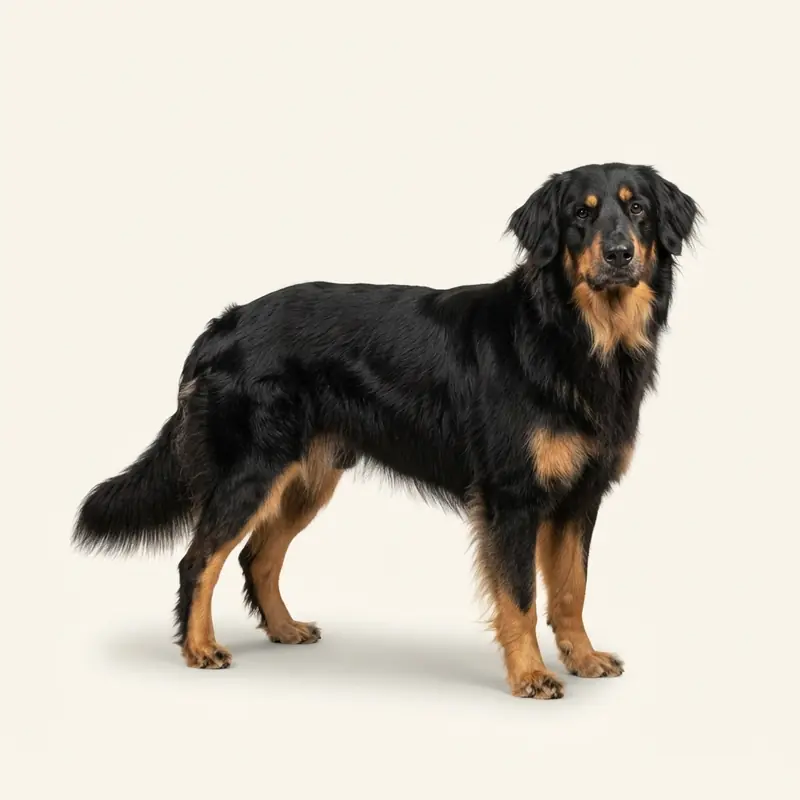 Illustrative image
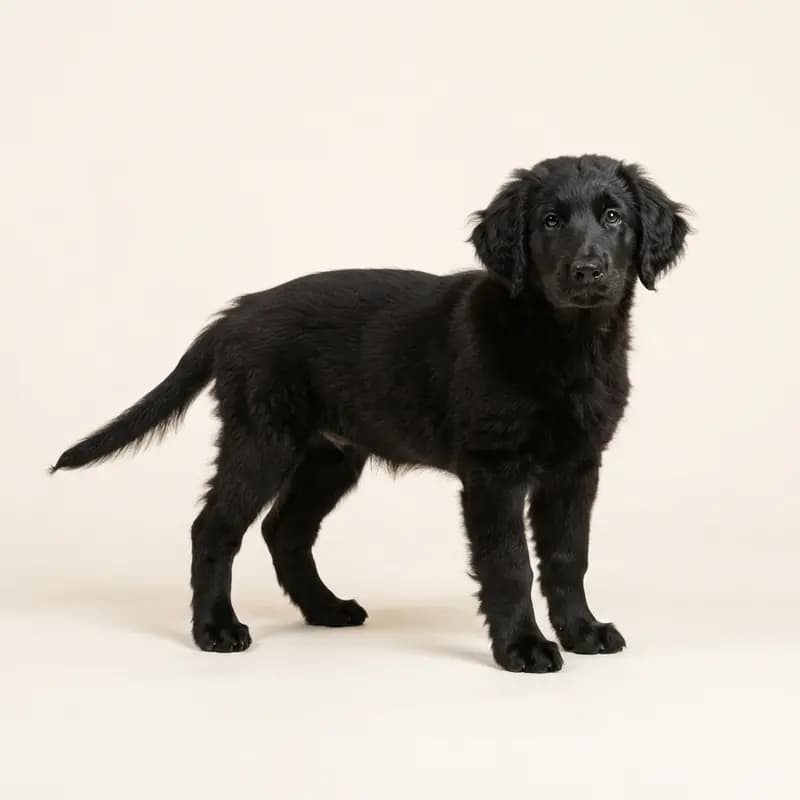 Illustrative image
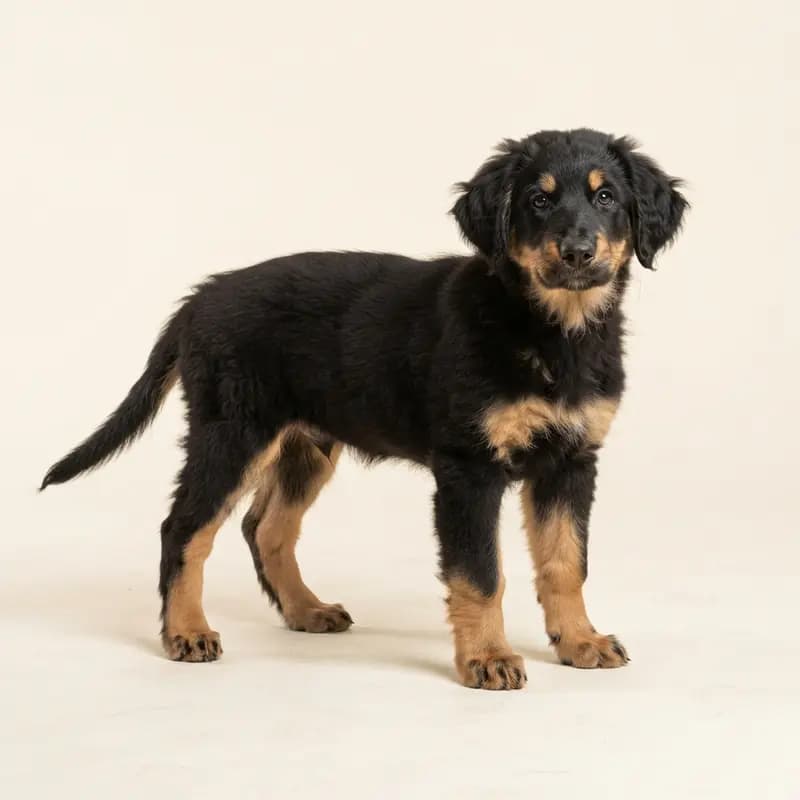 Illustrative image
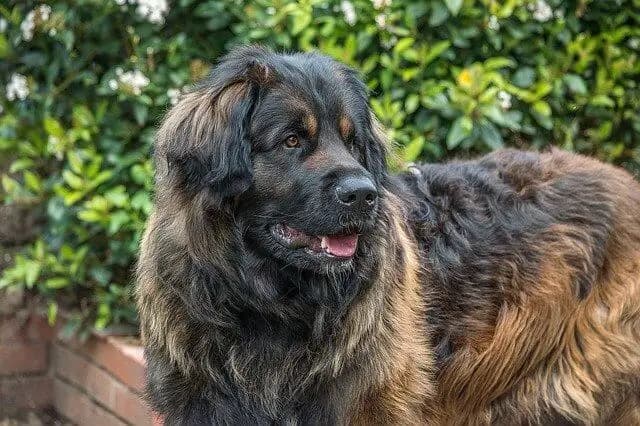
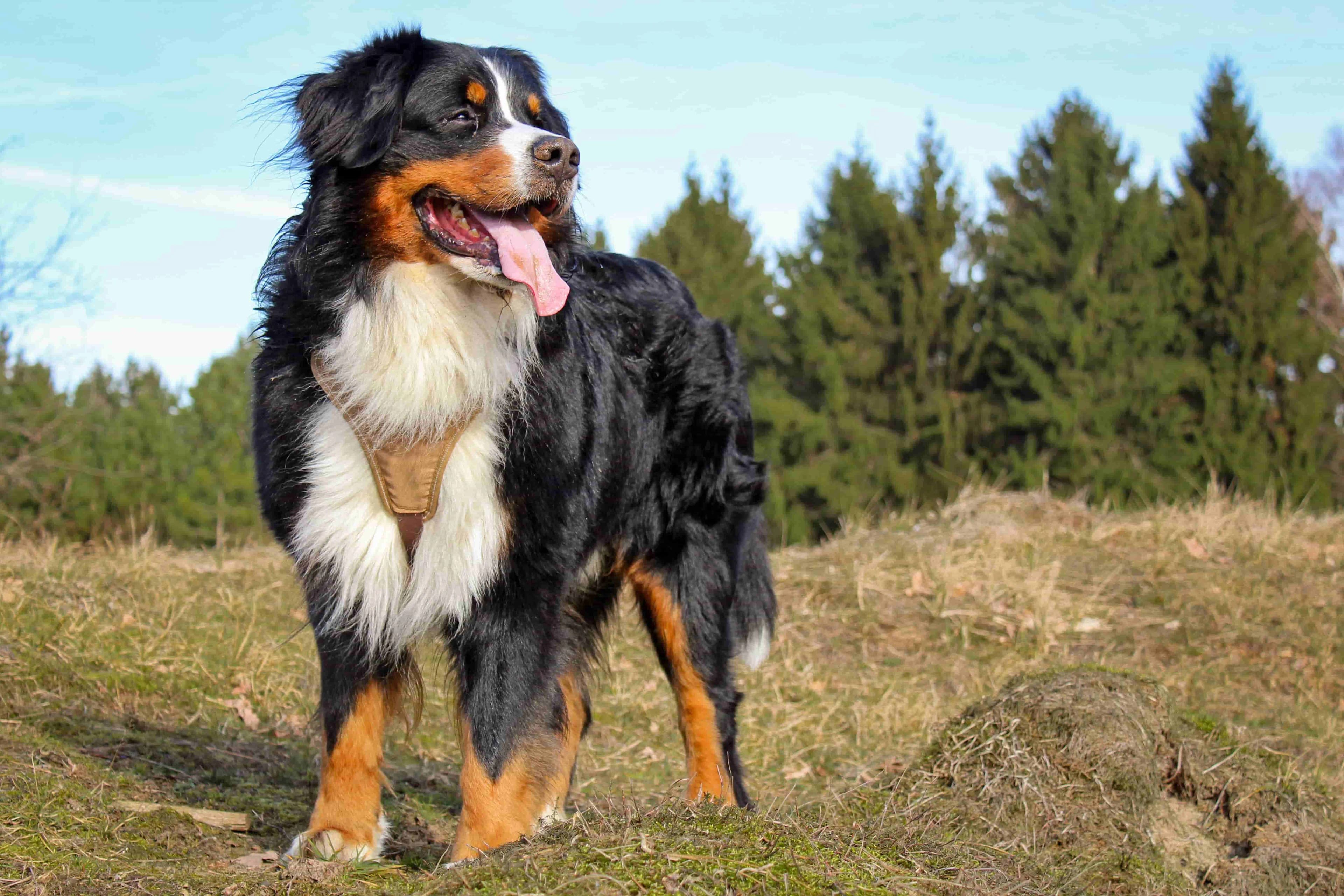
The name "Hovawart" originates from Middle High German and means "yard warden" - a role this breed has fulfilled for centuries. Often cited as one of the oldest German dog breeds, it was used as a guard and protection dog as early as the Middle Ages. Modern breeding of the Hovawart began in the 1920s in Germany, when breeder Kurt F. König set out to create a versatile and reliable farm dog. König and his associates crossed various breeds, including the German Shepherd, Newfoundland, and Leonberger, to develop the Hovawart we know today. The breed was officially recognized by the German Kennel Club in 1937. Despite a disruption in breeding during World War II, work on the breed resumed in the 1960s. Since then, the Hovawart has made a name for itself worldwide, both as a working dog and a beloved family companion.
Yard warden, guard dog, protection dog
Germany
Mittelalter / 1922
In family life, many owners describe the Hovawart as a very affectionate, cuddly, and deeply loyal companion that likes to stay close to its people at all times. At home, with enough to do, it is usually even-tempered, calm, and unobtrusive. It bonds very closely with its people and often treats familiar family members with remarkable patience and tenderness.
At the same time, owner accounts point out that the Hovawart isn't a dog you keep on the side. Its physical power and its need to be truly included take space and time. When visitors arrive, nearly all of these dogs immediately show their original farm-dog nature: strangers are by no means greeted with open enthusiasm, but are watched closely and, when in doubt, only tolerated after the owners clearly give the okay. For families, that means setting clear rules for visitors and territory from the start.
Sources:forum.hundund.deyorkie-hundeforum.comagrar.dehovawart.orgvomnadjangrund.de
On training and temperament, experienced owners agree that the Hovawart is a late bloomer that often isn't fully mature mentally until around three years old. On forums, adolescence is regularly described as a real test of patience. The breed has a strong independent streak and tends to question whether a cue makes sense. Anyone expecting blind obedience like that of some classic shepherd breeds will be disappointed; the Hovawart cooperates best when it experiences fair leadership and enjoys the task.
Owners explicitly warn against both a heavy hand and a hands-off, anything-goes approach. With many of these dogs, pressure leads to stubborn refusal, while a lack of leadership leads the dog to take responsibility for the house and family itself, which can quickly result in controlling behavior or sharpness toward strangers. As the recipe for success, owners name unshakable, loving consistency, early frustration tolerance, and a close foundation of trust from puppyhood.
Sources:forum.hundund.deyorkie-hundeforum.comvomnadjangrund.dedogforum.deforum.doguniversity.app
Owner accounts of exercise and guarding behavior show that the original working dog is still very much alive in the Hovawart. Plain walks aren't enough for most of these dogs in the long run; they thrive when they get jobs for their brain, whether tracking, mantrailing, retrieving, or a mix of dog sports. Experiences with hunting drive differ: some owners report complete disinterest in wildlife and easy off-leash time, while others describe a real responsiveness to moving things that needs to be well controlled at first.
The protective instinct, by contrast, is deeply rooted in nearly all of these dogs and doesn't need to be encouraged. Many owners appreciate that their Hovawart isn't a nervous yapper but watches first, weighs things up, and only steps in forcefully when it really matters. Even so, walking an adult, watchful Hovawart calls for foresight on walks at dusk or in encounters at the garden fence, since these dogs keep a very serious eye on their surroundings.
Sources:forum.hundund.deyorkie-hundeforum.comagrar.dehovawart.orgvomnadjangrund.de
Paraphrased from real owner reports · translated from German
The Hovawart is an active dog that needs plenty of exercise and mental stimulation. Research the temperament, grooming needs, and space requirements before deciding.
The average life expectancy of a Hovawart is 10-14 years. With proper care and regular vet visits, your dog can live a long, healthy life.
Hovawart grooming requirements include regular brushing, nail trimming, and dental care. HonestDog provides detailed grooming tips for every breed.
The Hovawart can be a great family dog. Proper training and socialization are key. HonestDog provides family suitability information for every breed.
The Hovawart comes in these colors: Black, Black and tan.
German dog breeds in profile: history, temperaments, and care tips dog owners need to know today. Key facts and trends explained.
Warum bellt der Hund ständig? Erfahre die häufigsten Ursachen für Bellen und wie du deinem Hund stressfrei Ruhe beibringst.
Which breed is the best family dog? Discover the top 15 family dogs in 2026, comparing size, care, and suitability for kids and beginners.
Showcase your kennel on HonestDog and reach families searching for a responsibly bred Hovawart.