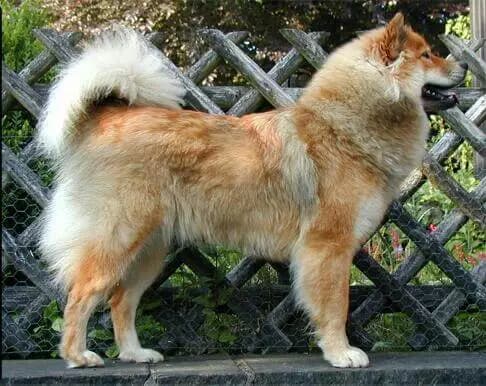
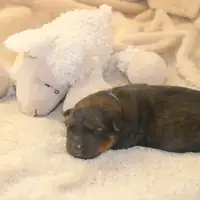
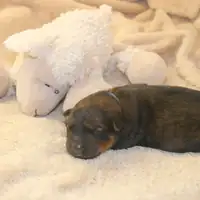
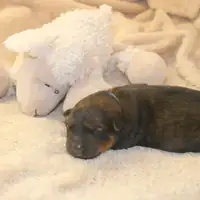
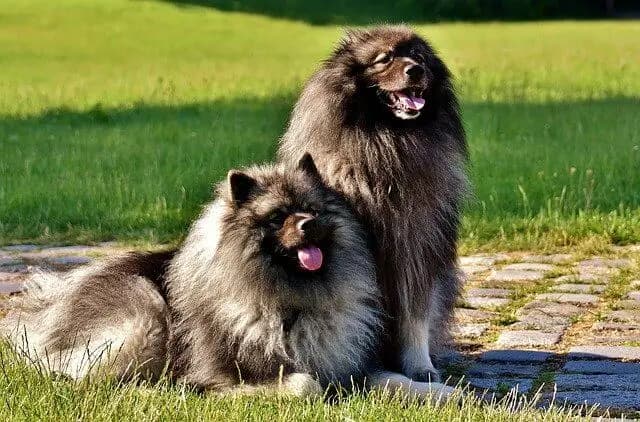
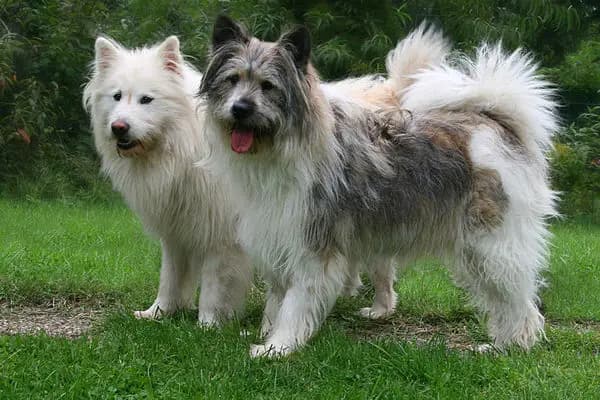
With thoughtful breeding, the Eurasier is considered a robust dog, but because of its limited gene pool it carries specific risks affecting the joints, eyes, nervous system and thyroid. A key issue is hypothyroidism (underactive thyroid), for which a health examination is mandatory in, for example, the Eurasier-Klub e.V. Sitz Weinheim. In the musculoskeletal system, hip dysplasia (HD), elbow dysplasia (ED), knee problems and transitional vertebrae can occur. Because these joint and spinal conditions are inherited polygenically, there is no DNA test for them – but X-ray screening of the parent dogs, joint-friendly rearing and later weight control reduce the risk for your puppy considerably.
The eyes also need close attention: the breed's risk profile includes eyelid abnormalities such as entropion, ectropion and distichiasis (extra rows of eyelashes), as well as serious conditions such as cataracts, primary open-angle glaucoma and generalised progressive retinal atrophy (PRA). Reputable breeders therefore have their breeding dogs' eyes clinically examined by specialist veterinary ophthalmologists at regular intervals. For specific hereditary defects such as VLDLR-associated cerebellar hypoplasia (a neurological developmental disorder of the cerebellum) and SLC13A1-associated chondrodysplasia (a disorder of cartilage and bone growth), responsible breeders use modern DNA tests. Such a DNA test reliably shows whether a parent dog is clear or a carrier, so that targeted mating with clear partners reduces the risk of puppies developing these specific defects.
Your checklist for the first conversation with a Eurasier breeder
When buying a puppy, never rely on verbal assurances; ask to see all the relevant original documents on site. When you visit the breeding premises, pay particular attention to the following points:
- Thyroid values: Ask to see current laboratory results for both parent dogs showing normal thyroid function with regard to hypothyroidism.
- Joint and X-ray results: Request the official evaluations for hip dysplasia (HD), elbow dysplasia (ED) and the knees, and ask specifically whether transitional vertebrae are known in the line.
- Eye examinations: Check the current report of a specialist veterinary eye examination for cataracts, glaucoma, PRA and eyelid abnormalities (entropion, ectropion, distichiasis).
- Genetic test results: Ask to be shown the laboratory certificates for the DNA tests for VLDLR-associated cerebellar hypoplasia and SLC13A1-associated chondrodysplasia.
- The dam's temperament: Watch the bitch closely. As is typical of the breed, she may be reserved and uninterested in you as a stranger, but she should remain confident and calm – panic or aggression are clear warning signs.
- Rearing within the family: A Eurasier withers in a kennel. Make sure the puppies grow up in the middle of the living area and are already being accustomed to everyday noises, different surfaces and close contact with people.
On HonestDog, a breeder profile only goes online once the breeder has completed registration: identity verification by ID and selfie, where applicable proof of club membership or a §11 permit, a knowledge test on breeding and animal welfare, and agreement to the HonestDog breeding standards, which among other things rule out breeding from dogs with traits associated with extreme conformation. Any health tests of the parent dogs that breeders upload are shown directly in their profile; ask to see the original results when you visit. Your next step: compare the profiles of Eurasier breeders on HonestDog, look at the health evidence they have uploaded, and ask directly about the next litter.