ShikokuSame FCI section
The Hokkaido is a courageous, extremely loyal Asian Spitz of the primitive type—bred as a tough hunting dog for Japan's rugged mountain forests, capable of taking on bears. This intrepid hardware makes him a territorial one-person dog who ignores strangers and protects his family uncompromisingly.
How the health grade is calculated
Sources for required breeding screenings. Deutscher Club für Nordische Hunde e.V. (DCNH)
Self-check
Answer 6 quick questions about your everyday life and see how well the Hokkaido fits you — including an honest cost estimate per month, per year, and across the dog's lifetime.
At a glance
The essentials — key facts, traits, and health priorities — before you dive deeper.
Lifespan
12–15 yrs
Shoulder height
43–50 cm
Weight
18–30 kg
Practical
Temperament
Daily life
What matters most
Especially with a Hokkaido, choosing the right breeder is the single most important decision you'll make. Serious breeders consistently test the parents for inherited conditions, prioritize healthy early socialization, and stay accountable long after handover. A cheap puppy without health screening tends to become the most expensive dog later on.
See HonestDog breeder standards →Colors & coat
The coat colors that occur in the Hokkaido — including which ones fall outside the breed standard and which carry genetic risk.
Eye colors
 Brown
Coat type
 Double coat
 Medium
The real vibes check
A Hokkaido does not give his heart to just anyone; instead, he builds an invisible, indestructible wall between his family and the rest of the world. You aren't getting an 'everybody's darling' for the pedestrian zone, but an incorruptible, serious guardian in a thick coat. Once you earn this exclusive loyalty, this dog will literally walk through fire for you.
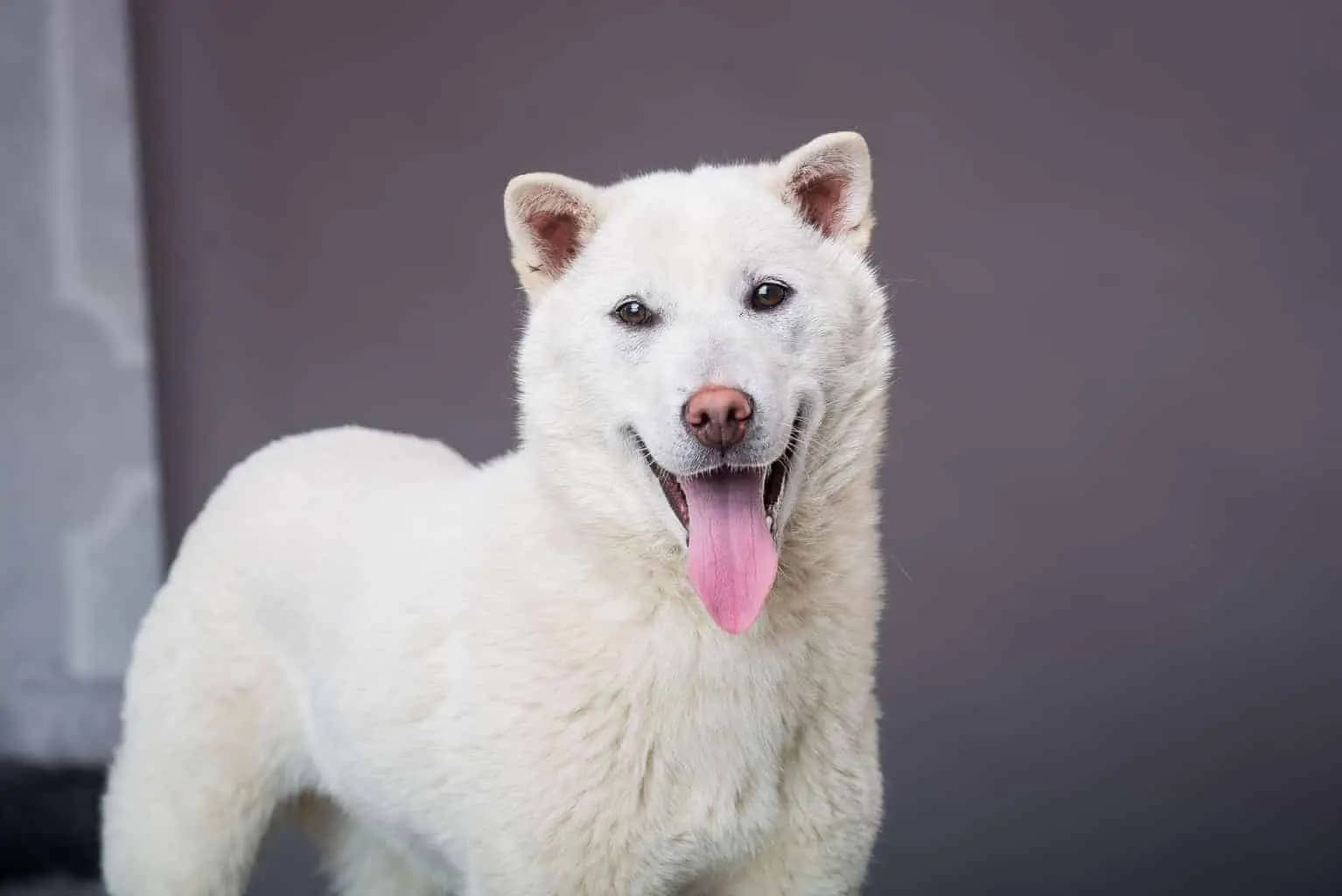
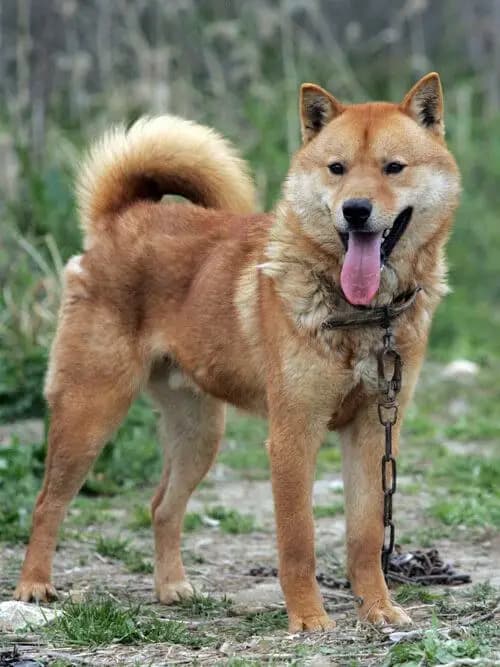
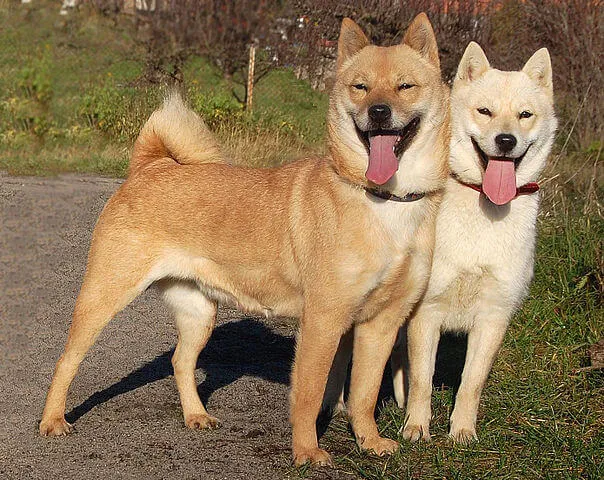
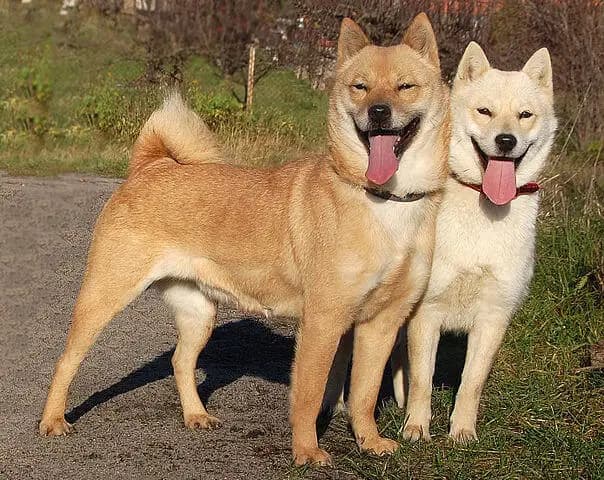
The Hokkaido, also called Hokkaido Inu or Ainu Ken, belongs to FCI Group 5: Asian Spitz and related breeds. With his strong stature and pronounced muscles, he appears elegant and robust at the same time. Its coat is thick and straight with an ample undercoat that protects it from harsh weather conditions. The Hokkaido has a special charisma that is expressed in its strong eyes and proud facial expression. A notable feature is its erect ears, which contribute to its alertness and attentiveness. This breed does not differentiate between performance and show lines and is characterized by its adaptability and versatility. Hokkaidos are known for their talent as hunting, protection and rescue dogs, but they have also proven themselves as family dogs.
The Hokkaido is a working dog through and through. Its robustness and endurance make it an excellent one Companion for active people and families. But in addition to his work ethic, the Hokkaido also has a strong protective instinct. As a guard dog, he is attentive and vigilant without being overly aggressive. The Hokkaido has an independent spirit, which can make them seem a bit stubborn at times. But that doesn't mean he can't learn. On the contrary, the Hokkaido is quite trainable and responds well to positive reinforcement. While he is a natural guard dog, he can also learn to stay alone when necessary. While this breed is not overly playful, they do show some enjoyment in activities that challenge them mentally and physically. This can range from hikes to agility exercises to nose work. The Hokkaido has a strong hunting instinct that can come into play when in contact with smaller animals. It is therefore important that he learns to control this instinct as a puppy. Early and ongoing socialization can help promote good compatibility with other animals. What sets the Hokkaido apart is its loyalty to their family. He shows a deep bond and a strong protective instinct, especially when there are children in the household. His cautious and calm nature makes him a pleasant family dog, yet remains alert and attentive. The Hokkaido is an excellent companion for active and experienced dog owners. He is intelligent and willing to learn, but also needs clear leadership and sufficient activity. His toughness and endurance make him a great partner for outdoor activities, while his faithfulness and loyalty make him a beloved family member. With proper training and socialization, the Hokkaido can live happily and healthily in both urban and rural environments. If you are ready to make room for a Hokkaido in your life, you will be rewarded with a loyal and robust companion who will certainly delight you with his devotion and strong character. It is important that you research this breed thoroughly before purchasing to ensure it fits your lifestyle. We will assist you in your search for the perfect Hokkaido puppy and help you find the right breed for your home.
| Watchfulness Reports unusual activity but stays controlled. | Moderate |
| Openness to Strangers Warms up quickly and is generally welcoming. | Friendly |
| Hunting or Herding Drive Mild interest in movement and small animals — easily managed. | Low |
Fun Fact!
Although the Hokkaido is still relatively unknown in Germany, it is one of the oldest and most original dog breeds in Japan. There it is considered a national treasure! We hope that we were able to give you a good overview of the Hokkaido with this breed portrait. If you feel that Hokkaido fits your lifestyle well and you are ready to take on the responsibility of an active and intelligent dog, then a Hokkaido could be the perfect companion for you. We look forward to supporting you in your search for your new four-legged family member!
The Hokkaido is a dog of remarkable endurance and dignity. His temperament is loyal, docile, very alert and courageous. He has good judgment and great endurance.
The Hokkaido is an active and intelligent dog that can be kept both in the city and in the country as long as it receives enough exercise and mental stimulation. Since it was originally bred as a hunting and guard dog, it needs a lot of exercise and activity. Although the Hokkaido is generally considered to be good with children, any interaction between children and dogs should always be supervised. Since he has a strong protective instinct, he can sometimes be a bit cautious or reserved towards strangers. With other pets it can be more complicated, as the Hokkaido has a strong hunting instinct. Early and thorough socialization can help minimize the risk of problems.
Loves family life and thrives in a group.
Takes boisterous and affectionate children in its stride.
Usually gets on fine with other dogs.
Adapts well to city living and urban environments.
Owning a dog is a privilege, but it's also a real responsibility. Before you bring one into your life, be honest with yourself about the commitment it takes.
The Hokkaido is an intelligent and willing to learn dog, but he can also be independent and sometimes a bit stubborn. Therefore, consistent but loving leadership is necessary. Positive reinforcement usually works best, and training should be designed as a fun and rewarding game. Due to his working history, the Hokkaido is very active and requires daily exercise and mental stimulation. Although he doesn't have any particular inclination to be a "ball junkie" shows, you should make sure that playing with the ball does not become your only activity. Various activities such as search games, nose work or agility can exercise the Hokkaido both physically and mentally and help him improve his frustration tolerance and impulse control. When raising a Hokkaido, the focus should also be on socialization and retrieval in order to get their natural hunting instincts under control. Patience, consistency and positive reinforcement are the keys to success here.
When it comes to the Hokkaido's diet, attention should be paid to balanced, high-quality food. A Hokkaido is an active and hardy dog that requires a high-protein diet to maintain its energy and health receive. Make sure the food contains all the necessary vitamins and minerals to keep your dog healthy and fit. Grooming the Hokkaido is generally straightforward. It has a thick, medium-length coat with an undercoat that protects it even in cold temperatures. Regular brushing - especially during shedding - helps remove loose hair and keeps the coat healthy and shiny. In general, the Hokkaido gets along well with the climate in Germany and sheds moderately.
| Care Level Minimal effort — occasional brushing and bathing. | Low-maintenance |
| Exercise Needs Needs several hours of serious exercise every day. | Very active |
| Shedding Hair everywhere, always — no white clothing survives. | Very heavy |
| Trainability Has its own ideas and will test limits. | Strong-willed |
Our experts are still reviewing this information. Spotted something wrong? Email us at info@honestdog.de.
Solid, watch carefully
Health grade
In the Hokkaido, hereditary eye diseases play a central role, including primary lens luxation (PLL), progressive retinal atrophy, cataracts, and hip dysplasia (HD). For breeding approval, the Deutscher Club für Nordische Hunde e.V. (DCNH) mandates an ophthalmological eye examination for ocular problems with the threshold value 'clear'. Responsible breeders additionally screen their dogs for hip dysplasia (HD) with a result of HD A–C, as well as for patellar luxation (PL). Before buying a puppy, ask to see the official test results of the parent animals: a completely clear eye exam, unobjectionable HD results, and, in the case of a test for Collie Eye Anomaly (CEA), proof that a carrier was bred exclusively to a clear mate.
Grade is relative to other breeds — AI-assisted and editorially reviewed.
Methodology and data: HonestDog Dog Breed Health Report 2026
What matters most for this breed
Tap any item to see details.
With joint-friendly rearing and regular veterinary eye exams, you ensure that your dog remains active and healthy for a long time.
Responsible breeders mandate an ophthalmological eye examination and additionally screen for hip dysplasia (HD) as well as patellar luxation (PL) in order to avoid eye damage and joint conditions.
Note: This health overview is AI-assisted and editorially reviewed. It is for orientation only and does not replace veterinary advice.
What matters most for this breed — what's common, how much it affects the dog's life, and how to protect yourself as a buyer.
Tap a body region to see the inherited conditions linked to it.
The three most important risks
Pick a region on the map to explore other areas.
Tier 1 is the core standard: the tests Deutscher Club für Nordische Hunde e.V. (DCNH) requires, plus further tests from the recommended health standard for this breed. Tiers 2 and 3 show how responsible breeders go beyond.
Core standard. Tests marked “Club standard” are required by Deutscher Club für Nordische Hunde e.V. (DCNH) for breeding approval; the others are part of the recommended health standard for this breed. Ask any reputable breeder for the results.
No entries in this tier.
Note: This health overview is AI-assisted and editorially reviewed. It is for orientation only and does not replace veterinary advice.
A Hokkaido costs around ~€180 per month (€100 – €340, depending on your setup). The first year adds up to roughly ~€5,740 including purchase, equipment and puppy school; across the dog's life (13.5 years) it comes to about ~€32,800.
With surgery cover, running costs come to about ~€180 per month — in return, your share of a major operation drops from several thousand euros to around 20 percent.
Per month
~€180
In the first year
~€5,740
Across the dog's life
~€32,800
Estimated purchase price from a breeder: €2,000 – €3,500
Estimate at a mid-range setup (suburban, dry food, 1–2 hours of daily exercise), average German prices, as of July 2026.
HonestDog Concierge
We currently have no breeders for this breed who have passed our verification. Create your short buyer profile: we'll set up your search alert, review a possible source and email you within 28 days.
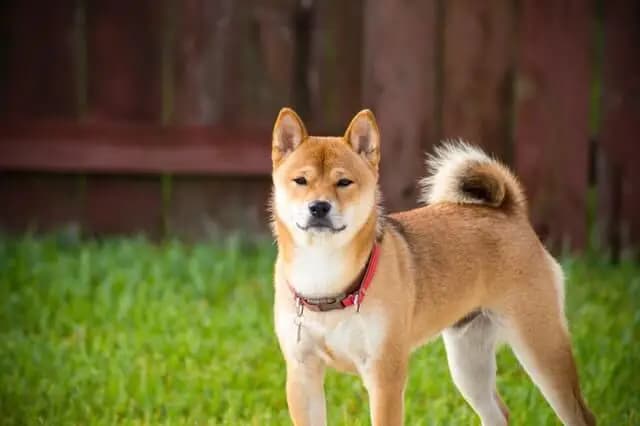
 Illustrative image
 Illustrative image
 Illustrative image
 Illustrative image
The origins of Hokkaido go back a long way and are closely linked to the history of the Ainu, the indigenous people of the Japanese island of Hokkaido. It is believed that the Ainu kept the Hokkaido as a working dog over 3,000 years ago. These loyal dogs helped hunt and protect settlements and were highly valued by the Ainu. The isolation of the island of Hokkaido helped the breed retain its original characteristics for thousands of years. It was only with the Meiji Restoration in the 19th century, when Japan opened up to the West, that the Japanese began to recognize the special nature and value of these ancient breeds and to strive to protect them. In 1937, Hokkaido was officially recognized as a national treasure by the Japanese government. The breed is named after its home island of Hokkaido and is considered one of Japan's six native dog breeds. Despite its national importance, Hokkaido is still relatively unknown outside of Japan.
The Hokkaido was bred by the Ainu as a hunting dog for large game such as bears and also serves as a guard dog.
Japan
Antike
Many owners stress that the Hokkaido is very much a "one-person dog," loyal above all to its closest person. At home it's often described as remarkably calm, clean, and unobtrusive. With its own family it shows a very deep attachment and a natural instinct to guard and protect; it rarely barks indoors for no reason, but it takes threats seriously in a flash.
At the same time, owners point out that how it deals with visitors and unfamiliar dogs has to be managed with foresight. The breed is typically very reserved and aloof with strangers. At dog parks or in chance meetings with other dogs, many Hokkaidos show clear intolerance of pushy or rude behavior from other dogs. Because of its deep-rooted prey drive, sharing a home with small pets is only realistic with very early, careful introductions.
Most experienced owners consider the breed unsuitable for a city apartment alone. According to owner accounts, a securely fenced yard and a more rural, quieter setting make life together much easier.
Owner accounts of training stress again and again that the Hokkaido carries the independence and primitive nature typical of the Japanese spitz breeds. Thanks to its intelligence it learns very quickly, but it always asks what a cue is for. Owners agree that blind obedience isn't on the cards, and that trying to shape it with pressure or harshness destroys trust for good or leads to stubborn refusal.
Experience consistently shows that training only works through calm consistency, fairness, and high-value motivation. The dog's sensitivity is striking: it often reacts immediately to changes in its person's mood. Even so, owners describe it sometimes simply ignoring other family members during training if they don't project the same confidence as its main person.
A recurring everyday challenge is the strong hunting drive of this former big-game hunter. Many owners point out that reliable off-leash time in areas with lots of wildlife is possible only very rarely, or after years of anti-chase training. For most owners the long line is permanent standard equipment, which is why controlling the dog's response to its surroundings is the top priority when training a young dog.
Sources:edogs.defressnapf.depetbook.dezooroyal.dehokkaidoken.co.uk
Experienced owners describe the Hokkaido as a very tough, weatherproof dog built for long, challenging days out. Ordinary walks around the block aren't enough for it. Owners report that two hours of active exercise a day, combined with nose work, tracking, or mantrailing, is needed to keep these dogs mentally and physically satisfied. With their dense coat, they naturally handle heat less well, while snow and cold are when they really come alive.
When it comes to coat care, owners appreciate how the coat cleans itself and how little the dog smells, but they warn about shedding season. Twice a year the Hokkaido loses its dense undercoat in clumps, which makes thorough daily brushing essential.
Because of the small breeding base and the breed's rarity, experts point to inherited risks, especially eye diseases (such as PRA and anomalies) and occasional joint problems, so a dog's background has to be chosen carefully. Owners also often mention that vet exams need to be trained positively early on (medical training), because otherwise this fearless dog will firmly try to fend off being touched and handled by strangers.
Sources:fressnapf.dezooplus.dehokkaidoken.co.ukmit-tier.detoboetsuki.co.uk
Paraphrased from real owner reports · translated from German
The Hokkaido is an active dog that needs plenty of exercise and mental stimulation. Research the temperament, grooming needs, and space requirements before deciding.
The average life expectancy of a Hokkaido is 12-15 years. With proper care and regular vet visits, your dog can live a long, healthy life.
Hokkaido grooming requirements include regular brushing, nail trimming, and dental care. HonestDog provides detailed grooming tips for every breed.
The Hokkaido can be a great family dog. Proper training and socialization are key. HonestDog provides family suitability information for every breed.
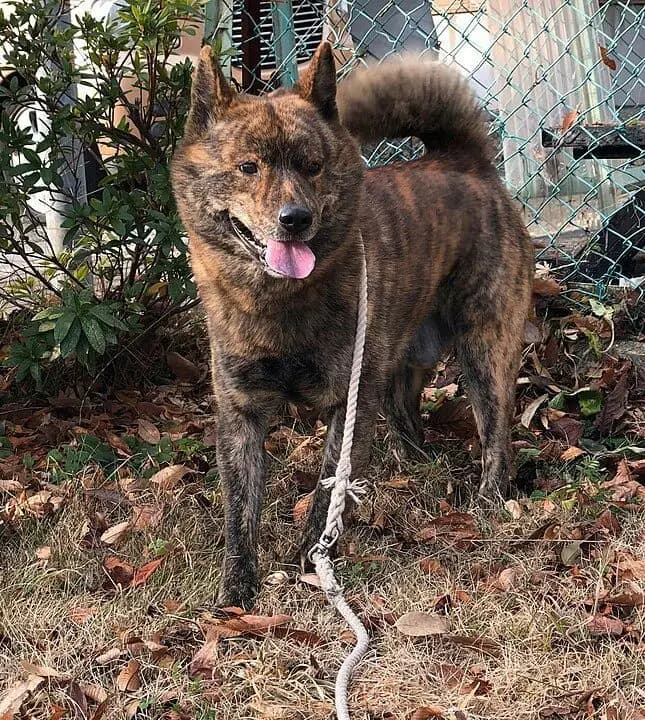
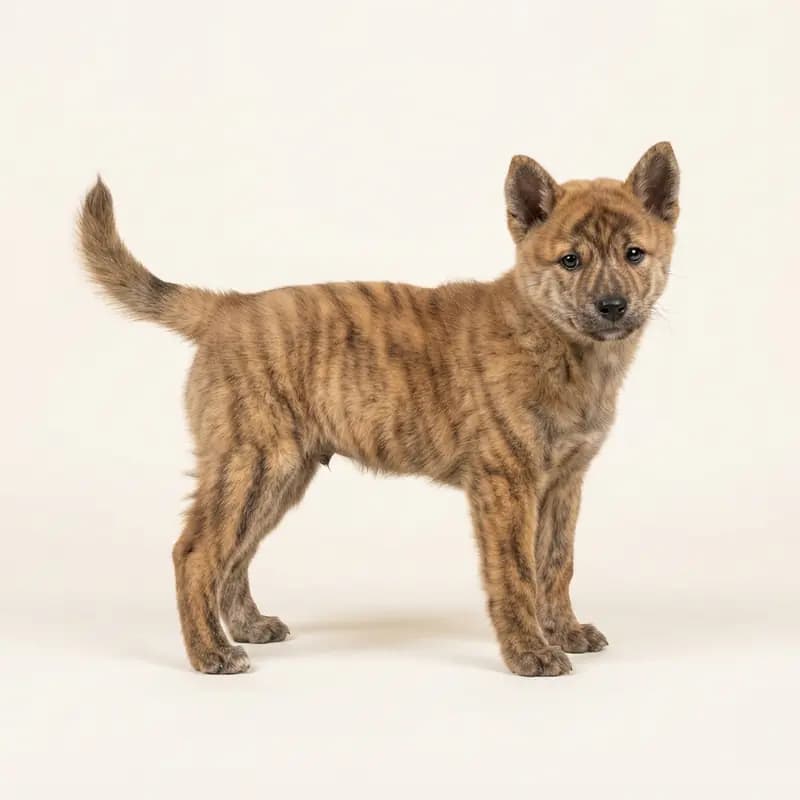
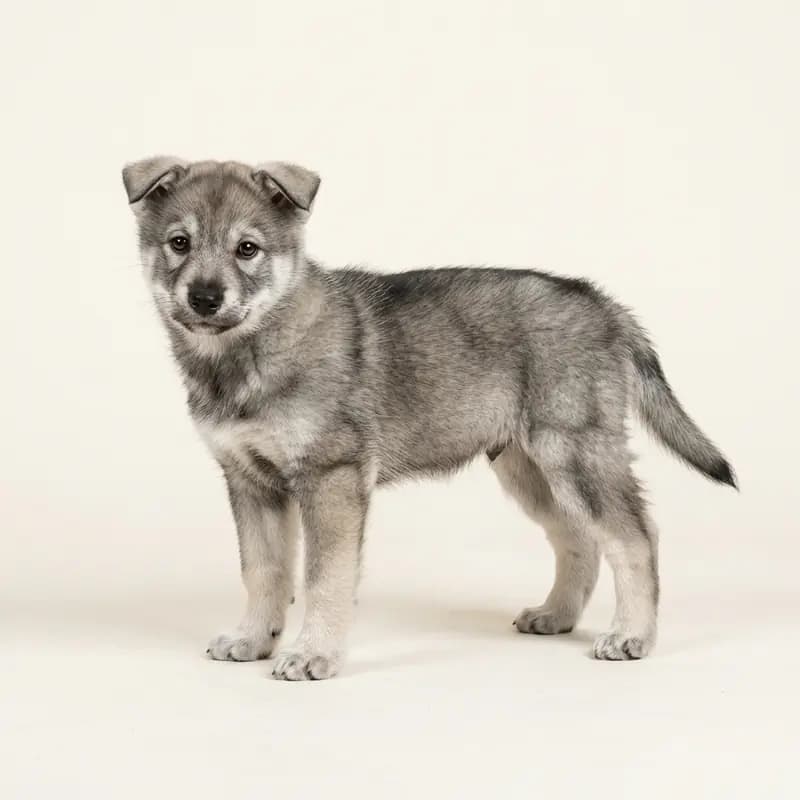
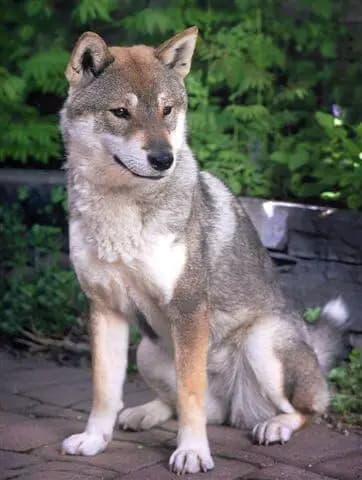
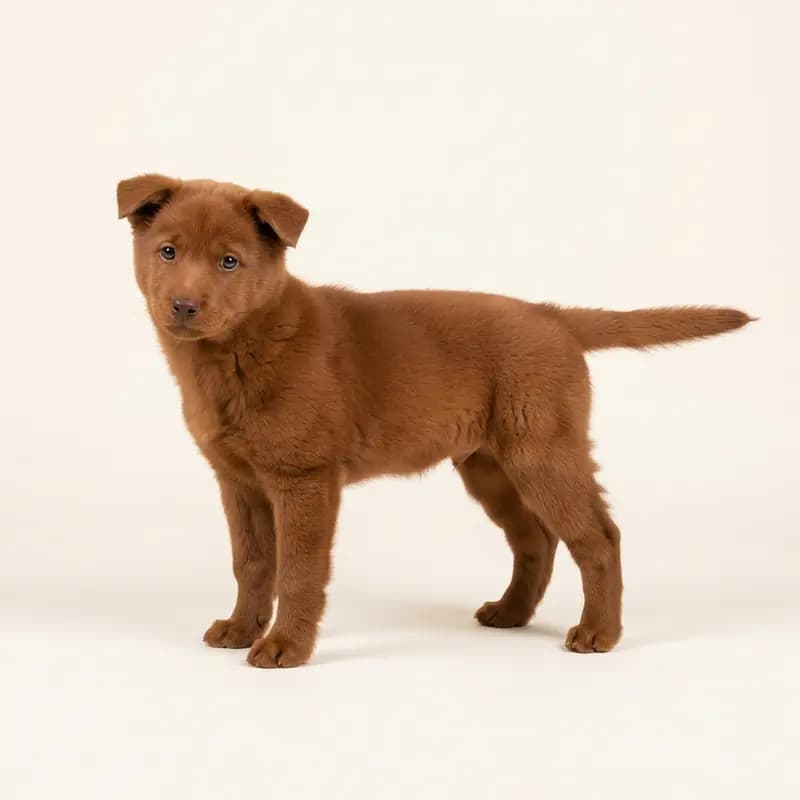
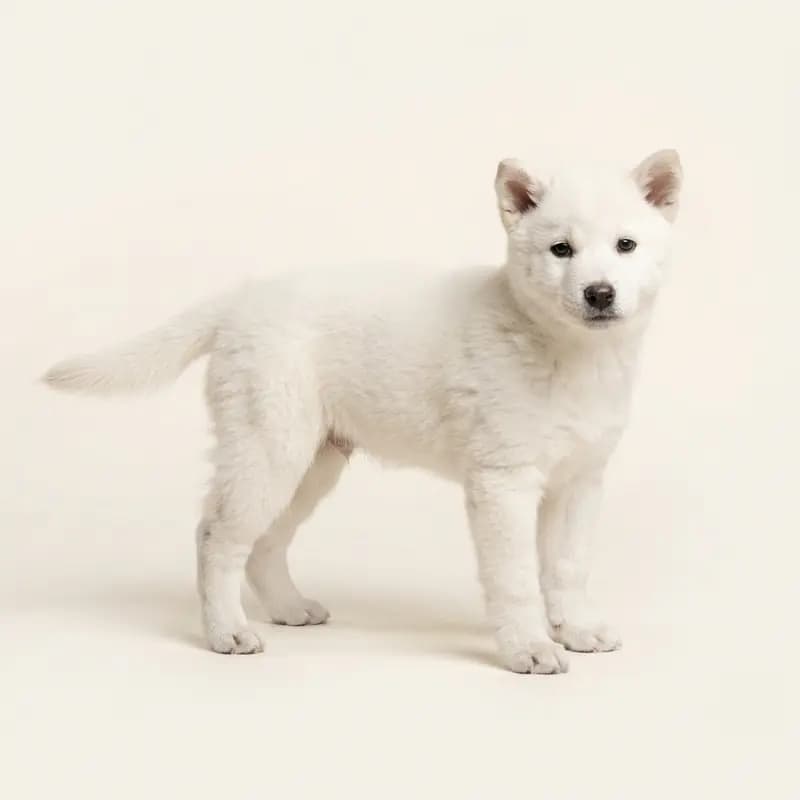
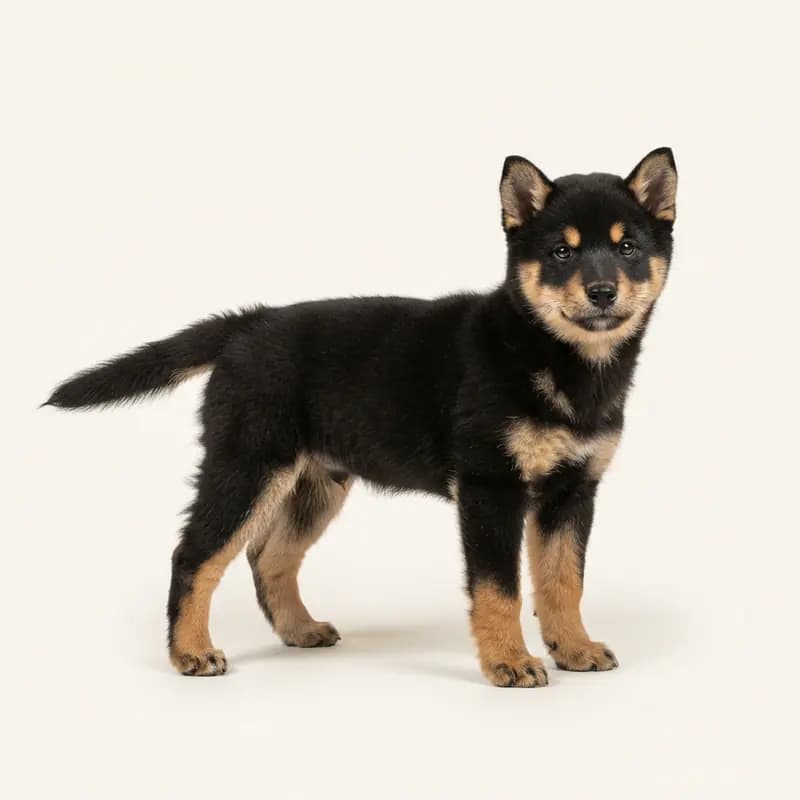
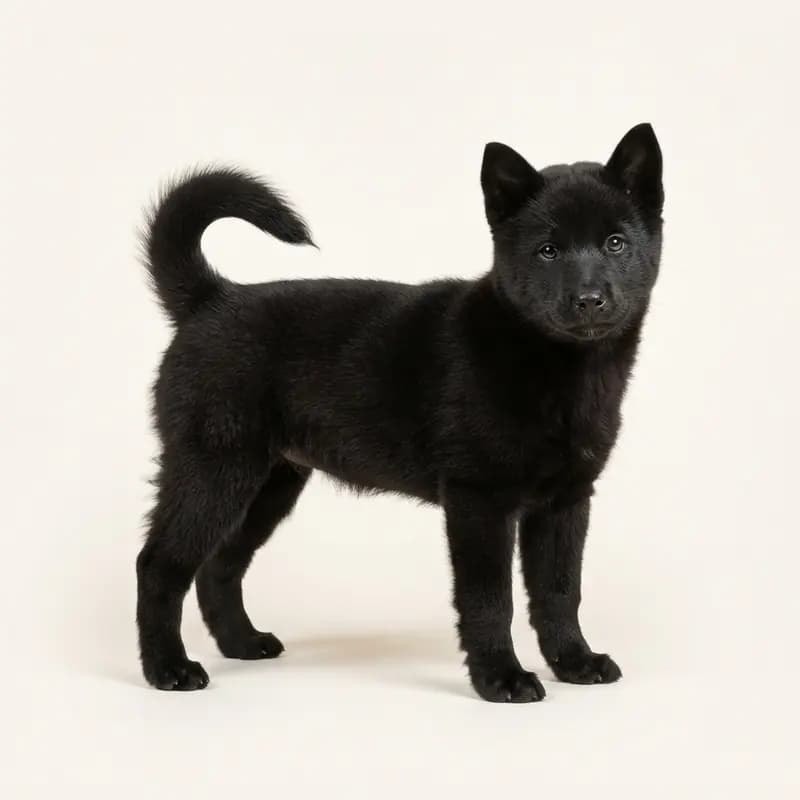
The Hokkaido comes in these colors: Red, White, Black and tan, Black, Brindle, Wolf grey.
Shiba Inu, Akita, and other Japanese dog breeds: explore their history, independent nature, grooming needs, and practical training tips.
Essential Halloween dog safety tips: avoid toxic treats, costume stress, and door-dashing risks for a stress-free October 2026.
Showcase your kennel on HonestDog and reach families searching for a responsibly bred Hokkaido.