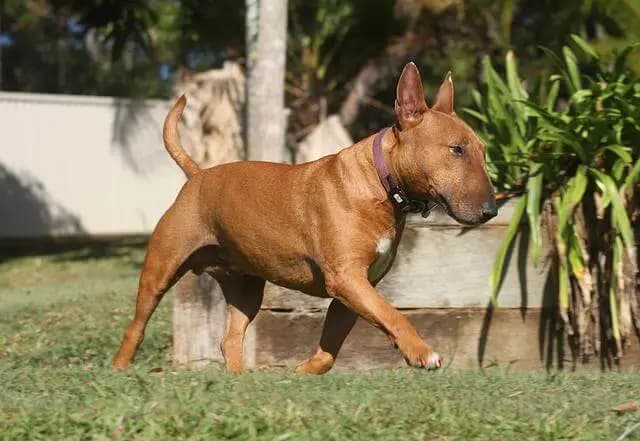
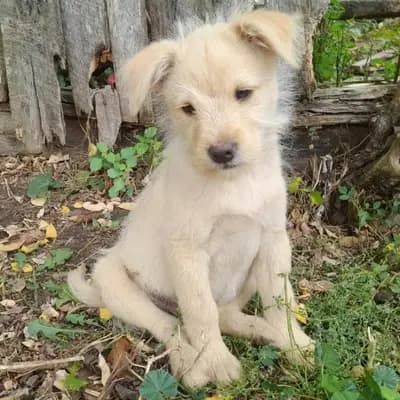
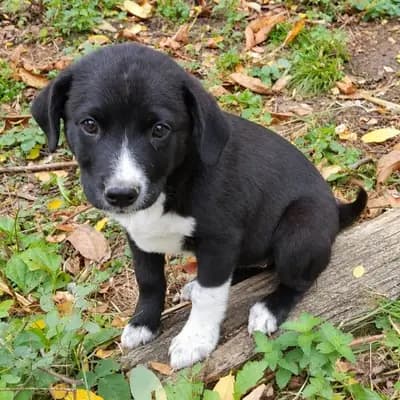
When you take on a rescue dog, you get a surprise package with its own history. Many Miniature Bull Terriers are stressed at first in the shelter, but quickly blossom in calm surroundings and show their charming, brave nature. Because the breed has very high trainability (5 out of 5), you can still work brilliantly on basic obedience and leash manners even with an adult dog.
Health is a particularly important point. Miniature Bull Terriers are considered fairly robust dogs overall, with a life expectancy of 11 to 14 years, but their particular anatomy and genetics bring certain issues affecting the teeth, skin, eyes, hearing and organs. Breed-typical risks include lens luxation, cataracts, primary open-angle glaucoma, progressive retinal atrophy, ectropion and entropion, and persistent pupillary membranes (PPM). Congenital deafness, heart disease, polycystic kidney disease, patellar luxation, laryngeal paralysis and lethal acrodermatitis also play a role in the breed. A health-focused breeder has the parents' eyes, hearing, heart, kidneys and knees examined clinically, pays attention to a healthy jaw and uses the available DNA tests to lower these risks in their line – but with a rescue dog, the genetic background is often unknown. Many shelter dogs come from puppy mills that skip such screenings. So after adopting, plan a thorough checkup with your vet to examine the teeth, skin, eyes, ears, heart and kidneys.