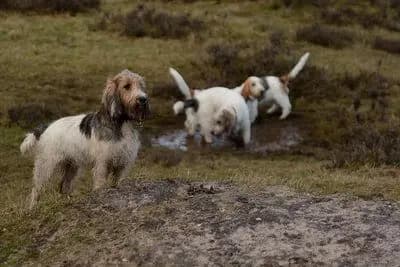
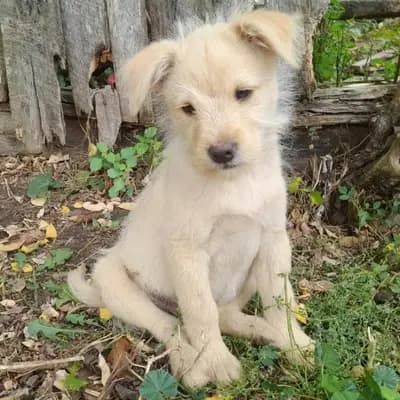
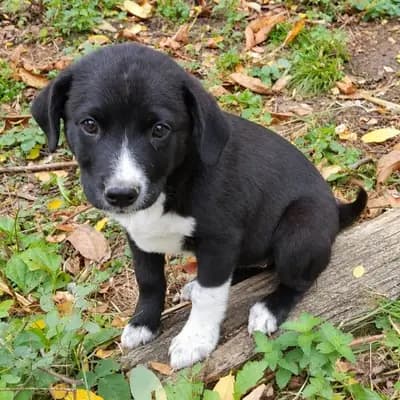
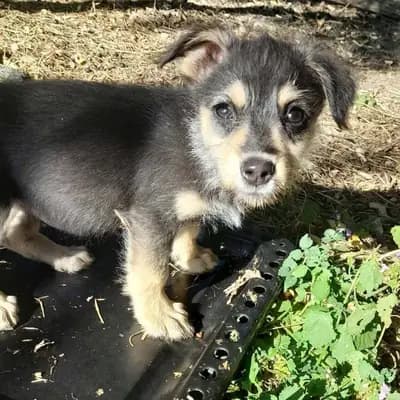
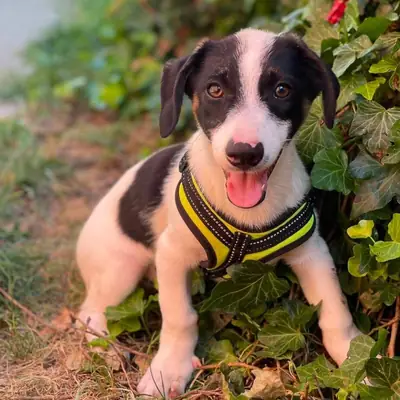
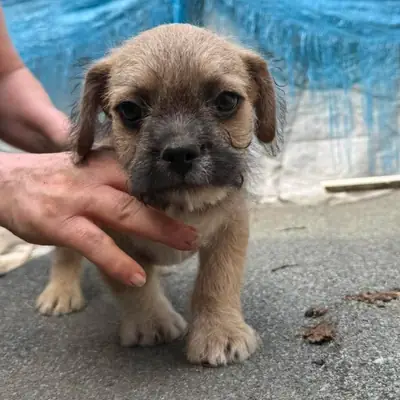
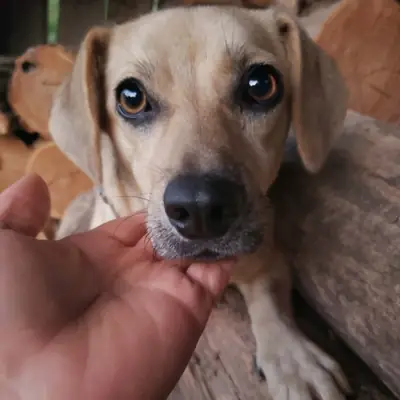
A second-hand PBGV brings life experience. Many of these dogs are already house-trained, know basic commands and prove extremely sociable with other dogs (4/5). Even so, a dog that has lost the people he was attached to needs time to feel secure again. Some will test their boundaries at first, lovingly but persistently, or react with insecurity when left alone.
One important point is health, especially if the dog has an unknown history or comes from irresponsible mass breeders. Because of their distinctive build, with a long back and shorter legs, Petit Basset Griffon Vendéens are prone to issues with the joints, eyes and ears. Breed-typical risks include:
- Eye diseases: general eye abnormalities as well as primary open-angle glaucoma.
- Joints and musculoskeletal system: hip dysplasia (HD) and patellar luxation (kneecap luxation).
- Neurological issues: epilepsy occurs in some lines.
Health-focused breeders have the parents’ eyes (including an examination for primary open-angle glaucoma), hips (by X-ray) and knees clinically tested, and deliberately select epilepsy-free lines to reduce the risk for the offspring. In a shelter, this documentation on the parent animals is usually missing. So ask to see all the veterinary findings from the intake examination, and plan a thorough check of the eyes, joints and back with your own vet.