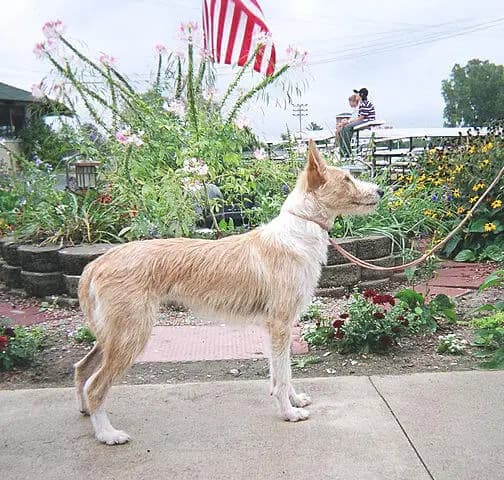
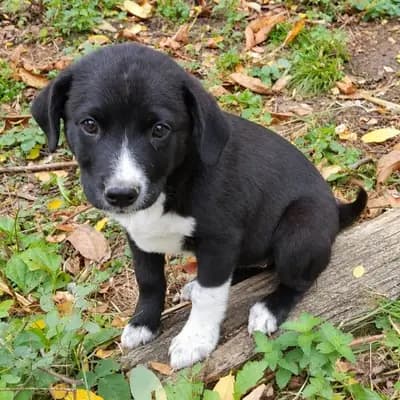
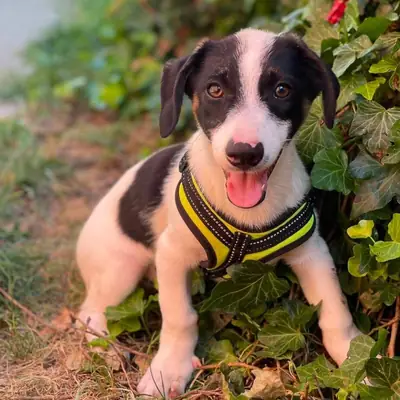
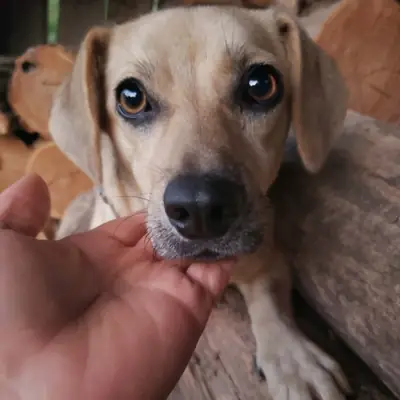
At heart, the small wirehaired Podengo is very family-friendly, good with children and gets on well with other dogs (4/5 in each case). Even so, a second-hand dog comes with a history of his own. At first he may seem watchful or cautious in a new environment, or overexcited because of the stress of the shelter. Give him time to build trust – once he has bonded, he is extremely loyal and adaptable. Grooming his wiry coat is pleasantly easy, with an effort level of 2/5.
Health considerations for the Podengo Português (Small Wirehaired)
The breed is considered very robust and has a life expectancy of 12 to 15 years. However, health issues affecting the knees, hips and eyes do occasionally occur. Responsible breeders (for example within the Deutscher Windhundzucht- und Rennverband e.V., DWZRV) have their breeding dogs clinically examined for patellar luxation (PL), cataracts and the generalised form of progressive retinal atrophy (PRA). They also use a DNA test for progressive rod-cone degeneration (PRCD), which shows whether a dog is clear, a carrier or affected; reputable breeders only mate carriers with clear partners, so that no puppy inherits the tested mutation from both parents and the risk of this condition falls significantly. Legg-Calvé-Perthes disease (LCPD), a hip joint condition, is also a breed-typical issue that dedicated breeders voluntarily have checked.
With a shelter dog, the genetic background is often unknown. So ask to see all the veterinary records, and in everyday life look out for a fluid gait (no sudden three-legged hopping) as well as clear eyes and finding his way confidently at dusk.