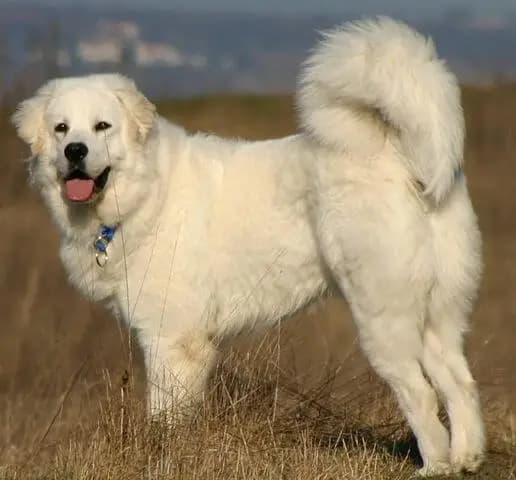
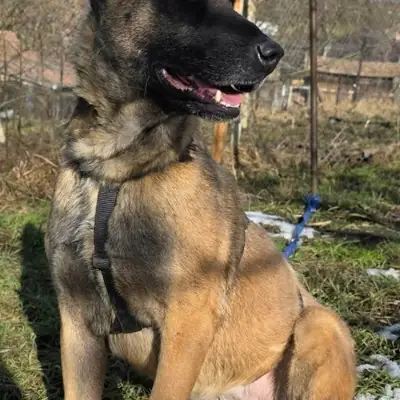
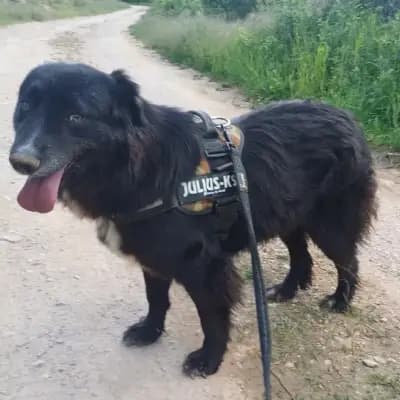
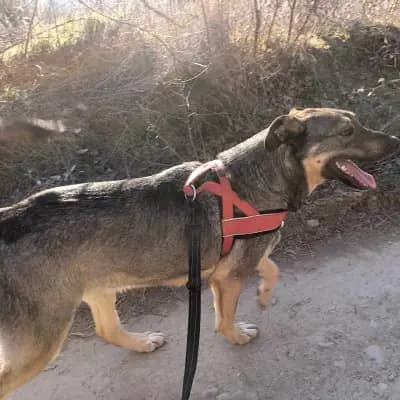
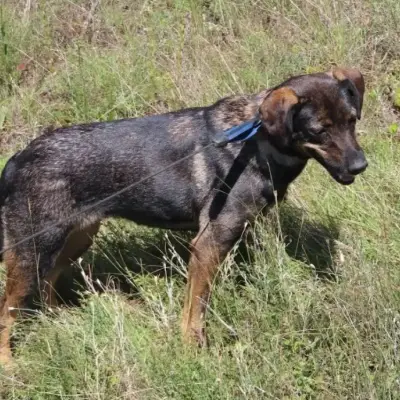
When you meet your prospective dog for the first time, expect some reserve. The Tatra Shepherd Dog is naturally wary of strangers. Give him the time he needs – once he has accepted you as his person, he is extremely devoted, calm, balanced and very good with families and children.
Looking at health is also part of responsible adoption. As a large breed, the Tatra Shepherd Dog comes with a few typical health weak spots, particularly affecting the joints and eyes, along with a certain risk of gastric torsion. Health-focused breeders have the parent dogs’ hips (X-ray for hip dysplasia), elbows and eyes clinically examined, use a DNA test for SLC13A1-associated chondrodysplasia and pay attention to high genetic diversity in order to reduce these risks in the line, but in rescue the dog’s origins are often unknown. If the dog comes from irresponsible puppy farmers, such screening tests were usually not carried out on the parent dogs. Ask the shelter specifically about any known joint or eye problems. With young dogs, you should make sure they grow slowly through a suitably adjusted diet and protect their joints. For dogs of any age, it is essential to keep to rest periods after eating to minimise the risk of gastric torsion.