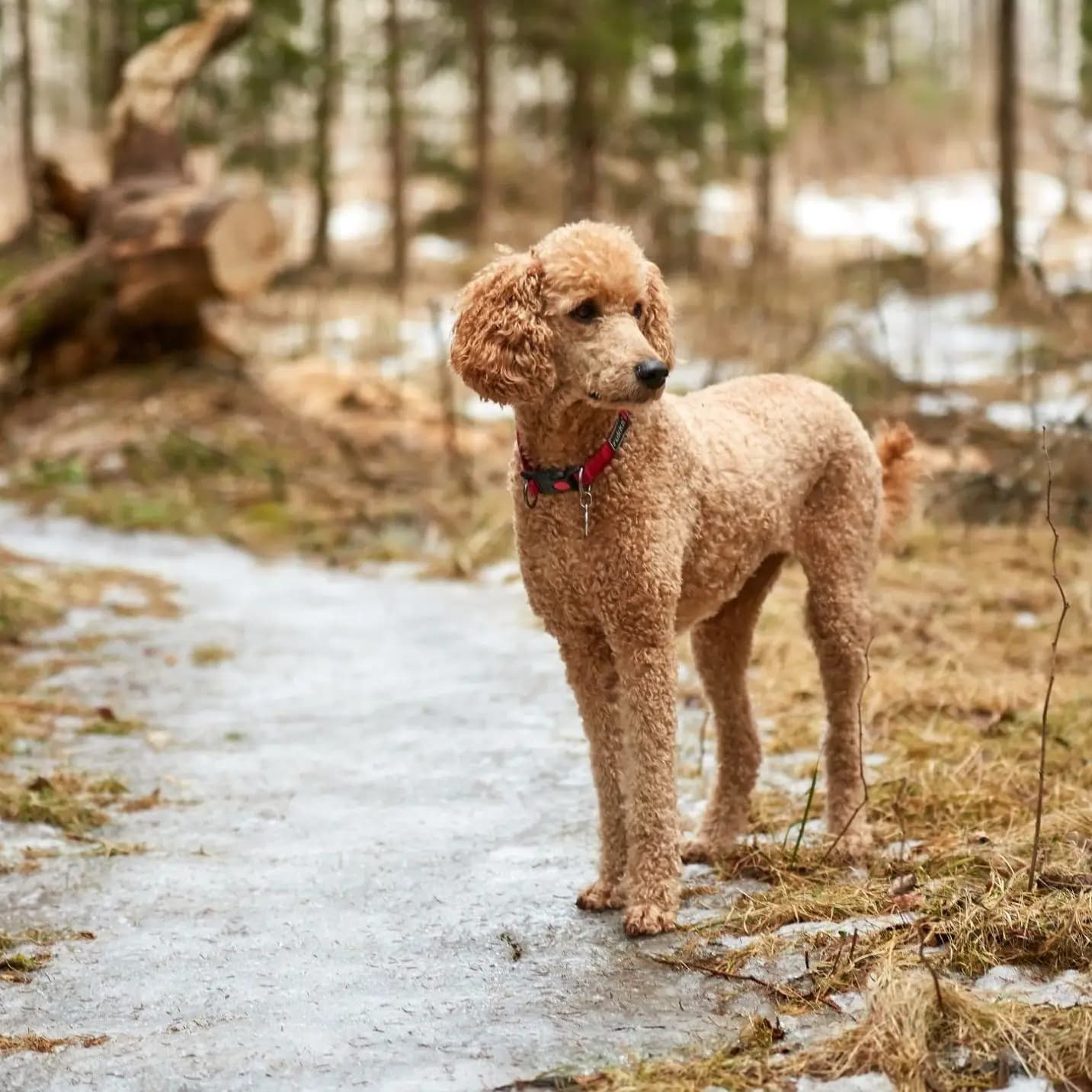
PoodleClose relative
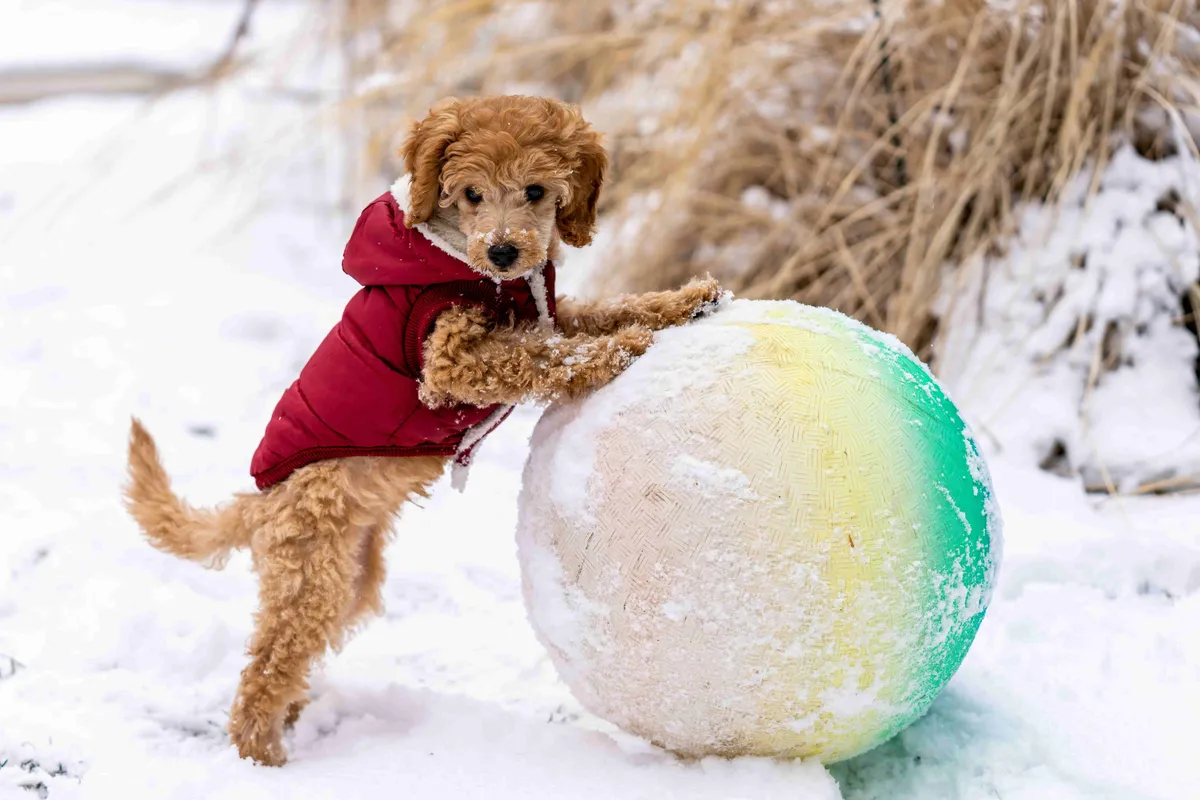
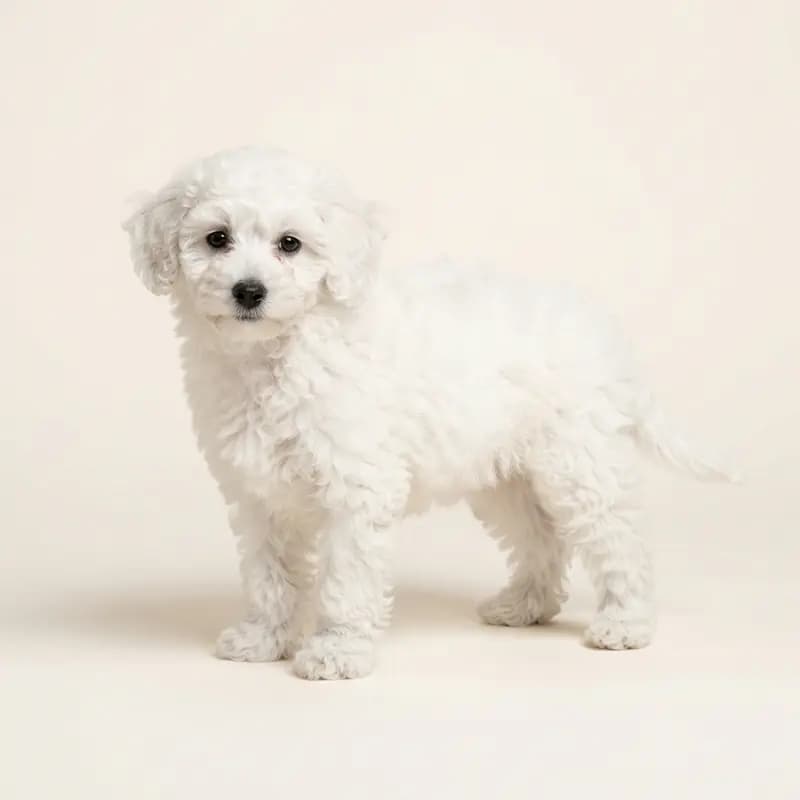
The Toy Poodle is a brilliant, people-oriented companion dog—an Apportierhund (retrieving dog) shrunk down to miniature size that has retained the full intelligence, alertness, and energy of its working ancestors.
How the health grade is calculated
Sources for required breeding screenings. Deutscher Pudel-Klub e.V.
Self-check
Answer 6 quick questions about your everyday life and see how well the Toy Poodle fits you — including an honest cost estimate per month, per year, and across the dog's lifetime.



At a glance
The essentials — key facts, traits, and health priorities — before you dive deeper.
Lifespan
14–16 yrs
Shoulder height
24–28 cm
Weight
2–4 kg
Practical
Temperament
Daily life
What matters most
Especially with a Toy Poodle, choosing the right breeder is the single most important decision you'll make. Serious breeders consistently test the parents for inherited conditions, prioritize healthy early socialization, and stay accountable long after handover. A cheap puppy without health screening tends to become the most expensive dog later on.
See HonestDog breeder standards →Colors & coat
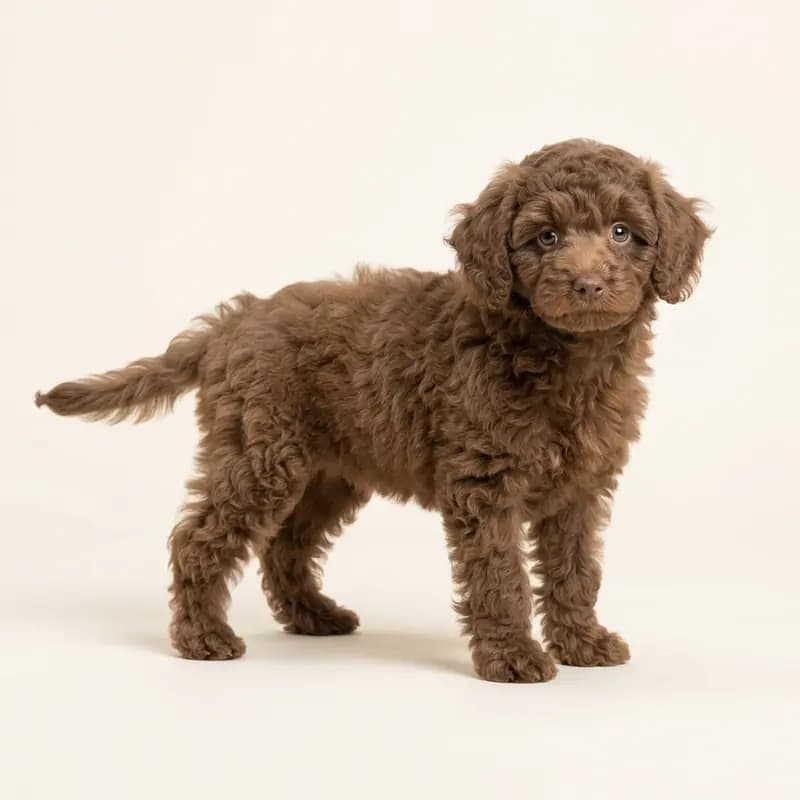
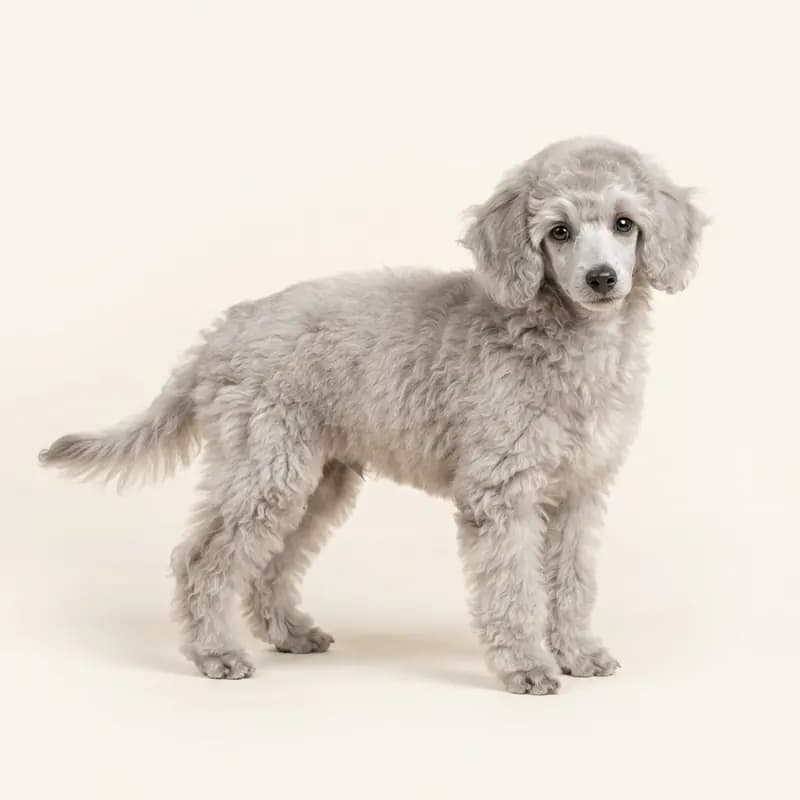
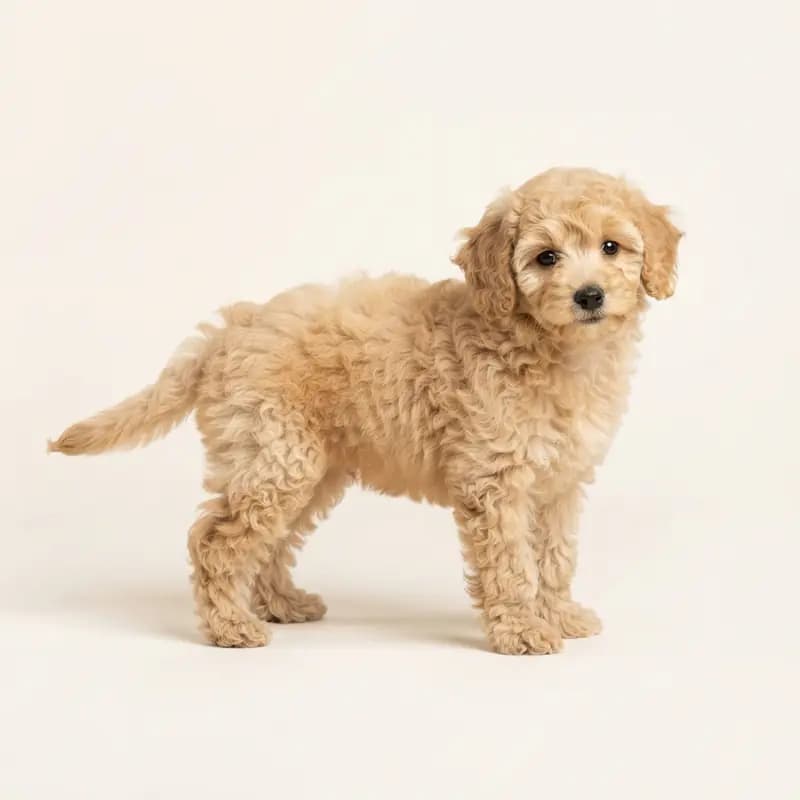
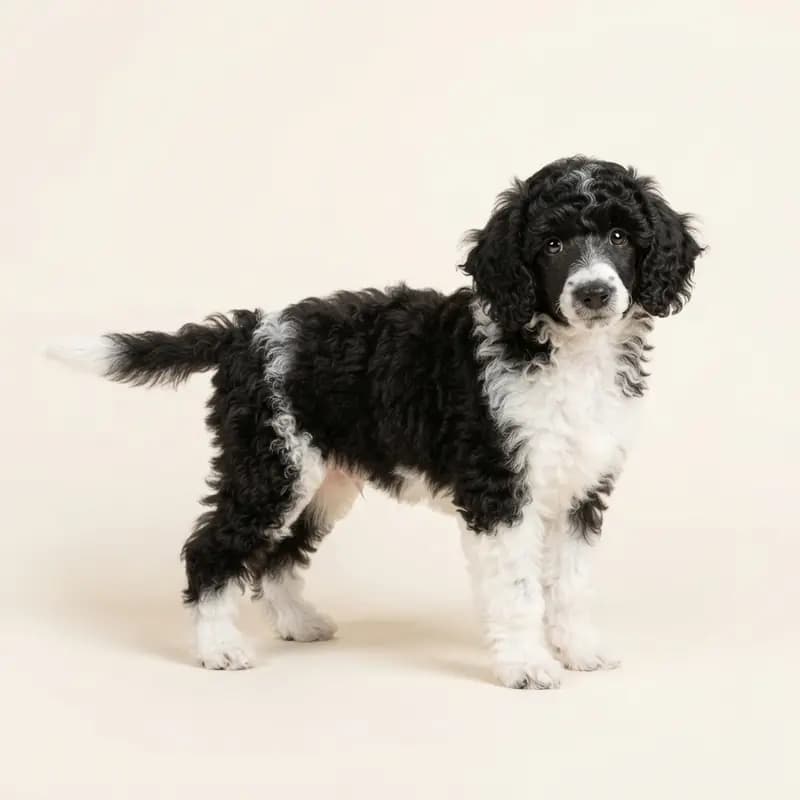
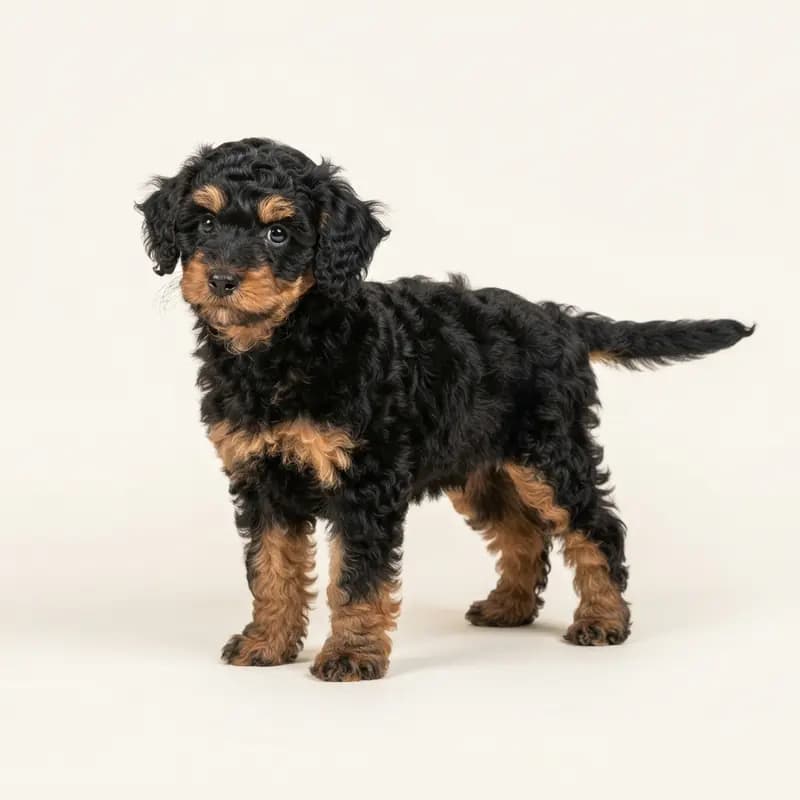
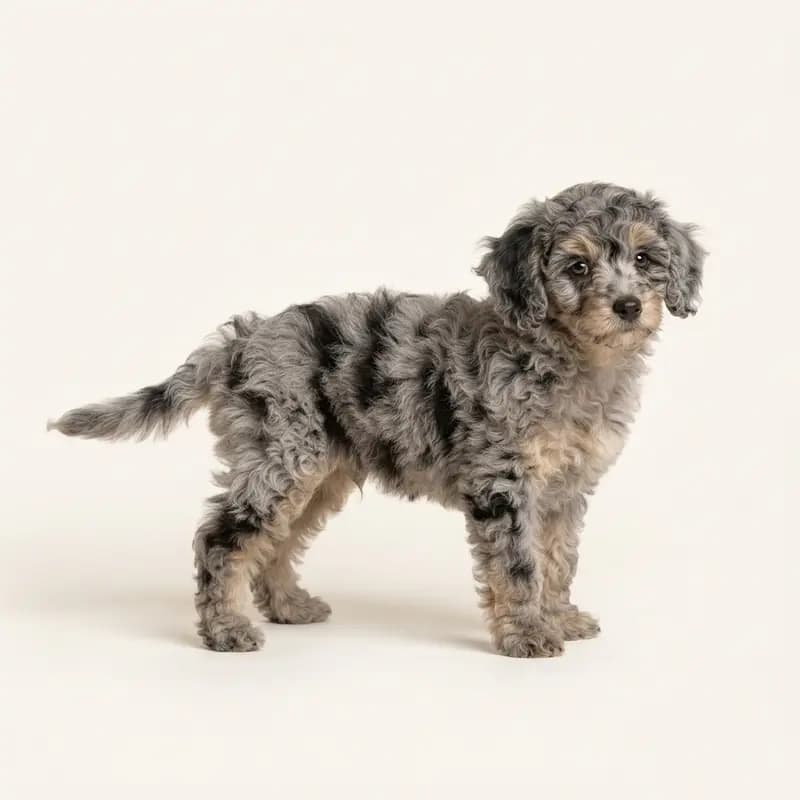
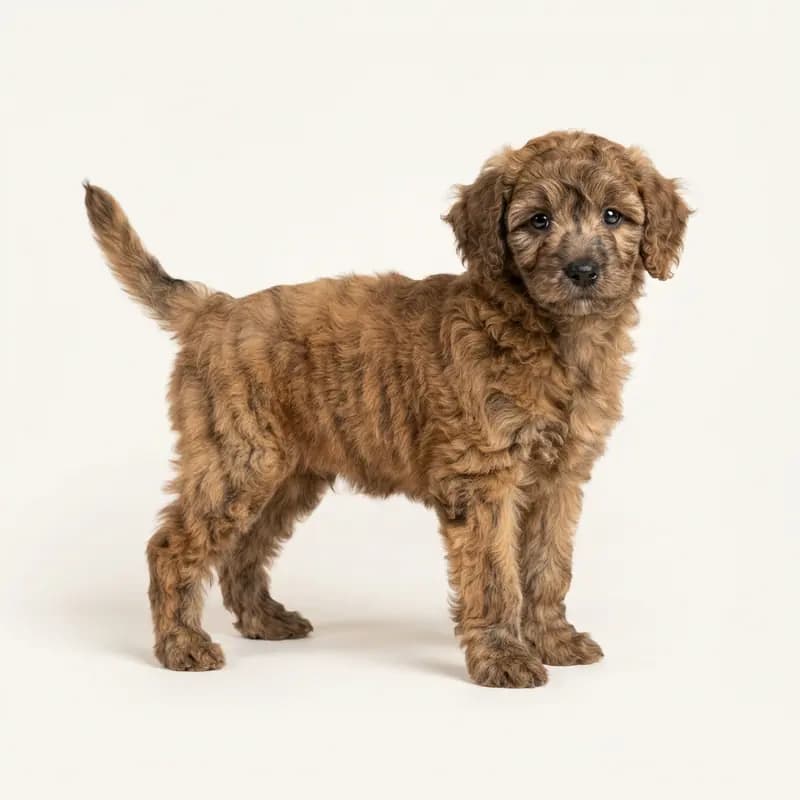
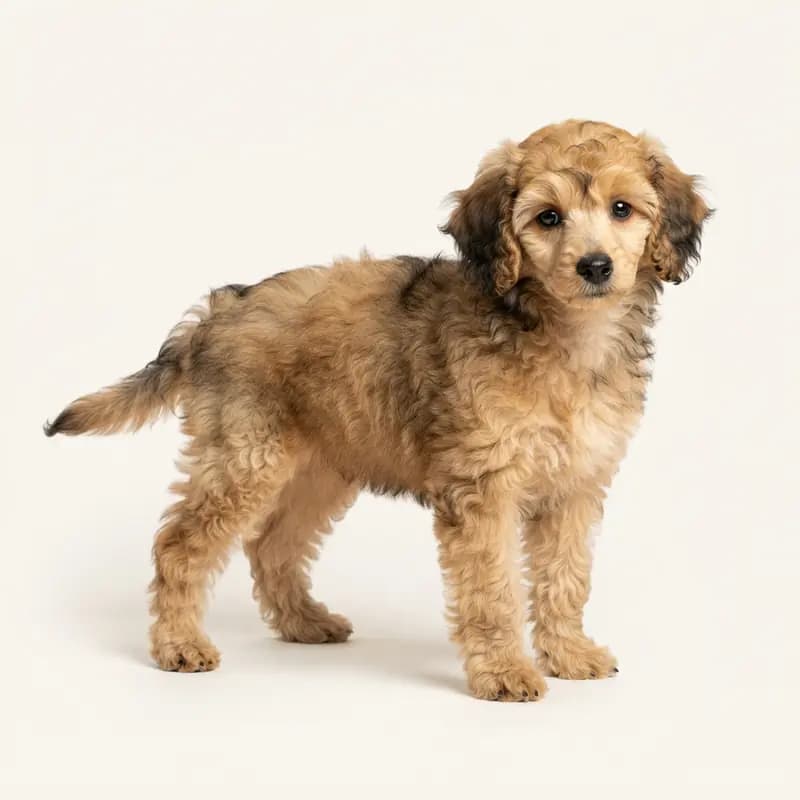
The coat colors that occur in the Toy Poodle — including which ones fall outside the breed standard and which carry genetic risk.
Eye colors
 Brown
 Amber
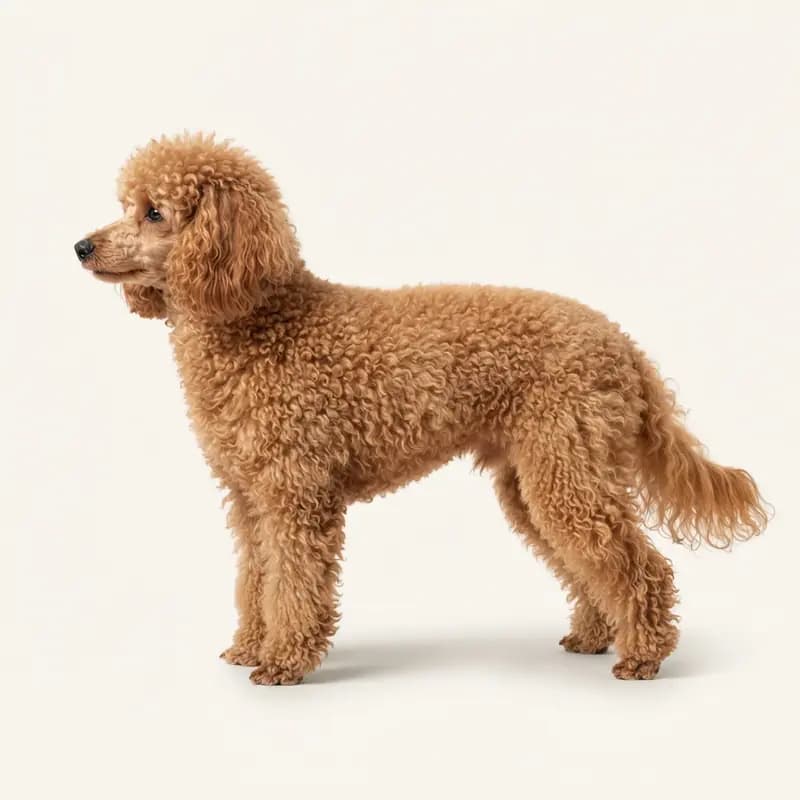
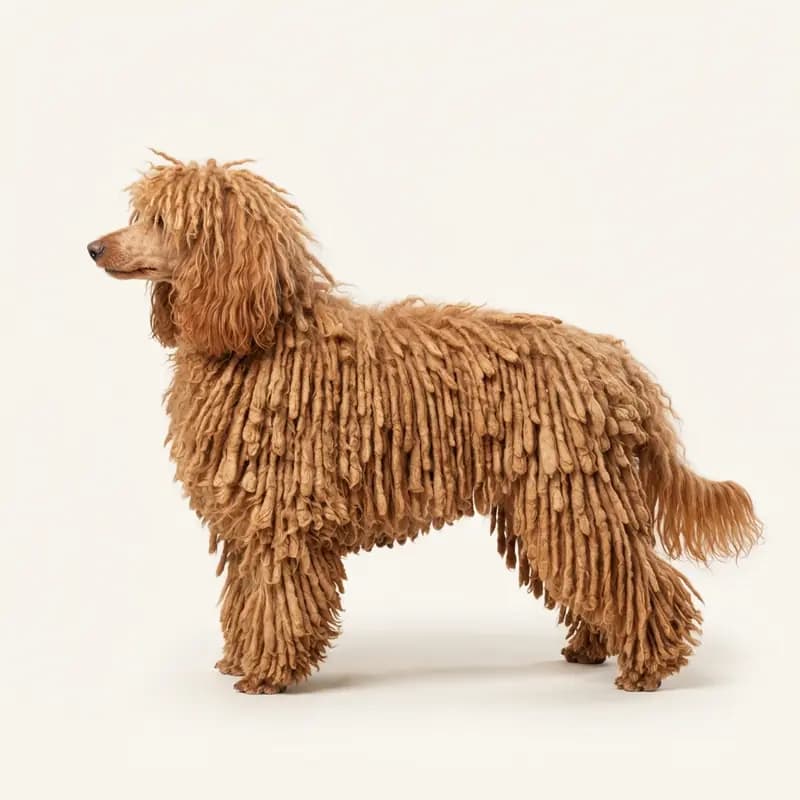
Coat type
 Illustrative image
Curly
 Illustrative image
Corded
The real vibes check
A Toy Poodle is like a high-performance sports car in the body of a toy car. It learns in minutes, sees through your weaknesses in seconds, and needs real mental tasks to avoid turning into a nervous barker. If you treat it mentally like a big dog, you will get a brilliant, charming partner for life.
The Toy Poodle is the smallest variant of the Poodle family and belongs to FCI Group 9, the group of companion and toy dogs. This small but fine dog is characterized by its elegant appearance. The ears are long and droopy, and the eyes are dark and expressive. Toy Poodles have a gorgeous, curly coat that requires regular grooming.
The Toy Poodle is a wonderful companion dog that is characterized by its intelligence, loving nature and liveliness. Despite their small size, Toy Poodles are active and playful dogs who enjoy exploring their surroundings and making friends with people and other dogs. The Toy Poodle's intelligence means they quickly pick up new commands and tricks. They love intellectual stimulation and need daily activity to be happy. However, it is important to find a balance as too much stimulation can cause the Toy Poodle to become hyperactive. Their size makes them easy to manage and adapt well to various living conditions, including city apartments. The Toy Poodle is very people-oriented and loves being near his family. He can learn to stay alone, but this should be done gradually and with positive reinforcement to avoid separation anxiety. They are often very affectionate and love to be cuddled. When it comes to prey-catching behavior, toy poodles often have a strong hunting instinct. It is therefore advisable to start training early to ensure that they behave appropriately around small animals and birds. Toy Poodles are often alert and can make good watchdogs as they tend to bark at noises and movements.
| Watchfulness Reports unusual activity but stays controlled. | Moderate |
| Openness to Strangers Neither pushily friendly nor suspicious. | Neutral |
| Hunting or Herding Drive Noticeable drive — needs attention around small animals. | Moderate |
Fun Fact!
Although the Toy Poodle is the smallest version of the Poodle family, it shares the remarkable intelligence of its larger relatives.
Poodles are lively, very intelligent dogs that want to work. They enjoy working with people and need a lot of activity and exercise. They come in different sizes: Standard Poodle or Royal Poodle, Small Poodle (often called Standard Poodle), Toy Poodle and Toy Poodle. Teacup Poodles are so small that they suffer from many torturous breeding traits.
The Toy Poodle makes an excellent city dog because it adapts well to apartment life. He also gets along well with children, but they should be old enough to treat the dog with respect. Toy Poodles are also generally friendly with cats and other pets as long as they are properly socialized.
Loves family life and thrives in a group.
Gets on well with children — with adult supervision.
Actively enjoys the company of other dogs.
Small space, noise, lots of people — no problem at all.
Owning a dog is a privilege, but it's also a real responsibility. Before you bring one into your life, be honest with yourself about the commitment it takes.
The Toy Poodle is very intelligent and capable of learning and is therefore well suited for dog sports such as agility and obedience as well as trick training. He also has a natural ability to fetch and can enjoy games where he retrieves balls or frisbees. However, since he has a high ability to learn, he may become bored if he repeats the same game too much. It is therefore important to incorporate variety into the training and also give him mentally demanding tasks. In terms of training, it is important that the Poodle learns frustration tolerance and impulse control at an early age. Through positive reinforcement, consistency and patience, the Toy Poodle can become a well-behaved and balanced family member and is also suitable as a beginner dog. As with all dogs, it is important to begin socialization early to ensure the puppy has positive experiences with new people, places and situations.
A balanced diet is essential for the toy poodle's health. Since Toy Poodles are prone to dental problems, a combination of dry and wet food can help reduce tartar buildup. It is advisable to choose high-quality food that meets the dog's nutritional needs. The Poodle's special trademark is its curly, dense coat. It is constantly growing, so the Poodle will need to be sheared every 2 to 6 weeks depending on the desired coat length. Long-haired poodles should be brushed several times a week to prevent the fur from becoming matted. The poodle hardly sheds and has no seasonal coat change. This makes him a good dog for allergy sufferers. Poodles do not have an undercoat, so it is advisable to use a dog coat in cold weather.
| Care Level Daily care is non-negotiable — neglect affects health. | Very high-maintenance |
| Exercise Needs Needs 1–2 hours of real exercise daily. | Active |
| Shedding No or minimal hair loss — suitable for allergy sufferers. | No shedding |
| Trainability Bred to work closely alongside humans. | Highly trainable |
Our experts are still reviewing this information. Spotted something wrong? Email us at info@honestdog.de.
Solid
Health grade
In the Toy Poodle, breed-specific risks exist for patellar luxation (PL), eye diseases such as cataracts and progressive rod-cone degeneration (PRA-prcd), as well as neurological disorders such as neonatal encephalopathy with seizures (NEWS). The Deutscher Pudel-Klub e.V. therefore mandatorily prescribes breeding examinations for patellar luxation (PL) with a finding of PL 0–1, for cataracts (finding: clear), and a genetic test for PRA-prcd, in which carriers may only be mated with clear partners. A health-oriented breeder additionally tests the parent animals for NEWS, degenerative myelopathy, and von Willebrand disease type I, and carries out the examination for elbow dysplasia (ED) recommended by the Deutscher Pudel-Klub e.V. Before buying, ask to see the corresponding veterinary findings and genetic certificates of both parent animals, and ensure that carriers for NEWS and degenerative myelopathy were only mated with clear partners.
Grade is relative to other breeds — AI-assisted and editorially reviewed.
Methodology and data: HonestDog Dog Breed Health Report 2026
What matters most for this breed
Tap any item to see details.
You should ensure a healthy weight and joint-friendly upbringing, and keep blood clotting in mind for any veterinary procedures.
Responsible breeders test beforehand for patellar luxation (PL), cataracts, and progressive rod-cone degeneration (PRA-prcd), as well as additionally for neonatal encephalopathy with seizures (NEWS).
Note: This health overview is AI-assisted and editorially reviewed. It is for orientation only and does not replace veterinary advice.
What matters most for this breed — what's common, how much it affects the dog's life, and how to protect yourself as a buyer.
Tap a body region to see the inherited conditions linked to it.
The three most important risks
Pick a region on the map to explore other areas.
Tier 1 is the core standard: the tests Deutscher Pudel-Klub e.V. requires, plus further tests from the recommended health standard for this breed. Tiers 2 and 3 show how responsible breeders go beyond.
Core standard. Tests marked “Club standard” are required by Deutscher Pudel-Klub e.V. for breeding approval; the others are part of the recommended health standard for this breed. Ask any reputable breeder for the results.
No entries in this tier.
Note: This health overview is AI-assisted and editorially reviewed. It is for orientation only and does not replace veterinary advice.
A Toy Poodle costs around ~€190 per month (€100 – €350, depending on your setup). The first year adds up to roughly ~€5,250 including purchase, equipment and puppy school; across the dog's life (15 years) it comes to about ~€37,050.
With surgery cover, running costs come to about ~€180 per month — in return, your share of a major operation drops from several thousand euros to around 20 percent.
Per month
~€190
In the first year
~€5,250
Across the dog's life
~€37,050
Estimated purchase price from a breeder: €1,500 – €2,800
Estimate at a mid-range setup (suburban, dry food, 1–2 hours of daily exercise), average German prices, as of July 2026.
 Illustrative imageIllustrative image
 Illustrative image
 Illustrative image
The poodle's exact origins are uncertain, but it is believed to have originated in Germany or France. The Poodle was originally a water dog used for retrieving waterfowl, which may be where its name derives from. The Toy Poodle was created in the 20th century by crossing smaller Poodles with each other to create a miniature version. The breeders aimed to create a companion dog that was easy to keep in the apartment and had a loving nature. In 1990, the FCI officially recognized the toy poodle as a separate poodle breed.
The Toy Poodle was bred to be a small companion dog characterized by intelligence and adaptability.
France
1900
Day to day, many owners find the Toy Poodle a very adaptable, cuddly and people-oriented companion. It often bonds very closely with its people and hardly leaves their side at home. Despite its compact size, experienced owners repeatedly stress that it must never be treated as just a lapdog. These dogs want real things to do, enjoy long walks and are surprisingly quick and active off leash.
At the same time, owner reports point to one central challenge at home: because they're so people-focused, Toy Poodles tend toward separation stress. Alone time has to be trained very gently and patiently from puppyhood, or they quickly start barking loudly or whining. Their alertness also comes up regularly. Many of these dogs immediately announce noises in the stairwell or at the apartment door, so owners should set clear limits on alert barking from the very beginning.
When it comes to training and mental exercise, owners describe the Toy Poodle as exceptionally eager to learn and very sharp. It often picks up new commands, tricks or puzzle games in no time. That intelligence can become a trap, though: if these little dogs aren't challenged mentally, they find their own projects or demand attention relentlessly. Many owners warn against getting the dog overexcited in daily life; learning to settle and to cope with frustration is described as essential for the breed's sensitive nerves.
An often underestimated point in owner accounts is hunting behavior. Many owners report that their Toy Poodle reacts instantly to birds, mice or squirrels darting past and shows a surprisingly strong urge to chase. Because the breed is very attuned to its people's mood, harsh strictness quickly makes it insecure. Owners say leadership works best with clear, loving consistency and positive reinforcement.
Owner accounts of health and care focus mainly on the dainty build and the grooming workload. Many owners point out that the fine bones call for a lot of care in daily life: falls from the sofa, a careless step or overly rough play with much bigger dogs can quickly lead to injuries. Many owners therefore use ramps for furniture and choose playmates very selectively. Forums also report fairly often on tartar problems, trouble with the change of teeth in the small mouth, and sensitive stomachs.
According to owners, coat care also takes much more discipline than many prospective owners assume at first. The Poodle hardly sheds, but the curly coat mats quickly unless it's brushed thoroughly down to the skin several times a week. Every six to eight weeks it also needs trimming or clipping, either through regular, costly trips to the groomer or by getting your own clippers and learning the cuts to do at home.
Paraphrased from real owner reports · translated from German
The Toy Poodle is an adaptable dog that adjusts well to various lifestyles. Research the temperament, grooming needs, and space requirements before deciding.
The average life expectancy of a Toy Poodle is 14-16 years. With proper care and regular vet visits, your dog can live a long, healthy life.
Toy Poodle grooming requirements include regular brushing, nail trimming, and dental care. HonestDog provides detailed grooming tips for every breed.
The Toy Poodle can be a great family dog. Proper training and socialization are key. HonestDog provides family suitability information for every breed.
The Toy Poodle comes in these colors: Black, White, Brown, Silver, Fawn, Black and white, Black and tan, Merle, Brindle, Sable. Colors that fall outside the breed standard are marked as such on the breed page.
Showcase your kennel on HonestDog and reach families searching for a responsibly bred Toy Poodle.