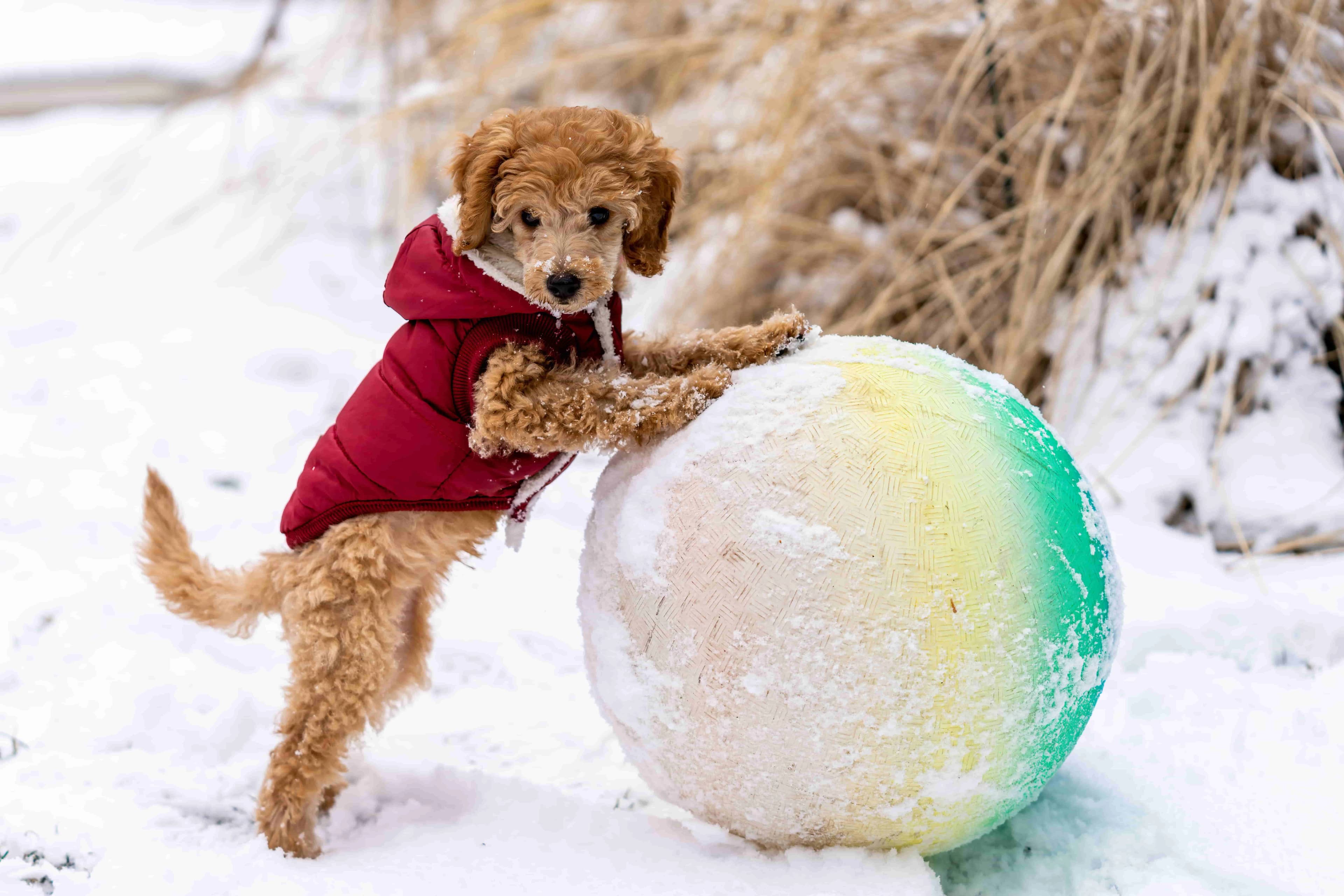
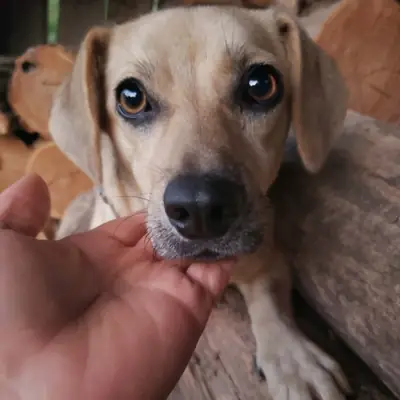
A Toy Poodle from a shelter comes with its own baggage of experiences. Because this breed forms a close bond with its people, many dogs in the shelter are sensitive or unsettled at first about losing their person. Give your new companion time. Thanks to its great adaptability and trainability, it usually comes out of its shell quickly with patient guidance and shows its playful, joyful nature.
Take a close look at health, too. Well-bred Toy Poodles are considered fit companions, but their small size brings breed-typical risks for the knees, the eyes and bleeding disorders. Health-focused breeders (for example in the Deutscher Pudel-Klub e.V., Germany's Poodle club) avoid extreme miniaturization and have the parent dogs examined clinically for patellar luxation and cataracts and by X-ray for elbow dysplasia to lower the risk for the puppies – but with a rescue dog, the genetic history is often unknown. Reputable breeders also use DNA tests for progressive rod-cone degeneration (prcd-PRA) and neonatal encephalopathy with seizures: a DNA test like this shows whether a parent dog is clear, a carrier or affected, so carriers are deliberately only paired with clear partners.
With a shelter dog, you usually don't know the lines. Other breed-typical issues such as von Willebrand disease type I (a bleeding disorder) or degenerative myelopathy may also play a role. At the shelter, vaccinations, a microchip and a check on arrival are usually covered; ask to see the paperwork. In everyday life, consistently keep your dog at a healthy weight to take strain off the joints, and keep blood clotting in mind before any upcoming vet procedures.