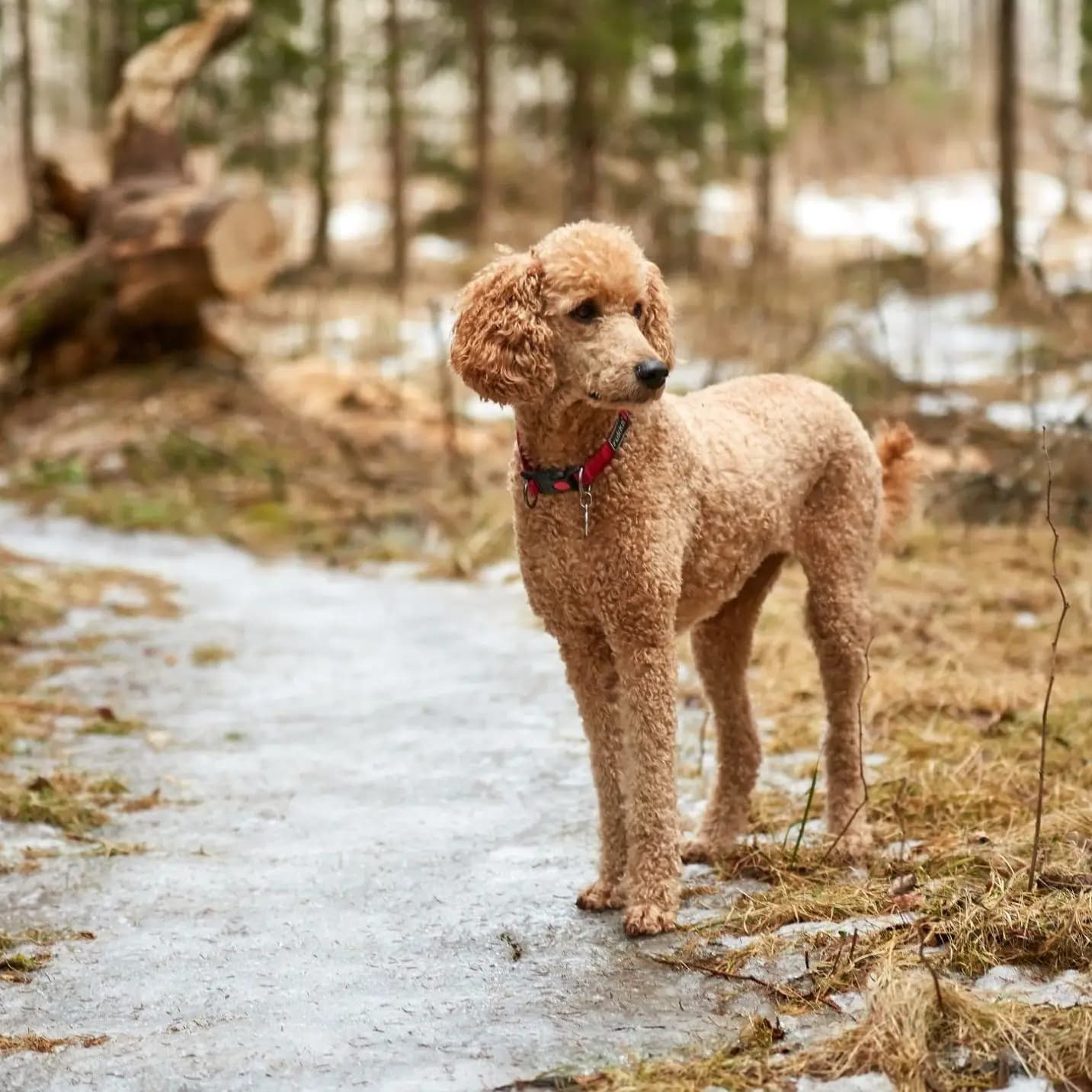
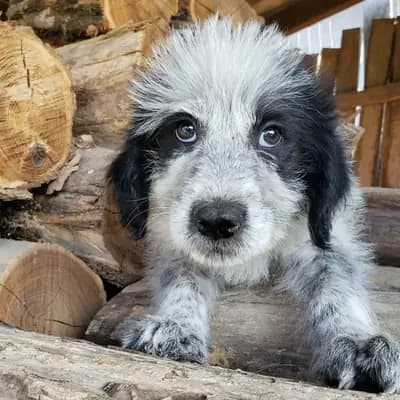
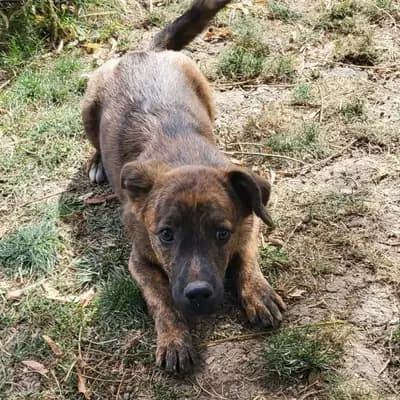
An adult rescue Poodle has already developed habits. Because of its close bond with its people, it often grieves at first after a loss or seems unsettled. But because it learns extremely fast, it quickly takes its cues from you with clear, loving guidance.
Health is an important point when adopting. Especially if a dog comes from a puppy mill, the parents' health screening is often missing. A health-focused breeder in a club (such as the Deutscher Pudel-Klub e.V., Germany's Poodle club) uses targeted exams to contain hereditary diseases: X-rays for hip and elbow dysplasia and clinical checks for patellar luxation and cataracts significantly lower the risk for the puppies. In addition, established DNA tests for prcd-PRA, von Willebrand disease type I, degenerative myelopathy and neonatal encephalopathy with seizures show whether a parent dog is clear, a carrier or affected – reputable breeders pair carriers only with clear partners, and for von Willebrand disease type I they use only clear dogs. Responsible breeders also keep an eye on risks such as generalized PRA, the skin disease sebaceous adenitis or color dilution alopecia (in dilute colors such as blue) by checking their lines.
Toy Poodles in particular carry clear breed-typical health risks affecting the kneecaps (patellar luxation), the heart and the eyes – even with careful screening by the breeder, these risks can't be eliminated entirely in extremely small lines. Especially with smaller dogs, expect more frequent vet visits, consistently limit jumps from a height and set aside a fixed budget for heart checkups from the start.