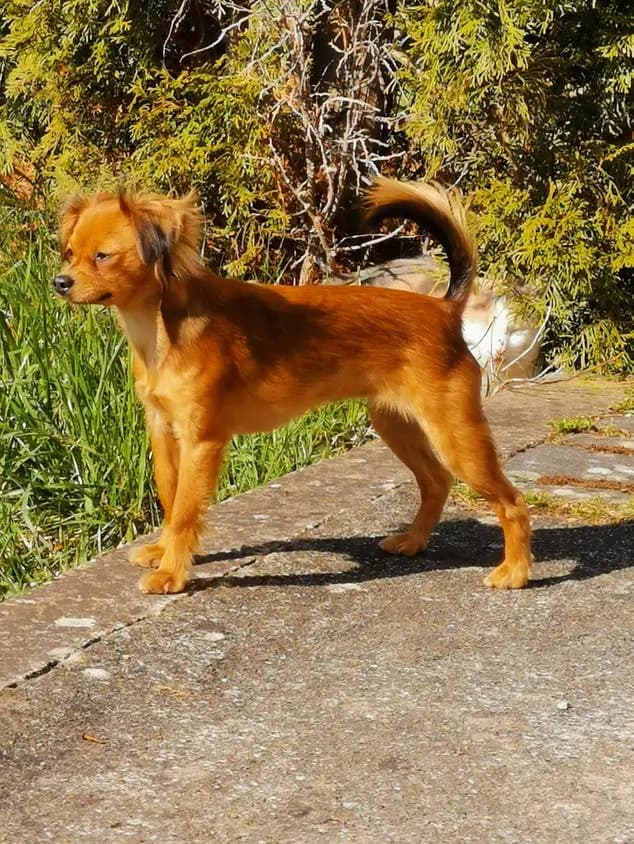
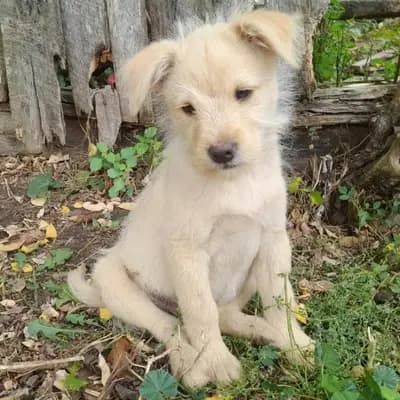
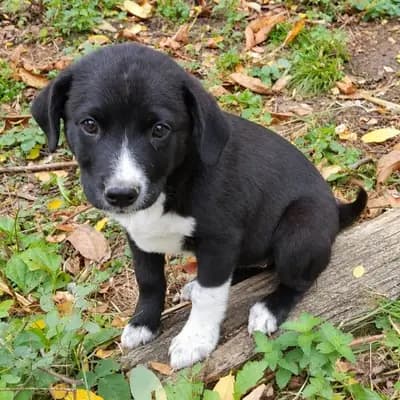
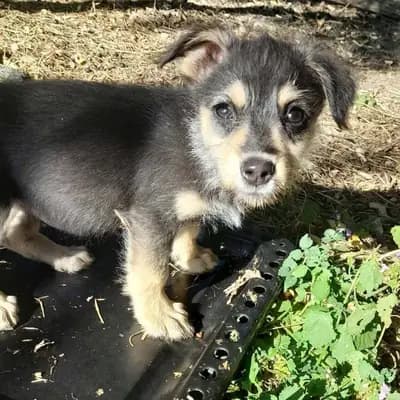
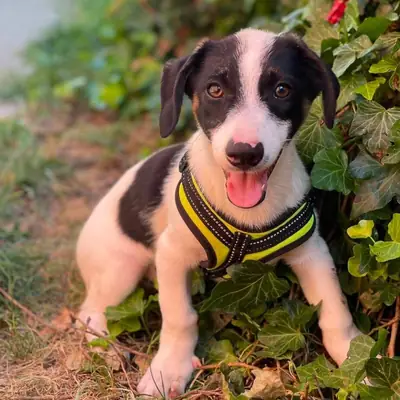
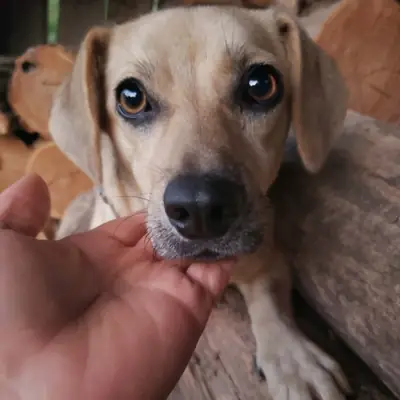
When you visit a Russkiy Toy (Longhair) at a shelter, you will meet a sensitive soul. Because he is so attached to his people, he often finds it hard to cope with the loss of his main person. In the day-to-day life of the shelter he may seem shy at first, or try to cover up his insecurity by putting on a brave front and barking. Give him time: once he begins to trust you, his cheerful, sociable character blossoms.
Keeping an eye on health concerns
With a shelter dog, the genetic background is often unknown. As Russkiy Toys (Longhair) are very delicate dogs with fine bones, you should know the breed-typical health issues well. These include:
- Joints and bones: patellar luxation (a kneecap that slips out of place) and Legg-Calvé-Perthes disease (a disorder of the blood supply to the femoral head).
- Eyes: cataracts and generalised progressive retinal atrophy (PRA).
- Airways and teeth: tracheal collapse (narrowing of the windpipe) and dental malformations.
Health-focused breeders in the Verband Deutscher Kleinhundezüchter e.V. are required to have the parent dogs tested for patellar luxation; they also have their eyes and teeth clinically examined and avoid extreme miniaturisation, all to reduce these risks in the line. With a rescue dog, however, you usually don't know which mating he came from. Ask the shelter to show you all available medical records, and plan regular dental, eye and joint checks with your vet.