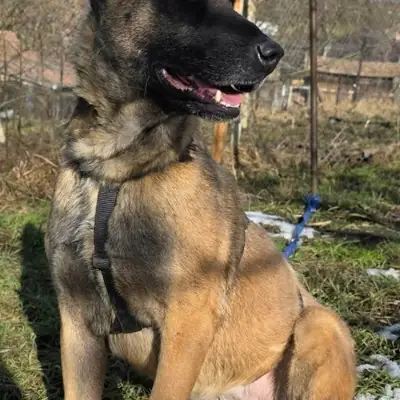
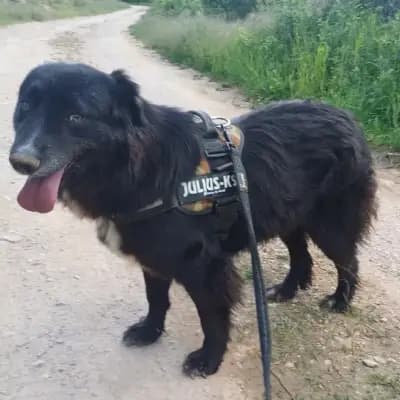
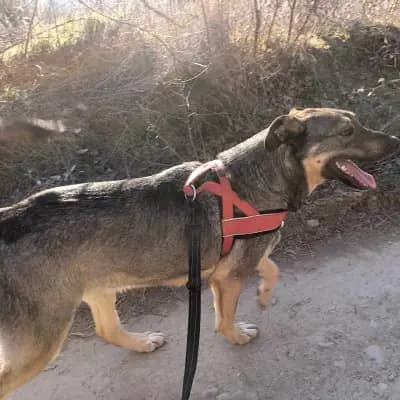
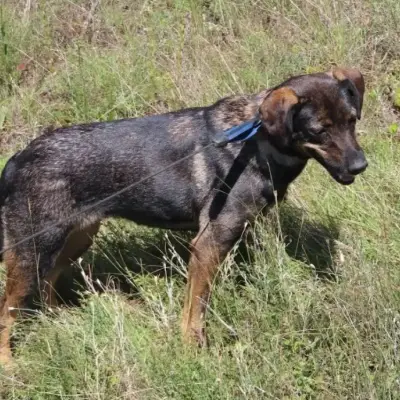
When you take a Transmontano Shepherd Dog (Cão de Gado Transmontano) home from a shelter, you are taking on a dog with real character and a past. He shows natural wariness towards strangers and needs time to build trust. Once he has accepted you as his family, however, he is very devoted and loyal. He is often only moderately sociable with other dogs (2/5), which is why he usually feels most comfortable as an only dog or with a confident partner of the opposite sex.
In terms of health, these giants are considered very robust, with a life expectancy of 10 to 12 years, but their enormous size and anatomy bring breed-typical joint and eye issues. Known risks include hip dysplasia (HD), elbow dysplasia (ED) and osteochondritis dissecans (OCD), as well as eyelid abnormalities such as ectropion and entropion. Dilated cardiomyopathy (DCM) and degenerative myelopathy also occur in the breed. While reputable breeders carry out X-ray screening for HD and ED and have the parent dogs’ eyes examined by a vet in order to specifically reduce these risks in their lines, the genetic and health background of a shelter dog is often unknown. If a dog missed out on a joint-friendly upbringing with a suitably adapted diet in his youth, joint problems can appear earlier. So plan from the outset for a thorough veterinary check of his joints, eyes and heart.