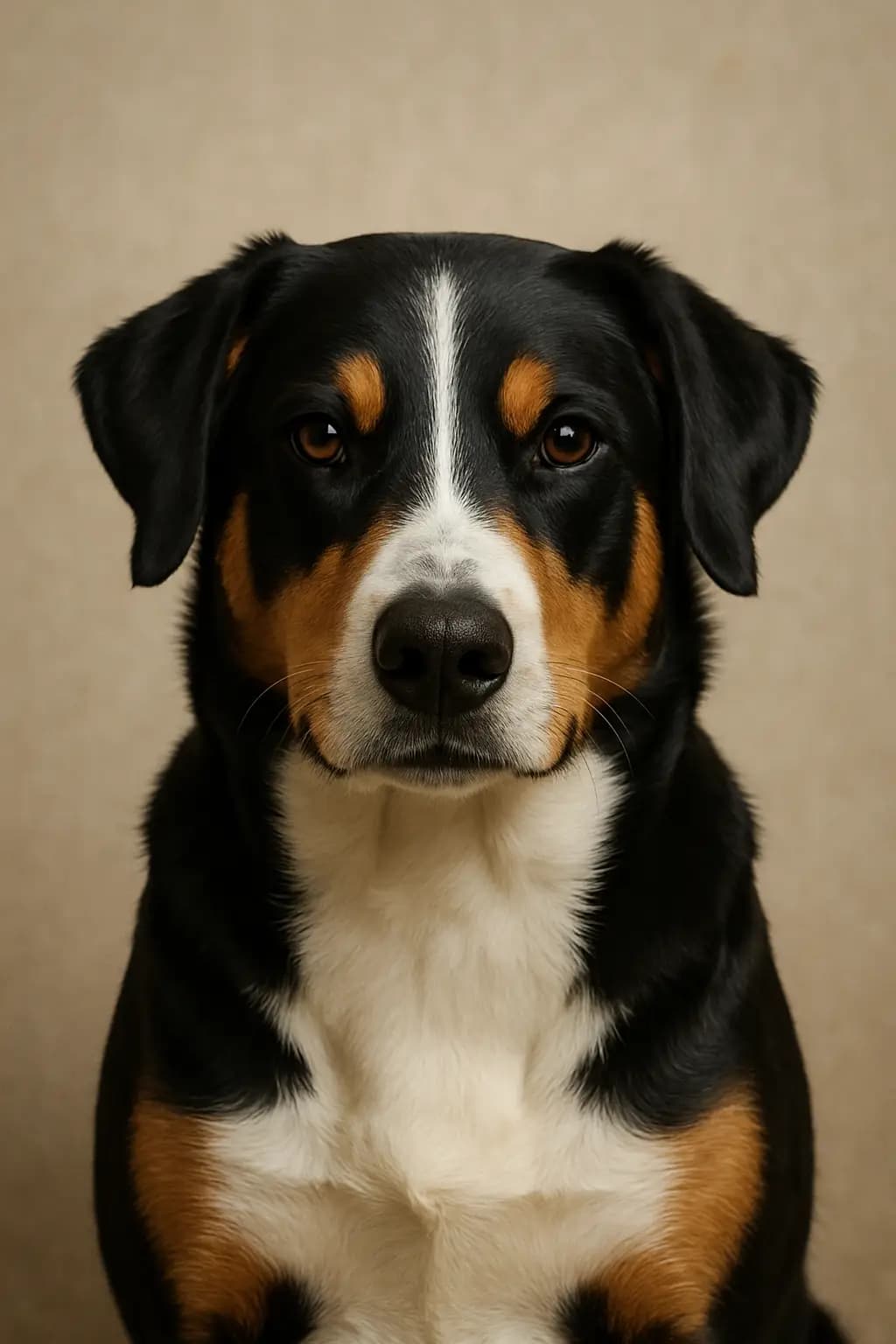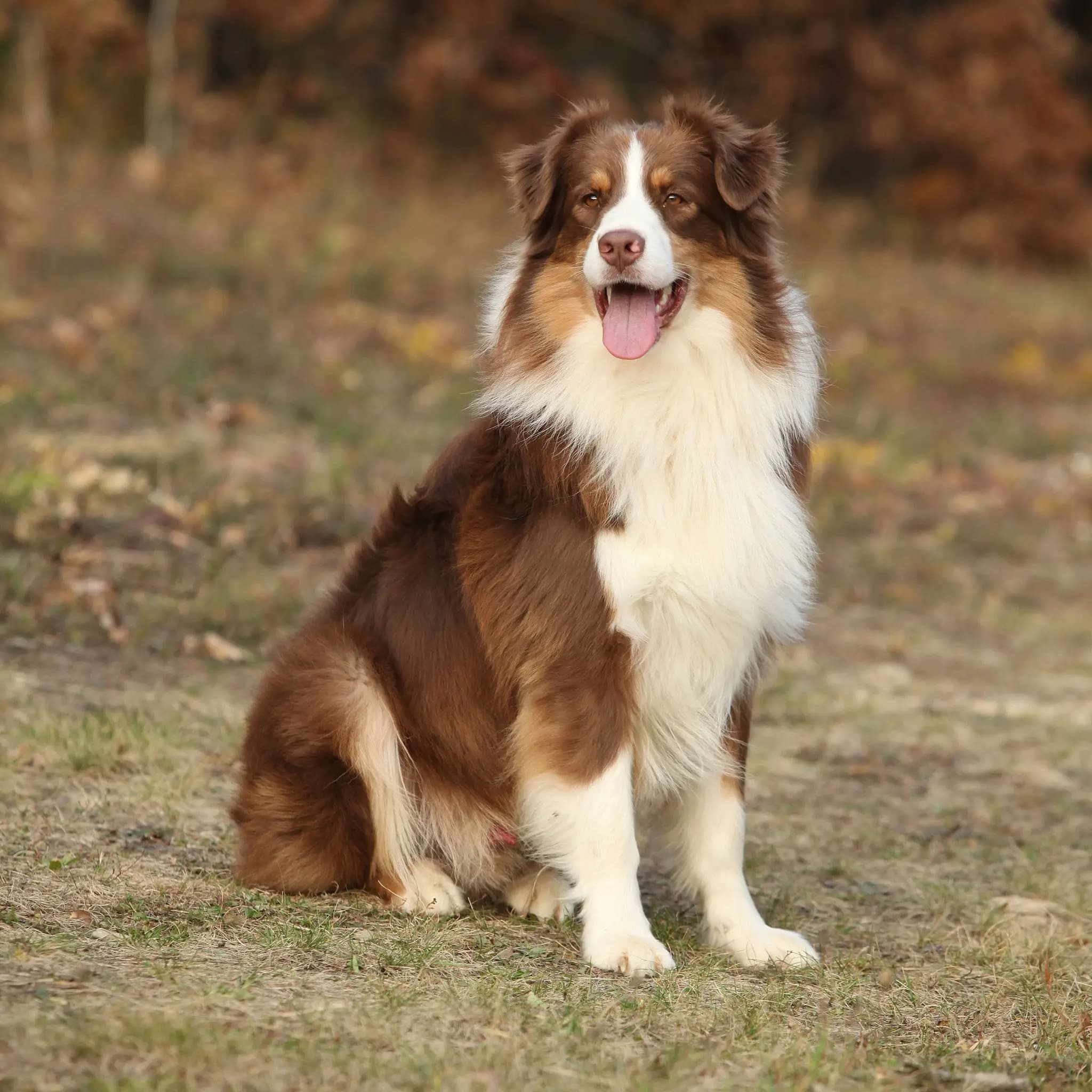
Australian ShepherdClose relative
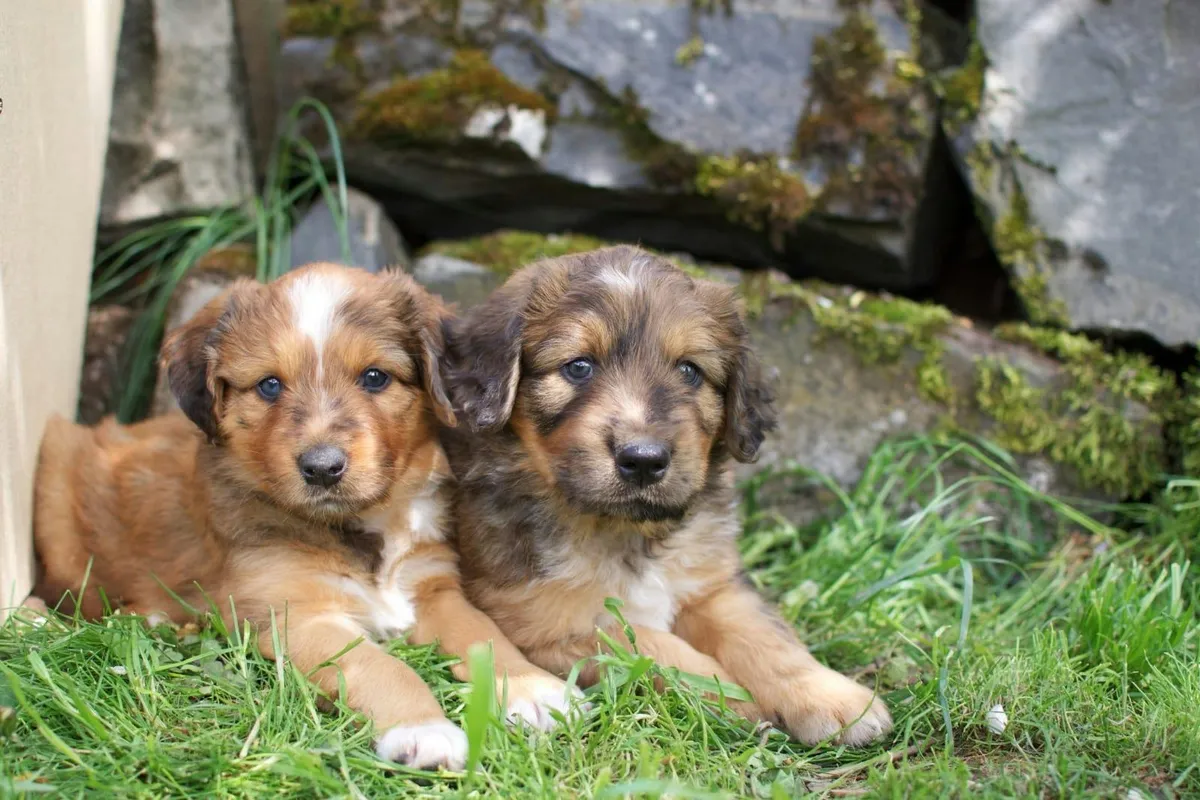
The Wäller is an agile, razor-sharp Briard-Aussie mix—at its core a fully equipped herding dog that combines the stamina, sensitivity, and drive to control of both working lines in one robust package.
How the health grade is calculated
Sources for required breeding screenings. 1. Wäller-Club Deutschland e.V. (kein VDH-/FCI-Verein) · Wäller Freunde Deutschland e.V. (WFD; kein VDH-/FCI-Verein)
Self-check
Answer 6 quick questions about your everyday life and see how well the Wäller fits you — including an honest cost estimate per month, per year, and across the dog's lifetime.


At a glance
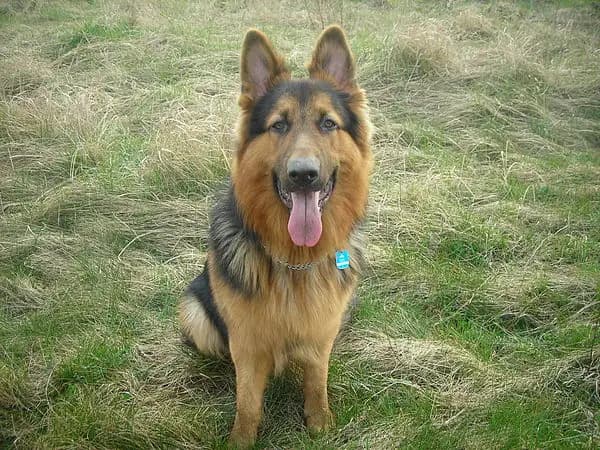
The essentials — key facts, traits, and health priorities — before you dive deeper.
Lifespan
12–15 yrs
Shoulder height
55–60 cm
Weight
26–30 kg
Practical
Temperament
Daily life
What matters most
Especially with a Wäller, choosing the right breeder is the single most important decision you'll make. Serious breeders consistently test the parents for inherited conditions, prioritize healthy early socialization, and stay accountable long after handover. A cheap puppy without health screening tends to become the most expensive dog later on.
See HonestDog breeder standards →Colors & coat
The coat colors that occur in the Wäller — including which ones fall outside the breed standard and which carry genetic risk.
Eye colors
 Brown
 Amber
 Blue
 Odd-eyed
 Partial (split eye)
Coat type
 Illustrative image
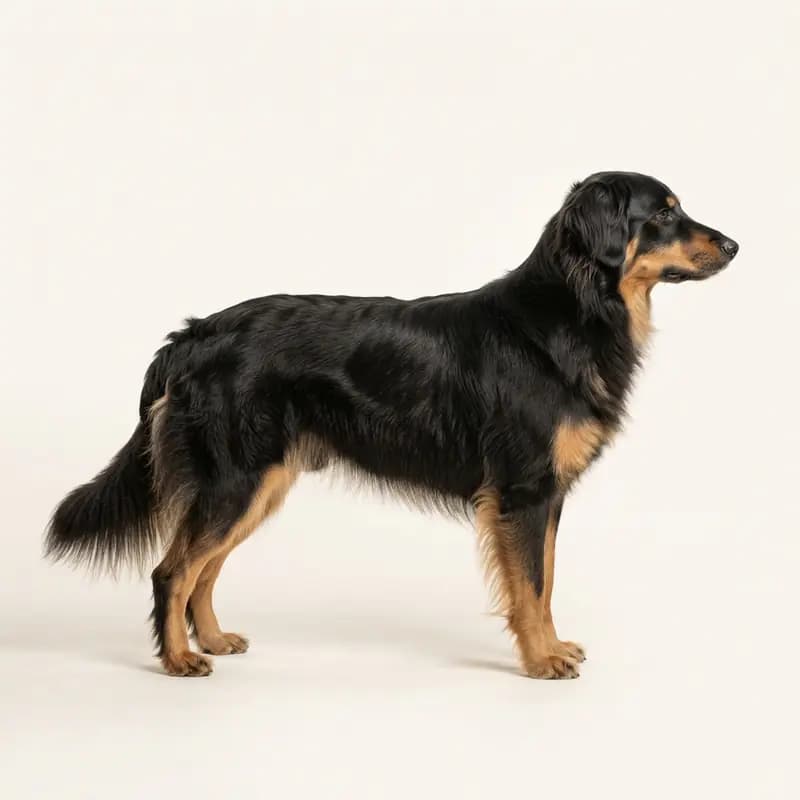
Medium
 Illustrative image
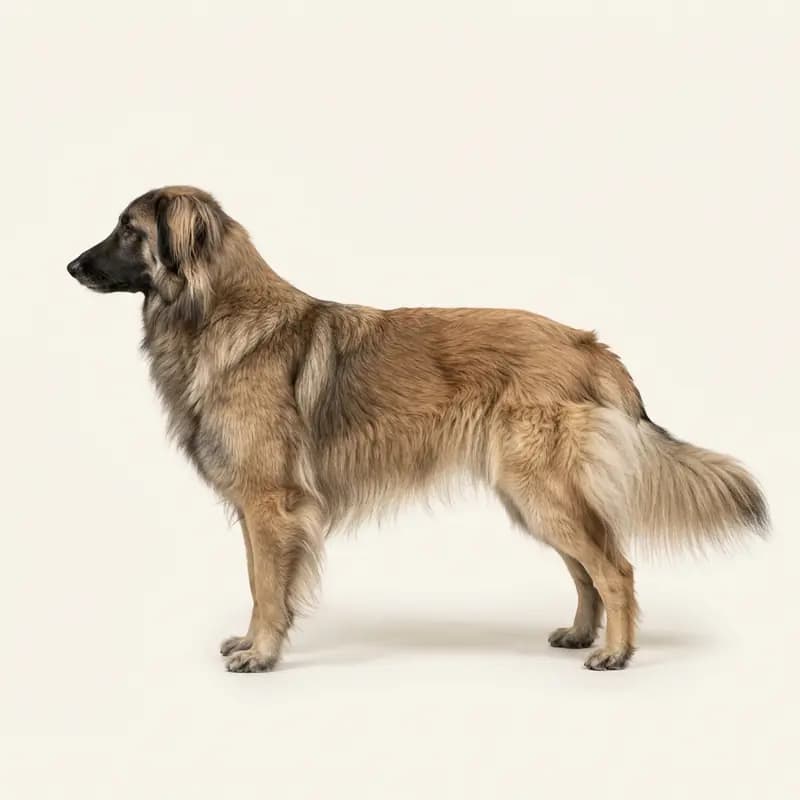
Long
 Double coat
The real vibes check
A Wäller is like a highly motivated project manager who immediately takes charge if you don't provide him with a clear plan. He scans his environment incessantly and is genetically programmed to structure movement. If you prove to him that you have a firm handle on daily life, he will become your most loyal shadow—but if you let the reins slip, he will start managing you and your guests.
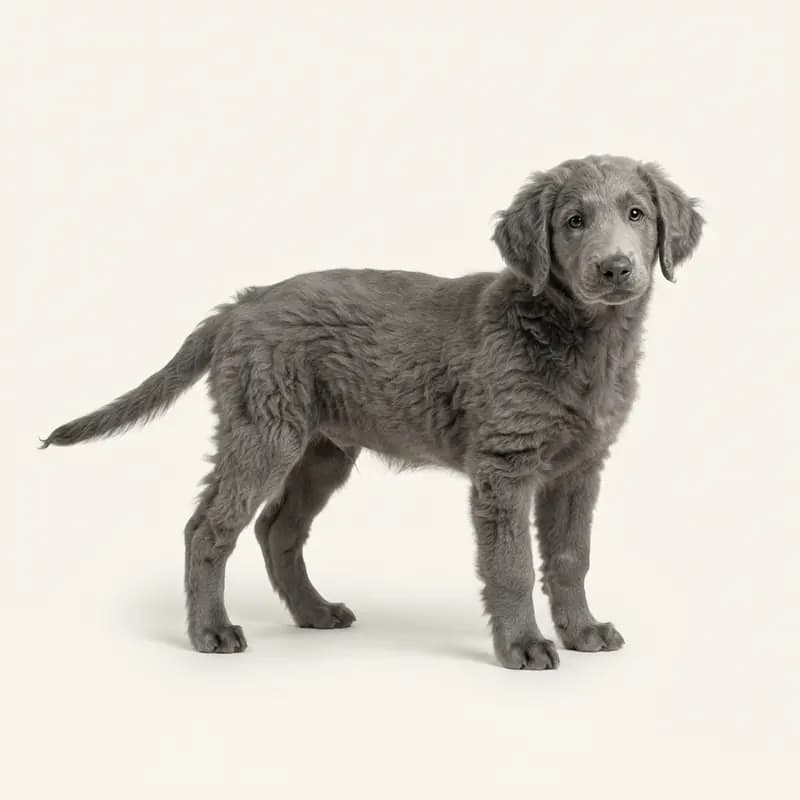
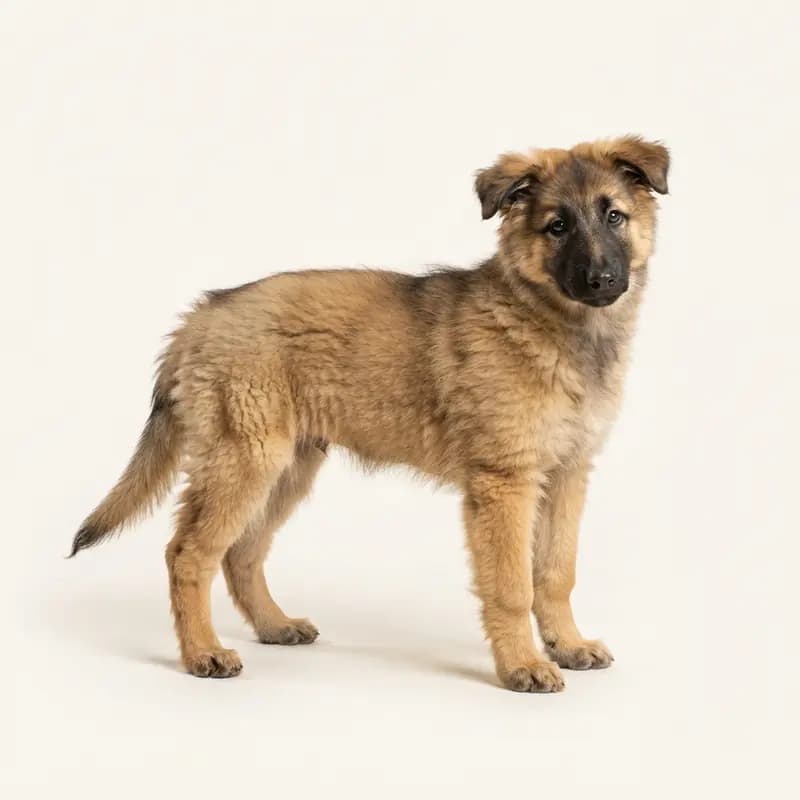
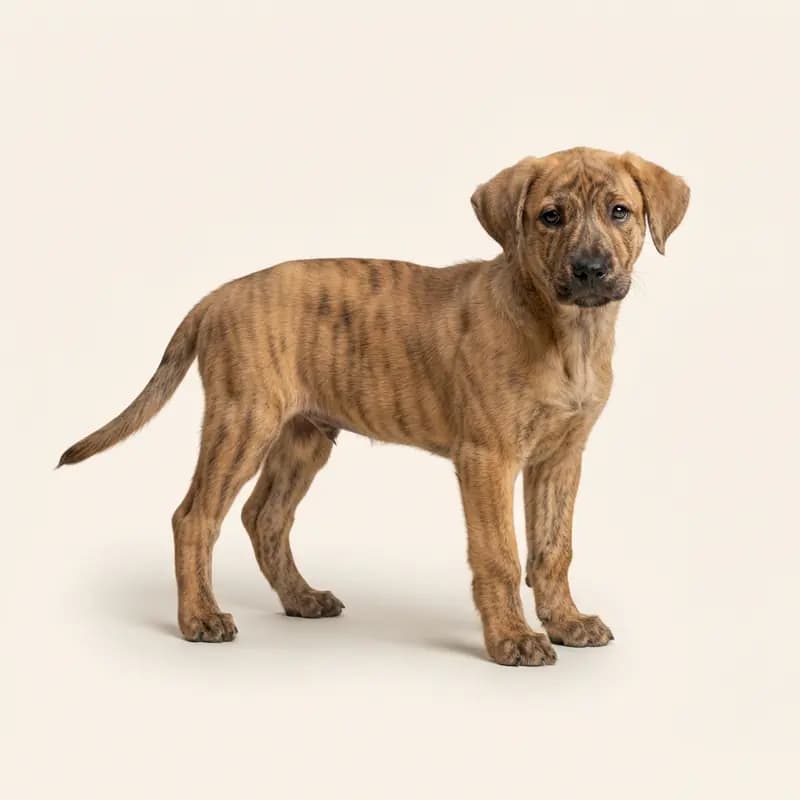
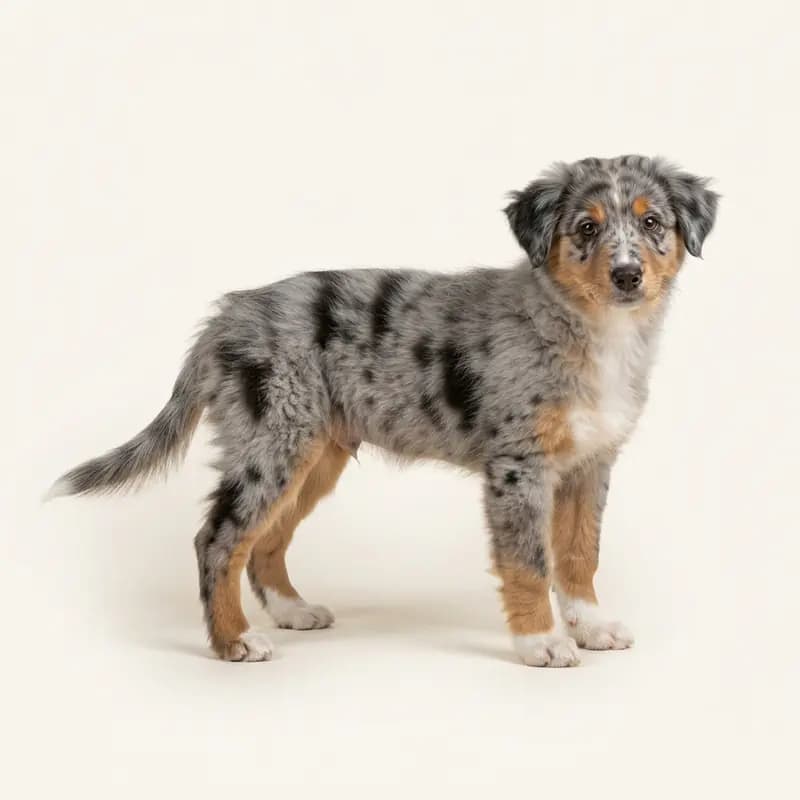
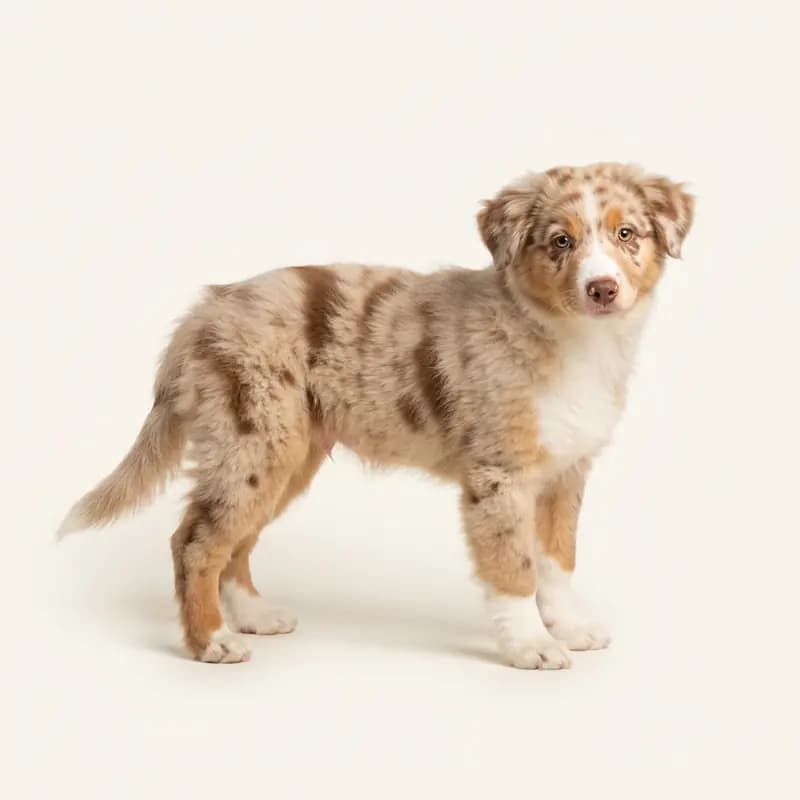
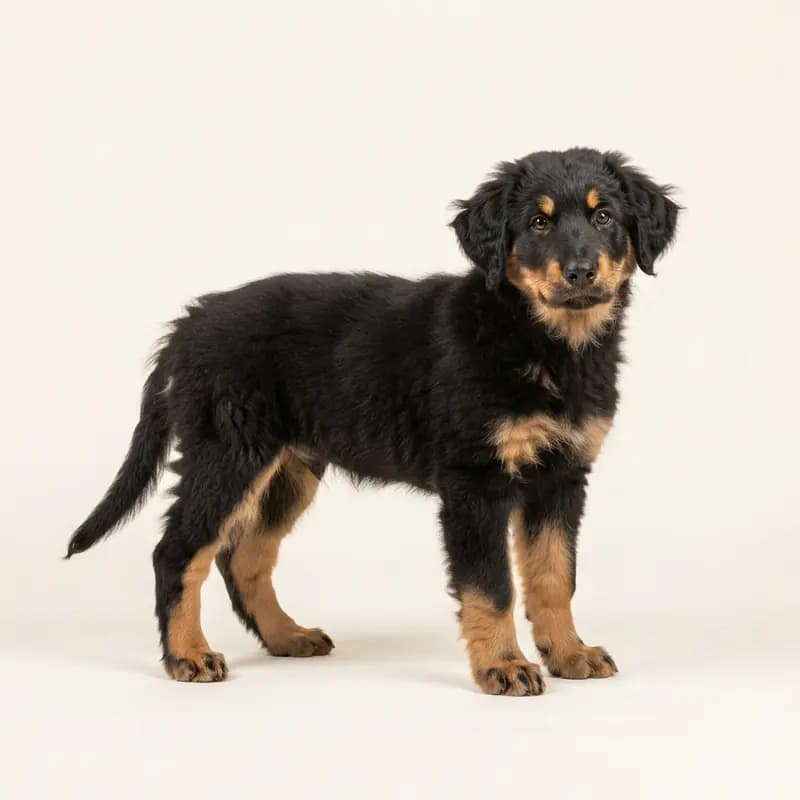
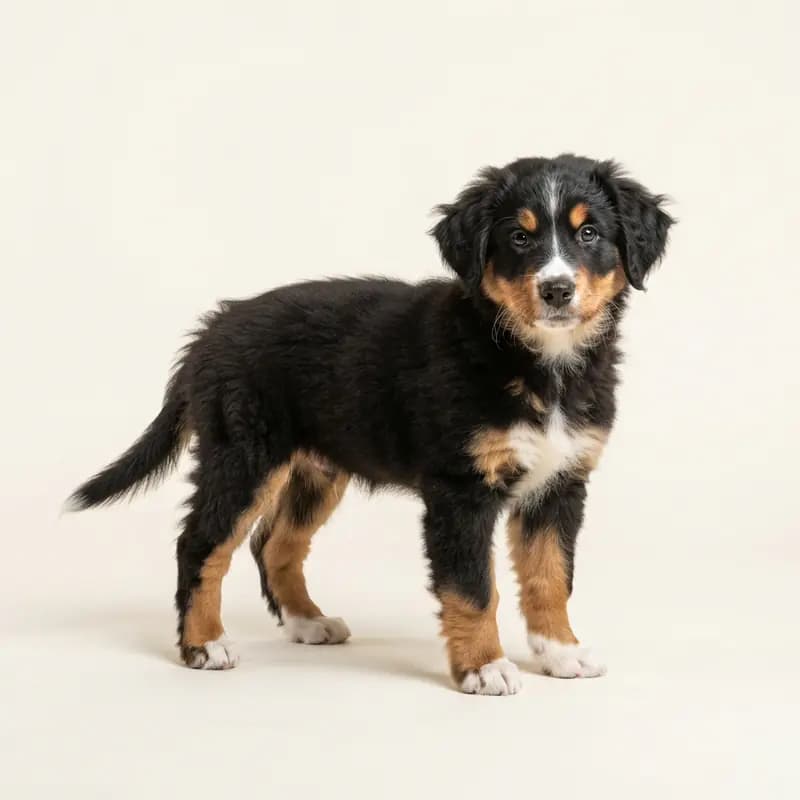
The Wäller has been bred since 1994. It was created by crossing Briard and Australian Shepherd. Important breeding criteria are character, health and performance of the dogs. Inbreeding is also avoided. The appearance of Wällers can still vary greatly. Currently they are medium to large dogs with short to shaggy fur. The colors and ears can also vary greatly. The Wäller is suitable as a family dog. He is sporty, eager to work and needs physical and mental activity. He is described as tolerant towards children, but is cautious towards strangers.
The Wäller is a versatile and balanced family and working dog that originated from the crossbreeding of the Australian Shepherd and Briard. It combines the intelligence and work drive of these two herding breeds with a close bond to its humans. As a result, the Wäller is a very eager and motivated companion who requires both physical and mental stimulation. Its temperament is friendly, balanced, and affectionate, making it an excellent family dog. It loves spending time with its people and is especially child-friendly and social. At the same time, it has a strong work drive that makes it a reliable partner for various tasks, whether in dog sports, search and rescue services, or as a versatile working dog. The Wäller needs consistent but loving training and benefits from varied exercises that engage its intelligence and need for movement. Without sufficient activity, it can become restless or destructive. Its prey drive is moderately developed but can be well controlled if bonding and recall training start early. As a guard dog, the Wäller shows a healthy level of protective behavior without being aggressive. Overall, it is a loyal, hardworking, and balanced dog that proves itself both as an active family companion and a reliable work partner.
| Watchfulness A natural watchdog with real protective instinct. | High |
| Openness to Strangers Careful around unfamiliar people — thaws slowly. | Cautious |
| Hunting or Herding Drive Powerful instinct that can override recall when triggered. | Strong |
Fun Fact!
Wäller: The Wäller is an energetic all-rounder from Germany, who with his shaggy coat and friendly nature, delights not only as a family dog but also as a versatile working partner – whether in dog sports, as a rescue dog, or simply as a loyal companion in everyday life.
The Wäller is a friendly and eager-to-learn dog that is characterized by its versatility. It is active and requires meaningful activity to remain balanced. The Wäller is well suited as a family dog and shows a strong bond with its people. Due to its intelligence and enthusiasm for work, it can be used in various areas, such as a companion or sport dog.
Wällers are friendly and balanced dogs that are well suited as family companions. They are generally very social and compatible with children as well as other pets, provided they are well socialized early on. Wällers are both mentally and physically active and therefore require regular exercise and varied activities. They feel comfortable in houses with gardens but can also live in the city if enough time is planned for walks and play. Their affectionate and eager-to-learn nature makes them pleasant and reliable companions in everyday life.
Lives for its family — the born family companion.
Extraordinarily patient and loving — a true family dog.
Actively enjoys the company of other dogs.
City-appropriate with enough exercise and stimulation.
Owning a dog is a privilege, but it's also a real responsibility. Before you bring one into your life, be honest with yourself about the commitment it takes.
Wäller: Wällers are intelligent and eager-to-learn dogs that require a balanced mix of mental and physical activity. They particularly benefit from varied training that promotes both their enthusiasm for work and their adaptability. Similar to Labradors and German Shepherds, it is important not to overwhelm the Wäller but to maintain a balanced mix of activity and rest periods. The Wäller shows a high motivation to learn new things and is well suited for various dog sports such as obedience, agility, or mantrailing. A positive, reward-based training method is crucial to build a trusting bond and encourage their natural willingness to cooperate. Since the Wäller comes from active and versatile lines, training should be combined early on with good socialization to develop a balanced temperament. Frustration tolerance and impulse control are important aspects to consider in training to avoid unwanted behaviors. Overall, the Wäller requires dedicated training that takes into account its versatility and drive to work. Those willing to invest time and patience will gain a loyal, eager-to-learn, and versatile companion who fits excellently into family life and sports.
Wäller: The Wäller is an active and intelligent dog that requires a balanced diet to stay healthy and fit. High-quality food with a good proportion of proteins and essential nutrients supports its muscles and immune system. Make sure to avoid overweight, as the Wäller likes to stay active and a healthy weight promotes its mobility. The Wäller's coat is medium-length with a dense undercoat that protects it well from the cold. Regular brushing, at least 2-3 times a week, helps keep the coat clean and free of tangles. Especially during the shedding seasons in spring and autumn, the Wäller loses more hair, so more intensive coat care is advisable during this time. The Wäller adapts well to the Central European climate. Its coat protects it from the cold, but during high temperatures, sufficient shade and water should be provided to prevent overheating. Overall, the Wäller is a low-maintenance and robust companion that stays healthy for a long time with the right diet and regular coat care.
| Care Level Regular brushing and occasional professional grooming. | Moderate |
| Exercise Needs Needs several hours of serious exercise every day. | Very active |
| Shedding Regular shedding — dog hair on clothes is now normal. | Moderate |
| Trainability Picks up commands quickly and wants to please. | Eager to learn |
Our experts are still reviewing this information. Spotted something wrong? Email us at info@honestdog.de.
Solid
Health grade
The Wäller is considered a robust breed with an average genetic load, but carries risks for hip dysplasia (HD), degenerative myelopathy, and the MDR1 defect (drug sensitivity). Breed clubs such as Wäller Freunde Deutschland e.V. and 1. Wäller-Club Deutschland e.V. therefore mandate testing for hip dysplasia (HD), the MDR1 defect (drug sensitivity), as well as screening for hereditary cataracts and Collie Eye Anomaly (CEA). Have the breeder show you HD results of A or B for the parent animals, and ensure that regarding the MDR1 defect (drug sensitivity), carriers are mated exclusively with free (clear) partners. Responsible breeders additionally have the joints examined for elbow dysplasia (ED) and the urinary tract for ectopic ureter (EU) with clear results.
Grade is relative to other breeds — AI-assisted and editorially reviewed.
Methodology and data: HonestDog Dog Breed Health Report 2026
What matters most for this breed
Tap any item to see details.
You should focus on joint-friendly rearing, schedule regular eye exams, and always inform your vet about potential medication sensitivities before any treatment.
Responsible breeders test beforehand for hip dysplasia (HD), degenerative myelopathy, and the MDR1 defect (multidrug sensitivity), and additionally screen for elbow dysplasia (ED).
Note: This health overview is AI-assisted and editorially reviewed. It is for orientation only and does not replace veterinary advice.
What matters most for this breed — what's common, how much it affects the dog's life, and how to protect yourself as a buyer.
Tap a body region to see the inherited conditions linked to it.
The three most important risks
Pick a region on the map to explore other areas.
Tier 1 reflects the tests Wäller Freunde Deutschland e.V. (WFD; kein VDH-/FCI-Verein) / 1. Wäller-Club Deutschland e.V. (kein VDH-/FCI-Verein) actually mandates. Tiers 2 and 3 show how responsible breeders go beyond.
Club standard. Wäller Freunde Deutschland e.V. (WFD; kein VDH-/FCI-Verein) / 1. Wäller-Club Deutschland e.V. (kein VDH-/FCI-Verein) requires these tests for breeding approval. Ask any reputable breeder for the results.
Not health tests, but required for breeding: the club asks for these results too. They don't count toward the risks or the rating.
Wesensbeurteilung
Required by 1. Wäller-Club Deutschland e.V. (kein VDH-/FCI-Verein)
Acceptable result: bestanden (Mindestalter 24 Monate)
Dental and bite evaluation
Required by 1. Wäller-Club Deutschland e.V. (kein VDH-/FCI-Verein)
Acceptable result: Vom Tierarzt ausgefüllte Zahnkarte liegt vor
No entries in this tier.
Note: This health overview is AI-assisted and editorially reviewed. It is for orientation only and does not replace veterinary advice.
A Wäller costs around ~€190 per month (€100 – €360, depending on your setup). The first year adds up to roughly ~€5,860 including purchase, equipment and puppy school; across the dog's life (13.5 years) it comes to about ~€34,380.
With surgery cover, running costs come to about ~€190 per month — in return, your share of a major operation drops from several thousand euros to around 20 percent.
Per month
~€190
In the first year
~€5,860
Across the dog's life
~€34,380
Estimated purchase price from a breeder: €2,000 – €3,500
Estimate at a mid-range setup (suburban, dry food, 1–2 hours of daily exercise), average German prices, as of July 2026.
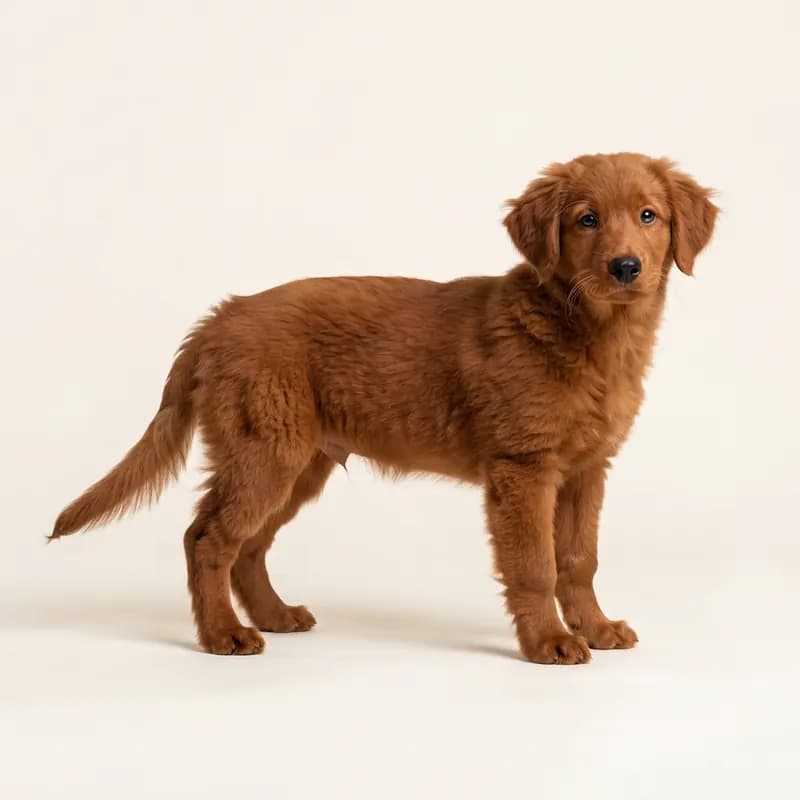
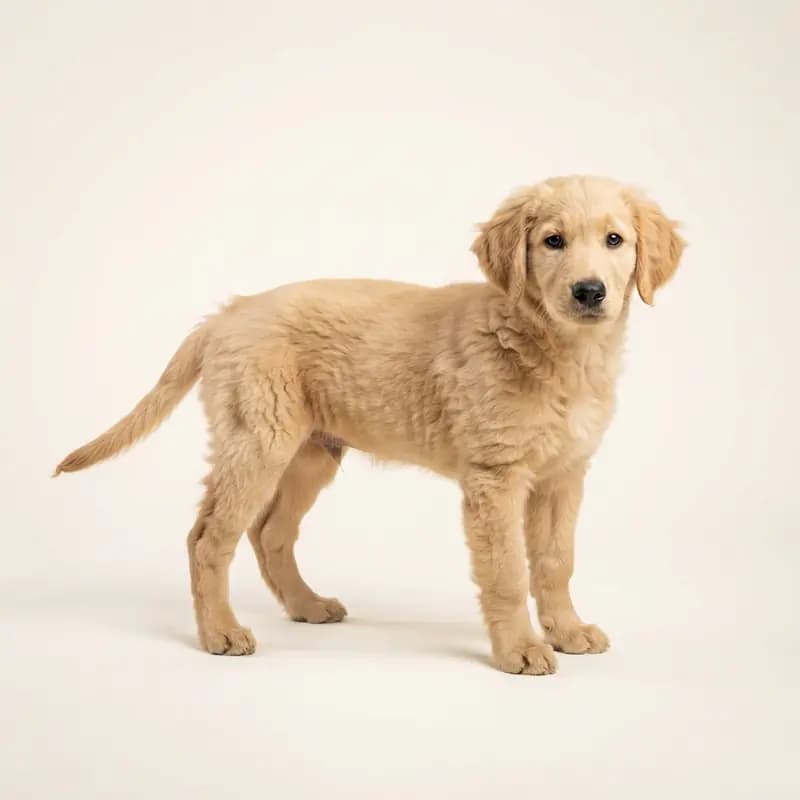
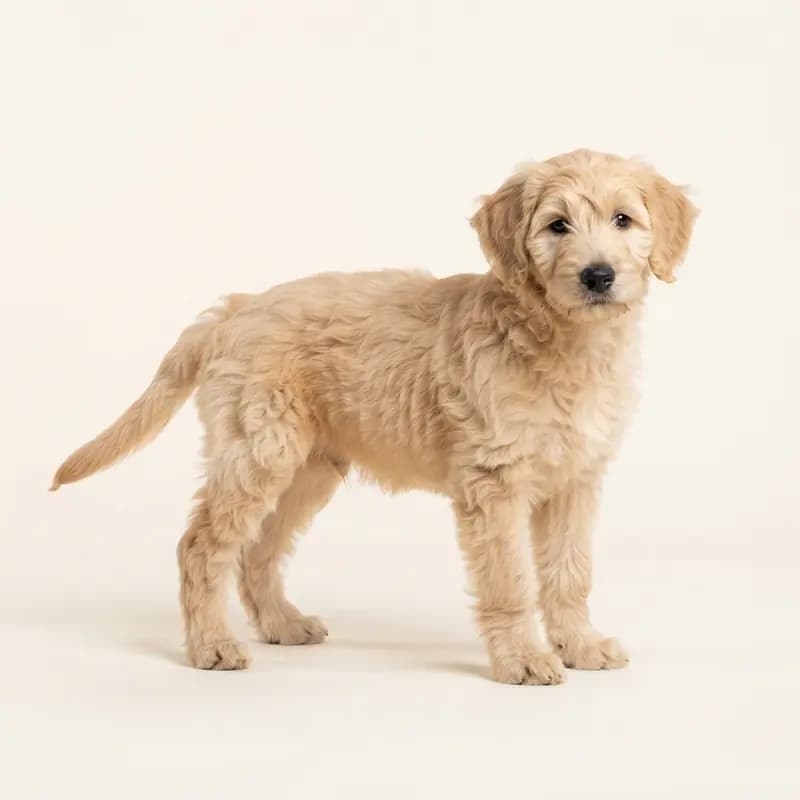
 Illustrative imageIllustrative image
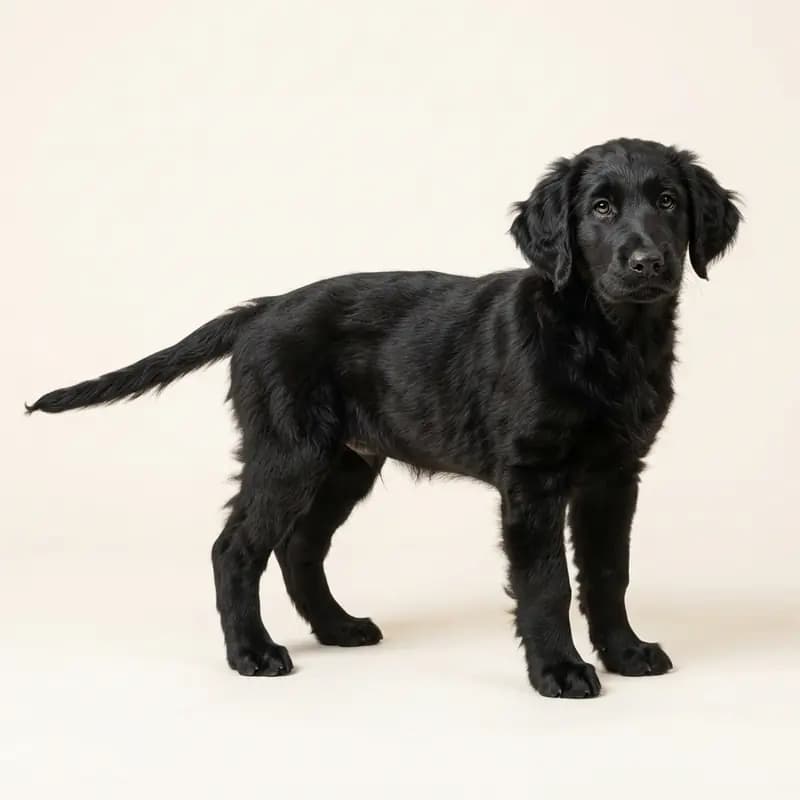 Illustrative image
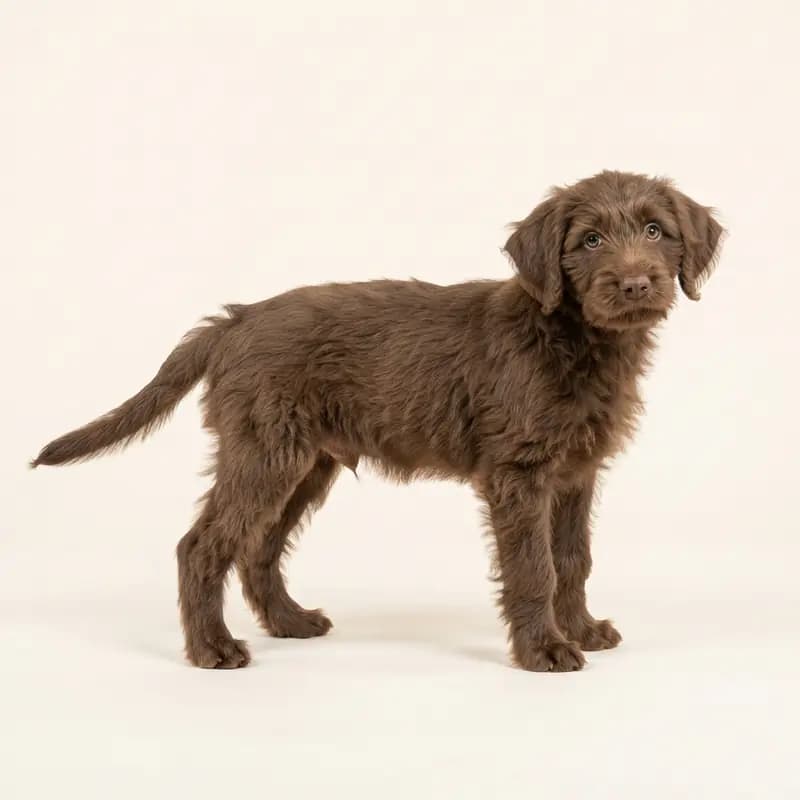 Illustrative image
The history of the Wäller begins in Germany in the second half of the 20th century. The breed originated from crossing Australian Shepherds with various herding and working dogs to create a versatile and robust family and working dog. The Wäller is especially valued for its intelligence, eagerness to learn, and balanced temperament. Breeding was specifically focused on health, enthusiasm for work, and adaptability. Today, the Wäller is primarily known as a loyal companion and versatile working dog and is enjoying growing popularity.
The Wäller was created by crossing Briard and Australian Shepherd, bred as a versatile family and working dog.
Germany
1990
Many owners value the Wäller as a very affectionate, cheerful and loyal everyday companion. Owners' accounts highlight that these dogs form a particularly close bond with their people and want to be part of everything. With children in their own household, they're usually patient and playful in practice, as long as basic training is in place and the dog has a quiet place to retreat to.
At the same time, owners stress that the Wäller is not a couch dog. With Briard and Australian Shepherd in its makeup, it's a real bundle of energy. If family life only offers it short potty walks, owners quickly report restlessness, nervousness or noisy behavior at home. Many of these dogs are reserved or watchful with strangers at first, so owners need to manage visits thoughtfully.
Sources:mit-tier.depetbook.dehunde-fan.dexn--wller-vom-albtrauf-ltb.dehundeforum.com
On dog forums and among owners, the Wäller is described as very eager to learn, but by no means a dog that trains itself. Many owners report that these dogs catch on fast, which applies just as much to the cues you want as to taking advantage of any inconsistency. Alongside that quick understanding, some dogs show the Briard's independence, which comes across as a charming but challenging stubborn streak.
According to experienced owners, one of the biggest everyday challenges isn't just exercise but learning to settle. Because these dogs often want to "work" and have a job to do on their own initiative, they tend to get wound up or fidgety when overstimulated. Owners also warn repeatedly about the herding and control instinct: some report that their Wällers tend to want to control or round up running children, bikes or other animals if this behavior isn't given limits from puppyhood on.
Owners report a wide range of looks and coat types in the Wäller, since it's a relatively young breed. While some owners describe easy-care, wiry hair, others complain about a huge amount of grooming. The switch from puppy coat to adult coat and cold, wet weather in particular often lead to heavy matting, and the dog tracks plenty of dirt and burrs into the house after walks.
As for overall health, most owners find their Wällers weatherproof, hardy and robust dogs with a long life expectancy. Owner groups regularly point out how important it is to choose a breeder carefully, though: because the parent breeds are herding breeds, inherited risks such as joint disease (HD/ED) or genetic traits (for example the MDR1 gene defect from the Australian Shepherd side) play a central role in health checks.
Paraphrased from real owner reports · translated from German
The Wäller is an active dog that needs plenty of exercise and mental stimulation. Research the temperament, grooming needs, and space requirements before deciding.
The average life expectancy of a Wäller is 12-15 years. With proper care and regular vet visits, your dog can live a long, healthy life.
Wäller grooming requirements include regular brushing, nail trimming, and dental care. HonestDog provides detailed grooming tips for every breed.
The Wäller can be a great family dog. Proper training and socialization are key. HonestDog provides family suitability information for every breed.
The Wäller comes in these colors: Black, Brown, Red, Fawn, Wheaten, Grey, Sable, Brindle, Blue merle, Red merle, Black and tan, Tricolor.
Showcase your kennel on HonestDog and reach families searching for a responsibly bred Wäller.