Loading breeder profile
Dogs love cookies, and so do we
Cookies for analytics and ads. Privacy
Dogs love cookies, and so do we
Cookies for analytics and ads. Privacy
Explore matching breeds


About me
Since 2021, I have been a breeder of short-haired Dutch Shepherds. Currently, I own 2 breeding females.
I train and take exams with my dogs, mainly in agility and mantrailing. In our free time, we do dog pulling sport, dog diving, target odor search, trick training and show handling. My breeding dogs passed the FCI-Natural Herding Apitude Test with excellent; so they have the natural herding instinct. In agility, I compete at A2 level with my female Eule and at A1 level with Tari.
Even in my youth, Dutch Shepherds particularly appealed to me, and I could easily imagine having such a dog. Unfortunately, it had always been denied to me, so my first female only moved in in 2018: my Dazzling Beauty vom Flensburger Land. With her, I first found my way into dog sports and then decided to also complete the breeding approval with her. In 2021 she had her first litter, and it was a wonderful experience to raise the puppies and place them into lovely new homes. The breed has only a rather small gene pool, and it will not become easier in the future to preserve them as they were bred just under 125 years ago.
Breeding is not just about wanting to have puppies once. Rather, it is much more about preserving and improving the breed in terms of health, temperament, and standard.
The typical FCI Dutch Shepherd Dog is still very natural and original in its nature and manner. In the Netherlands, their country of origin, the dogs were kept as guard and farm dogs, served as herding dogs for sheep, and were generally "family dogs". The Dutch Shepherd Dog is certainly one of the most sensitive shepherd dog breeds. Nevertheless, they are suitable for almost every dog sport.
Which health and genetic tests do you perform on your dogs?
* For my dog breed, certain examinations are mandatory before breeding approval. These include:
HD, ED, LÜW, SDCA 2, DM, KBR, DNA profile and proof of parentage
In addition, I have my dogs tested or examined for:
OCD, spondylosis, test for A locus
I have my breeding females thoroughly examined by my veterinarian before their litters.
How are puppies raised and socialised?
My puppies are born and raised in the house with me and my family. I reject kennel keeping and rearing. It is very important to me that my dogs grow up in a close family unit and are socialised with humans, dogs and other animals. As they grow older, the puppies get to know further stimuli and environments and are ideally prepared for their new life with their new owners.
A glimpse
 2026Holländische Schäferhunde od Zlaté Sovy
Here is what we checked at Holländische Schäferhunde od Zlaté Sovy:
 Identity (ID card)Checked: checked
 Documents checked by the HonestDog teamChecked: checked
 Section 11 permit (§ 11 TierSchG)Not applicable: not required – fewer than 3 breeding females declared
 HonestDog examChecked: passed
 Breeding standards (Code of Ethics)Checked: accepted
Level 1: identity & documents · Level 2: video interview · Level 3: confirmed on site How we check →
Responsible breeding starts with healthy parents. These are the examinations Holländische Schäferhunde od Zlaté Sovy has documented for their breeding dogs.
Holländische Schäferhunde od Zlaté Sovy has uploaded health records for these examinations to HonestDog. Ask your breeder about the test results of your litter's parents.
Learn more about Hollandse Herdershond (Holländischer Schäferhund) health
Elbow dysplasia is a developmental disorder of the musculoskeletal system where the three bones forming the elbow joint do not fit together properly. This misalignment causes abnormal friction and wear on the joint cartilage, eventually leading to painful, chronic joint inflammation and arthritis. It is a complex genetic condition influenced by multiple genes.
Hip dysplasia is an inherited skeletal disorder where the ball and socket of the hip joint do not fit together properly. Instead of sliding smoothly, the bones rub and grind against each other, wearing down the protective cartilage. Over time, this chronic friction causes joint instability, painful inflammation, and progressive arthritis, which is the gradual wear and tear of the joint.
Transitional vertebra, also known as lumbosacral transitional vertebrae (LSTV), is a congenital skeletal malformation where a vertebra at the junction of two spinal sections—usually the lower back and the pelvis—develops abnormally, sharing characteristics of both areas. This anatomical variation can cause instability or uneven pressure in the lower spine. It is frequently identified during standard hip dysplasia screening radiographs, which evaluate the same pelvic region.
Spongiform Degeneration with Cerebellar Ataxia Type 2 (SDCA2) is an inherited neurological disease affecting the brain, specifically the cerebellum, which controls movement and balance. In affected dogs, the brain tissue develops microscopic, sponge-like holes, disrupting the normal transmission of nerve signals. This leads to a severe loss of motor coordination and control.
Degenerative Myelopathy is a progressive disease of the spinal cord where the protective sheath around the nerves slowly breaks down. This deterioration disrupts the vital communication signals between the brain and the muscles of the hind limbs. Over time, this lack of signal transmission leads to a complete loss of muscle control in the back legs.
Osteochondritis dissecans (OCD) is a developmental skeletal disorder affecting the joints, where a piece of cartilage fails to turn into bone properly. This abnormal cartilage can crack and detach from the underlying bone, creating a loose flap or fragment that floats in the joint space. This leads to painful inflammation and joint damage, most commonly in the shoulders, elbows, or knees.
Spongy degeneration with cerebellar ataxia 1 (SDCA1) is an inherited neurological disease that causes the brain tissue, particularly in the cerebellum, to break down and develop a spongy appearance. The cerebellum is the area of the brain responsible for coordinating voluntary movements and balance. As this tissue degenerates, the dog's nervous system loses the ability to properly control body movements.
All information is based on documents uploaded by the breeder – part of our standards for responsible breeding.
See what your puppy could look like when fully grown.
Holländische Schäferhunde od Zlaté Sovy has been verified by HonestDog for responsible and trusted breeding practices. When you're ready to reach out, feel free to ask any questions about the breed, their program, or specific puppies.
Together, you'll choose the puppy that's right for you, stay in touch with regular updates, and plan how to bring your new puppy home.
Send message
Introduce yourself
Phone call
Get to know each other
Visit
Meet the puppies
Handover
Contract & pickup

Checklist for your visit
Printable checklist with all the important questions for your breeder visit.

Every puppy that finds a home through HonestDog should start with 30 days of free insurance cover, for a stress-free start. We're currently looking for the right insurance partner.
You can drive or take the train to pick up your puppy from Holländische Schäferhunde od Zlaté Sovy.
Meet in Neuss, Nordrhein-Westfalen
Calculate distance
Enter a postal code or use your location to see travel time.
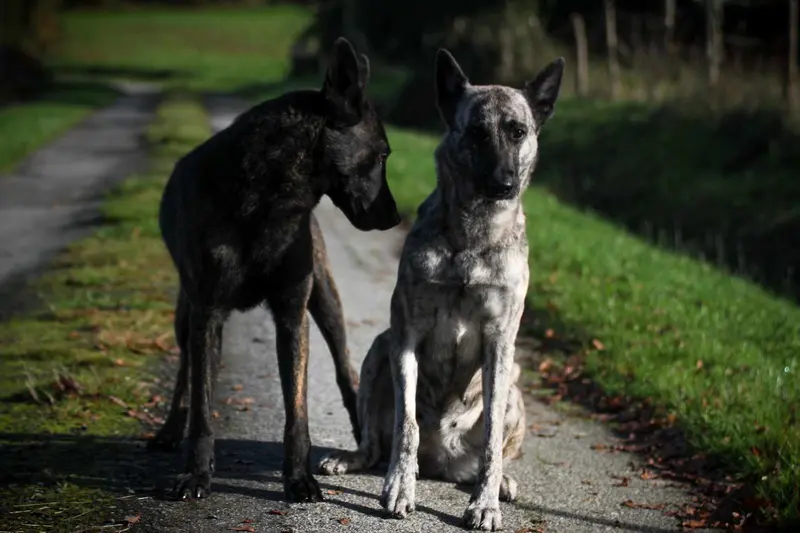
These dogs are already reserved or have gone home.
 Litter photo
Male

Male
Everything you need to know about Holländische Schäferhunde od Zlaté Sovy and getting a puppy.
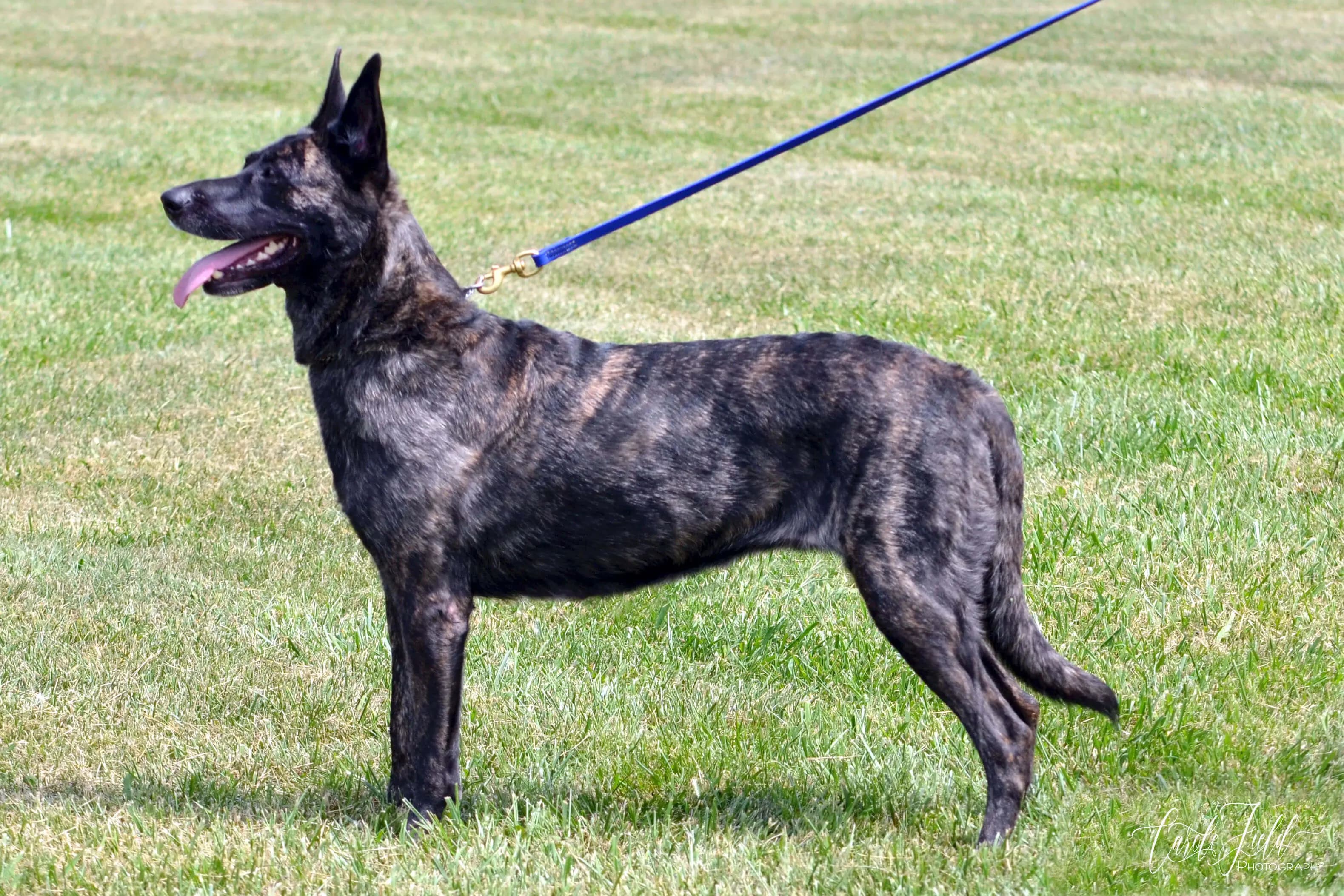
Holländische Schäferhunde sind intelligente Hunde mit viel Energie. Sie müssen typgerecht ausgelastet werden und sind keine Anfängerhunde.
Learn more