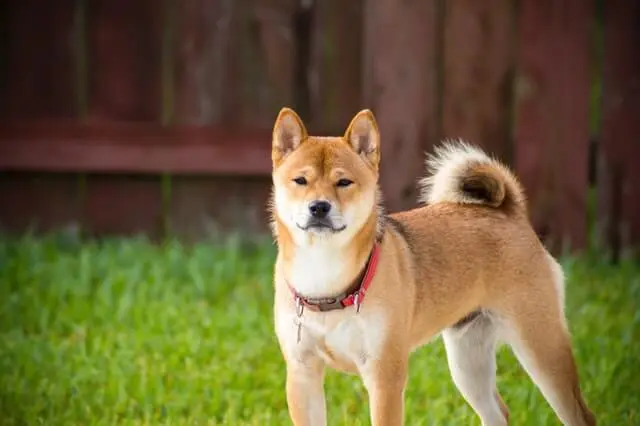
Akita temperament & personality: Is this breed right for you?
A proud gaze, an upright posture, and a presence that fills the room — the Akita is a dog that commands respect. Originally from Japan and classified under FCI Group 5 (Spitz and primitive types), this large breed brings traits that require a deep understanding of canine communication. If you're exploring the Akita temperament, you'll quickly realize that this isn't a dog of blind obedience, but rather a confident, self-assured personality.
This guide explores the Akita personality in all its facets. The goal is to paint a realistic picture of everyday life with these dogs, far removed from the romanticized portrayals in movies. Only by understanding the true Akita temperament can you decide whether this dignified breed fits your life.
Core personality: The typical Akita trait
An Akita's behavior is deeply rooted in its history. In its Japanese homeland, it was used for bear hunting and as a guard dog. These tasks required courage, independence, and the ability to assess situations on its own. These traits remain deeply anchored in the modern Akita temperament.
Pride and independence in everyday life
Dog owners accustomed to the "will to please" seen in breeds like the Golden Retriever will need to shift their mindset with an Akita. The Akita doesn't execute commands out of mere compliance; it questions the purpose of a task. If you're standing in a pouring rainstorm on a field and ask your Akita to sit in the wet grass, you'll often be met with just a questioning look. This independence is frequently mistaken for simple stubbornness, but it is actually a sign of high intelligence and independent problem-solving skills.
Deep loyalty to its family
Once an Akita has built trust, it shows remarkable loyalty. Within the family unit, the Akita personality is extremely loyal, gentle, and affectionate. It seeks the company of its trusted humans without being needy. A typical Akita loves to lie in the same room as its people, ideally in a strategic spot where it can oversee everything. It's a calm indoor companion who enjoys petting sessions without constantly demanding active attention.
Calm distance toward strangers
Toward unfamiliar people, the Akita is generally reserved and distant. It's not a dog that will eagerly jump on visitors or want to be petted by everyone on the street. Instead, it observes new people from a safe distance and decides for itself when and if it wants to make contact. This behavior makes it an excellent yet unstressed guard dog. It doesn't bark at every little thing, only speaking up when it sees a genuine necessity.
You can find more detailed information on origins and physical characteristics in the comprehensive Akita breed profile.
Who is the Akita suitable for?
Deciding to get an Akita requires careful thought. Males reach a shoulder height of 64 to 70 centimeters (25 to 28 inches) and weigh between 35 and 50 kilograms (77 to 110 lbs). This physical strength, paired with a strong will, demands clear boundaries in ownership.
Are Akitas suitable for first-time owners?
Generally, the Akita is not classified as a classic beginner dog. Trainability often ranks in the lower middle field (about 2 out of 5 points on common scales), which doesn't mean the dog can't learn, but rather that the owner must know how to motivate it. Inexperienced owners can easily become overwhelmed by the strong-willed nature if they try traditional, obedience-based training methods. If a first-time owner chooses this breed, professional support from dog trainers experienced with primitive dog breeds is an absolute must.
Families, singles, and seniors
In families, the Akita can be a wonderful addition. Its family-friendliness is often rated highly because, with proper socialization, it builds a deep bond with all household members. It is also well-suited for active singles or couples who enjoy spending time in nature and appreciate a sovereign companion.
For seniors, the crucial question is whether they can physically handle a full-grown Akita. If the dog lunges on the leash because of a trigger like wildlife, you need to be able to safely hold back 50 kilograms of muscle mass.
Coexistence: Everyday life with an Akita
Living with an Akita requires adjusting your lifestyle. The breed brings specific needs that must be accommodated in the home environment.
Akitas and children
The Akita is generally good with children, but rules are essential. With children in its own household, the breed is often extremely patient and protective. However, it's vital that children learn to respect the dog's boundaries. The Akita values its rest periods and will retreat when things get too noisy; this retreat space must remain off-limits. Special care is needed when visiting children are over. The protective Akita temperament can lead the dog to misunderstand harmless roughhousing between kids as a threat to "its" children.
Compatibility with other animals
Social compatibility with other dogs is a frequent topic in Akita experiences. Especially with same-sex dogs, the Akita tends toward dominance. Unfamiliar dogs are often ignored as long as they keep their distance. However, if other dogs approach rudely, the Akita will correct them and make its stance crystal clear. Living with cats is possible if the dog is accustomed to them from puppyhood. Small pets in the house or garden can be problematic due to the high prey drive.
Living situation: House or apartment?
Because of its generally calm indoor demeanor, the Akita has a certain level of city adaptability. It is not a hyperactive dog pacing constantly around rooms. Nevertheless, a house with an escape-proof fenced garden is the ideal environment. Its dense coat with plenty of undercoat means Akitas love spending time outdoors — even in sub-zero temperatures. In a pure apartment setting without a garden, owners must ensure the dog gets ample daily access to nature several times a day.
Exercise and activity needs
A balanced Akita Inu character requires species-appropriate stimulation. The breed has a moderate to high energy level, but expresses this differently than typical working dogs.
Walks and physical exercise
The Akita appreciates extended walks in nature. It trots along enduringly, sniffs intently, and observes its surroundings. Monotonous ball throwing is usually seen by this dog as a complete waste of time; after the third throw, it will ignore the ball. Instead, it enjoys hikes across changing terrain. Because of its often strong prey drive, off-leash walking in heavily wooded areas isn't always possible, making long-line training a fixed part of daily life.
Mental stimulation
Alongside physical exercise, cognitive stimulation is important. Akitas have an exceptional sense of smell. Nosework such as mantrailing, target odor search (ZOS), or tracking are ideal activities. They require concentration, tire the dog out mentally, and suit its primitive nature very well. Since the dog must solve problems independently during nosework, it also builds self-confidence in a calm manner and strengthens the bond with the owner.
Challenges in ownership
Dog owners frequently report specific hurdles in their Akita experiences. Anyone choosing this breed should be prepared for the following:
- Strong prey drive: As a former hunting dog, almost no movement in the undergrowth escapes the Akita. Visual stimuli or scents are picked up quickly. Reliable recall around wildlife requires months to years of highly focused anti-hunting training.
- Territorial behavior: Guarding home and hearth is in its blood. The postal worker or a passerby at the garden fence will be watched attentively. Clear leadership is required so the dog hands over responsibility for security and doesn't feel it must regulate who is allowed onto the property itself.
- Coat shedding during seasonal changes: Grooming intensity is generally rated as moderate, but changes drastically during the coat blow in spring and autumn. During these weeks, the Akita sheds massive amounts of undercoat. Daily, thorough brushing is mandatory, and owners must prepare for considerable amounts of dog hair around the house.
Training: How to succeed with an Akita
Training an Akita is a delicate balancing act between consistency and respect. Harshness, pressure, or loud yelling inevitably lead to a loss of trust with this breed. If you react unfairly, the Akita will withdraw or refuse to cooperate altogether.
Consistency without harshness
Clear rules are the foundation. If the dog isn't allowed on the couch, it never is — not even on Sundays. The Akita closely observes inconsistent behavior from its owner and will try to use those softened rules to its advantage. The training method of choice is positive reinforcement. You need to figure out what motivates your individual dog. Since many Akitas aren't heavily food-motivated, high-value rewards (like cheese or sausage) or calm verbal praise can be more effective than standard dry kibble.
Socialization during puppyhood
The most crucial phase in an Akita's life is the first few months. Comprehensive socialization is vital to channel future interactions with environmental stimuli, strangers, and other dogs properly. The puppy should be introduced positively — without overwhelming it — to various sounds, surfaces, animals, and crowds. Good breeders begin this work as early as the third week of life.
In Germany, comprehensive guidelines on breeding standards and character temperament tests are provided by the Verband für das Deutsche Hundewesen (VDH). For networking among breed enthusiasts, the Akita Club e.V. is also a reputable contact point offering in-depth expert information.
Frequently asked questions (FAQ) about the Akita Inu character
Can Akitas stay home alone?
Yes, an Akita can learn to stay home alone for a few hours. Due to its independent and calm nature, it is less prone to severe separation anxiety than other breeds. The prerequisite, however, is gradual training during puppy and adolescenthood, along with sufficient exercise before the dog is left alone.
Do Akitas bark a lot?
No, the Akita is one of the very quiet dog breeds. It doesn't yapping without cause. If an Akita barks, there is usually a valid reason that the owner should pay attention to. Occasionally, they communicate with their family through murmuring or yawning sounds.
How much does an Akita cost to buy and keep?
For a puppy from a reputable breeder, the price typically ranges between 1,500 and 3,000 euros. Added to this are ongoing costs for high-quality food designed for large breeds, veterinary bills, liability insurance, and dog tax. Since Akitas have a lifespan of 10 to 15 years, this represents a long-term financial responsibility.
Why is the breed not compatible with other dogs?
It's a misconception that Akitas are universally dog-aggressive. However, it is true that they often have no interest in unfamiliar dogs and prefer distance. Especially with same-sex adult dogs, their strong self-confidence and territorial behavior can lead to tension. Early, positive socialization softens this behavior, but rarely turns the Akita into a dog that invites every passing dog on the dog park to play.
Find your suitable companion
The Akita Inu character is complex, profound, and demands a person willing to enter into a partnership of equals. If you're looking for a dog that executes commands like a machine, you won't be happy with this breed. However, if you appreciate quiet communication, respect stoic pride, and bring the necessary consistency and calm, you will find a companion of unwavering loyalty in the Akita.
The decision to get this special primitive breed should never be spontaneous. Take the time to get to know the Akita personality with local breeders and have honest conversations about the breed's requirements. At HonestDog, transparency and animal welfare come first. Discover verified breeders, learn more about health aspects, and find out whether this dignified breed fits your life. Once you've informed yourself thoroughly and are ready for this responsible task, you can find suitable Akita puppies here.