With good breeding, Akitas are considered robust dogs with a life expectancy of 10 to 15 years. Even so, the breed carries specific health risks affecting the hips, eyes and immune system, and you need to know about them in detail before you buy.
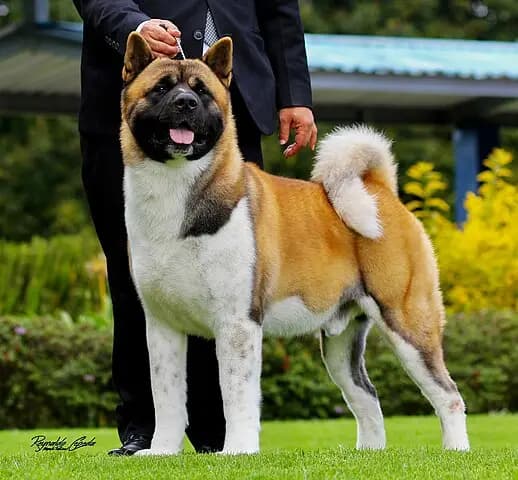
Because males reach a height at the withers of 64 to 70 cm and a weight of 35 to 50 kg, the musculoskeletal system is under heavy strain. X-ray screening of the parent dogs for hip dysplasia (HD) is mandatory in the Deutscher Club für Nordische Hunde e.V. (DCNH) and significantly reduces the risk of joint problems in the offspring. Just as important is a comprehensive clinical eye examination of the breeding dogs. The breed’s recommended health standard includes tests for various eye abnormalities, among them cataract, entropion and ectropion, distichiasis, corneal dystrophy, lens luxation, retinal dysplasia, pectinate ligament dysplasia, optic nerve hypoplasia and micropapilla, as well as persistent structures such as PPM and PHTVL/PHPV. In addition, testing for amelogenesis imperfecta (enamel hypoplasia) is part of the breed’s recommended health standard.
Autoimmune skin diseases such as sebaceous adenitis (an inflammation of the sebaceous glands that leads to hair loss and skin changes) and pemphigus are a particular feature of the Akita. Other eye conditions, such as microphthalmia or generalised progressive retinal atrophy (PRA), also occur in the breed. As there are no simple DNA tests for complex autoimmune conditions, reputable breeders work here through detailed knowledge of their bloodlines: they track the occurrence of sebaceous adenitis or pemphigus in the pedigrees and remove affected dogs from breeding to reduce the risk for the puppies. In everyday life, you should make sure the puppy is raised in a joint-friendly way, kept lean, and watch for early changes to the skin, claws or eyes.