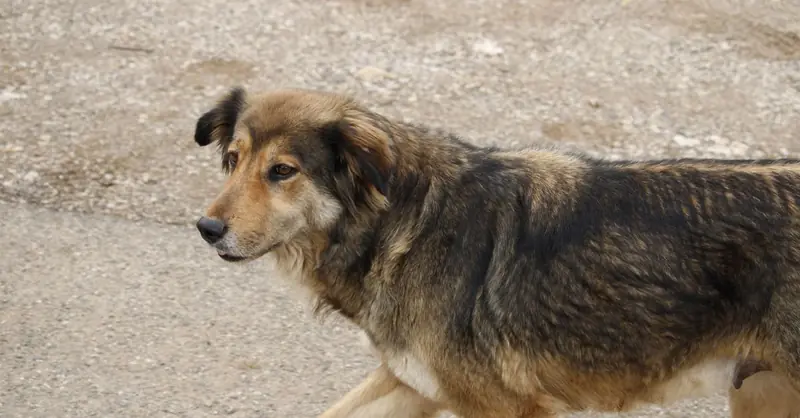
When navigating dog leash laws in Bavaria, you will quickly notice there is no statewide dog act or blanket leash mandate for all dogs. Instead, individual towns and municipalities independently set their own rules through local bylaws, deciding where and for which dogs leashing is mandatory. Outside built-up areas and in forests, dogs can generally run off-leash as long as they stay within your direct influence and do not endanger wildlife.
| Regulatory Area | Bavarian Rule |
|---|---|
| Legal Basis | Art. 18 Landesstraf- und Verordnungsgesetz (LStVG), Bavarian Municipal Code (GO), and Art. 56 Para. 2 No. 9 Bavarian Hunting Act (BayJG) |
| Who Is Affected? | In built-up areas, mainly large dogs (with a shoulder height of 50 cm or more) and listed breeds via municipal ordinance; all breeds in designated zones and nature reserves |
| Breeding and Nesting Season | No statewide general leash mandate; access restrictions and leash rules apply only locally via nature conservation or municipal ordinances |
| Potential Fines | Municipal regulatory offenses typically up to €1,000; up to €5,000 under hunting law for uncontrolled chasing of wildlife |
| Responsible Authority | Local public order and regulatory offices (Ordnungsamt) of the respective town or municipality |
Status: October 2026. This does not replace formal legal counsel — the current statutory text and guidance from your local regulatory authority are legally binding.
Do Leash Laws for Dogs Apply Statewide in Bavaria?
If you are wondering whether a general leash mandate exists across Bavaria, the short answer is no. Unlike several other German federal states, the Free State of Bavaria does not have a centralized state dog act requiring every owner across the board to leash their pet. If you would like to compare how other regions regulate off-leash freedom, check out our guide on leash laws across all German federal states.
The statutory basis in Bavaria is Art. 18 Para. 1 of the State Offenses and Regulatory Act (LStVG). This section authorizes individual municipalities and cities to restrict dogs from roaming freely by issuing local bylaws. However, legislators set clear boundaries: the statute explicitly references so-called large dogs (established in administrative practice and case law as dogs measuring at least 50 centimeters at the shoulder) and fighting dogs (dangerous breeds). Art. 18 LStVG also requires municipalities to respect a dog's natural need for exercise — meaning a blanket, town-wide leash ban covering an entire municipality is legally impermissible.
Smaller dogs under 50 centimeters shoulder height generally fall outside the scope of Art. 18 LStVG. Even so, municipalities can rely on their local park regulations under the Bavarian Municipal Code (GO) to mandate leashes for small breeds on playgrounds, sunbathing lawns, or inside historic parks.
Leash Laws in Bavaria in Forests and Open Countryside
For many dog owners, walks in the woods are the highlight of the day. Questions around off-leash etiquette in Bavarian forests are very common, and the framework offers plenty of freedom: neither the Bavarian Forest Act (BayWaldG) nor the Bavarian Nature Conservation Act (BayNatSchG) imposes a universal leash requirement. Under Art. 27 BayNatSchG, everyone enjoys the basic constitutional right to recreation in open nature — and this includes walking with dogs.
However, hunting legislation sets clear limits. According to Art. 56 Para. 2 No. 9 of the Bavarian Hunting Act (BayJG), allowing your dog to run unsupervised in a hunting ground is an administrative offense. The Bavarian Supreme Regional Court clarified that a dog is considered unsupervised if it moves so far from its handler that visual contact is lost and immediate verbal or visual recall is no longer possible. If your companion does not have a bulletproof recall or displays a strong prey drive, keep them on a long training line in the forest for their own safety.
Take game protection rules seriously: under Art. 42 BayJG, authorized hunting personnel are legally permitted under strict conditions to shoot dogs found hunting, chasing, or endangering wild game inside the hunting district.
Is There a Leash Mandate in Bavaria During the Breeding and Nesting Season?
Several northern and western German states enforce strict statutory leash laws each spring to protect ground-nesting birds and newborn wildlife. Bavaria does not have this blanket rule: there is no statewide breeding and nesting season leash mandate. Neither hunting law nor nature conservation law automatically forces dogs onto a leash across all paths and meadows between March and July.
Nevertheless, there are crucial local exceptions you should keep in mind:
- Nature Reserves and Protected Habitats: Specific ordinances for nature reserves (NSG), national parks, or designated bird sanctuaries often require a short leash year-round or seasonally to prevent disturbances to ground-nesting birds like northern lapwings or skylarks.
- Municipal Meadow Bylaws: Some Bavarian municipalities issue local protection orders restricting access to agricultural fields and riverbanks during the vegetation and nesting period.
- General Wildlife Protection Laws: Even without a formal leash requirement, Section 39 of the Federal Nature Conservation Act (BNatSchG) prohibits willfully disturbing, injuring, or destroying the breeding and resting sites of wild animals.
Typical Urban Locations: Where Leashes Are Mandatory in Bavaria
Because each municipality enforces its own local statutes, specific rules differ from town to town. Still, cities across Bavaria — from Munich and Nuremberg to Augsburg — follow similar patterns regarding designated zones:
- Pedestrian Zones and Shopping Districts: In city centers and high-foot-traffic pedestrian precincts, large dogs and listed breeds must almost universally be kept on a leash.
- Public Transit and Platforms: On buses, trams, subways, and train platforms (such as the Munich MVG network), dogs generally need to be on a short lead; some breeds may also require a muzzle.
- Children's Playgrounds and Public Pools: Fenced playgrounds, recreational sports pitches, and dedicated sunbathing lawns around swimming lakes almost always ban dogs entirely.
- Public Green Spaces and City Parks: Dogs are welcome in many urban parks, but often only on-leash. Exceptions are clearly marked municipal dog runs and designated off-leash zones.
- Public Festivals and Events: Fairs, markets, city festivals, and major events (such as Munich's Oktoberfest) enforce strict leash guidelines or bar pets altogether.
Special Rules for Listed Dogs in Bavaria
Bavaria enforces distinct, stringent requirements for certain breeds under its Dangerous Dogs Ordinance (Art. 37 LStVG). The Bavarian system divides regulated breeds into two categories:
- Category 1: Breeds such as Pit Bull Terriers, American Staffordshire Terriers, and Staffordshire Bull Terriers are legally presumed dangerous. Keeping them in Bavaria requires special official permission that is rarely granted, and they are subject to permanent muzzle and leash requirements in public.
- Category 2: Breeds including the Rottweiler, Doberman, and Dogue de Bordeaux are presumed dangerous, but this assumption can be rebutted. By passing an objective behavioral test with an approved cynological expert, you can prove the individual dog shows no heightened aggression. Passing grants an exemption certificate known as a Negativzeugnis.
For comprehensive details on classifications, requirements, and character assessments, read our detailed guide on listed dog breeds in Bavaria. If you are still exploring which companion fits your lifestyle, check out our tool to help you find a breed that matches your daily routine.
Practical Checklist: How to Verify Local Rules
Whether you are planning a weekend trip or moving to a new Bavarian town, follow these four simple steps to stay compliant:
- Check Municipal Bylaws Online: Visit the local town hall or civic portal and search for terms like "Hundehaltungsverordnung" (dog keeping ordinance) or "Grünanlagensatzung" (park bylaws).
- Know Your Dog's Shoulder Height: If your adult dog measures under 50 centimeters at the withers, many municipal leash rules based on Art. 18 LStVG do not formally apply — though separate playground and park regulations still do.
- Watch for On-Site Signage: Protected nature reserves (marked with green triangular signs featuring an eagle or Bavarian coat of arms) and official dog parks are signposted. When in doubt on new terrain, leash up first.
- Carry Proper Proof: Keep your dog tax tag attached to their collar, and always carry a copy of your exemption certificate (Negativzeugnis) if you handle a Category 2 breed in case city enforcement officers ask.
Enforcement and Fines for Violations
Compliance with local dog bylaws is monitored by municipal traffic wardens, public order enforcement teams (Ordnungsamt), and the state police. Violating an official leashing order under Art. 18 LStVG constitutes an administrative offense.
Municipalities have the authority to set fines within a statutory framework. Depending on local catalogs and the severity of the infraction, fines typically range from €35 for minor oversights up to €1,000 for repeated non-compliance. Breaches of the Bavarian Hunting Act carry far steeper penalties: letting your dog chase or hunt wildlife in a game area can trigger fines well into four figures.
Frequently Asked Questions
Is there a statewide dog leash law in Bavaria?
No, there is no statewide blanket leash mandate. Whether and where dogs must be kept on a lead is decided independently by individual towns and cities, primarily targeting large dogs with a shoulder height of 50 centimeters or more.
Are dogs required to be on a leash in Bavarian forests?
There is no general statutory requirement to leash dogs in the forest. Dogs can walk off-leash along paths as long as they stay within sight and reliable voice control. If a dog hunts or chases wild game, owners face hefty fines and hunters may take protective action under game laws.
What rules apply during the breeding and nesting season in Bavaria?
Bavaria does not have a general, statewide breeding season leash mandate. Specific restrictions may still apply locally in designated nature reserves, bird sanctuaries, or via municipal meadow protection bylaws.
What qualifies as a "large dog" under Bavarian law?
In Bavarian administrative practice and court rulings under Art. 18 LStVG, a dog with a shoulder height of at least 50 centimeters is classified as a large dog. Municipalities can issue leash orders specifically for this group in urban public spaces.
Can a canine certificate of competence exempt your dog from leash rules?
Because there is no unified state leash law, there is no standardized statewide exemption via a general dog license (Hundeführerschein). However, individual municipalities may recognize certified proof of competence as grounds for local exemptions — check directly with your local Ordnungsamt.
As you prepare to welcome a new companion, HonestDog supports you every step of the way: we connect you with vetted, responsible breeders and animal welfare organizations, ensuring complete transparency when finding your next family member.
Sources
- leinenpflicht.com
- petbook.de
- gesetze-bayern.de
- agila.de
- gesetze-bayern.de
- dogsinnparadise.de
- s87a86a5c15aa54fb.jimcontent.com
- tasso.net