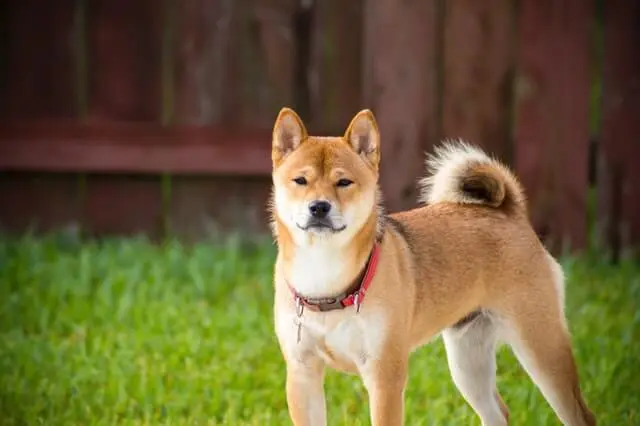
Akita Inu: Costs, Breeders & Essential Guide
Deciding to welcome an Akita Inu into your home means bringing in a dog with a strong personality and a rich history. This Japanese breed is renowned for its dignified presence, courage, and deep loyalty to its family. Ever since the cinematic retelling of the true story of Hachiko—the faithful dog who waited for years at a Tokyo train station for his deceased owner—the Akita has gained worldwide fame.
Yet beneath that plush appearance and bear-like face lies a demanding character. An Akita is not a dog for everyone. They often act independently, bond extremely closely with their family members, but tend to remain reserved and distant toward strangers. In this comprehensive guide, you will learn in detail what costs to expect, how to spot reputable breeders, which health aspects are critical for this breed, and what everyday life looks like with a Japanese Spitz.
Origin and History of the Akita
The Akita originates from Akita Prefecture in the northern part of Japan's main island, Honshu. The breed is among the oldest in the world and was originally used as a hunting dog by the Matagi, traditional Japanese winter hunters. Their task was to track down and hold bears, wild boars, and other big game in the snowy mountains until the hunters arrived. This demanding work required not only immense physical strength and endurance, but also courage and the ability to make independent decisions.
Over the centuries, the Akita's role evolved. They became companions to the samurai and served as watchdogs for noble families. In Japan, the breed is still regarded as a national natural monument and a symbol of health, good fortune, and prosperity. It is an old tradition to gift families a small Akita statue upon the birth of a child or during illness, symbolizing protection and a swift recovery.
The Akita Puppy Price: What Does a Puppy and Ongoing Care Cost?
Financial responsibility for a dog spans its entire life, which typically lasts 10 to 15 years for an Akita. Expenses consist of the one-time purchase price, initial equipment, and ongoing monthly and annual costs.
The Purchase Price for a Puppy
The akita puppy price for a healthy puppy from a reputable breeder typically ranges between 1,500 and 3,000 euros. While this price might seem high at first glance, it reflects the elaborate and responsible breeding work involved. Reputable breeders invest significant time and money into comprehensive health screenings of the parent dogs, high-quality food, stud fees, club memberships, and optimal socialization for the puppies during their first weeks of life. A puppy with papers from a recognized kennel club brings the best possible foundation for a healthy life.
Costs for Initial Equipment
Before the puppy arrives, your home needs to be outfitted with dog-friendly gear. Because the Akita is a very large dog—males reach a weight of 35 to 50 kilograms with a shoulder height of up to 70 centimeters—beds, bowls, and leashes must be robust and properly sized.
- Dog bed and blankets: An orthopedic dog bed that protects the heavy dog's joints costs about 100 to 200 euros.
- Leash, collar, and harness: Budget 80 to 150 euros for a well-fitting, sturdy chest harness and a tracking leash.
- Bowls and grooming tools: Large stainless steel or ceramic bowls, alongside high-quality brushes and combs for the dense coat, cost a combined 50 to 80 euros.
- Travel safety: A secure transport crate for the car runs between 150 and 300 euros.
Ongoing Monthly and Annual Costs
Keeping a large dog is a fixed item in your household budget.
- Nutrition: An Akita requires a balanced, meat-rich diet. Premium dry or wet food, or raw feeding (BARF), costs about 80 to 130 euros per month for a dog of this weight class.
- Veterinary care and prevention: Regular vaccinations, deworming, and tick prophylaxis cost about 150 to 300 euros annually. Setting aside savings for unforeseen surgeries or chronic illnesses is essential. Pet health or surgical insurance costs about 40 to 80 euros per month and protects against sudden, high bills.
- Dog tax and liability insurance: Dog taxes vary greatly by location and usually range between 50 and 150 euros per year. Canine liability insurance, which covers personal injury or property damage, costs about 50 to 80 euros annually.
Finding a Reputable Akita Breeder
The search for the right Akita breeder takes patience and careful research. When you want to buy akita puppies, you should turn exclusively to breeders who belong to a recognized organization. In Germany, these are typically breeding kennels operating under the umbrella of the VDH (Verband für das Deutsches Hundewesen), organized in specialized breed clubs such as the Akita Club e.V. or Japan Akita e.V.
How to Recognize a Quality Breeding Kennel
A responsible breeder places the utmost importance on the health and temperament of their dogs. For breeding approval within the VDH, Akitas must pass a temperament test, among other requirements. This ensures that only stable dogs that are not overly aggressive or fearful enter the breeding program.
A good breeder will invite you over early on to get to know you and your living situation. They will ask questions to make sure their puppies go to a suitable environment. The dogs grow up inside the house, are integrated into family life, and are exposed early to everyday noises, various surfaces, and different people.
To discover verified breeding kennels near you, take a look at our overview for Akita breeders in Germany.
Health: What to Watch For When Buying an Akita
Akitas are robust dogs. Ensuring the dog reaches old age in good health depends heavily on genetic background. Reputable breed clubs mandate strict health screenings prior to breeding approval. Always ask the breeder to show you copies of the parent dogs' test results.
Breed-Specific Conditions and Mandatory Tests
Key breed-specific disorders and tests required by breed clubs include:
- Hip Dysplasia (HD): A genetically linked malformation of the hip joint that can lead to painful osteoarthritis over time. VDH breeding allows only dogs with HD-A (free) or HD-B (transitional) ratings.
- Eye Diseases: Akitas can suffer from hereditary eye conditions such as Progressive Retinal Atrophy (PRA), which can lead to blindness. Regular examinations by specialized veterinarians (DOK ophthalmologists) are mandatory for breeding dogs.
- Amelogenesis Imperfecta (AI): A genetic defect affecting tooth enamel, leading to thin, brittle teeth. Corresponding DNA testing is increasingly required and performed in breeding to identify carriers.
- Sebaceous Adenitis (SA): An inflammatory autoimmune disease that destroys the sebaceous glands of the skin. This leads to severe hair loss, dandruff, unpleasant odor, and intense itching. Further medical background on this is provided by AniCura, for example. Because the exact inheritance is complex and a simple genetic test is still lacking, reputable breeders pay meticulous attention to pedigrees and consistently exclude affected lines from breeding.
You can find more detailed information on breed-specific traits and care in the comprehensive Akita breed profile.
Does an Akita Fit Me and My Daily Life?
The Akita is not a dog defined by blind obedience or an eagerness to constantly please its human. This independence makes them unique companions, but it requires plenty of canine savvy.
Training and Leadership
Experienced trainers know that pressure, coercion, and harshness will get you nowhere with an Akita. On the contrary: an Akita will become stubborn and refuse to cooperate when treated unfairly. They cooperate when they see the point of a task and trust their human. Consistency, infinite patience, and calm, sovereign leadership are the keys to success. This breed is therefore only conditionally suited for absolute dog beginners. However, those willing to deeply engage with the dog's body language and establish an equal partnership will gain a loyal friend for life.
Living Situation and Exercise
Despite its size and strength, the Akita is usually a very calm, unobtrusive, and balanced dog indoors. They are not prone to hyperactivity and do not require hours of high-intensity athletic training like a Husky, for instance. They appreciate extended, varied walks in nature and moderate training. A house with a securely fenced yard is ideal for this breed. Due to their territorial instincts, size, and reserve toward constant stimuli, they are less recommended for a cramped, bustling city apartment.
Family and Compatibility
Toward its own family, the Akita is fiercely loyal, protective, and loving. With good socialization, they usually get along well with children in the same household, though interactions between dogs and small children should always be supervised. Toward strangers, they show breed-typical disinterest to watchfulness. They are not dogs that want to be petted by everyone.
Compatibility with other dogs, especially of the same sex, is often limited in Akita dogs. They do not tolerate provocation well and carry themselves with high self-confidence. Early, positive socialization in a well-managed puppy class is essential here to minimize later conflicts during dog encounters.
Diet and Grooming: What the Akita Needs
Proper care involves not just training, but also the physical upkeep of the dog.
Proper Feeding
Nutrition plays a central role in the Akita's health and well-being. Because they are a large and heavy breed, proper feeding starts as early as puppyhood. Growing too fast on extremely protein- and energy-dense food can lead to severe skeletal developmental disorders. Reputable breeders usually provide a detailed feeding plan and a portion of the familiar food for the first few weeks.
Akitas are sometimes considered picky eaters. Furthermore, some members of the breed are prone to food intolerances or sensitive skin, which can manifest as itching. High-quality nutrition with clear, natural ingredients is therefore recommended. An appropriate meat content combined with easily digestible carbohydrates and essential fatty acids supporting the dense coat and skin barrier is crucial.
Daily Grooming Effort
Although the Akita's lush coat looks like a lot of work, the breed is naturally very clean. Akitas groom themselves much like cats and lack a strong doggy odor. The harsh topcoat is dirt-repellent. If the dog gets muddy after a walk, letting them dry and simply brushing out the dried dirt is usually enough. Frequent baths with shampoo should be avoided, as this destroys the skin's natural protective barrier. A bath is only necessary if the dog has rolled in strongly scented substances.
Alternatives to a Puppy: An Akita from Animal Rescue
It doesn't always have to be a puppy from a breeder. Sometimes life circumstances change due to illness or overwhelming situations, causing even purebred Akitas to lose their homes. Those wanting to give an adult dog a second chance can find such animals in animal shelters or through specialized rescue organizations like "Akita in Not".
Adopting an adult dog has the major advantage that their personality is already fully formed. Experienced shelter staff can often accurately assess whether the dog gets along with cats, how they react to other dogs, whether they have learned to stay home alone, and how strong their hunting instinct is. The adoption fee for a rescue dog usually ranges between 300 and 500 euros.
Frequently Asked Questions
Is the Akita a restricted breed in Germany?
At the federal level and in the vast majority of German federal states, the Akita is not classified as a restricted or banned breed. Keeping one is therefore not subject to general state mandates such as a mandatory temperament test. However, individual municipalities occasionally enact their own regulations or levy higher dog taxes for certain large breeds. It is advisable to check with your local municipality regarding local regulations before getting one.
How much grooming does an Akita coat need?
The Akita's coat consists of a harsh, straight topcoat and a very dense, soft undercoat. Outside of shedding season, grooming is manageable: brushing the dog thoroughly once or twice a week is sufficient. However, during the spring and autumn shedding seasons, Akitas drop an immense amount of undercoat. During this multi-week phase, daily brushing is necessary to remove loose hair from the coat, prevent matting, and support skin respiration.
Can an Akita stay home alone?
Yes, a well-exercised Akita that has been gradually conditioned to it can stay home alone for a few hours. Their calm, unexcitable, and independent nature indoors works to their advantage here. Nevertheless, they are social creatures who need connection to their family and should not spend the entire day isolated in the house.
How strong is the Akita's hunting instinct?
Due to their history as big-game hunting dogs, many Akitas possess a pronounced hunting drive. They are attentive observers and often react quickly to movement in the underbrush. When walking in forests or game-rich areas, using a tracking leash is often advisable to keep the dog secure. A reliable recall must be intensively and positively trained from puppyhood.
What is the difference between the Akita Inu and the American Akita?
After World War II, two distinct lines developed from the original Japanese dogs. The Japanese Akita (Akita Inu) is slightly lighter, longer-legged, and usually appears in red, brindle, sesame, or white. The American Akita is more massive, heavier, has heavier bone structure, and is recognized in all colors, often featuring a black facial mask. However, both breeds share similar temperamental traits regarding loyalty and independence.
Find Verified Akita Puppies
Choosing an Akita should never be a spontaneous decision, but rather one made with careful thought. Once you are certain after careful consideration that this proud, independent, and loyal breed fits your life and daily routine, your search for the right companion begins. At HonestDog, we place great value on transparency, health, and animal welfare. We carefully review listings to make finding responsible breeding kennels easier for you. On our platform, you can directly find Akita puppies and get in touch with reputable breeders who will stand by your side with advice and support.