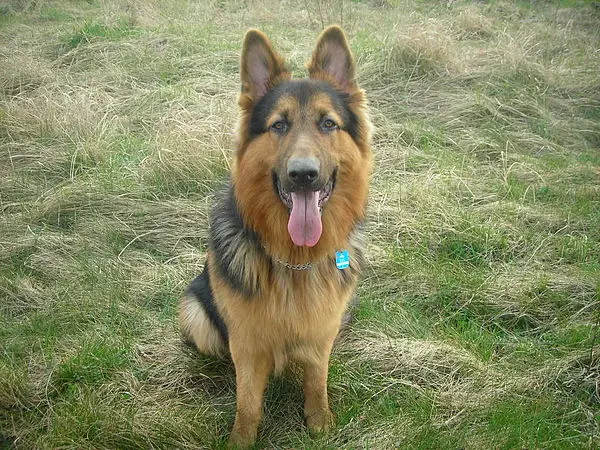
Deciding to bring a dog into your life is a major step. If you're considering long haired german shepherd puppies, you are choosing a loyal, intelligent, and hardworking companion. These dogs are captivating due to their impressive appearance with long, dense fur and a character defined by high trainability and a strong protective instinct.
In this guide, you will learn everything you need to know before your purchase. From realistic costs and finding a reputable breeder to breed-specific health considerations—here you will find well-founded information to make a responsible decision.
What defines the Long-Haired German Shepherd?
The Long-Haired German Shepherd is essentially the long-haired variety of the German Shepherd. Cynologically speaking, they are listed by the FCI and the VDH (German Dog Association) under the designation "German Shepherd Dog Longstockhaar." This hair variety has been officially recognized by the global organization FCI since 2010. Previously, these dogs were often bred in separate enthusiast clubs under the name "Altdeutscher Schäferhund" (Old German Shepherd), as long hair was long considered a disqualifying fault in the main breed club.
Visually, they are distinguished by longer topcoat and dense undercoat, which gives them a mane-like neck ruff and bushy "pants" on their hind legs. Males reach an impressive shoulder height of 60 to 65 centimeters and weigh between 30 and 40 kilograms. In addition to the classic black-and-tan coloration, they also come in black or gray sable.
In terms of temperament, the Long-Haired German Shepherd is in no way inferior to its short-haired relative. It possesses enormous working intelligence (trainability 5/5) and forms a very close bond with its owner. As a former herding dog, it brings a natural guarding instinct and tends to protect its territory and family. For a detailed overview of its traits and history, check out the Long-Haired German Shepherd breed profile.
Price: Costs to expect for your puppy
If you want to buy long haired german shepherd puppies, you should look closely at the financial obligations beforehand. The initial purchase price is only the first step.
The purchase price for a puppy
A realistic price from a reputable breeder is typically between 1,000 and 2,500 euros. While this price may seem high at first glance, it is composed of many important factors that benefit the health and socialization of the puppy. A responsible breeder invests significant money into the breeding permits of the parents. This includes expensive veterinary examinations, X-rays, DNA tests, and entering the dogs in breeding shows or working trials. Additionally, there are stud fees, high-quality food for the pregnant dam, raising the puppies in the home, vaccinations, microchips, and veterinary care during the first eight to twelve weeks of life.
Ongoing daily dog costs
Beyond the purchase price, there are regular monthly and annual costs that should not be underestimated for a large dog of 30 to 40 kilograms:
- Nutrition: An adult German Shepherd requires a significant amount of high-quality food. Depending on the feeding method (dry, wet, or raw feeding), you should expect 70 to 150 euros per month.
- Vet and preventive care: Regular vaccinations, deworming, and tick protection cost about 150 to 300 euros annually. For unforeseen illnesses or surgeries, a financial buffer or pet health insurance (approx. 40 to 80 euros per month) is advisable.
- Liability insurance: In many German states, dog liability insurance is legally required. This costs about 40 to 80 euros per year.
- Dog tax: The tax is set by the local municipality and varies greatly, usually between 90 and 150 euros annually.
- Accessories and training: Leashes, harnesses, bedding, grooming tools, and fees for dog school or sports clubs quickly add up to several hundred euros, especially in the first year.
Finding the right breeder
Choosing the breeder is the most important decision when buying a dog. A reputable breeder lays the foundation for a long, healthy life. Since the breed is very popular, there are unfortunately "backyard breeders" who produce dogs without regard for health or temperament.
How to recognize a reputable breeder
Good breeders are often members of an recognized breed club, such as the Verein für Deutsche Schäferhunde (SV) e.V., which is affiliated with the VDH. There, they are subject to strict breeding regulations and regular inspections. A reputable breeder will willingly show you all health records of the parents. They will be interested in how the puppy will live with you and ask about your living situation and experience with dogs. Ideally, the puppies grow up with close family contact, are accustomed to everyday noises, and have a clean, stimulating environment.
The mother should always be present during your visit and appear relaxed and healthy. Puppies should not be released to their new homes before the age of eight weeks and must be dewormed, vaccinated, and microchipped.
Warning signs when buying a puppy
Walk away if the breeder wants to hand over the puppies in a parking lot, from a car trunk, or at a market. Also, "bargain prices" well below 1,000 euros are a massive red flag. Often, these animals come from illegal puppy mills, were separated from their mothers too early, and suffer from severe health or psychological issues. If you are refused access to papers or health records for the parents, leave the facility immediately.
To make your search easier, you can browse verified platforms. Find verified Long-Haired German Shepherd breeders in Germany here, who breed according to high standards.
Health check: Important tests
Like many large dog breeds, the German Shepherd has predispositions for certain hereditary diseases. Controlled breeding significantly minimizes these risks. When you visit a puppy, you should carefully review the test results of the parents.
The following health aspects are particularly relevant for this breed:
- Hip Dysplasia (HD) and Elbow Dysplasia (ED): These joint malformations can lead to painful arthritis. In reputable clubs, only dogs whose joints have been X-rayed and evaluated by an independent expert may be used for breeding. Ensure that the parents are classified as HD/ED-free or have only minor, acceptable findings.
- Degenerative Myelopathy (DM): This is an incurable neurological condition that leads to progressive paralysis of the hindquarters. Because it is a genetic defect, DNA testing of the parents can exclude the possibility of puppies inheriting DM.
- Lumbosacral Transitional Vertebrae (LÜW): A spinal malformation at the junction to the pelvis, which is also checked via X-rays of breeding dogs.
A healthy puppy has clear eyes, clean fur, is curious, and is neither lethargic nor extremely fearful. If you are ready to give a healthy animal a home, you can find Long-Haired German Shepherd puppies here.
Is this breed right for me?
Choosing this breed should not just be based on its impressive looks. The German Shepherd is a working dog through and through. Its energy level is high (4/5), and it requires far more than just a short walk around the block three times a day.
Activity and Training
Physical exercise in the form of long walks, jogging, or cycling is important, but not enough on its own. This dog also wants to be challenged mentally. Dog sports like tracking, mantrailing, obedience, or search and rescue are ideal fields of activity. If the dog is not sufficiently exercised, it will quickly find its own "tasks," which may manifest as unwanted behavior like constant barking, destructiveness, or excessive controlling behavior.
Training requires consistency, clarity, and, above all, positive reinforcement. Because of their high intelligence, they learn very quickly—unfortunately, they also learn bad habits if you are inconsistent. The breed is therefore only conditionally suitable for beginners and requires guidance from a competent dog school.
Family and living situation
Within the family, the dog usually proves to be a very attached and loyal companion (family friendliness 4/5). They are generally good-natured with children, provided they have been socialized with them from an early age and clear resting areas are respected. Nevertheless, never leave small children unattended with a large dog.
This breed is not made for a small city apartment on the fourth floor without an elevator (city suitability 2/5). Frequent stair climbing is harmful to their joints. An ideal setup is a house with a securely fenced yard in a rural or suburban environment where the dog can act out its natural guarding instinct in a controlled manner.
Grooming effort
The beautiful long coat requires regular care (grooming effort 3/5). The fur should be thoroughly brushed at least two to three times a week to prevent matting and remove loose undercoat. During shedding season in the spring and autumn, daily brushing is mandatory, as hair loss can be enormous during this time.
Alternatives: Adoption from rescue
It doesn't always have to be a puppy from a breeder. Many purebred German Shepherds and mixed breeds are waiting in animal shelters or at specific rescue organizations for a second chance. The reasons for surrender are varied and often lie in the changing life circumstances of the previous owners, not necessarily in the dog itself.
Adopting an adult dog has many advantages: the character is already established, the dogs are usually house-trained, and they often have basic training. Furthermore, shelter staff are available to help you assess whether the dog fits your lifestyle. Adoption fees in shelters are usually between 300 and 450 euros.
Frequently Asked Questions
Is the Long-Haired German Shepherd an independent breed?
No, cynologically speaking, the long-haired version is the "Longstockhaar" variety of the German Shepherd. Since 2010, this variety has been officially recognized by the FCI and VDH and judged according to the same breed standard as the short-haired dogs, with only differences in coat texture.
What is the life expectancy?
With good health, appropriate nutrition, and sufficient exercise, they typically reach an age of 10 to 14 years. Choosing a puppy from a health-vetted breeding program is an important factor for a long life.
Do they get along with other dogs?
Compatibility with other dogs (3/5) depends heavily on socialization during puppyhood and adolescence. Generally, they are social if well-raised. With dogs of the same sex or on their own territory, however, a certain level of dominance or territorial behavior can occur, which must be managed by the owner's confident leadership.
Can they be kept in a kennel?
The German Shepherd is an extremely people-oriented dog that needs close connection to its "pack"—its family. Pure kennel housing is not species-appropriate and often leads to behavioral issues and psychological distress. They belong in the house with their people.
The next step to your dream dog
Welcoming a German Shepherd into your family is a commitment for many years. It requires time, financial resources, and the willingness to be active in all weather conditions. If you are sure that you can do justice to this demanding but wonderful dog, nothing stands in the way of a future together.
To ensure that your future family member comes from the best conditions, look for transparency and health tests. At HonestDog, we check breeders against strict criteria so that you can choose your puppy with peace of mind. Inform yourself comprehensively, get in touch with responsible breeders, and find the companion on HonestDog that fits perfectly into your life.