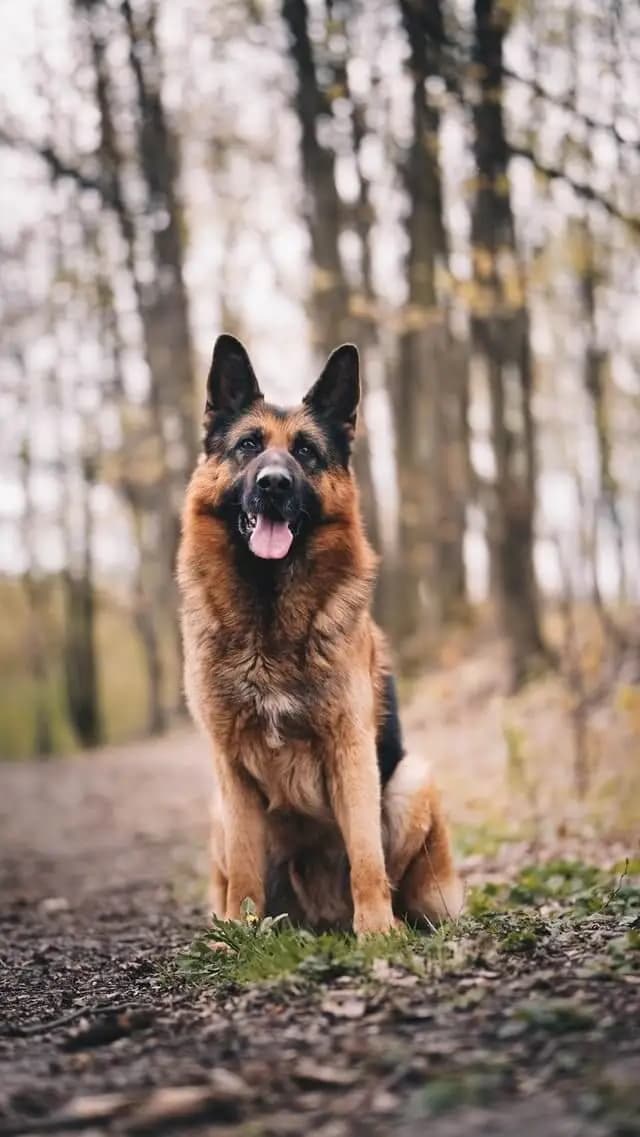
German ShepherdClose relative
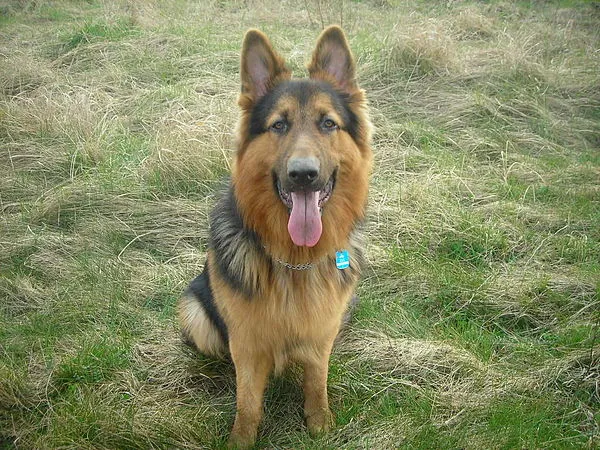
The Old German Shepherd Dog is a steady-nerved, loyal companion—at its core, a territorial herding dog bred for close cooperation, endurance, and protecting its flock.
Self-check
Answer 6 quick questions about your everyday life and see how well the Old German Shepherd Dog fits you — including an honest cost estimate per month, per year, and across the dog's lifetime.
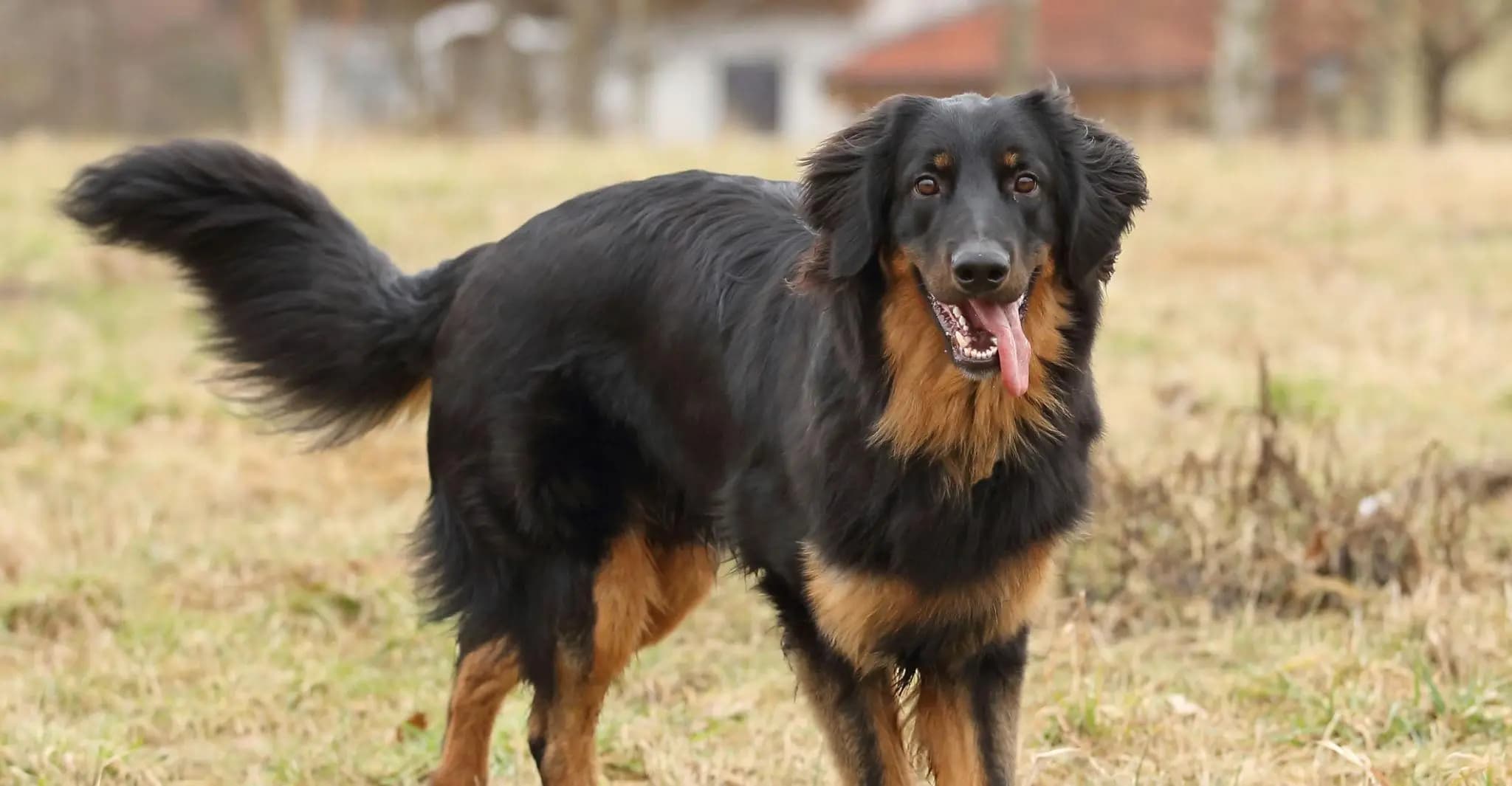
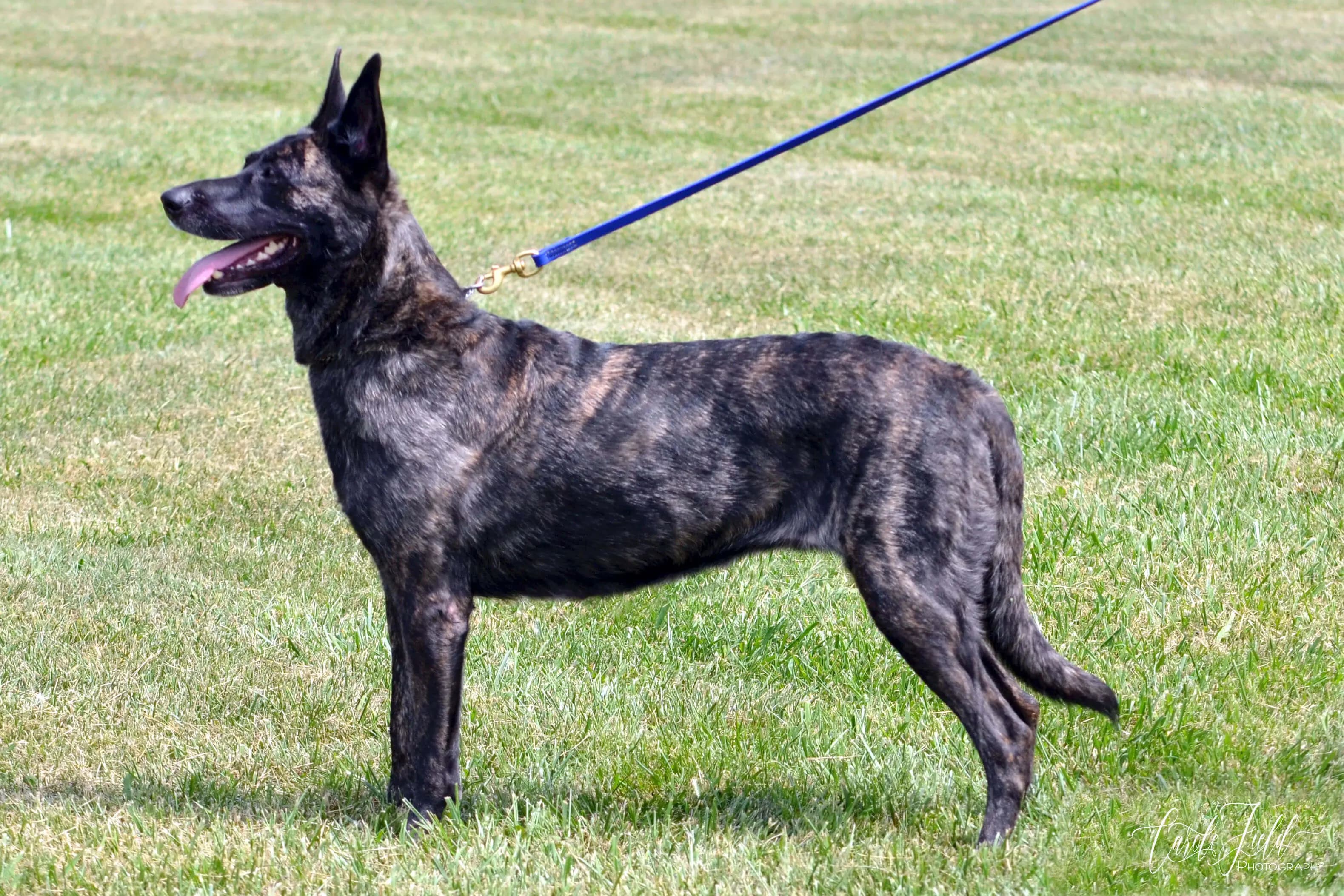
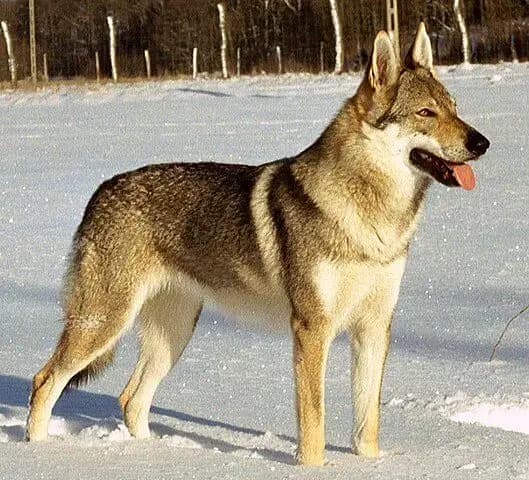
At a glance
The essentials — key facts, traits, and health priorities — before you dive deeper.
Lifespan
10–14 yrs
Shoulder height
55–65 cm
Weight
22–40 kg
Practical
Temperament
Daily life
What matters most
Especially with a Old German Shepherd Dog, choosing the right breeder is the single most important decision you'll make. Serious breeders consistently test the parents for inherited conditions, prioritize healthy early socialization, and stay accountable long after handover. A cheap puppy without health screening tends to become the most expensive dog later on.
See HonestDog breeder standards →Colors & coat
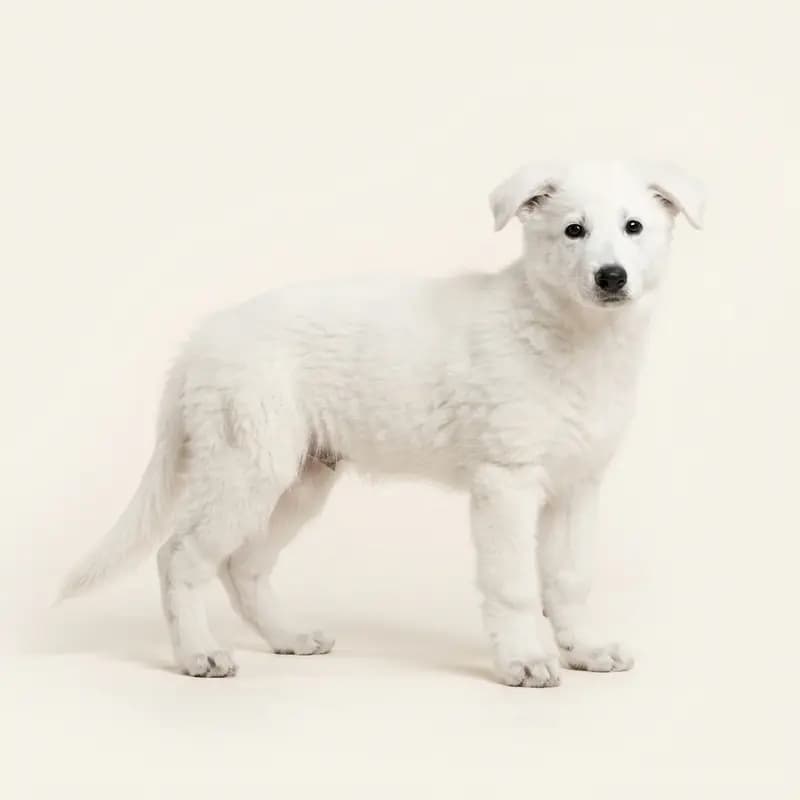
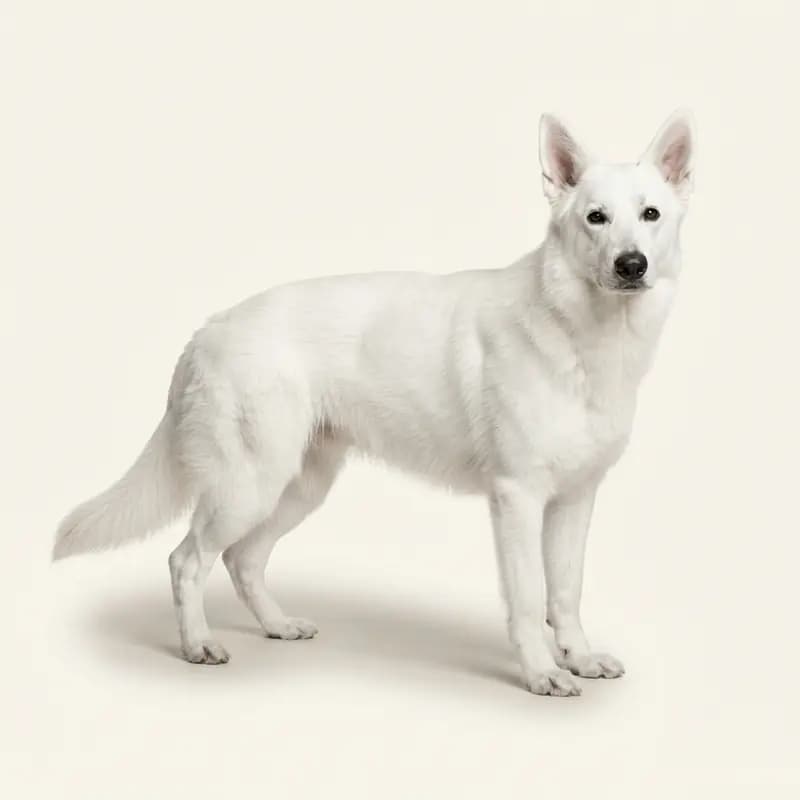
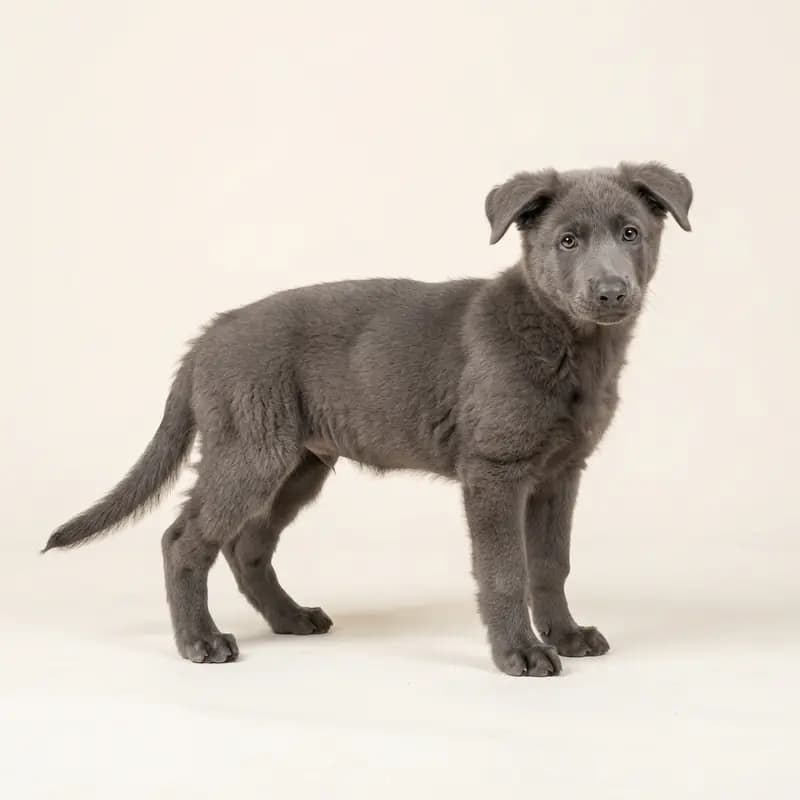
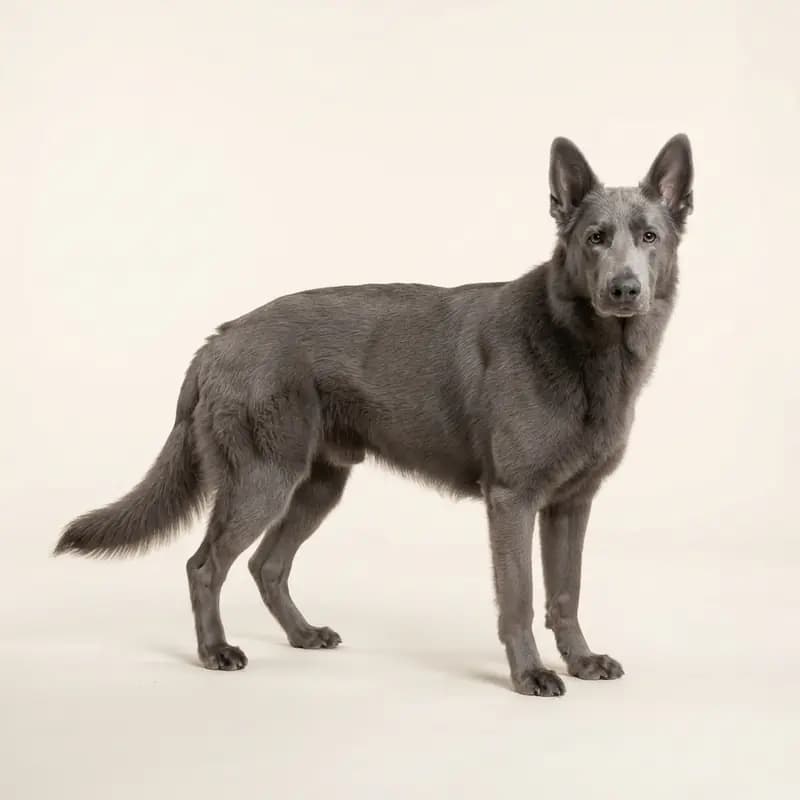
The coat colors that occur in the Old German Shepherd Dog — including which ones fall outside the breed standard and which carry genetic risk.
Eye colors
 Brown
Coat type
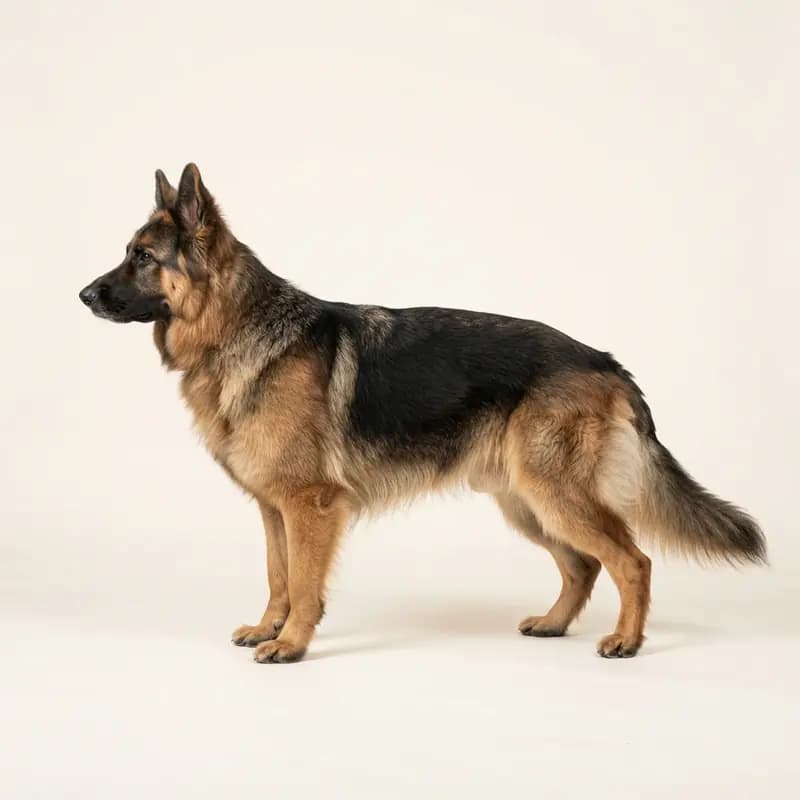 Illustrative image
Medium
 Illustrative image
Long
 Double coat
The real vibes check
An Old German Shepherd Dog is like a loyal bodyguard in wolf's clothing: he won't leave your side, but he is constantly scanning the surroundings for threats. If you don't take this task off his hands through confident leadership, he will take the job on himself—and in case of doubt, he will decide against the mail carrier. You aren't getting a simple follower, but a highly intelligent colleague who needs a clear framework.
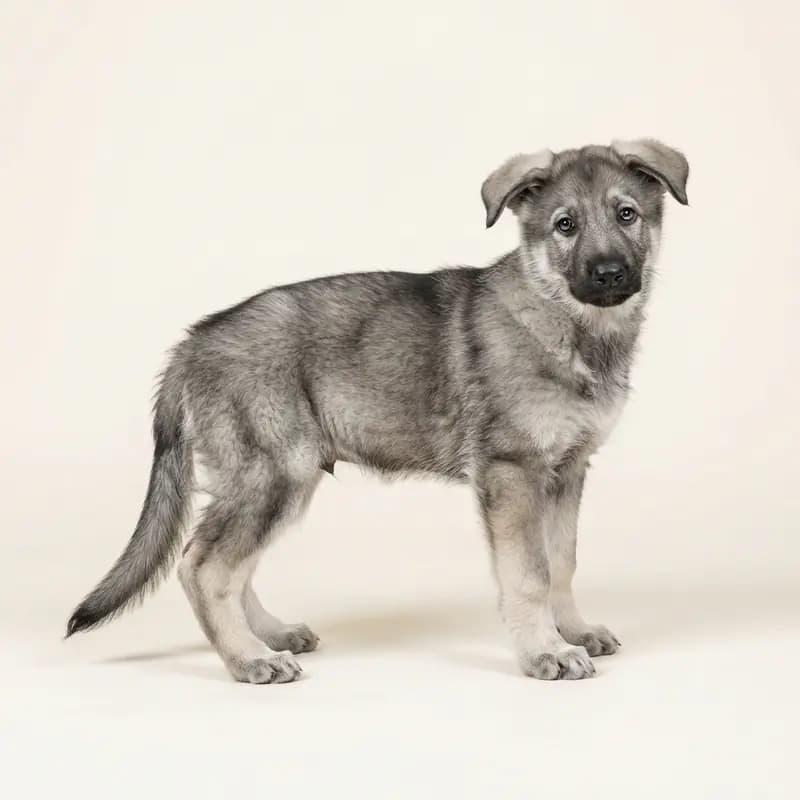
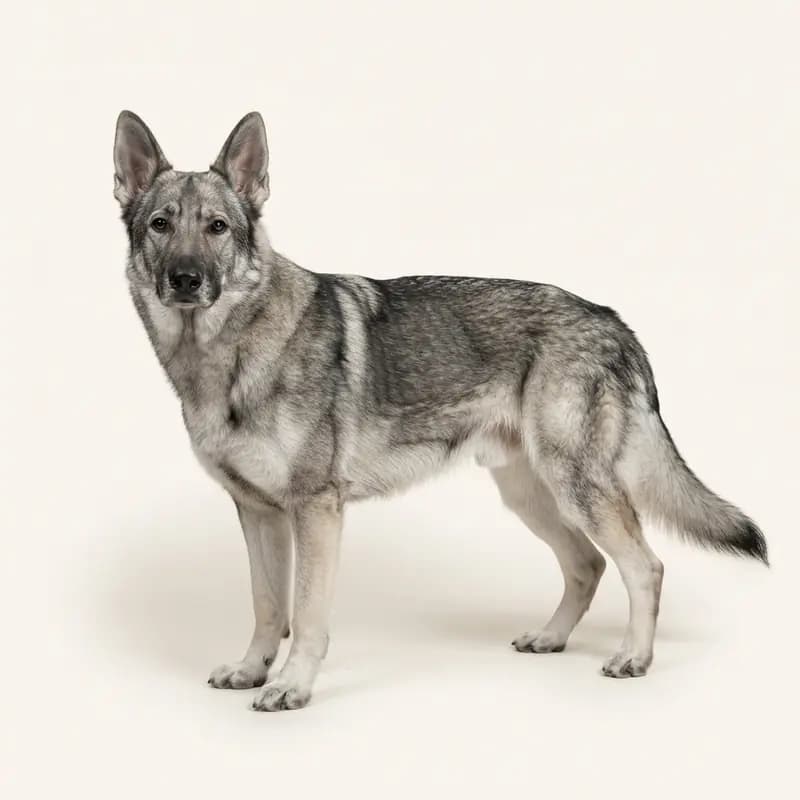
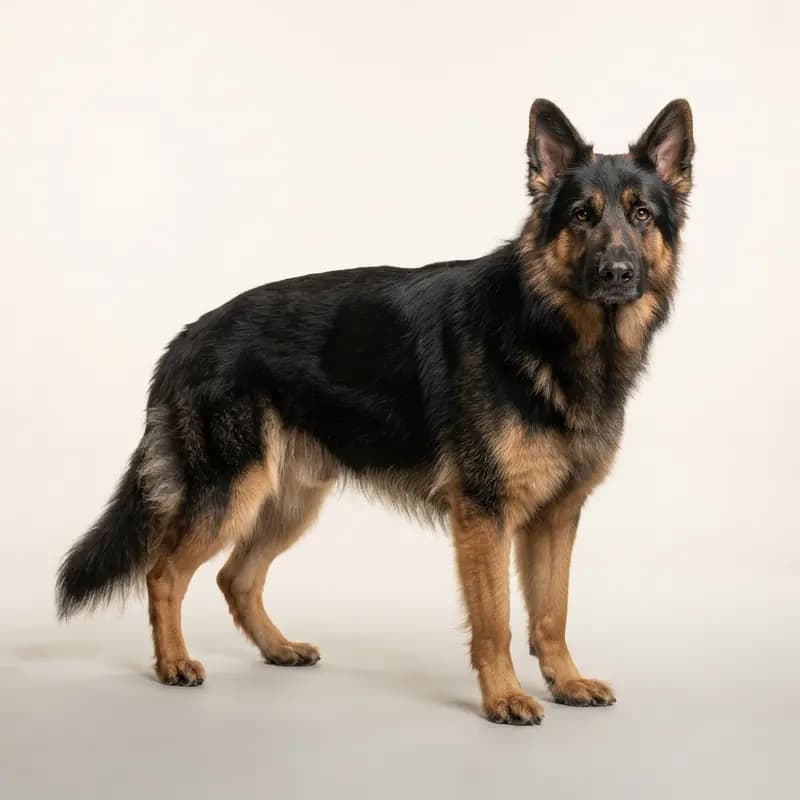
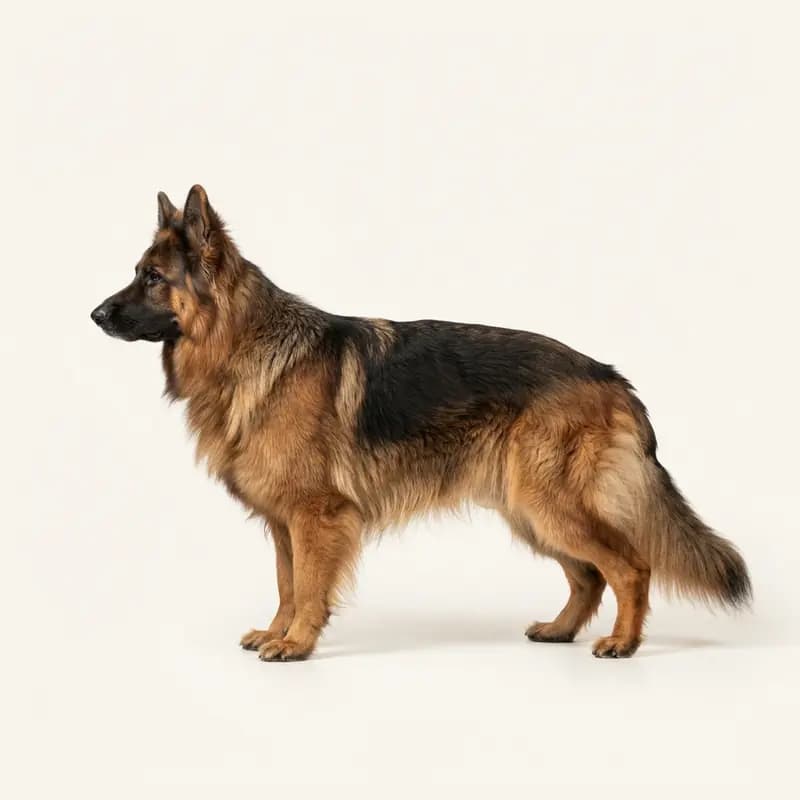
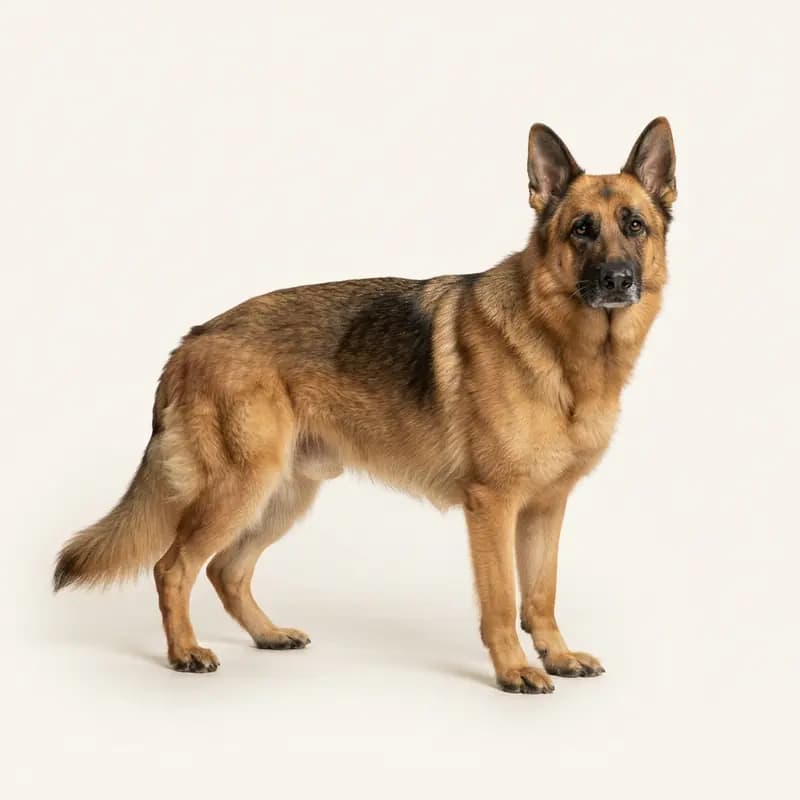
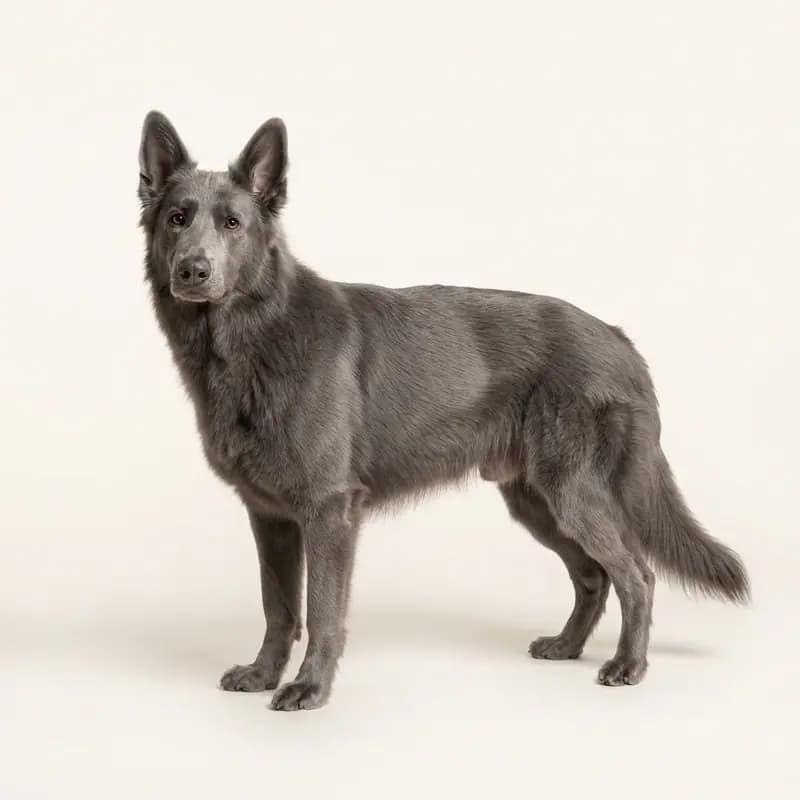
The Old German Shepherd Dog is a variant of the German Shepherd Dog and has its origins in Germany. It is not recognized by the FCI, but is nevertheless a herding dog. Unlike its modern relative, the German Shepherd, the Old German Shepherd has a straight back and its fur is often longer and thicker. His strong stature and powerful head, together with his attentive expression, give him an imposing appearance.
The Old German Shepherd Dog is known for its strong work ethic, intelligence and loyalty to its caregiver. As a herding dog, he has an innate protective instinct and tends to defend his family and home. At the same time, he is also an extremely people-oriented dog who seeks close contact with his people and enjoys being part of their daily activities. The Old German Shepherd Dog is an active dog with a lot of energy. He needs both physical and mental challenges to be happy and balanced. An activity that corresponds to his natural instincts, such as herding, searching or tracking work, can be very helpful. However, the Old German Shepherd is also a very adaptable dog that can integrate well into different lifestyles as long as its needs are met. This German Shepherd is an intelligent and trainable animal. He learns quickly and is able to solve complex tasks. This makes him an excellent companion dog for a wide range of tasks, from search and rescue to therapy work to various dog sports. With his intelligence comes a certain independence. The Old German Shepherd Dog is able to work independently and make decisions. However, this can also mean that he has a strong will of his own and is not always easy to handle. A consistent but loving education is therefore essential. Even though the Old German Shepherd Dog is a working dog, it is also a family dog. He is generally good with children and other pets as long as he has been properly socialized. However, he also needs his rest periods and should not be constantly "on his toes" all the time. Despite his hard work and energy, the Old German Shepherd can also learn to stay alone, as long as this is not the case too often or for long periods of time. He is very oriented towards his caregiver and would like to always be by their side. However, if he gets used to it from an early age, he can spend a few hours a day alone. Like many herding dogs, the Old German Shepherd has a strong hunting instinct. However, this does not mean that he necessarily has a problem with small animals or cats. With proper socialization and training, he can learn to get along well with these animals too. In conclusion, the Old German Shepherd Dog is a vigilant and attentive dog. He is always alert to his surroundings and ready to protect his family. This makes him a good guard dog, but he is not aggressive and rather has a deterrent effect. His loyalty and protective instinct make him a loyal companion and friend who will always be by your side.
| Watchfulness Strong territorial instinct — may actively confront intruders. | Very high |
| Openness to Strangers Careful around unfamiliar people — thaws slowly. | Cautious |
| Hunting or Herding Drive Noticeable drive — needs attention around small animals. | Moderate |
Fun Fact!
Did you know that the Old German Shepherd and the modern German Shepherd have the same roots? The main difference lies in the shape of the back: while the modern German Shepherd has a sloping back, the Old German Shepherd has a straight back!
German Shepherds are versatile dogs that need meaningful activity. They are alert and territorial. They are considered good family dogs, but only with the appropriate training and activity. In addition to the stockhair coat variant, there is also the longstockhair coat variant, also known as the Old German Shepherd Dog.
The Old German Shepherd Dog is an active and intelligent dog that wants to be exercised both physically and mentally. Therefore, he needs sufficient exercise and activity. Due to its size and activity, it is less suited to living in a small city apartment without a garden. A house with a garden or a rural setting are ideal for this breed. This breed is very people-oriented and family-oriented, which generally makes them good family dogs. You can deal well with children, provided of course that the interaction is respectful and the children have been given appropriate instructions. Early socialization is important so that the dog gets along well with other animals, such as cats or small animals.
Loves family life and thrives in a group.
Gets on well with children — with adult supervision.
Usually gets on fine with other dogs.
Can manage in the city, but only with very active owners.
Owning a dog is a privilege, but it's also a real responsibility. Before you bring one into your life, be honest with yourself about the commitment it takes.
Old German Shepherd Dogs are known for their high learning ability and their desire to please their people. This makes them excellent candidates for various dog sports and activities, such as agility, obedience, rescue dog work or tracking work. When training it, it is important to rely on positive reinforcement and to give the dog clear structures and rules. They are very sensitive and do not respond well to harsh or unfair treatment. It is important to note that this breed enjoys a lot of activity and exercise. They need a lot of mental and physical stimulation, but there is also a risk of them becoming "ball junkies." It is therefore important to vary the activities and allow the dog to relax. Old German Shepherd Dogs have a strong protective instinct, which can become problematic if they are not socialized or trained correctly. It is therefore important to start socialization early and show the dog that not every situation or stranger is a threat.
The Old German Shepherd Dog has a thick coat of hair with an undercoat that protects it from the elements. That's why it can adapt very well to different climatic conditions in Germany. However, this also means that he sheds more during the shedding season in spring and autumn and then requires more intensive fur care. Regular brushing can help keep the coat healthy and beautiful and also helps reduce hair in the home. When it comes to diet, Old German Shepherds are not picky eaters. They can be well supplied with both high-quality dry and wet food. Some owners also choose raw feeding (also called BARF), but this requires a thorough understanding of a dog's nutritional needs to avoid nutritional deficiencies. Regardless of the type of feeding you choose, it is important to ensure a balanced diet that contains all the necessary nutrients, vitamins and minerals.
| Care Level Regular brushing and occasional professional grooming. | Moderate |
| Exercise Needs Needs several hours of serious exercise every day. | Very active |
| Shedding Hair everywhere, always — no white clothing survives. | Very heavy |
| Trainability Bred to work closely alongside humans. | Highly trainable |
Our experts are still reviewing this information. Spotted something wrong? Email us at info@honestdog.de.
Solid
Health grade
In the Old German Shepherd Dog, health risks are primarily determined by hip dysplasia (HD), elbow dysplasia (ED), and degenerative myelopathy, supplemented by lumbosacral transitional vertebrae (LTV) and the MDR1 gene defect (multi-drug sensitivity). A responsible breeder therefore has their breeding stock comprehensively X-rayed and genetically tested to avoid severe late consequences for the musculoskeletal system and nervous system. Before buying a puppy, have the breeder show you the official X-ray results with HD A–C, ED 0–1, and LTV 0–1. In genetic tests for degenerative myelopathy and the MDR1 gene defect (multi-drug sensitivity), the parent animals must be clear, or at most one carrier may be mated with a clear partner.
Grade is relative to other breeds — AI-assisted and editorially reviewed.
Methodology and data: HonestDog Dog Breed Health Report 2026
Without conscious management of body weight and joint-friendly rearing—for example, through regular check-ups—health problems and veterinary costs can increase significantly later on.
Responsible breeders test their animals in advance for hip dysplasia (HD), elbow dysplasia (ED), lumbosacral transitional vertebrae (LTV), degenerative myelopathy, and MDR1 gene defect (multidrug sensitivity).
Note: This health overview is AI-assisted and editorially reviewed. It is for orientation only and does not replace veterinary advice.
What matters most for this breed — what's common, how much it affects the dog's life, and how to protect yourself as a buyer.
Tap a body region to see the inherited conditions linked to it.
The three most important risks
Pick a region on the map to explore other areas.
We sort tests into three tiers — from the core standard to a fully exemplary program.
Recommended standard. These tests make up the recommended health standard for this breed — the baseline of any careful breeding program. Ask any reputable breeder for the results.
No entries in this tier.
Note: This health overview is AI-assisted and editorially reviewed. It is for orientation only and does not replace veterinary advice.
A Old German Shepherd Dog costs around ~€190 per month (€100 – €370, depending on your setup). The first year adds up to roughly ~€4,920 including purchase, equipment and puppy school; across the dog's life (12 years) it comes to about ~€30,620.
With surgery cover, running costs come to about ~€190 per month — in return, your share of a major operation drops from several thousand euros to around 20 percent.
Per month
~€190
In the first year
~€4,920
Across the dog's life
~€30,620
Estimated purchase price from a breeder: €1,000 – €2,500
Estimate at a mid-range setup (suburban, dry food, 1–2 hours of daily exercise), average German prices, as of July 2026.
 Illustrative image
 Illustrative image
 Illustrative image
 Illustrative image
The Old German Shepherd Dog's roots lie in Germany in the 19th century, when dogs from different areas were crossed to breed the perfect herding dog. The aim was to create a robust, willing to work and intelligent dog that could be used both as a sheep herding dog and as a working dog for various tasks. The German Shepherd Dog as we know it today was developed through targeted breeding at the end of the 19th century and was first recognized as a separate breed in 1899. In this breeding, particular emphasis was placed on an attractive appearance. However, the Old German Shepherd represents the original form of the German Shepherd before specific breeding for show characteristics began. He is therefore also called the "original type" of the German Shepherd.
The Old German Shepherd Dog was bred to be a versatile working dog for herding and protection tasks.
Germany
1900
In everyday family life, many owners describe the Old German Shepherd as an affectionate, loyal companion with steady nerves. They often point out that it is pleasantly calm indoors, as long as it gets enough of a challenge outside. Many of these dogs are patient and playful with children, and owners stress that the dog builds a close bond with everyone in the household.
At the same time, owners point out that its inborn guarding and protective instinct shouldn't be underestimated at home. Visitors are usually announced, and without clear leadership some dogs tend to take it upon themselves to guard the property or individual family members. The large amount of time spent on grooming and on cleaning up dirt and hair around the house is also mentioned again and again as a typical part of daily life.
Sources:welpen.dediehundezeitung.commein-tierladen.competa.dehundeforum.com
When it comes to training and keeping the dog busy, owners regularly highlight the breed's strong love of work and its intelligence. Its "will to please" often makes training together very rewarding: whether in dog sports, tracking, mantrailing or complex obedience exercises, these dogs learn quickly and actively demand mental work. For most of them, walks alone aren't enough in the long run.
Owners also issue strong warnings about the flip side of this ability to learn. These dogs see through inconsistency at once and quickly make their own decisions when leadership is unclear. Many owners also report a certain reactivity or sensitivity: if mistakes are made in training or the handler is too harsh, the dog's willingness to cooperate quickly turns into insecurity or stubbornness. Deliberately practicing settling down and working on dog encounters and frustration tolerance are also named as recurring milestones.
Sources:welpen.dediehundezeitung.commein-tierladen.competa.dedogforum.de
On health and breeding, many owners say they deliberately chose the Old German Shepherd hoping for a sounder, straighter back and less exaggeration than in some show lines of the German Shepherd. Even so, experienced owners regularly report that these dogs aren't automatically protected from breed-typical problems. Musculoskeletal conditions such as hip dysplasia (HD) and elbow dysplasia (ED), as well as sensitive digestion, still lead to vet visits.
Owners' most common advice is therefore to choose the breeder with particular care and check that the parents have complete health certificates. In the first year, owners pay close attention to joint-friendly exercise, avoiding too much stair climbing and keeping growth under control, so the heavy, long-coated body is as well prepared as possible for a long, active life.
Sources:mein-tierladen.comdogforum.deparents.atfromblacklake.ch
Paraphrased from real owner reports · translated from German
The Old German Shepherd Dog is an active dog that needs plenty of exercise and mental stimulation. Research the temperament, grooming needs, and space requirements before deciding.
The average life expectancy of a Old German Shepherd Dog is 10-14 years. With proper care and regular vet visits, your dog can live a long, healthy life.
Old German Shepherd Dog grooming requirements include regular brushing, nail trimming, and dental care. HonestDog provides detailed grooming tips for every breed.
The Old German Shepherd Dog can be a great family dog. Proper training and socialization are key. HonestDog provides family suitability information for every breed.
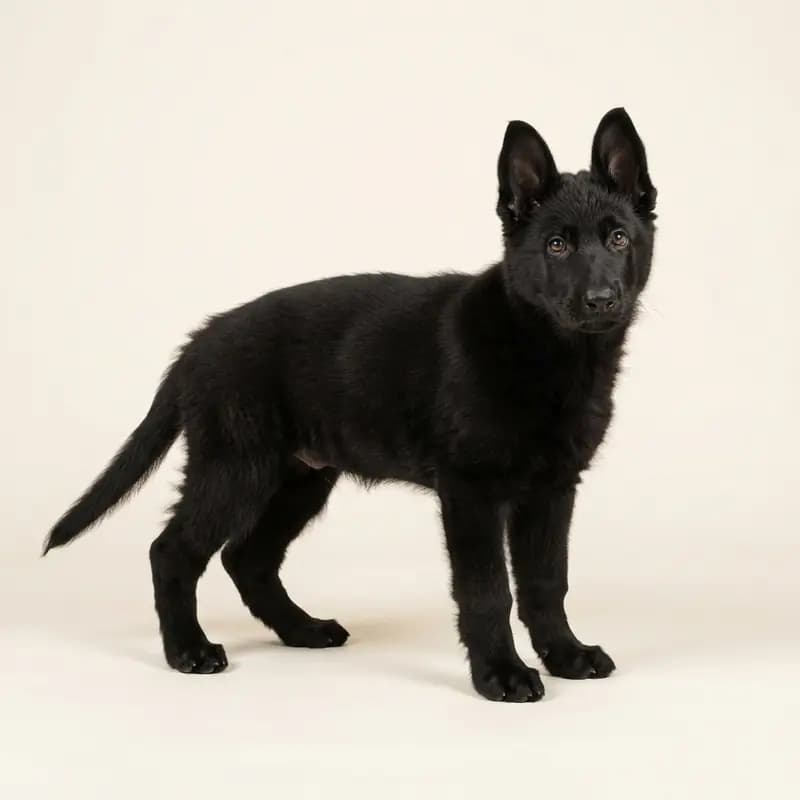
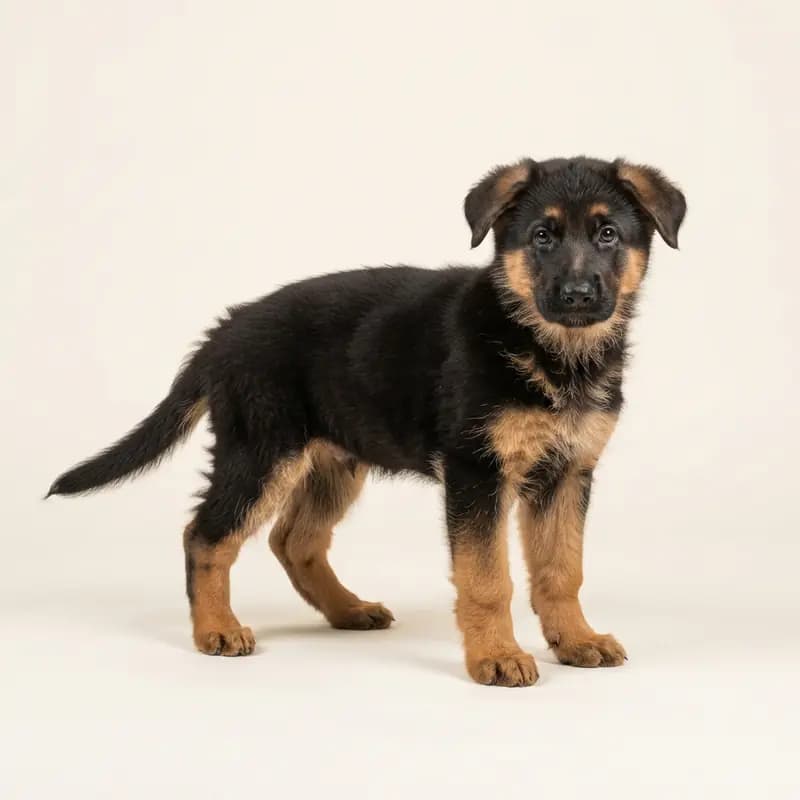
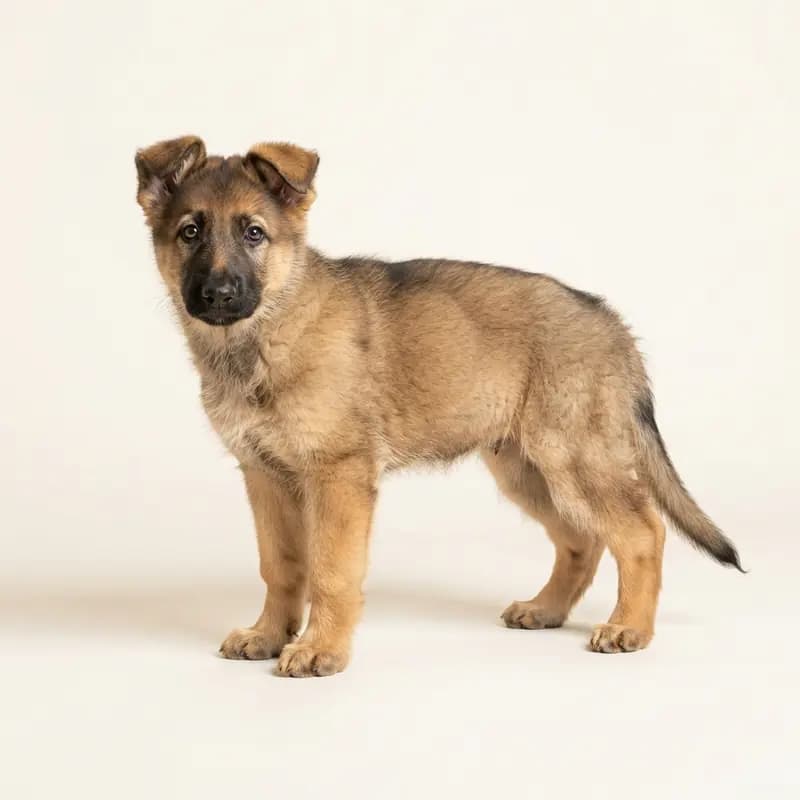
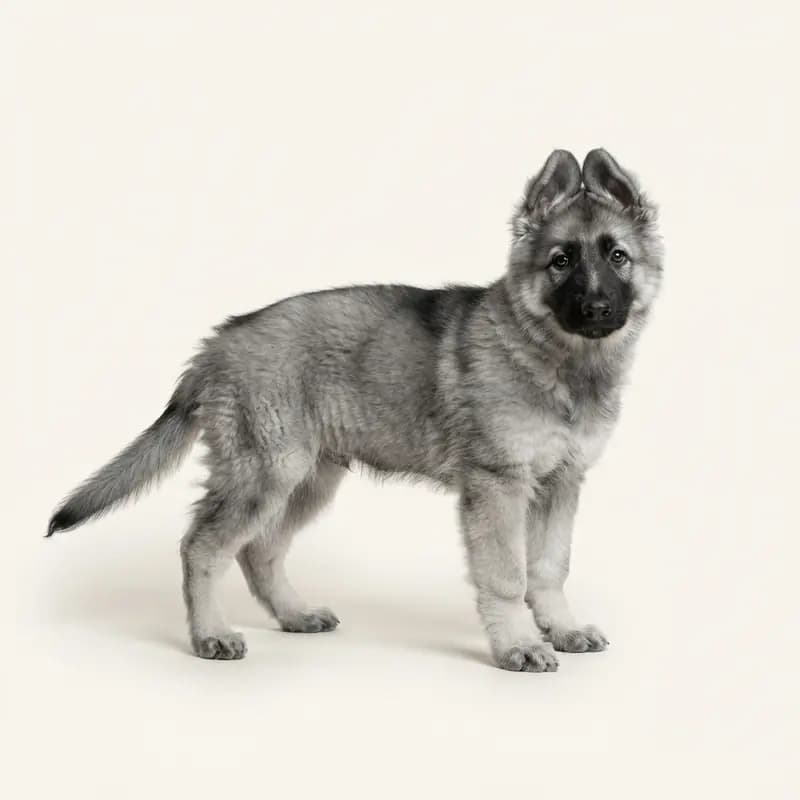
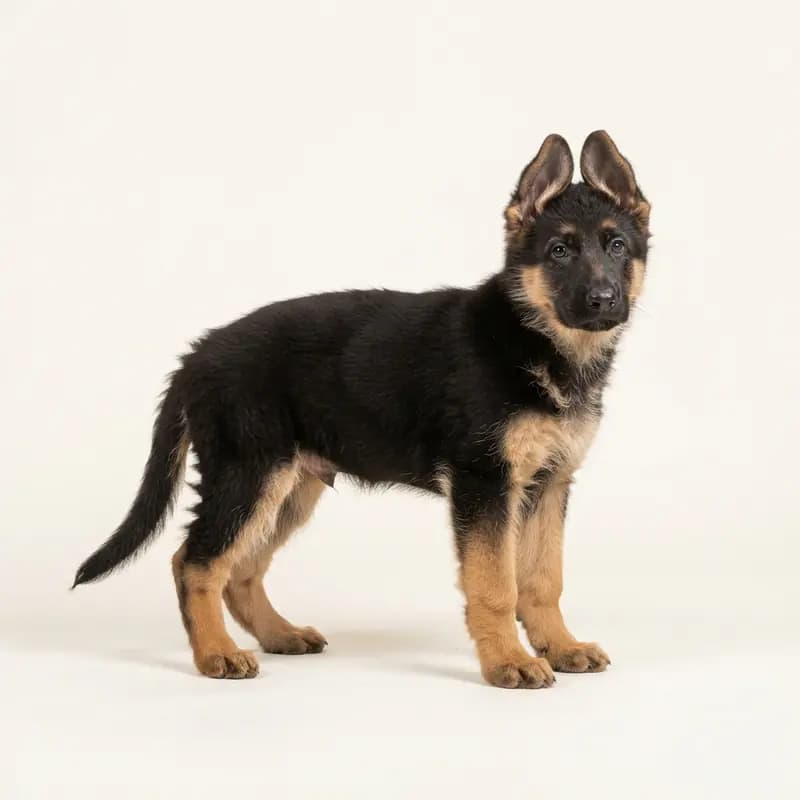
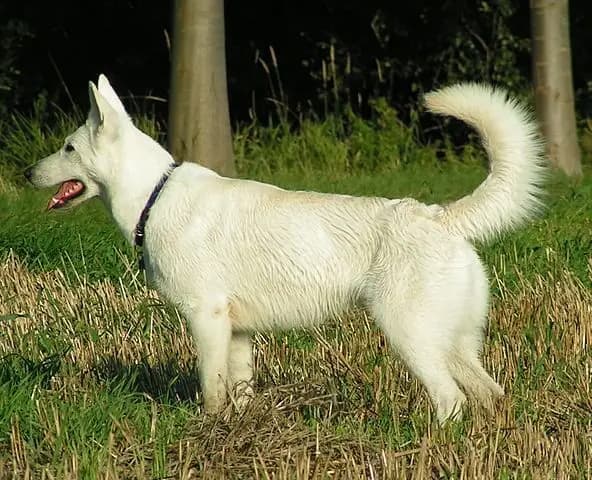
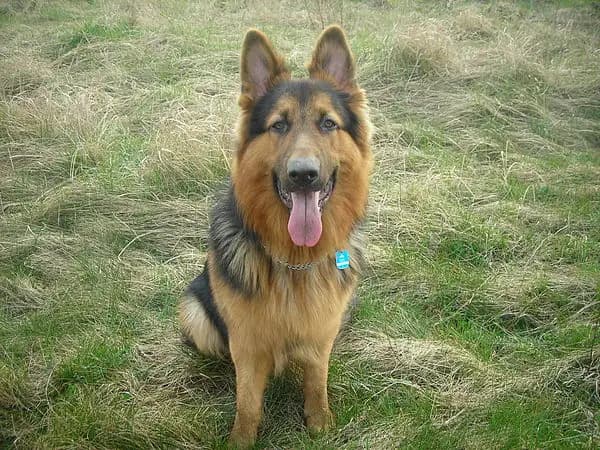
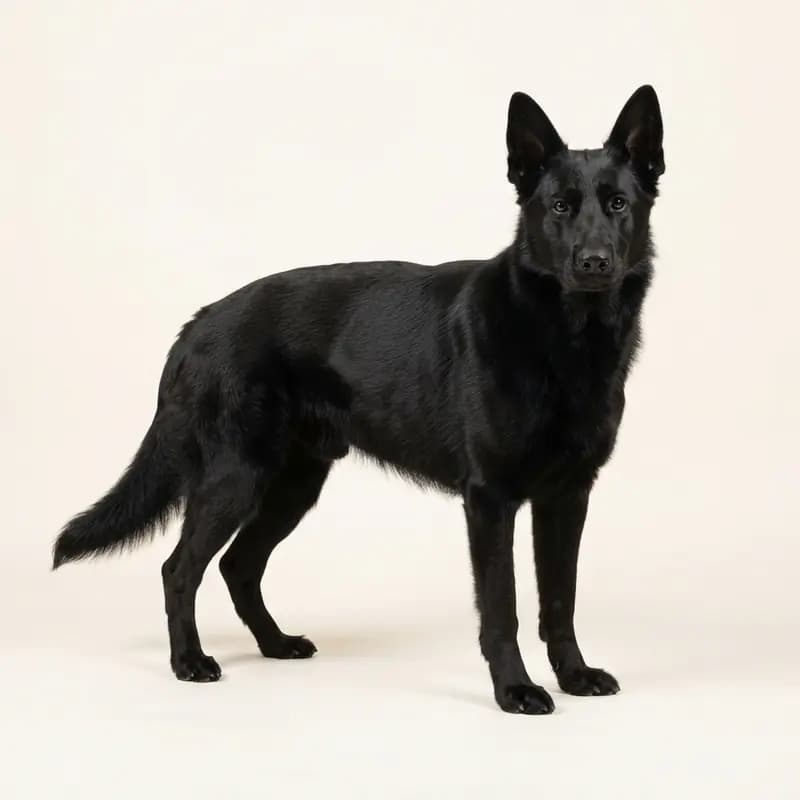
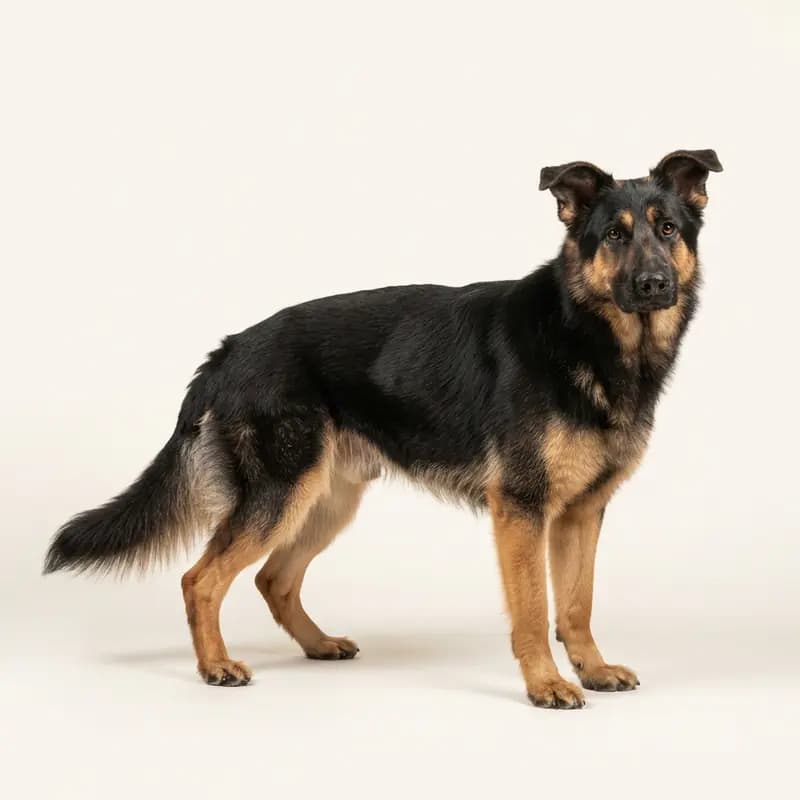
The Old German Shepherd Dog comes in these colors: Black, Black and tan, Sable, Grey, Wolf grey, Bicolor, White, Blue. Colors that fall outside the breed standard are marked as such on the breed page.
Showcase your kennel on HonestDog and reach families searching for a responsibly bred Old German Shepherd Dog.