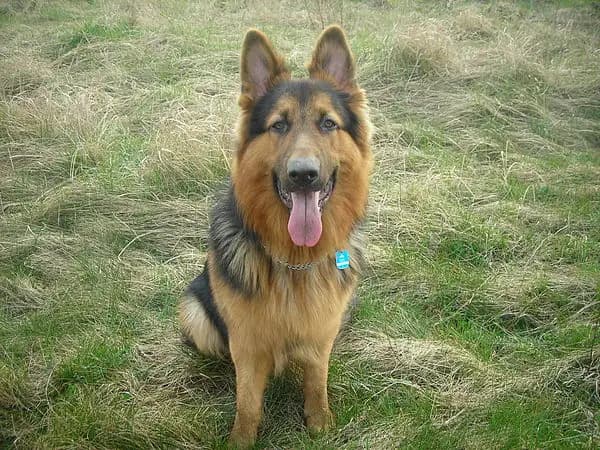
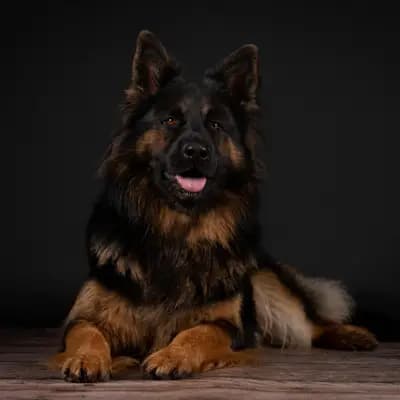
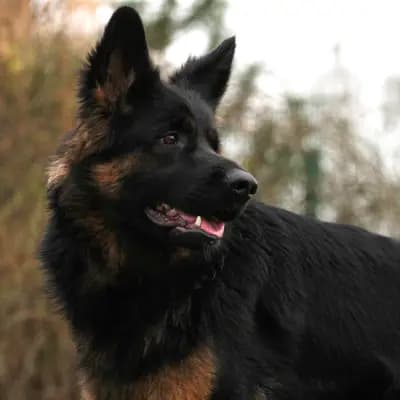
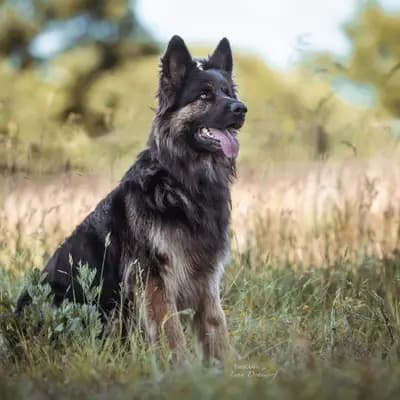
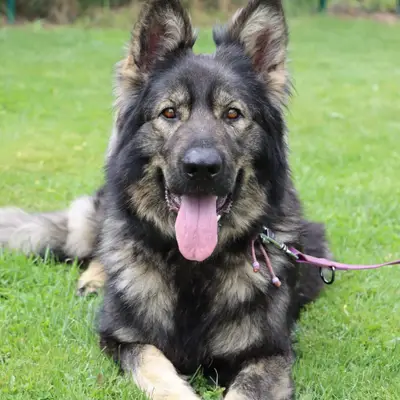
Old German Shepherd Dogs are generally considered robust and reach a life expectancy of 10 to 14 years. Even so, the breed shows a clear health pattern: joints, back and eyes often remain an important issue for life. With males weighing a hefty 30 to 40 kg at a height at the withers of 60 to 65 cm (females reach 55 to 60 cm and 22 to 32 kg), a lot of weight is carried by the musculoskeletal system.
Orthopaedic issues: hips, elbows and back
The main risks include hip dysplasia (HD), elbow dysplasia (ED) and lumbosacral transitional vertebrae (LTV) in the spine. These hereditary skeletal changes cannot be identified by a DNA test, but are recorded through official X-ray screening of the parents. A reputable breeder only breeds from animals that have been X-rayed and formally scored, which significantly lowers the risk of painful joint and back problems in the offspring. Your job after the purchase: pay close attention to joint-friendly rearing in the first year, avoid early stair climbing or jumping into the car, and keep your dog lean throughout his life with regular weight checks.
Neurology and drug sensitivity
Two other specific issues can be checked by DNA testing the parents: degenerative myelopathy (DM), a progressive spinal cord disease in later life, and the MDR1 defect, which leads to a dangerous hypersensitivity to certain medicines. A DNA test shows whether a parent is clear, a carrier or affected. Responsible breeders use these results when planning matings in order to deliberately reduce the risk for the offspring. Ask to see the written laboratory results for both parents.