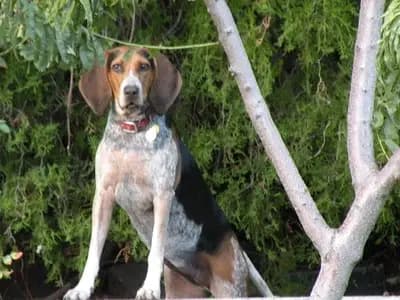
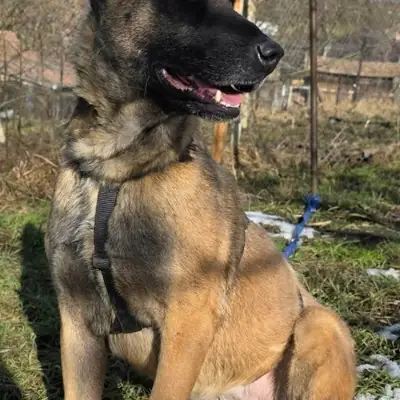
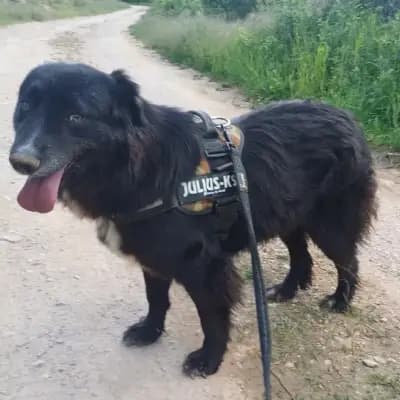
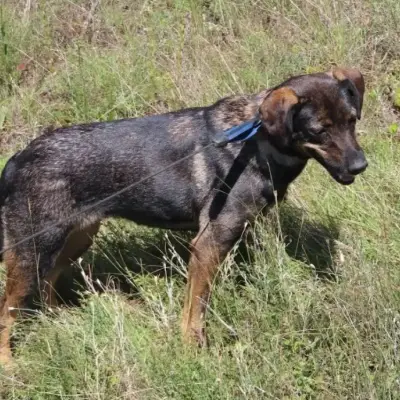
An adult American English Coonhound (males reach 61 to 66 cm at the shoulder and weigh 20 to 30 kg) usually comes with a history of his own. In a shelter, the breed often shows its best side with other dogs: with a score of 4 out of 5 for getting on with other dogs, he often fits in harmoniously with existing groups or when meeting other dogs. He is also very affectionate at home and enjoys being close to his family, provided his needs are met outdoors.
Keeping an eye on health concerns
American English Coonhounds are considered robust working dogs with a life expectancy of 11 to 12 years, but they carry breed-typical risks affecting the joints, eyes, thyroid and heart. Known issues in the breed include hip dysplasia (HD) and elbow dysplasia (ED), eye conditions such as progressive retinal atrophy (PRA) as well as ectropion and entropion, an underactive thyroid (hypothyroidism) and the heart disease dilated cardiomyopathy (DCM).
A health-focused breeder has the hips (as a baseline examination) and elbows X-rayed and has the parent dogs' eyes and thyroid examined clinically or by laboratory testing, in order to deliberately reduce hereditary risks in the line. With a dog from a shelter, or from irresponsible backyard breeders, the genetic background is often unknown. Ask the shelter to show you all available results, and plan regular veterinary checks of the eyes, heart and thyroid after adoption, as well as exercise that is gentle on the joints, so that your dog stays active for a long time.