Mountain CurSame working temperament
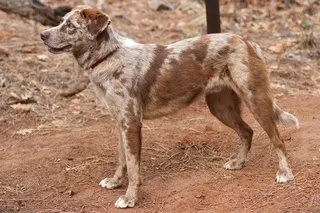
The American Leopard Hound is an energetic, highly intelligent athlete—bred as a persistent tracker and 'Baumhund' (treeing dog) that pursues game over long distances and keeps it at bay by baying. It is a true working dog that combines a close bond with its family with an uncompromising hunting instinct.
Self-check
Answer 6 quick questions about your everyday life and see how well the American Leopard Hound fits you — including an honest cost estimate per month, per year, and across the dog's lifetime.
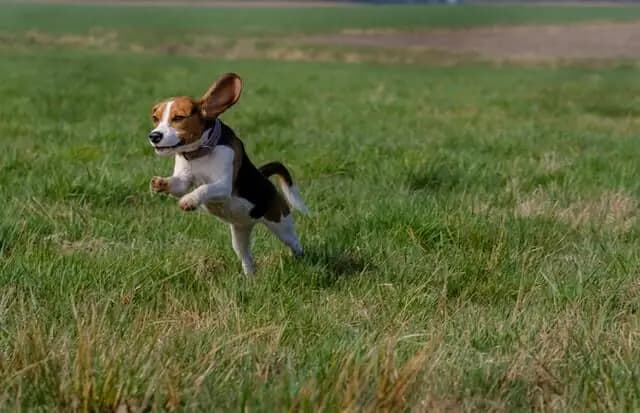
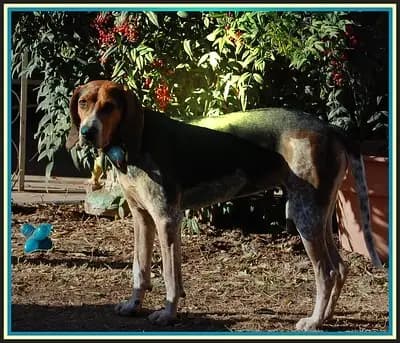
At a glance
The essentials — key facts, traits, and health priorities — before you dive deeper.
Lifespan
12–15 yrs
Shoulder height
51–69 cm
Weight
18–34 kg
Practical
Temperament
Daily life
What matters most
Especially with a American Leopard Hound, choosing the right breeder is the single most important decision you'll make. Serious breeders consistently test the parents for inherited conditions, prioritize healthy early socialization, and stay accountable long after handover. A cheap puppy without health screening tends to become the most expensive dog later on.
See HonestDog breeder standards →Colors & coat
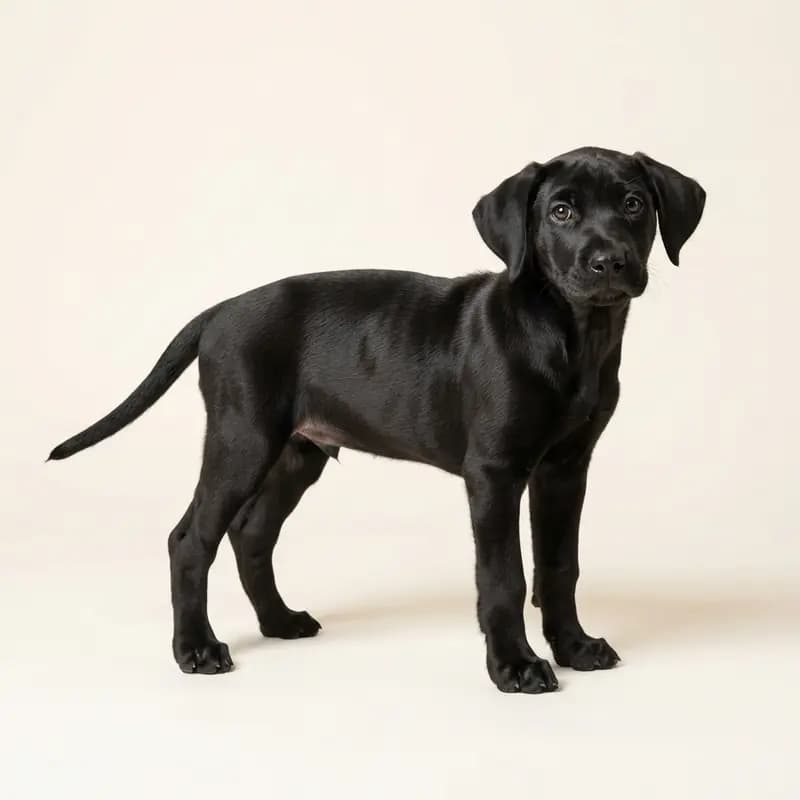
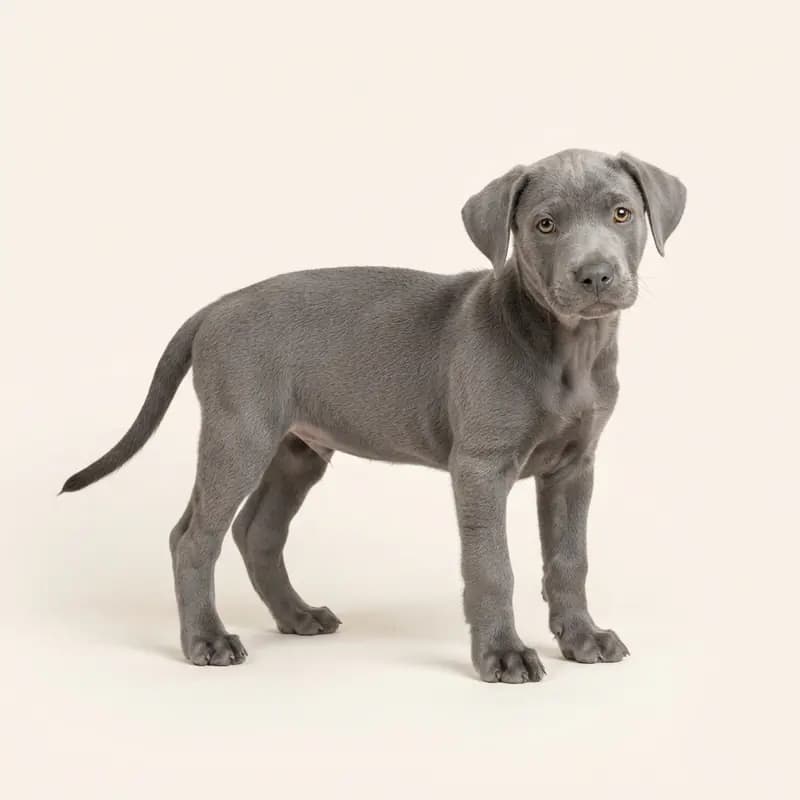
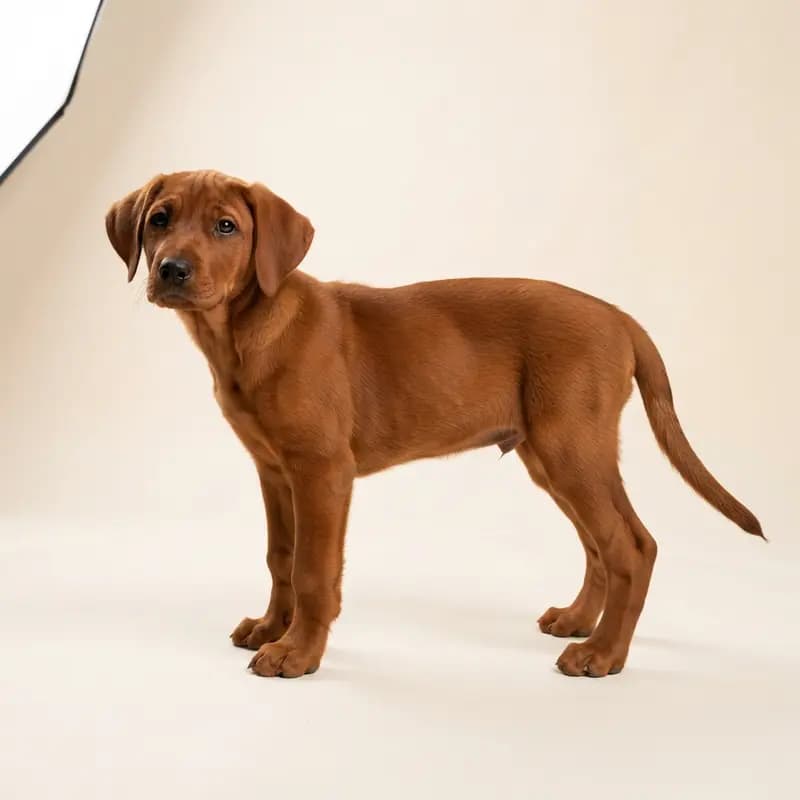
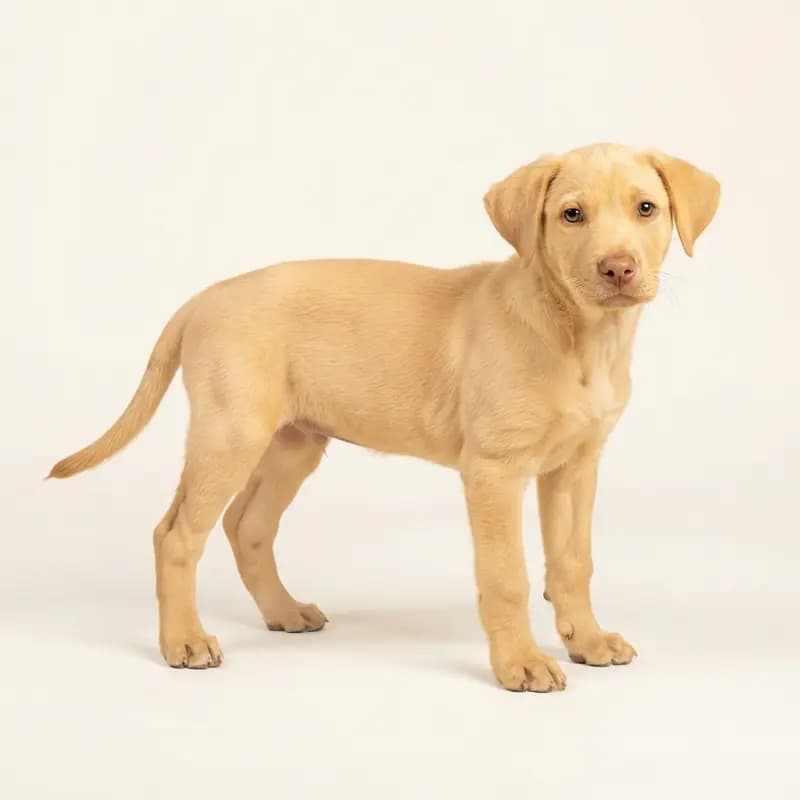
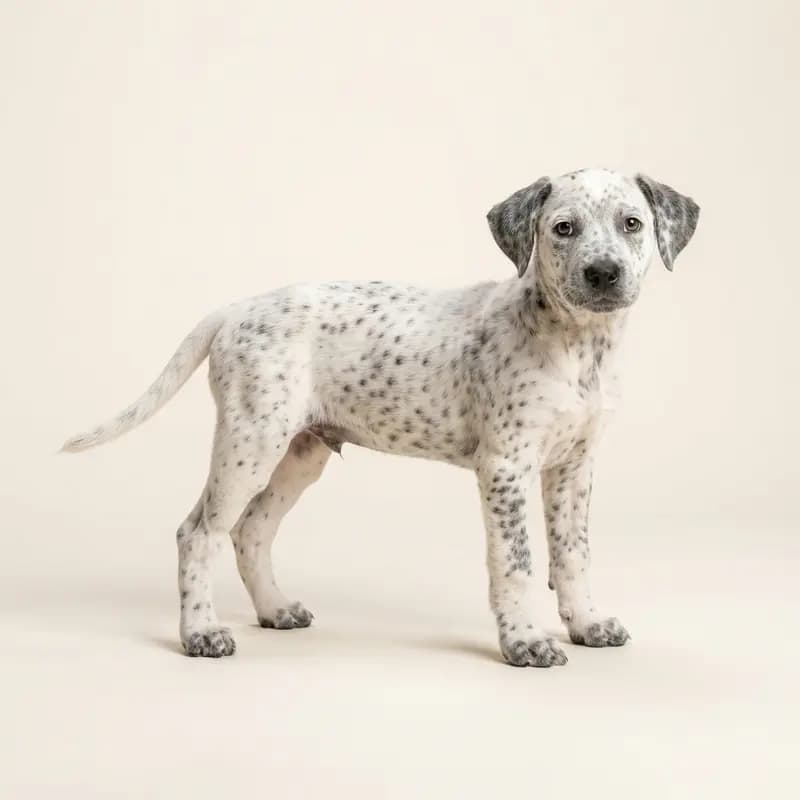
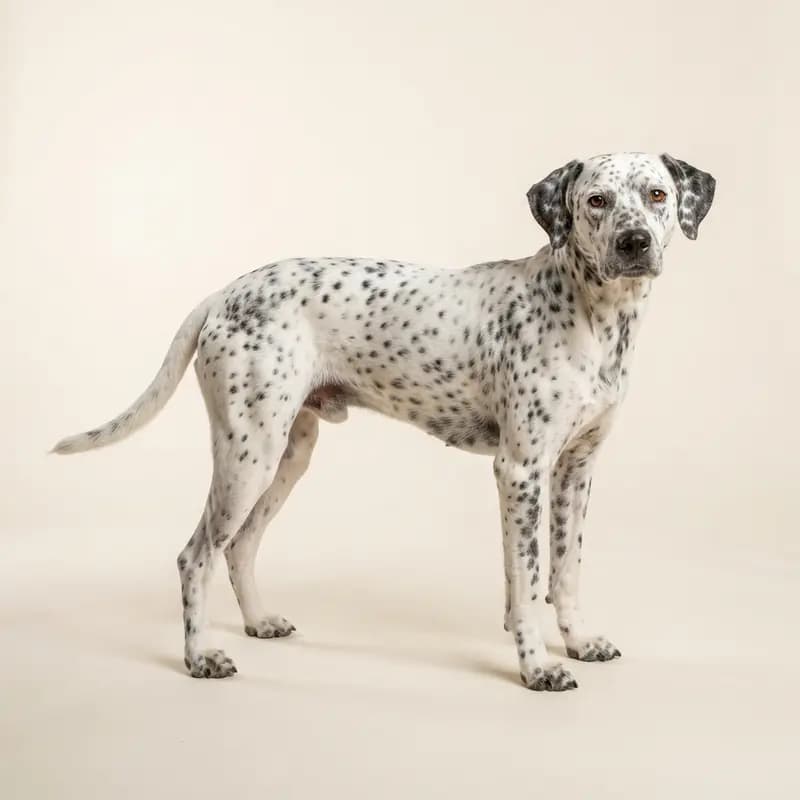
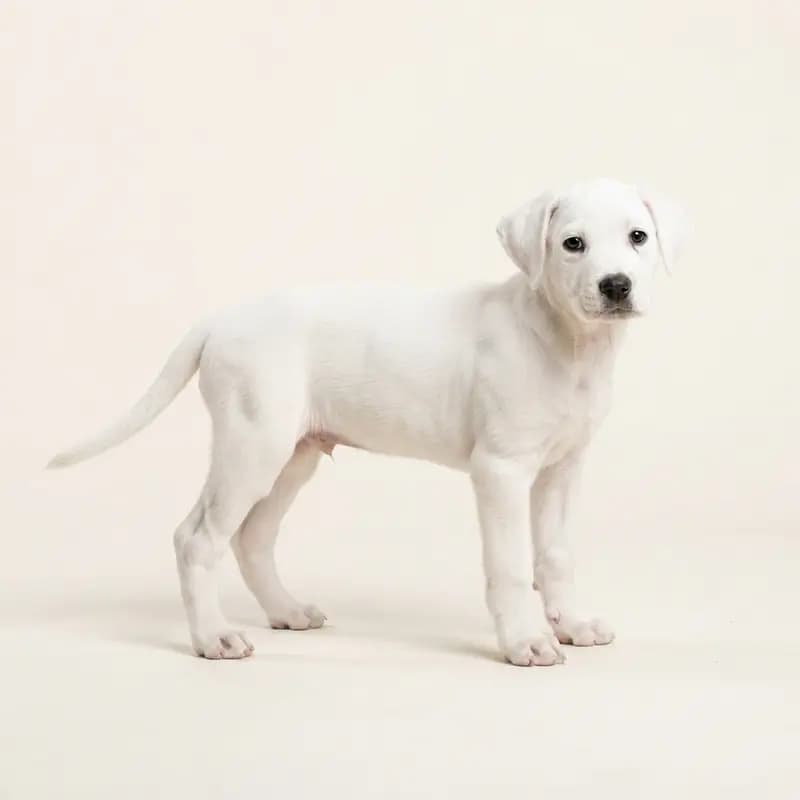
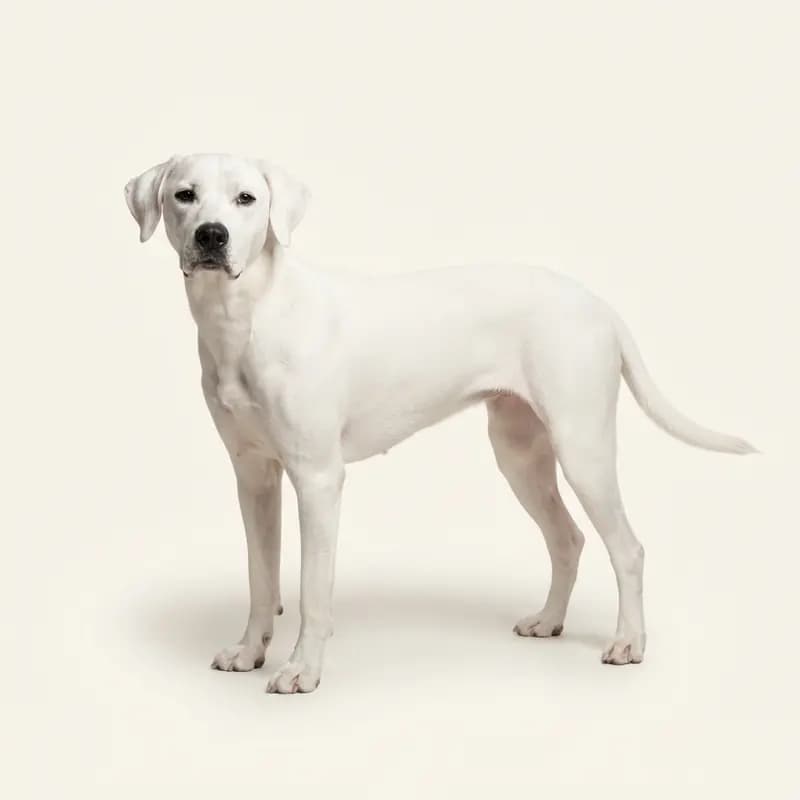
The coat colors that occur in the American Leopard Hound — including which ones fall outside the breed standard and which carry genetic risk.
Eye colors
 Brown
 Amber
 Blue
 Odd-eyed
Coat type
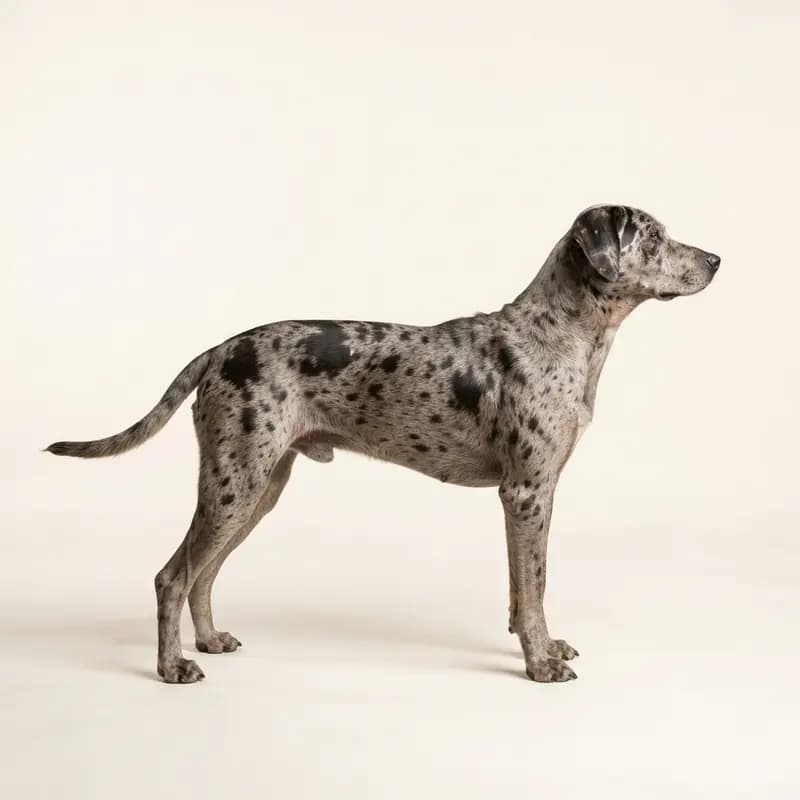 Illustrative image
Short
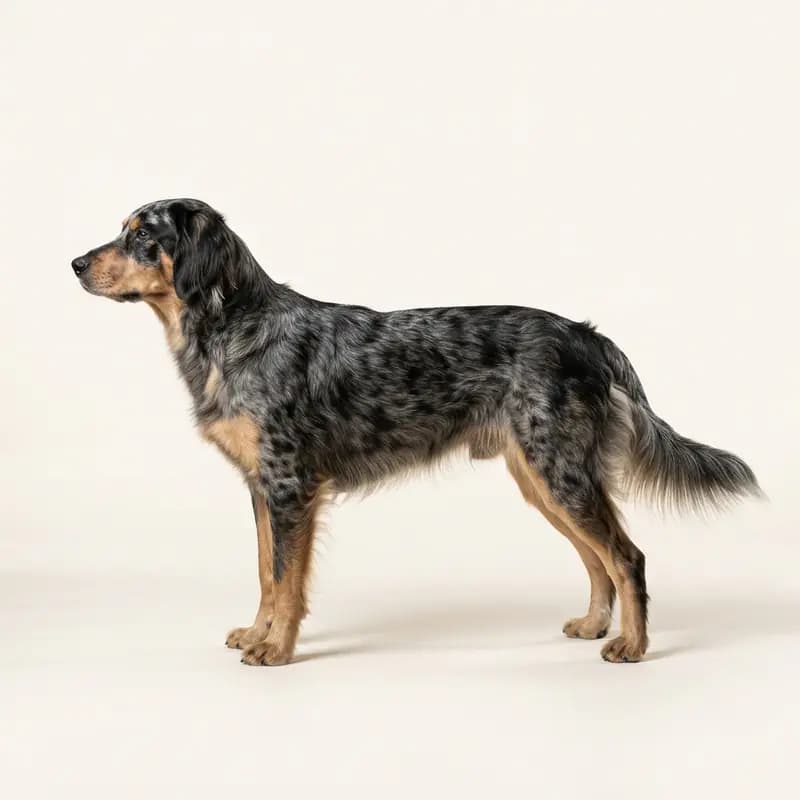 Illustrative image
Medium
 Smooth
 Double coat
The real vibes check
An American Leopard Hound is not a dog for the cozy sofa, but a highly specialized forest worker with a leopard-like look. If you don't give it a real task, it will find one for itself, and you definitely won't like it. However, those who keep this rugged outdoorsman properly occupied will gain an unshakable shadow who would go through fire for its family.
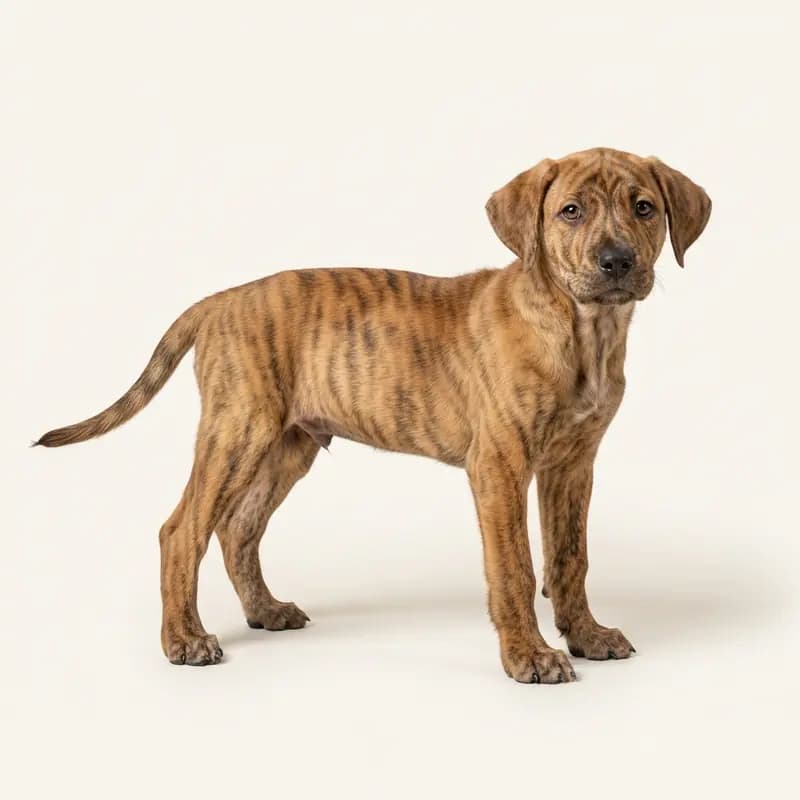
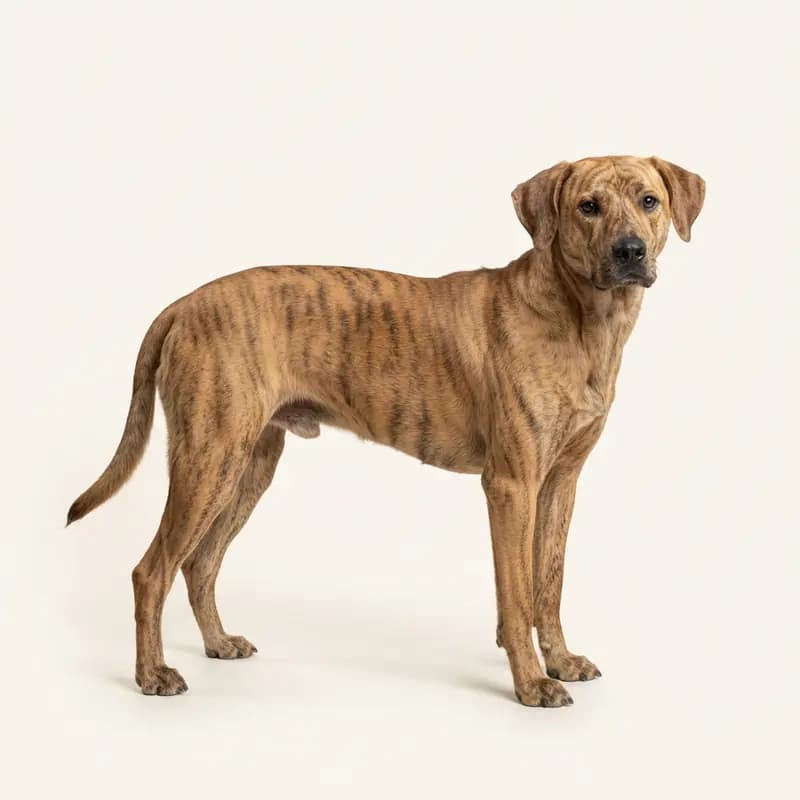
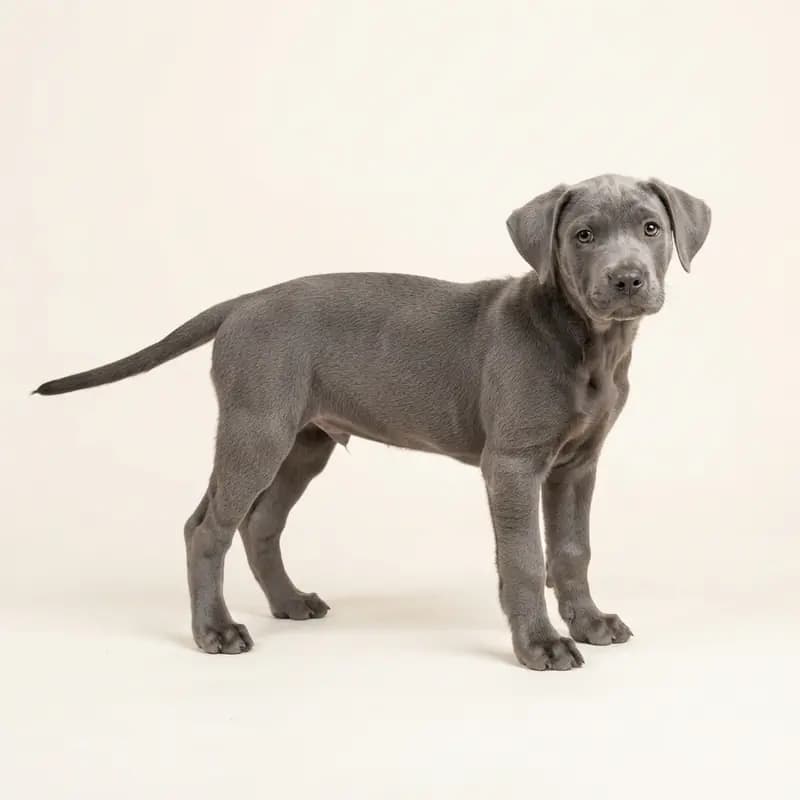
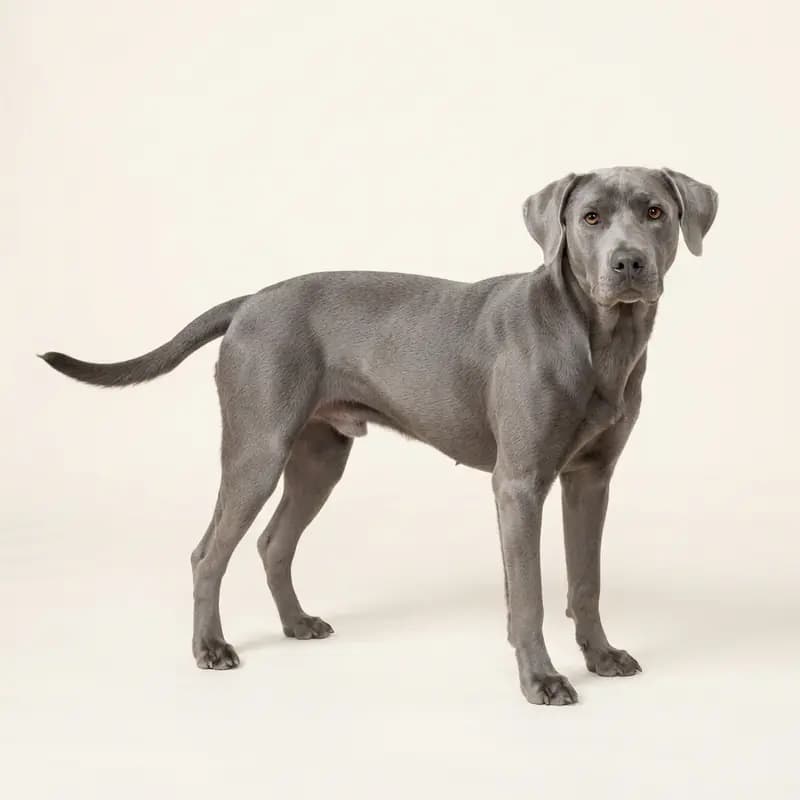
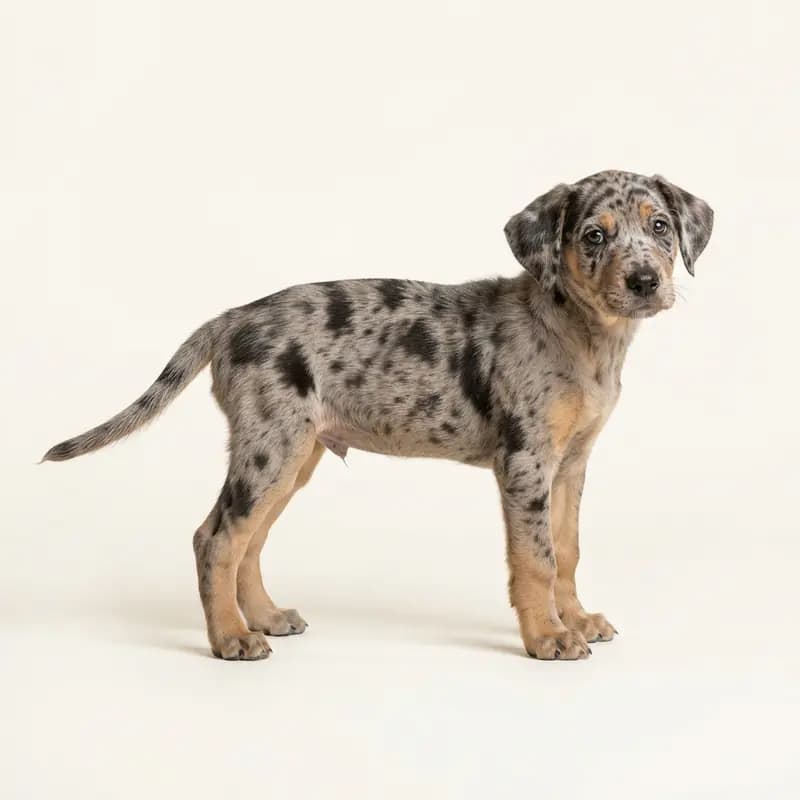
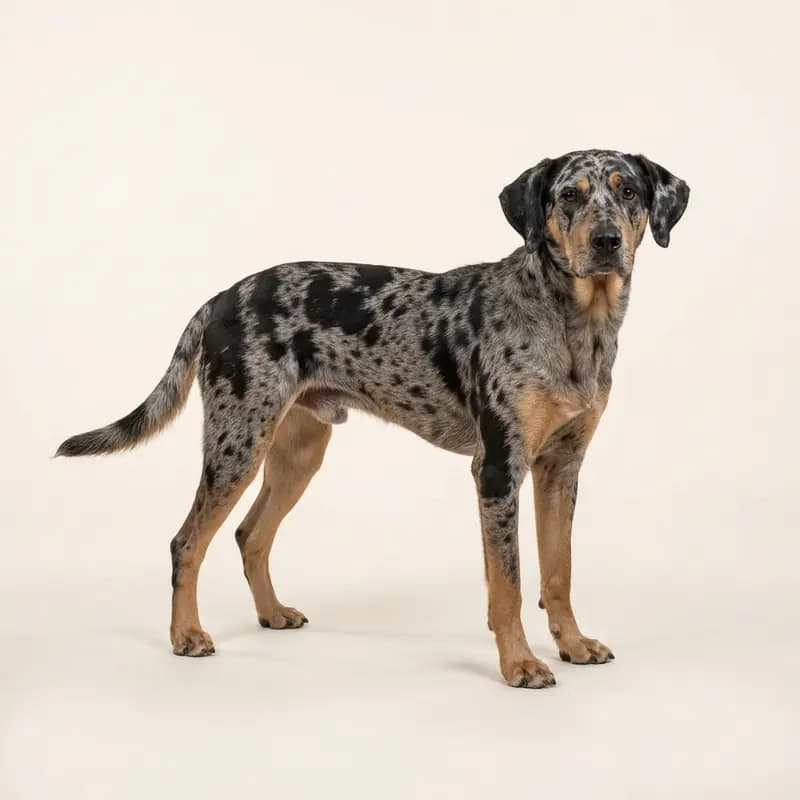
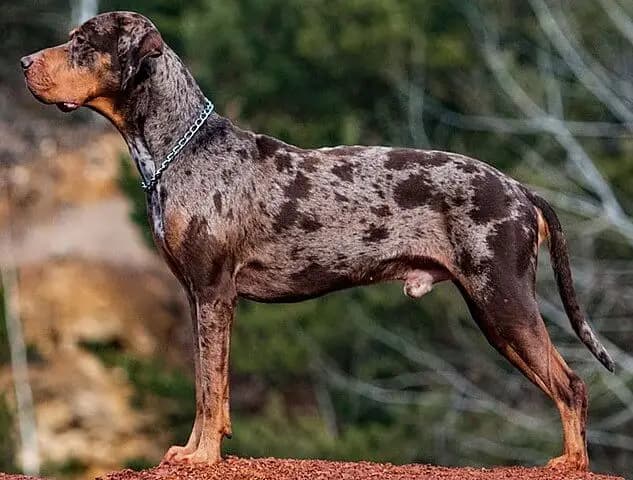
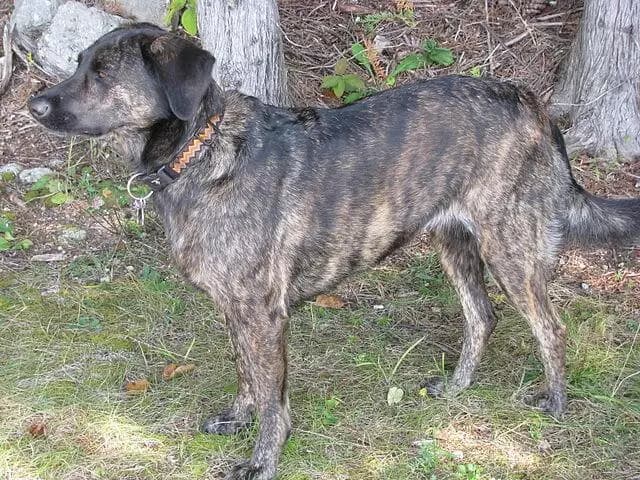
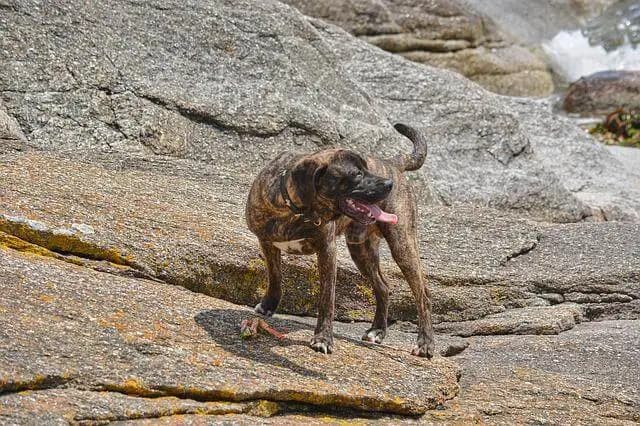
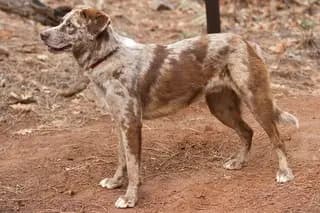
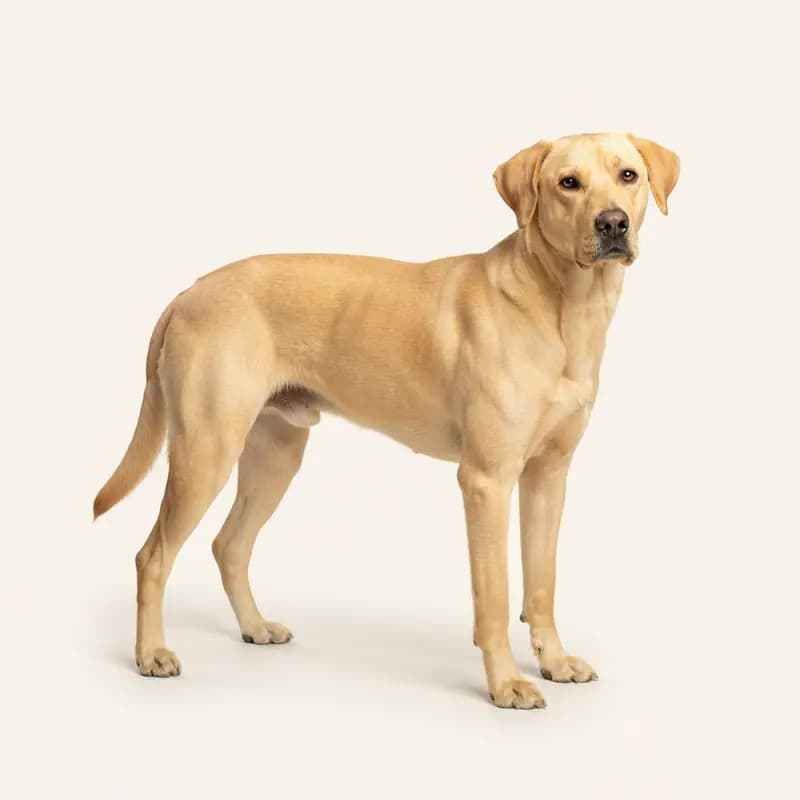
The American Leopard Hound is an athletic and powerful dog that has an impressive appearance. His eyes are often the first thing you notice - they can come in a variety of colors and are often lively and expressive. His ears are medium length and droopy, and his tail is long and often carried cheerfully. Although he is known for his leopard colors, his coat can come in a variety of colors and patterns. The American Leopard Hound belongs to the UKC group of Coonhounds and is a versatile hunting and tracking dog. At the moment there are no significant differences between performance and show lines, as the focus in breeding is primarily on working characteristics.
The American Leopard Hound is a wonderful companion with a heart of gold. He is highly intelligent and loves being with his family. Although used primarily as a hunting dog in the past, it has also proven to be a fabulous family dog. You'll find that not only is he a great guard dog, but he's also a loving family member who gets along well with children. In terms of temperament, the American Leopard Hound is quite active but not hyperactive. He has a lot of energy and loves to exercise, but he's also happy just relaxing on the sofa with you. He is alert and attentive, but not overly barky. He can be a good guard dog, but his friendly nature means he is usually not aggressive. When it comes to hunting behavior, it is important to know that the American Leopard Hound is a tracking dog and it has a strong hunting instinct. So if you have a garden, make sure it is well fenced and be careful when taking it for a walk as it might be prone to preying on wildlife. The American Leopard Hound is also a fairly independent dog. He is smart and can learn to stay alone, but he also loves company and doesn't like to be left alone for too long. He is also very adaptable and can adapt to different living conditions as long as he receives enough exercise and mental stimulation. Because the American Leopard Hound was originally bred as a hunting dog, it has a natural ability to follow trails and hunt. He is also a great climber and can display amazing dexterity. So if you're looking for an active companion who enjoys the outdoors, the American Leopard Hound could be the perfect dog for you. However, it's important to remember that if you live in an urban environment, you need to make sure he gets enough exercise and mental stimulation to be happy.
| Watchfulness Occasionally alerts but is fundamentally open. | Low |
| Openness to Strangers Warms up quickly and is generally welcoming. | Friendly |
| Hunting or Herding Drive This drive runs deep — no amount of training eliminates it. | Very strong |
Fun Fact!
The American Leopard Hound is known for its ability to climb trees! Yes, you heard that right, he can actually climb trees, which is quite unusual for a dog. This talent comes from his past as a tree dog, where he was used to drive prey up trees and hold them there until hunters arrived.
Intelligence is one of the best qualities of the American Leopard Hound. The breed is loving and affectionate towards their family and they are extremely protective of children. American Leopards are one of the oldest tree dog breeds in the United States and have extremely powerful tracking skills that can often track their prey for miles.
The American Leopard Hound is more of a rural dog than a city dog. He needs a lot of exercise and a fenced yard would be ideal. He is child-friendly, but due to his size and energy, he should always be supervised when around small children. As for other pets, he can get along with cats and other pets if he is socialized with them from an early age.
Loves family life and thrives in a group.
Takes boisterous and affectionate children in its stride.
Usually gets on fine with other dogs.
City-appropriate with enough exercise and stimulation.
Owning a dog is a privilege, but it's also a real responsibility. Before you bring one into your life, be honest with yourself about the commitment it takes.
The American Leopard Hound is intelligent and willing to learn, but also independent. You should start training early and be consistent. Because of his hunting instinct, it is important to teach him good recall techniques early on. He needs a lot of physical and mental activity, but be careful not to overwhelm him. Sometimes he can become obsessed with balls or other toys, so it's important to keep the play controlled and offer alternatives such as nose work. Sports such as agility, mantrailing or obedience training are recommended for the American Leopard Hound. It is also important to teach him frustration tolerance and impulse control to ensure balanced behavior.
When it comes to the American Leopard Hound's diet, he needs a balanced diet with high-quality food. Make sure it is high in protein to support his muscles and not too high in calories to avoid gaining weight. When it comes to grooming: The American Leopard Hound has a short to medium length coat with an undercoat. He adapts quite well to the climate in Germany, although he may need a coat in winter. The coat should be brushed regularly to remove loose hair, especially during shedding periods as he can shed quite a bit.
| Care Level Minimal effort — occasional brushing and bathing. | Low-maintenance |
| Exercise Needs Needs several hours of serious exercise every day. | Very active |
| Shedding Hair everywhere, always — no white clothing survives. | Very heavy |
| Trainability Picks up commands quickly and wants to please. | Eager to learn |
Our experts are still reviewing this information. Spotted something wrong? Email us at info@honestdog.de.
Robust
Health grade
The American Leopard Hound is a very robust working breed with a pleasingly low genetic burden. Only the merle factor (coat color) must be kept in mind, as an inappropriate mating can lead to deafness and severe eye damage. Since hardly any other breed-specific hereditary diseases are documented, the breed is considered above-average healthy with responsible breeding.
Grade is relative to other breeds — AI-assisted and editorially reviewed.
Methodology and data: HonestDog Dog Breed Health Report 2026
What matters most for this breed
Tap any item to see details.
You should pay attention to a healthy weight and joint-friendly development, as well as having your dog's eyes and hearing checked regularly.
Reputable breeders have the parents' hips, eyes, and hearing tested and pay strict attention to genetics during pairing to prevent congenital deafness or blindness.
Note: This health overview is AI-assisted and editorially reviewed. It is for orientation only and does not replace veterinary advice.
What matters most for this breed — what's common, how much it affects the dog's life, and how to protect yourself as a buyer.
Tap a body region to see the inherited conditions linked to it.
The three most important risks
Pick a region on the map to explore other areas.
Tier 1 is the recommended health standard for this breed. Tiers 2 and 3 show how responsible breeders go beyond.
Recommended standard. These tests make up the recommended health standard for this breed — the baseline of any careful breeding program. Ask any reputable breeder for the results.
No entries in this tier.
Note: This health overview is AI-assisted and editorially reviewed. It is for orientation only and does not replace veterinary advice.
A American Leopard Hound costs around ~€180 per month (€100 – €340, depending on your setup). The first year adds up to roughly ~€4,760 including purchase, equipment and puppy school; across the dog's life (13.5 years) it comes to about ~€32,000.
With surgery cover, running costs come to about ~€180 per month — in return, your share of a major operation drops from several thousand euros to around 20 percent.
Per month
~€180
In the first year
~€4,760
Across the dog's life
~€32,000
Estimated purchase price from a breeder: €1,000 – €2,500
Estimate at a mid-range setup (suburban, dry food, 1–2 hours of daily exercise), average German prices, as of July 2026.
 Illustrative image
 Illustrative image
 Illustrative image
 Illustrative image
The American Leopard Hound, formerly often referred to as the Leopard Cur, has roots that date back to the time of the first settlers in the United States. It is believed to have descended from dogs brought to the New World by the Spanish, and it evolved over generations by being mixed with different dogs to hone its skills as a hunting dog. The American Leopard Hound became particularly popular in the southeastern United States and was valued for its versatility and ability to hunt a variety of prey. It was often used to hunt raccoons, wild boars and even bears. The American Leopard Hound has been recognized by the United Kennel Club since 1998 and is considered an independent breed.
The American Leopard Hound was bred to hunt large game such as bears and cougars, known for its endurance and versatility.
USA
1800
Many owners describe the American Leopard Hound (formerly also known as the Leopard Cur) as a surprisingly affectionate, gentle and cuddly dog at home that forms a very close bond with its people. Within the family it is often patient and attentive, so with proper introduction it gets along well with children. With enough exercise, owners find it a calm housemate indoors that enjoys being close to its people.
At the same time, owner reports point out that the breed has a noticeable guarding instinct. Many of these dogs are initially aloof or watchful with strangers, announce anything unusual in a deep, powerful voice and claim their territory. Owners warn against underestimating the breed as a mere companion dog in an urban setting: without enough space, regular downtime and a securely fenced, escape-proof yard, this bundle of energy can become nervous or overly watchful when under-challenged.
In accounts of handling and exercise, people who know the breed keep emphasizing these dogs' very strong work ethic and their strong drive to hunt and track. As a passionate trailing and tree dog, it reacts instantly to the sight and scent of game. According to owners, off-leash time on unfenced ground is often hardly possible, or only after years of intensive recall training, because these dogs pick up trails on their own and follow them doggedly.
On the training field or in dog sports, the Leopard Hound is credited with a strong will to please and a quick mind, which makes basic training easier than with some other hounds. Owners point out, however, that leash walks alone are never enough. If these dogs aren't challenged with tough scent work such as mantrailing, blood tracking or trailing, they find their own jobs, which are often unwelcome.
Owner experience paints the American Leopard Hound as a weatherproof, physically robust working breed with plenty of stamina. Compared with many fashionable breeds, its breeding base is still considered largely free of exaggerations. Grooming is described as straightforward; regular brushing is usually all it takes.
One important topic that keeps coming up in discussions and breeder accounts, however, is the genetics of the merle coloring. Experienced owners and breeders strongly warn against careless pairings: faulty double-merle matings produce congenital deafness and vision defects. For this reason, owner communities advise insisting on veterinary hearing tests for puppies (such as the BAER hearing test) and on the parents being cleared of hip dysplasia.
Sources:milouchouchou.comanimalia.bioreddit.comhundeinfos.de
Paraphrased from real owner reports · translated from German
The American Leopard Hound is an active dog that needs plenty of exercise and mental stimulation. Research the temperament, grooming needs, and space requirements before deciding.
The average life expectancy of a American Leopard Hound is 12-15 years. With proper care and regular vet visits, your dog can live a long, healthy life.
American Leopard Hound grooming requirements include regular brushing, nail trimming, and dental care. HonestDog provides detailed grooming tips for every breed.
The American Leopard Hound can be a great family dog. Proper training and socialization are key. HonestDog provides family suitability information for every breed.
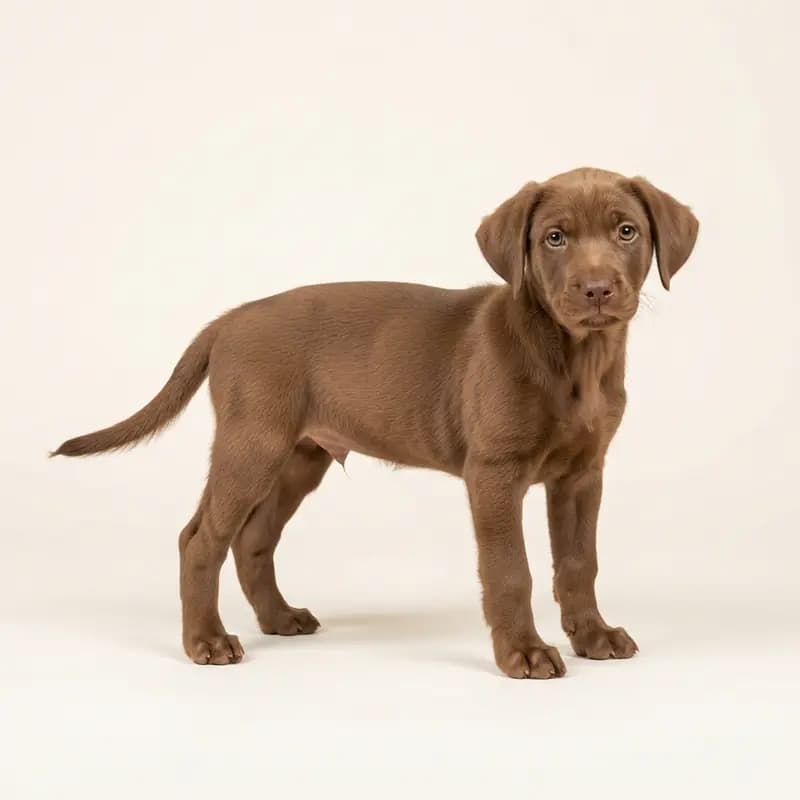
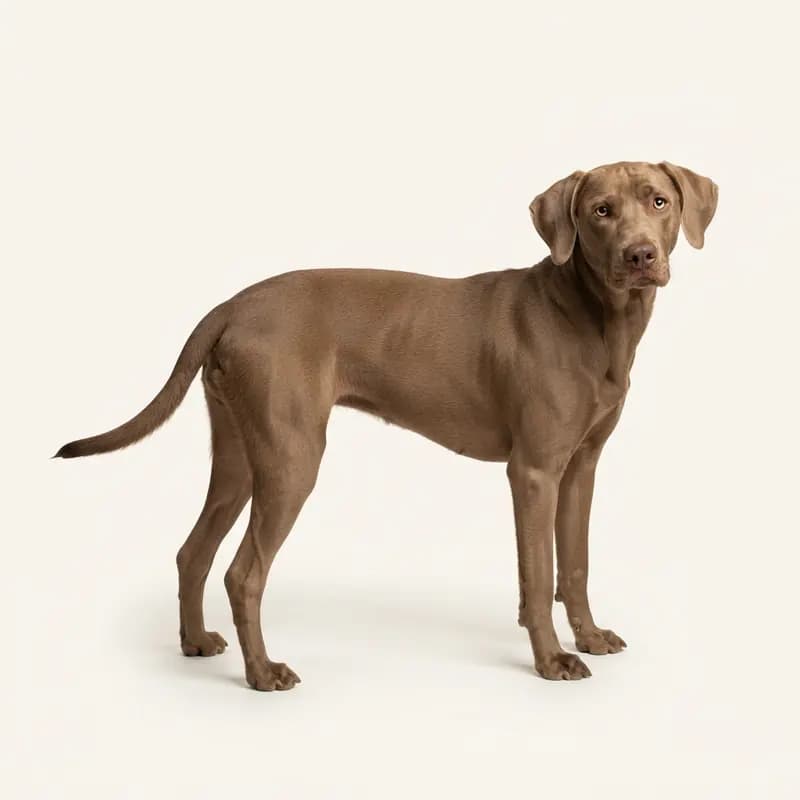
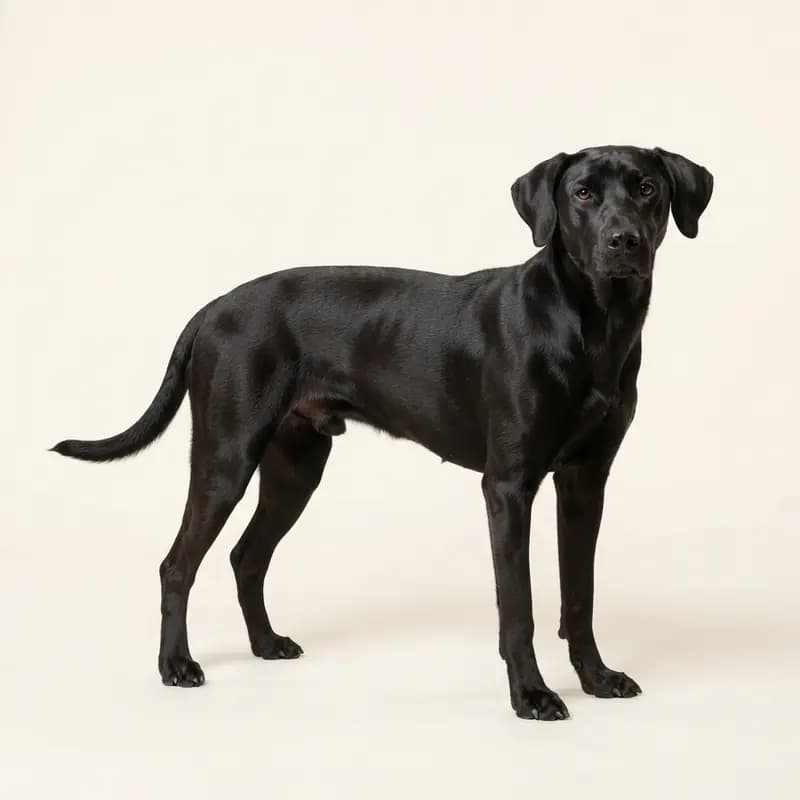
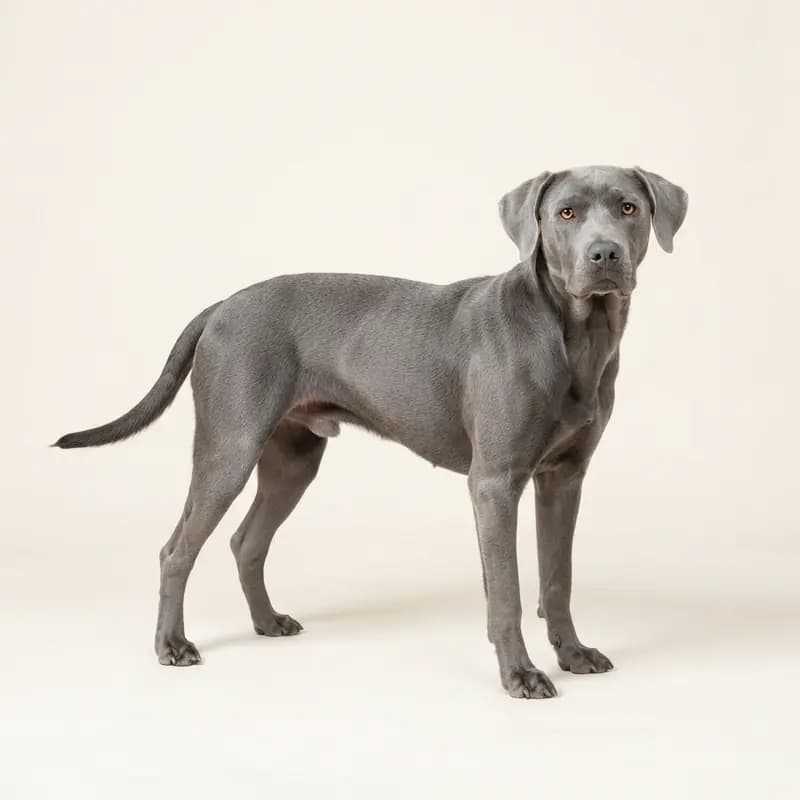
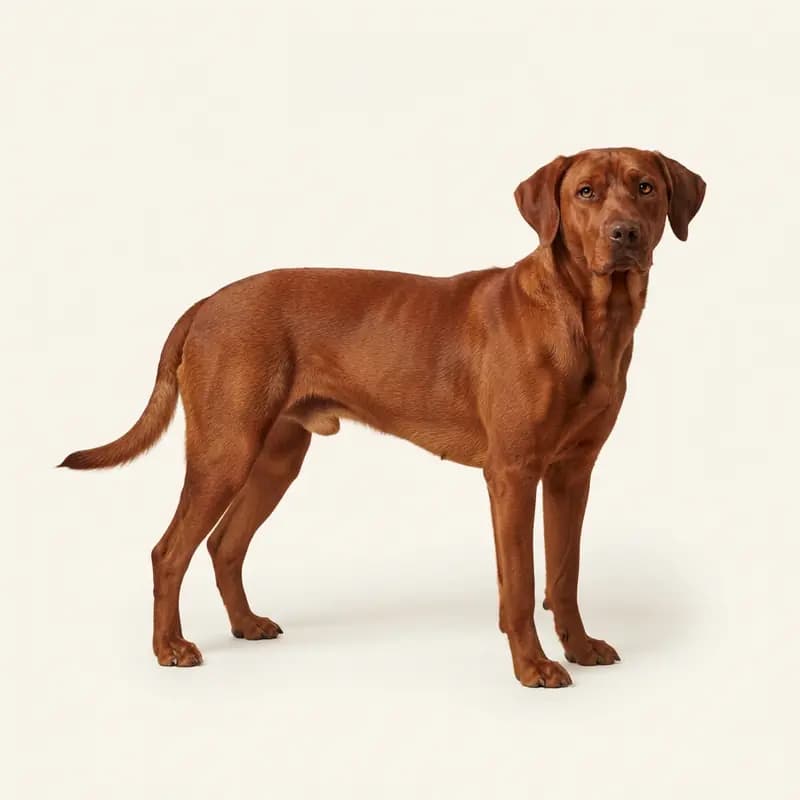
The American Leopard Hound comes in these colors: Black, Blue, Red, Yellow, Brindle, Brown, Grey, Merle, Spotted, White.
Showcase your kennel on HonestDog and reach families searching for a responsibly bred American Leopard Hound.