Australian ShepherdSame FCI section
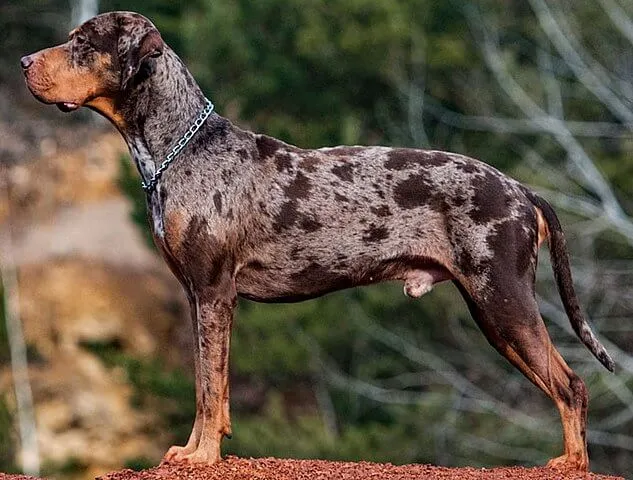
The Catahoula Leopard Dog is a robust, highly intelligent, and extremely assertive dog—bred as an uncompromising herding and hunting dog, designed to track and corner wild cattle and boars in the swamps of Louisiana completely independently.
Self-check
Answer 6 quick questions about your everyday life and see how well the Catahoula Leopard Dog fits you — including an honest cost estimate per month, per year, and across the dog's lifetime.


At a glance
The essentials — key facts, traits, and health priorities — before you dive deeper.
Lifespan
10–14 yrs
Shoulder height
51–66 cm
Weight
18–37 kg
Practical
Temperament
Daily life
What matters most
Especially with a Catahoula Leopard Dog, choosing the right breeder is the single most important decision you'll make. Serious breeders consistently test the parents for inherited conditions, prioritize healthy early socialization, and stay accountable long after handover. A cheap puppy without health screening tends to become the most expensive dog later on.
See HonestDog breeder standards →Colors & coat
The coat colors that occur in the Catahoula Leopard Dog — including which ones fall outside the breed standard and which carry genetic risk.
Eye colors
 Brown
 Amber
 Blue
 Green
 Odd-eyed
 Partial (split eye)
Coat type
 Illustrative image
Short
 Illustrative image
Medium
 Smooth
The real vibes check
A Catahoula is not just a follower of commands, but a rough business partner in a leopard coat who tests your leadership skills every single day. If you channel his enormous work ethic in the right direction, he will go through fire for you. However, if you let him take the helm, he will start his own project—and that usually involves taking absolute control of your home.
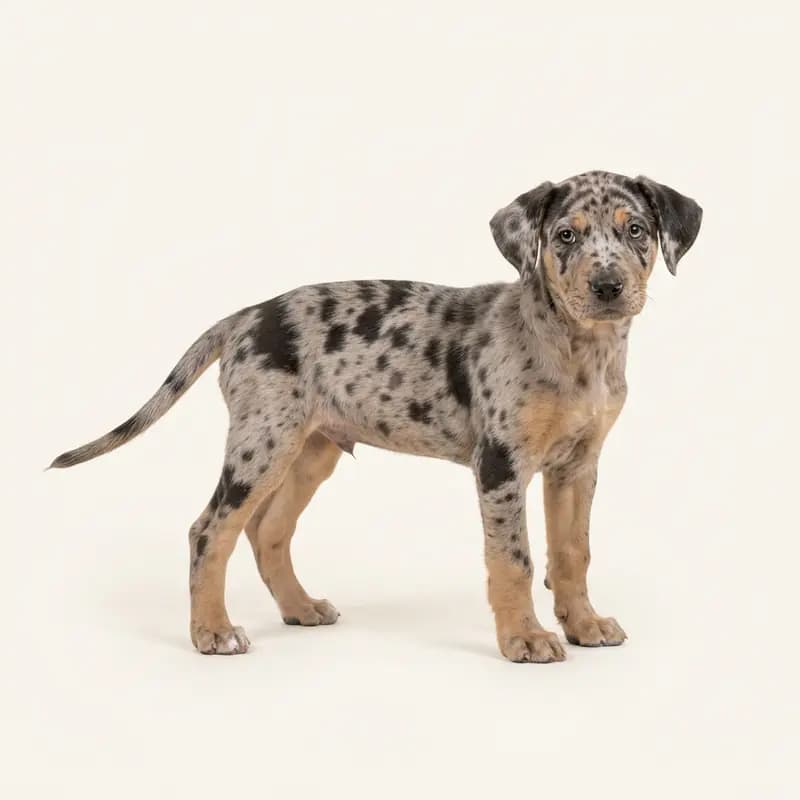
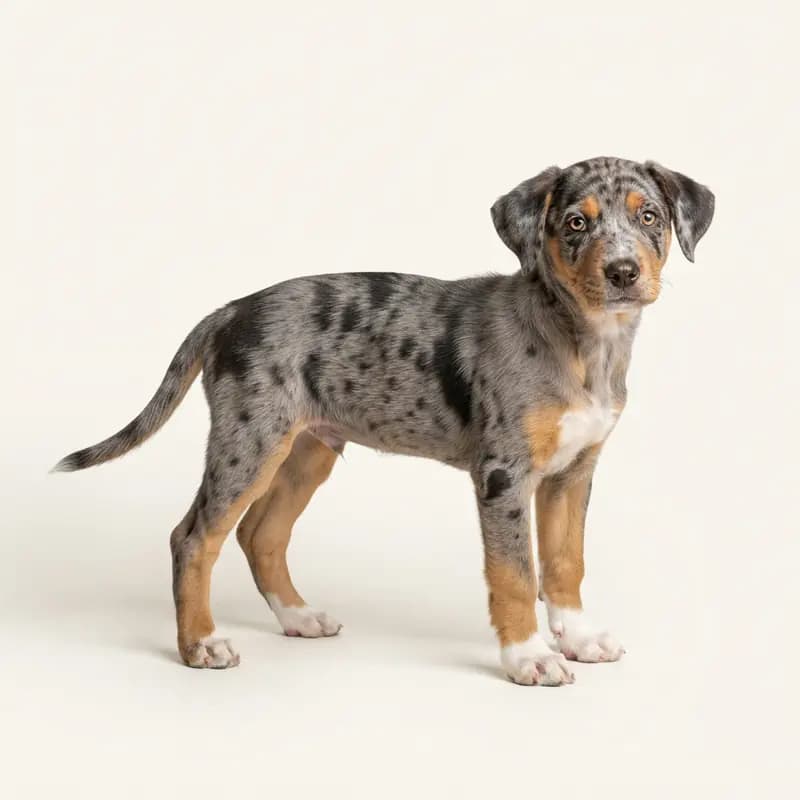
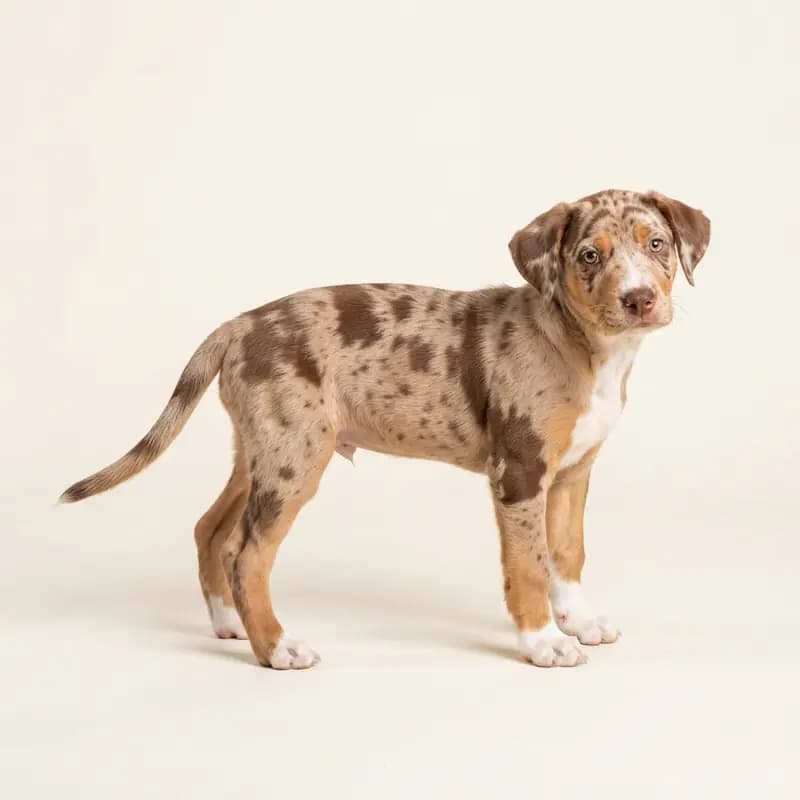
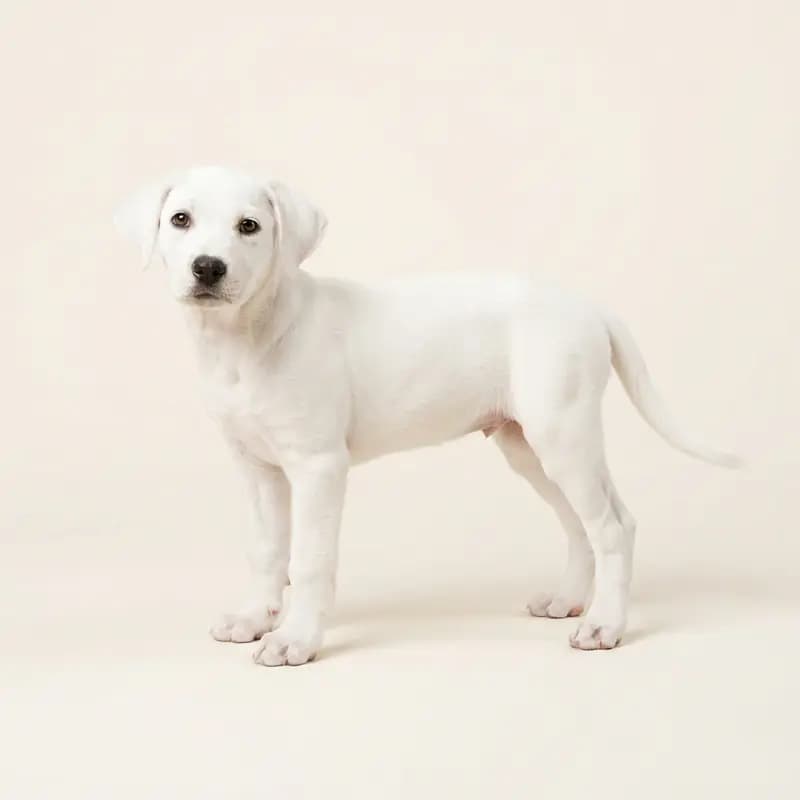
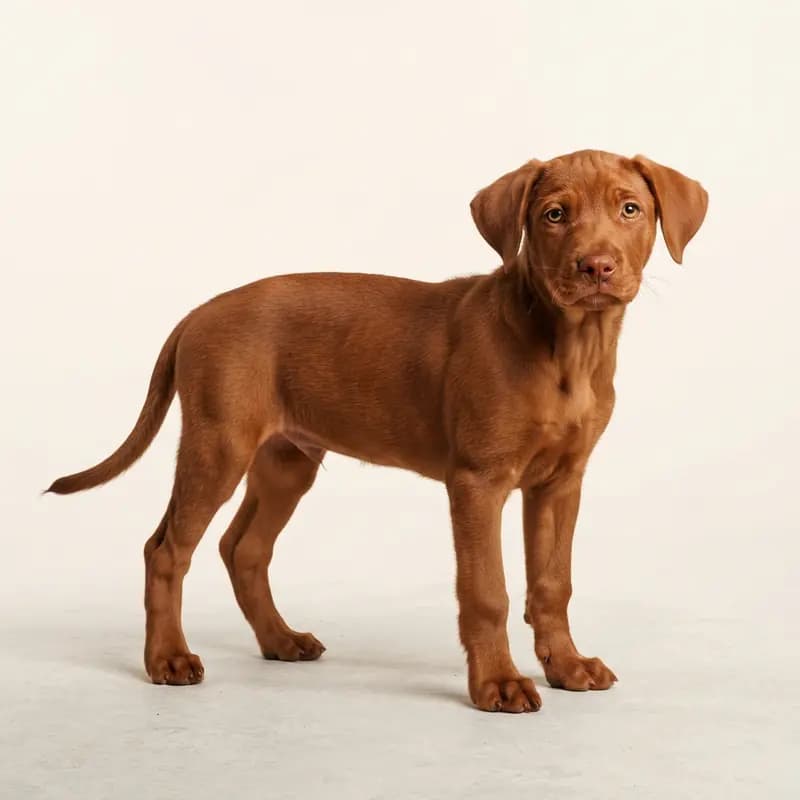
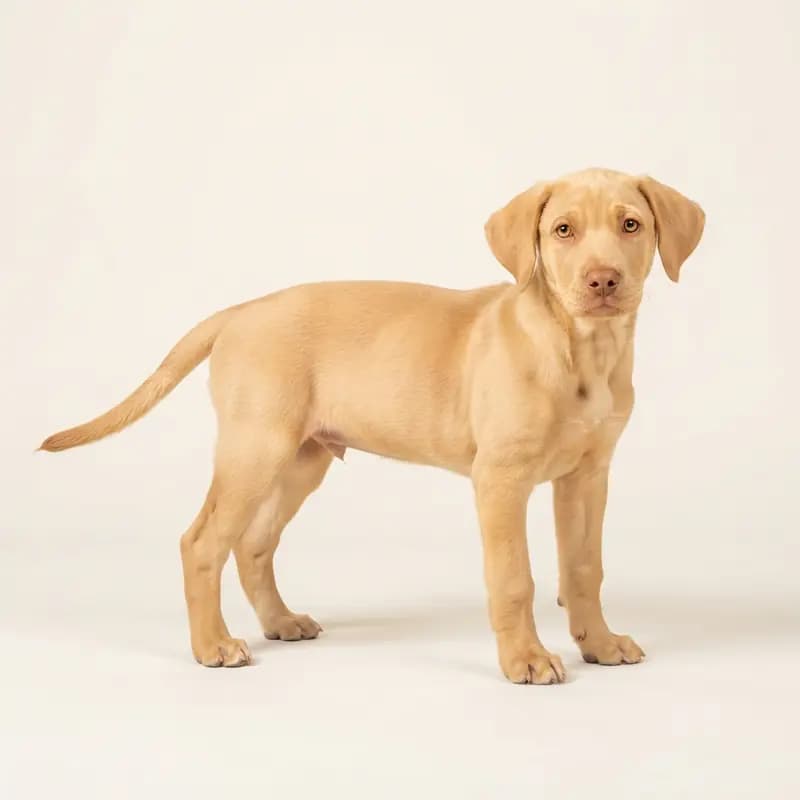
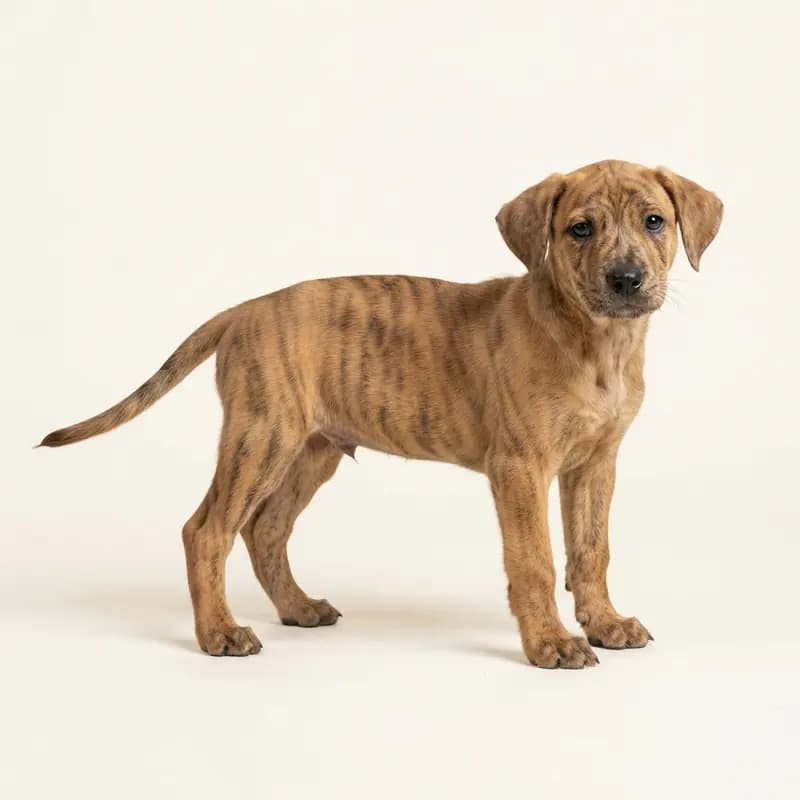
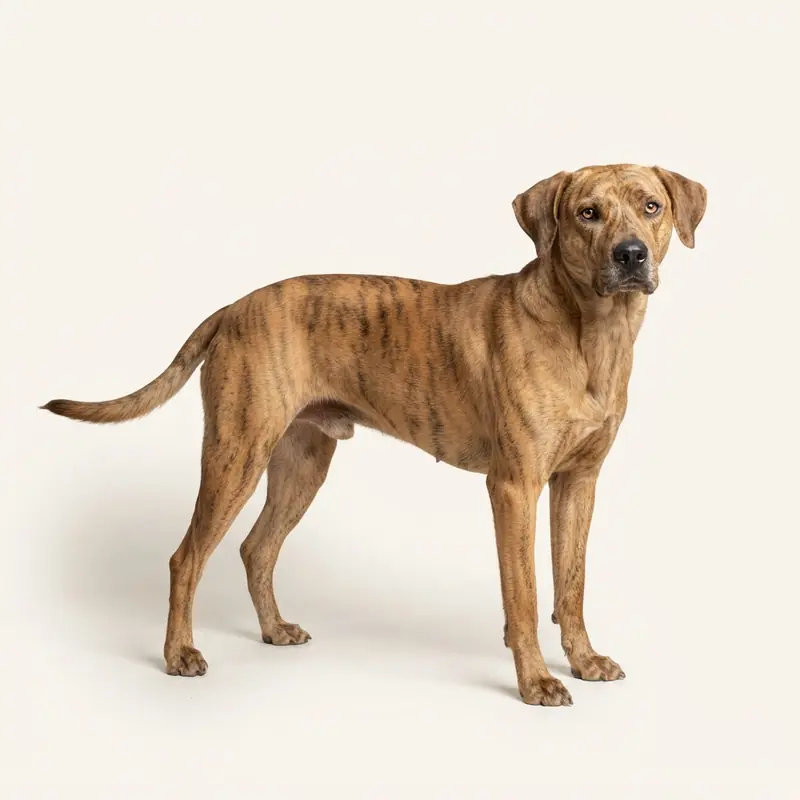
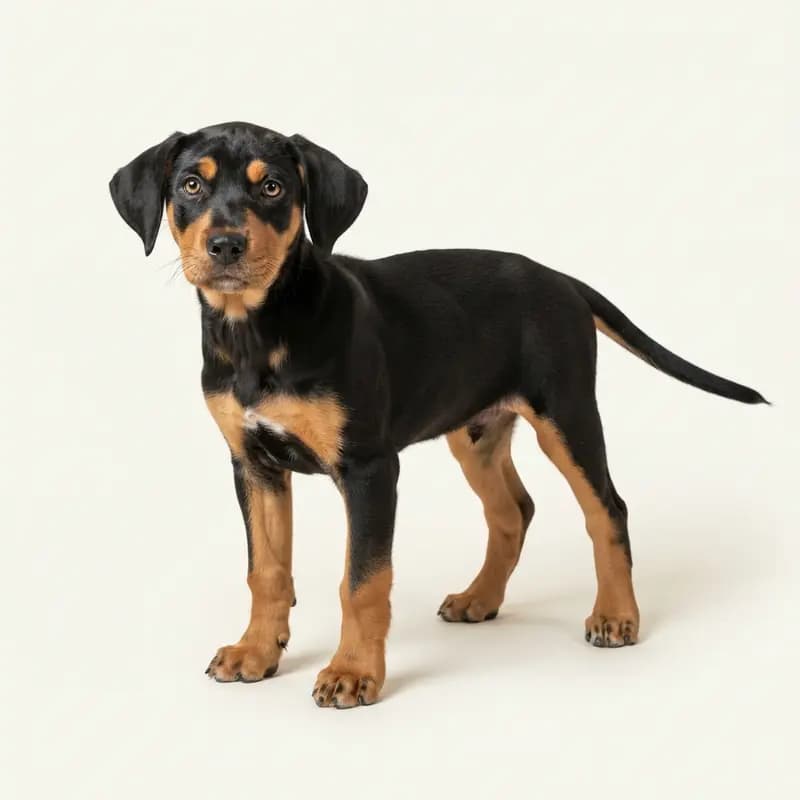
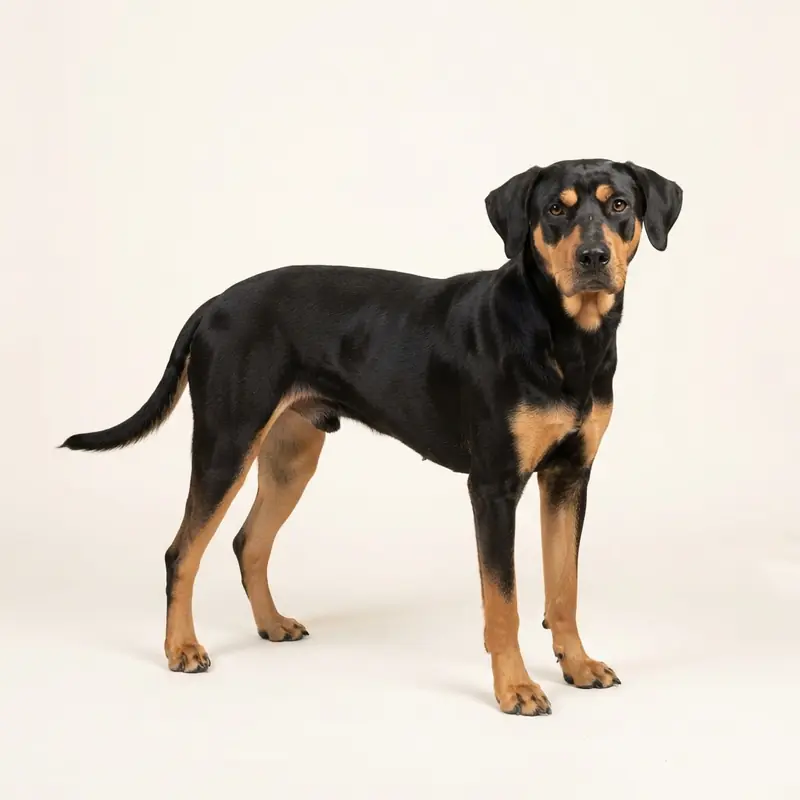
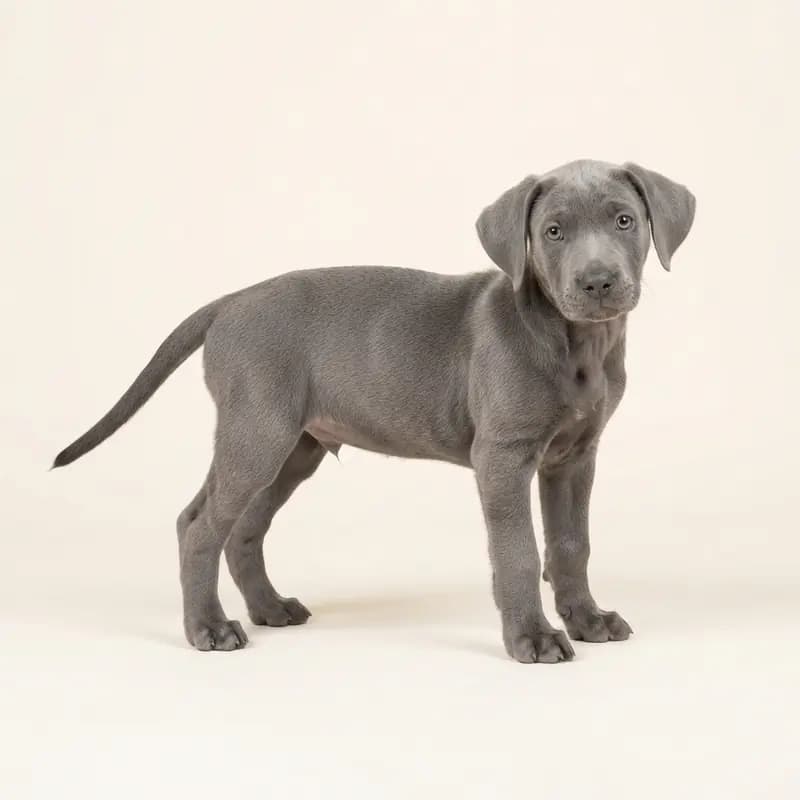
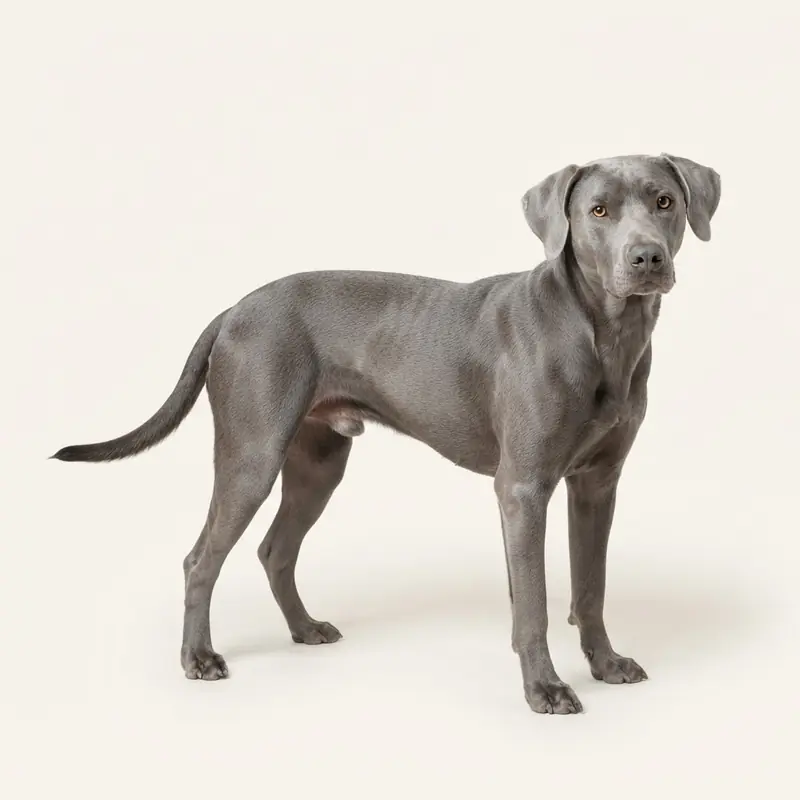
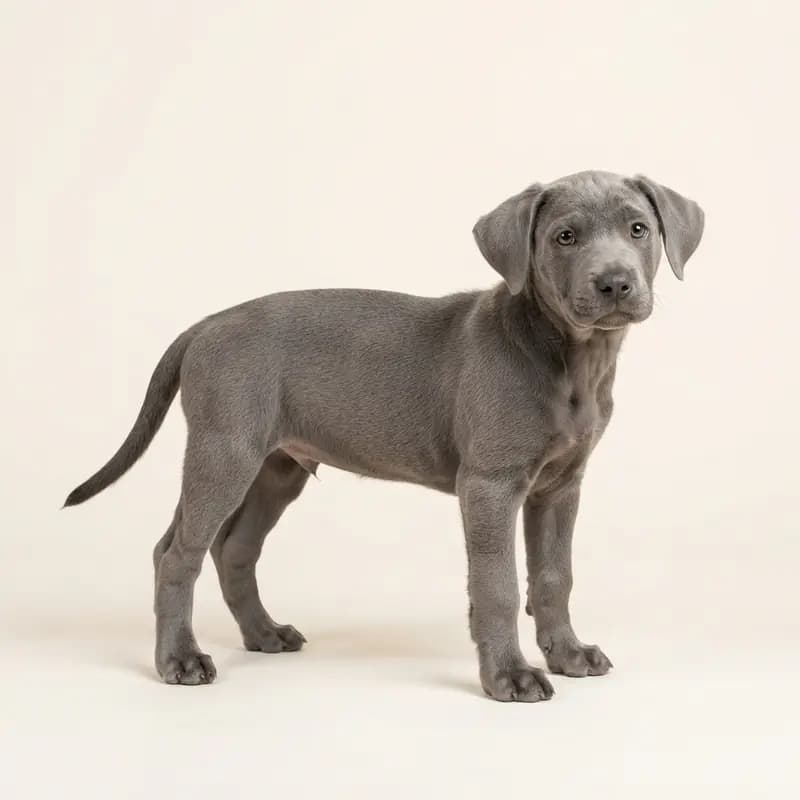
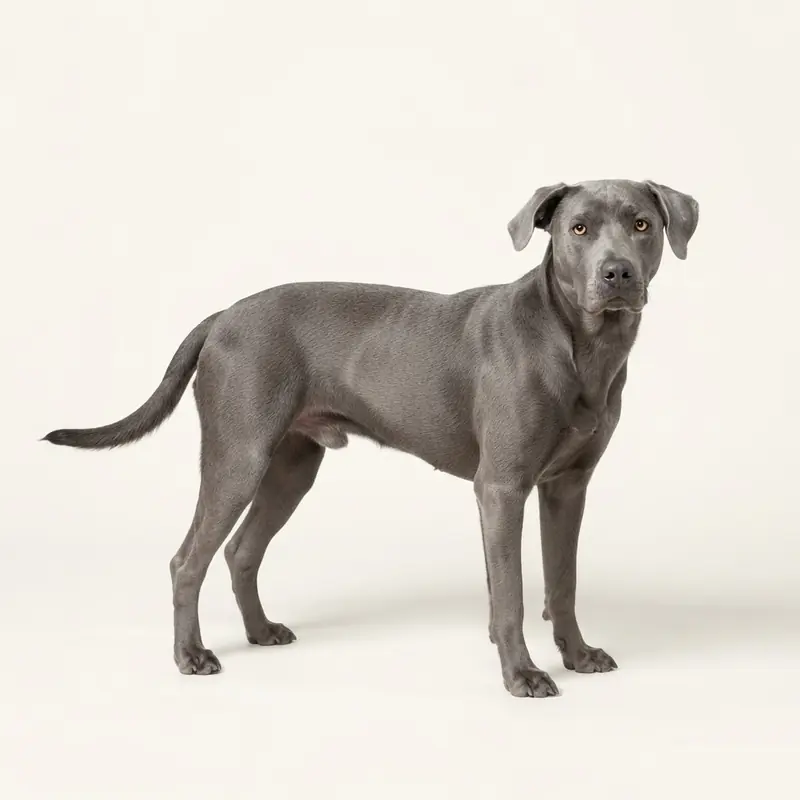
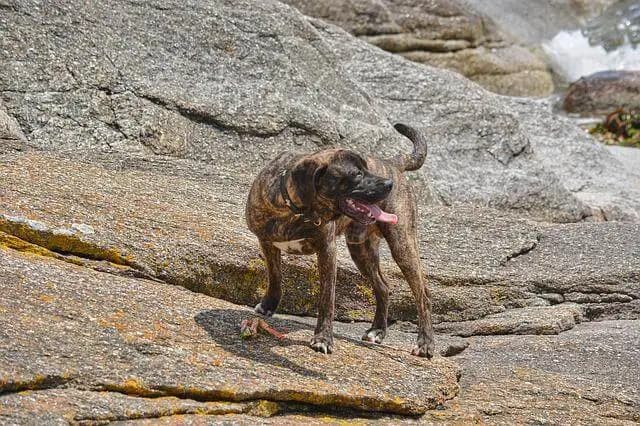
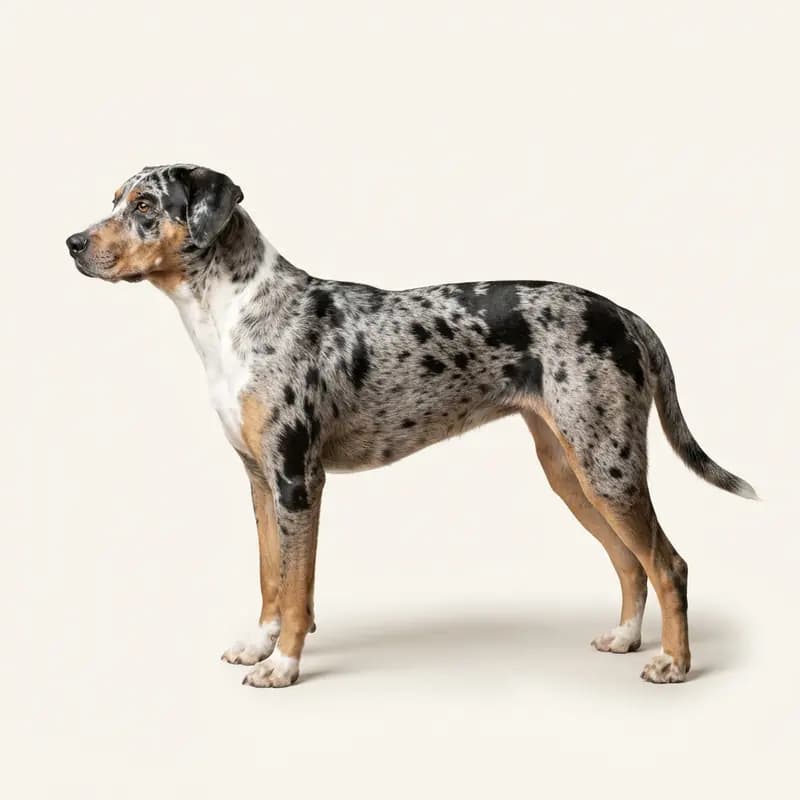
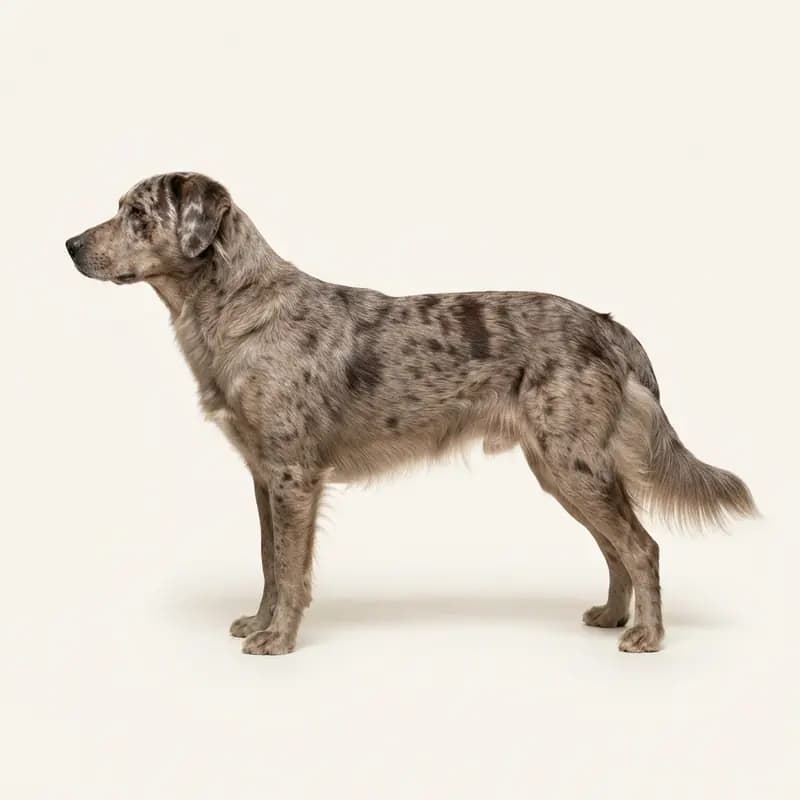
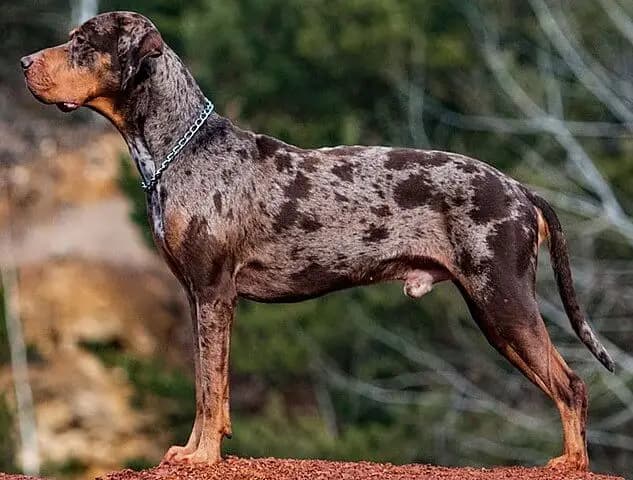
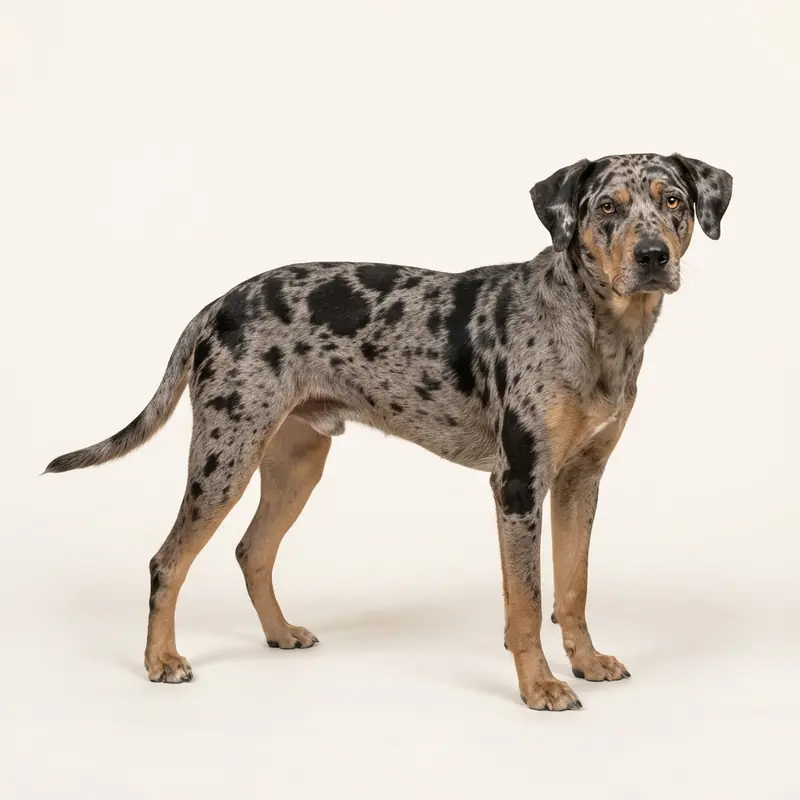
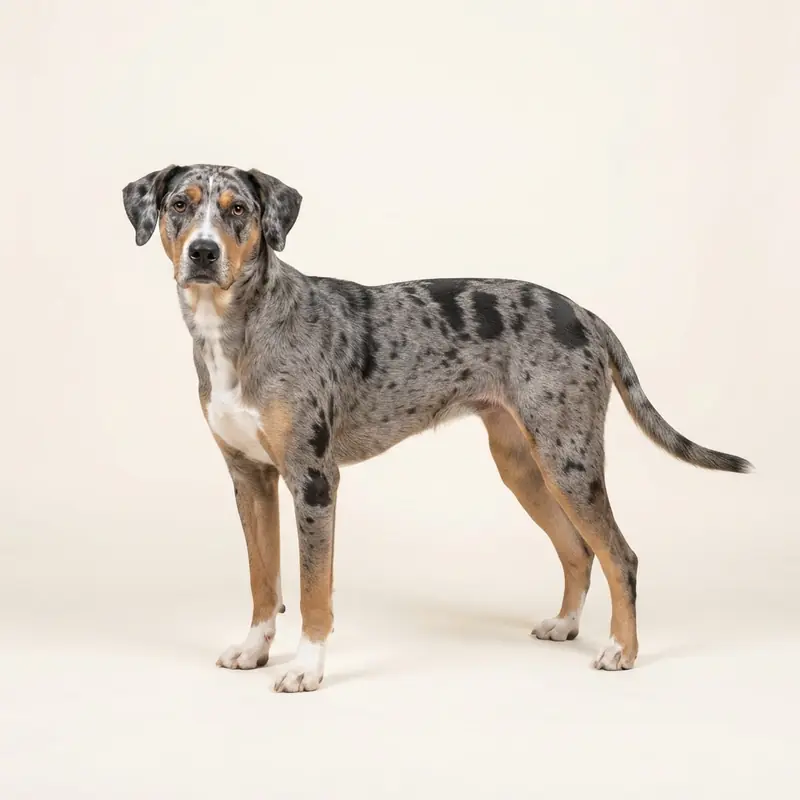
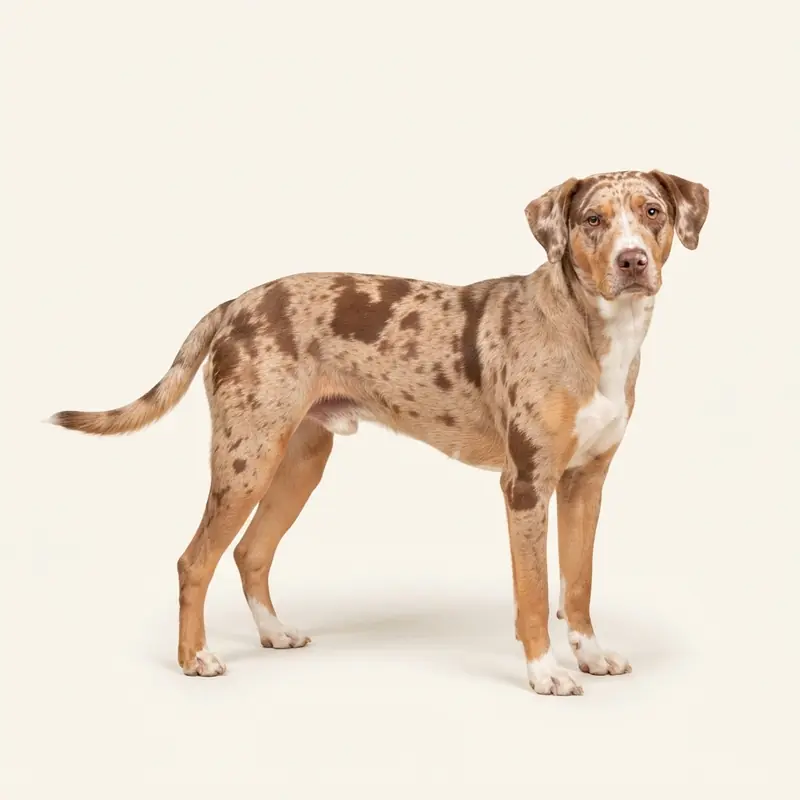
The Catahoula Leopard Dog impresses not only with its versatility, but also with its unique appearance. Its coat can take on many colors - from merle (spotted) to brindle (striped) to solid (unicolor). What is particularly striking are his multi-colored or even two-colored eyes, which give him a hypnotic look. His powerful and athletic stature clearly shows his working history as a herding and hunting dog. He has a medium-sized, compact and muscular build and has a high energy level. His ears are medium-sized and hang slightly downwards, which gives him a particularly endearing expression. The Catahoula is a member of the United Kennel Club's (UKC) Herding Group and is recognized as the state dog of Louisiana. It is important to note that although this breed is also kept as a family dog, it is primarily a working dog. Therefore, the working lines can differ in temperament and appearance from the show lines, with the working lines often being more robust and energetic.
Catahoula Leopard Dogs are true bundles of energy and require lots of exercise and mental stimulation. Their original purpose as a herding and hunting dog makes them active and independent animals that need a task to do in order to be content. Known for their intelligence and hard work, they need work that challenges both their bodies and their minds. This can range from dog sports such as agility or obedience to "jobs" such as herding sheep or retrieving objects. Because of their history as working dogs, Catahoulas tend to be independent. They are intelligent and solution-oriented, meaning they often find their own ways to solve problems or complete tasks. This independence can make them a challenge for first-time owners who have no experience managing and training dogs. Their loyalty to their family is remarkable. They are loving and protective and form strong bonds with the people they live with. However, they can also be wary of strangers, meaning they can sometimes act reserved or aloof until they get to know someone better. Catahoulas do well on their own as long as they get enough exercise and mental stimulation. However, it is important that they get used to this early on and that their alone time is well structured and predictable to avoid stress and anxiety. This breed has a strong hunting and prey instinct. They were bred to hunt and herd wild boar and cattle, and many Catahoulas still display a strong drive to hunt small animals. This means that they may not get along well with smaller pets in a household unless they are accustomed to it from an early age. Catahoula Leopard Dogs are known for their alertness. They are very alert and aware of their surroundings, making them good watchdogs. However, they do not tend to bark for no reason, but rather use their voice specifically to warn their family of potential threats. While Catahoulas are excellent working dogs, they can also function well in a family environment if their needs are met. They are loving and loyal to their family and can get along well with children as long as the interactions are supervised and the children have learned to respect the dog. With enough exercise, training and love, a Catahoula Leopard Dog can be an incredibly fulfilling companion for the right family.
| Watchfulness A natural watchdog with real protective instinct. | High |
| Openness to Strangers Neither pushily friendly nor suspicious. | Neutral |
| Hunting or Herding Drive Powerful instinct that can override recall when triggered. | Strong |
Fun Fact!
Did you know that the Catahoula Leopard Dog is considered the official state dog of the US state of Louisiana? In fact, it is the only dog breed that originated in this state!
The Catahoula Leopard Dog is a versatile working dog that is well muscled and strong, but also has a sense of agility and endurance. They are serious at work and playful at home.
The Catahoula Leopard Dog is better suited to living in the country or in a house with a large yard than in a city apartment due to its need for physical and mental activity. However, with enough exercise and activity, it can also be kept in the city. These dogs are very family oriented and form strong bonds with their family, including children. However, they are also protectors and can therefore sometimes be too rough with small children. Therefore, interactions between dogs and children should always be supervised. Their prey-hunting instincts can lead them to view small pets as prey. However, if they are used to other pets from an early age, they can get along well with them.
Loves family life and thrives in a group.
Takes boisterous and affectionate children in its stride.
Usually gets on fine with other dogs.
City-appropriate with enough exercise and stimulation.
Owning a dog is a privilege, but it's also a real responsibility. Before you bring one into your life, be honest with yourself about the commitment it takes.
Catahoula Leopard Dogs are intelligent and eager to learn, so they should be trained with patience, consistency, and positive reinforcement. They tend to be independent and make their own decisions, meaning they can sometimes pose a challenge in training. Early socialization and consistent, loving upbringing are therefore essential. These dogs need both physical and mental activity to be happy and balanced. Sports like agility, flyball, or obedience can help them channel their energy in a positive way. At the same time, they should also learn to accept periods of rest and not have to be constantly in action. Since they have a strong work instinct, they should not be trained to be a ball junkie as this can become an obsession. Training in frustration tolerance and impulse control is particularly important for this breed.
Catahoula Leopard Dogs are active and high-energy dogs, so they need a balanced and nutritious diet to ensure their energy supply. Make sure you have a balanced mix of proteins, carbohydrates and fats. When it comes to care, the Catahoula Leopard Dog is pretty straightforward. His short to medium length coat has a dense undercoat and requires regular brushing, especially during the shedding period as he sheds quite heavily. The Catahoula also copes well with the climate in Germany, both in the cold and warm months.
| Care Level Minimal effort — occasional brushing and bathing. | Low-maintenance |
| Exercise Needs Working-dog energy that needs burning off every single day. | High-drive |
| Shedding Hair everywhere, always — no white clothing survives. | Very heavy |
| Trainability Has its own ideas and will test limits. | Strong-willed |
Our experts are still reviewing this information. Spotted something wrong? Email us at info@honestdog.de.
Solid
Health grade
The Catahoula Leopard Dog is rated with a grade B because it has an average health burden. Screening for hip dysplasia (HD), a serious condition of the musculoskeletal system, is particularly important. Furthermore, due to their coat pattern, this breed has an increased risk of congenital deafness, which is why puppies should absolutely be given a hearing test before purchase.
Grade is relative to other breeds — AI-assisted and editorially reviewed.
Methodology and data: HonestDog Dog Breed Health Report 2026
What matters most for this breed
Tap any item to see details.
You should ensure that his upbringing is gentle on his joints and keep an eye on his eyes and hearing to detect any potential issues early on.
Reputable breeders have the parents' hips, elbows, eyes, and hearing tested and pay strict attention to color genetics to avoid serious health conditions in the lineage.
Note: This health overview is AI-assisted and editorially reviewed. It is for orientation only and does not replace veterinary advice.
What matters most for this breed — what's common, how much it affects the dog's life, and how to protect yourself as a buyer.
Tap a body region to see the inherited conditions linked to it.
The three most important risks
Pick a region on the map to explore other areas.
Tier 1 is the recommended health standard for this breed. Tiers 2 and 3 show how responsible breeders go beyond.
Recommended standard. These tests make up the recommended health standard for this breed — the baseline of any careful breeding program. Ask any reputable breeder for the results.
No entries in this tier.
Note: This health overview is AI-assisted and editorially reviewed. It is for orientation only and does not replace veterinary advice.
A Catahoula Leopard Dog costs around ~€180 per month (€100 – €350, depending on your setup). The first year adds up to roughly ~€4,790 including purchase, equipment and puppy school; across the dog's life (12 years) it comes to about ~€29,070.
With surgery cover, running costs come to about ~€180 per month — in return, your share of a major operation drops from several thousand euros to around 20 percent.
Per month
~€180
In the first year
~€4,790
Across the dog's life
~€29,070
Estimated purchase price from a breeder: €1,000 – €2,500
Estimate at a mid-range setup (suburban, dry food, 1–2 hours of daily exercise), average German prices, as of July 2026.
HonestDog Concierge
We currently have no breeders for this breed who have passed our verification. Create your short buyer profile: we'll set up your search alert, review a possible source and email you within 28 days.
 Illustrative image
 Illustrative image
 Illustrative image
 Illustrative image
The history of the Catahoula Leopard Dog is as unique as the breed's appearance. It originally comes from the US state of Louisiana, where it was developed by the local Choctaw Indians. The name "Catahoula" comes from the Choctaw language and means "holy water," indicating these dogs' proximity to the swamps and waters in their homeland. The Catahoulas were originally bred to herd and hunt wild boar and cows, and their abilities as herding and working dogs are hardwired into their DNA. The Catahoula Leopard Dog was recognized as Louisiana's state dog in 1979, making it deeply rooted in the state's culture and history.
Bred as a versatile working dog for hunting and herding livestock, the Catahoula Leopard Dog is known for its striking coat pattern.
USA
1800
Many owners stress that the Catahoula Leopard Dog is a very devoted, almost clingy and sensitive companion within its inner circle. Indoors, these dogs often seek close physical contact with their people and are surprisingly gentle and loyal with family members, including sturdy, confident children. At the same time, their strong guarding and protective instinct shapes daily life: the breed is almost without exception reserved or suspicious with strangers. Visitors can rarely just walk onto the property casually, since the Catahoula takes guarding its territory very seriously.
Owners also frequently report conflicts when meeting other dogs. Many Catahoulas develop intolerance of same-sex dogs in adulthood and are not dogs for carefree trips to the dog park. Cats or small pets in the same household require strict management from puppyhood, since the chase instinct kicks in instantly at fast movement. Without enough mental exercise, these dogs also tend to stir up trouble at home through destructive behavior or constant controlling behavior.
Sources:forums.yesterdaystractors.comunitedpetclub.comhunde-fan.demarhelhunting.comfressnapf.de
Owners' accounts often describe the Catahoula as a challenging dog with a strong character that is in no way comparable to a typical family dog or a biddable herding dog. As a dog originally bred to drive cattle and catch wild hogs, it brings a great deal of willpower, independence and toughness in drive. Owners repeatedly describe how the breed questions instructions and immediately makes its own decisions when handling is unclear, inconsistent or hectic. Pressure or harshness usually leads to shutdown or open resistance; what's needed instead is calm, unshakable and confident leadership.
A central training topic is its very strong hunting and tracking drive. Following game trails and bringing game to bay are in these dogs' blood, so for many owners reliable off-leash time in areas with lots of wildlife remains a training project that lasts for years. Walks alone are not enough for the breed; owners get the best results when they give their dogs challenging scent work such as mantrailing, search-and-rescue work, tracking or controlled substitute hunting.
Sources:unitedpetclub.commarhelhunting.comkrautjunker.comhundeseite.demarkt.de
Health-wise, breeders and owners consider the Catahoula a very tough, weatherproof and hard-working breed with a high baseline fitness. Even so, owners and breed experts point to breed-specific risks linked mainly to breeding practices and the merle coloring. A regularly discussed topic is the risk of congenital deafness, in one or both ears, which is why responsible owners always stress audiometric hearing tests (BAER tests) for puppies. Eye malformations or vision problems can also occur when merle dogs are bred together carelessly.
Owners' accounts also point to hip dysplasia (HD), which plays a role in medium-sized to heavy working dogs. Because these dogs are often very tough when in pain and show weakness only late, owners warn against overlooking injuries or overexertion in young dogs. Experienced owners therefore strongly advise choosing a breeder with great care based on health certificates, and not being dazzled by striking eye and coat colors.
Sources:marhelhunting.comfressnapf.dehundeseite.dedogodu.euforum.wildundhund.de
Paraphrased from real owner reports · translated from German
The Catahoula Leopard Dog is an active dog that needs plenty of exercise and mental stimulation. Research the temperament, grooming needs, and space requirements before deciding.
The average life expectancy of a Catahoula Leopard Dog is 10-14 years. With proper care and regular vet visits, your dog can live a long, healthy life.
Catahoula Leopard Dog grooming requirements include regular brushing, nail trimming, and dental care. HonestDog provides detailed grooming tips for every breed.
The Catahoula Leopard Dog can be a great family dog. Proper training and socialization are key. HonestDog provides family suitability information for every breed.
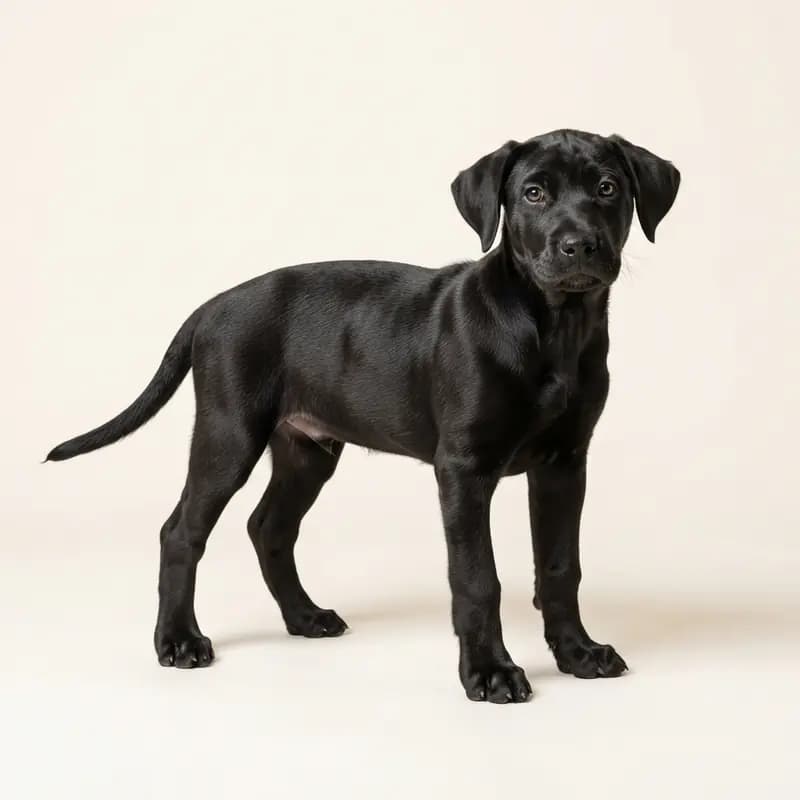
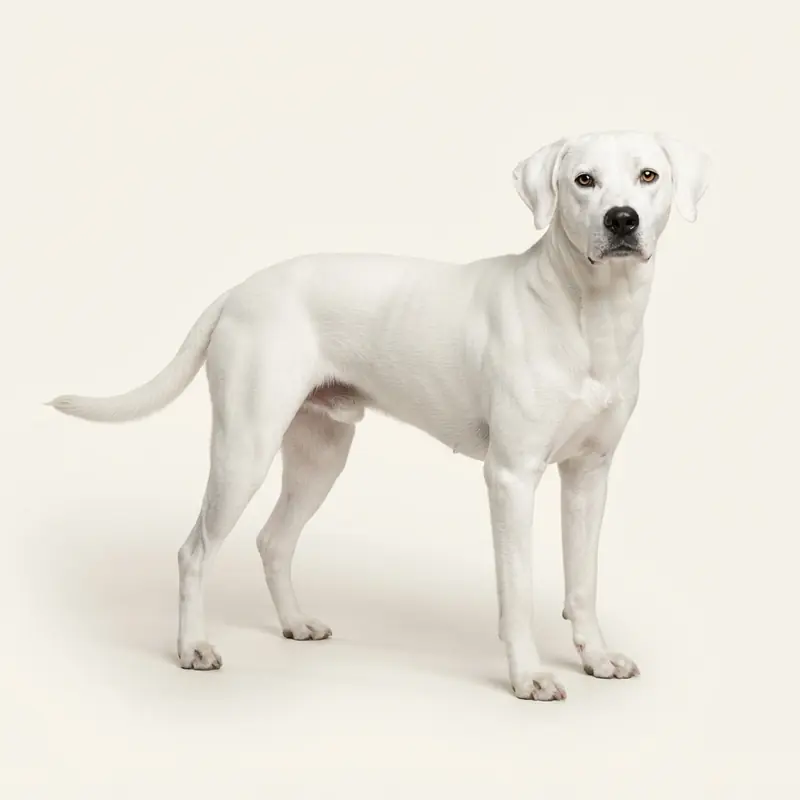
The Catahoula Leopard Dog comes in these colors: Merle, Blue merle, Red merle, Black, White, Red, Yellow, Chocolate, Brindle, Black and tan, Blue, Grey.
Showcase your kennel on HonestDog and reach families searching for a responsibly bred Catahoula Leopard Dog.