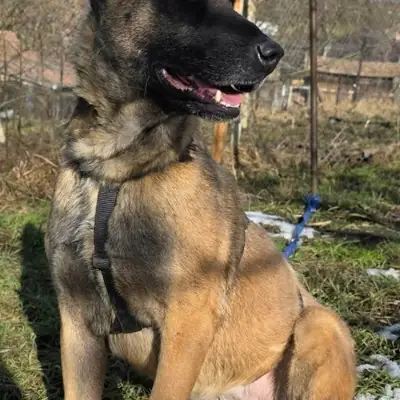
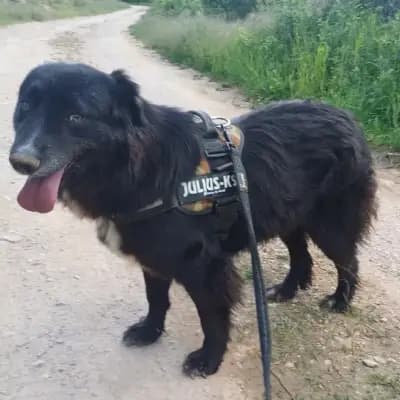
A Bearded Collie in a shelter usually suffers badly from the loss of the people he is attached to. Behind the bubbly, active façade lies a sensitive herding dog. In the early days, expect your new companion to be unsettled, to shadow you around the house, or to show breed-typical herding behaviour if he is under-stimulated. With sensible guidance and patience, however, these eager learners soon blossom again.
Health: what to look out for in a shelter Beardie
Bearded Collies come with a number of breed-typical weak spots that you should be aware of. These include, above all, risks of autoimmune diseases such as pemphigus, an underactive thyroid (hypothyroidism), and issues concerning the hips (hip dysplasia) and eyes (Collie eye anomaly, cataract and corneal dystrophy). A health-focused breeder – for example, one belonging to the Club für Britische Hütehunde e.V. (CfBrH) – has the parent dogs X-rayed for hip dysplasia and given an ophthalmological eye test for eye problems and anomalies, and knows the history of their lines well in order to reduce the risk of autoimmune diseases. With rescue dogs, by contrast, the genetic background is often unknown. Unfortunately, some surrendered dogs also come from disreputable breeders who mate dogs without any health screening.
Ask the shelter to show you all the available test results. Plan a check-up with the vet after the dog moves in, and in day-to-day life watch for physical changes, a healthy gait and clear eyes.