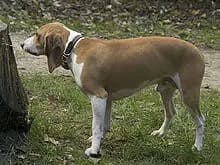
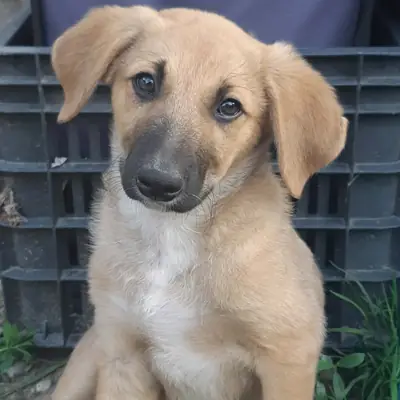
A rescue dog comes with a history of its own. Precisely because the Small Bernese Hound is so devoted, it often suffers from losing the people it was attached to. In the first few weeks, expect a sensitive four-legged friend who needs your reliable guidance to regain trust.
Its health also deserves a close look. Small Bernese Hounds have a life expectancy of 12–15 years and have plenty of stamina, but their distinctive build brings breed-typical weak spots affecting the back, joints, eyes and ears. Known issues include chondrodystrophy and hip dysplasia (HD), as well as eye diseases such as cataract and the generalised form of progressive retinal atrophy (PRA). A health-focused breeder has the parents’ hips (as a baseline examination), spine and eyes checked by X-ray and clinical examination, and also pays attention to well-ventilated ears and clear lines, to reduce the risk for the offspring. In a shelter, by contrast, the dog’s origins are often unknown. If the dog originally came from irresponsible puppy farmers, the parents will not have had these health screenings. So ask the shelter team specifically about the dog’s current health status.