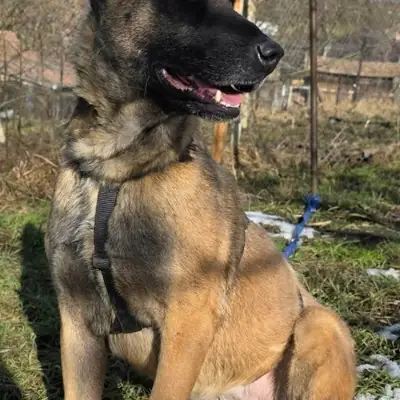
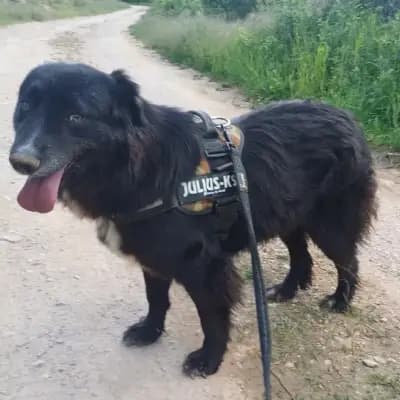
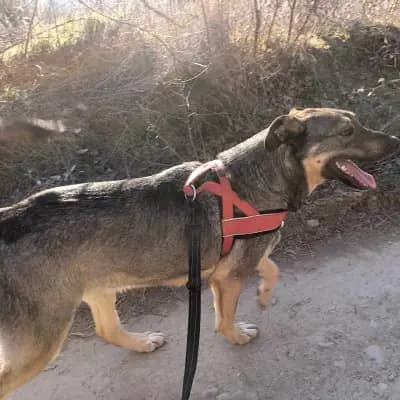
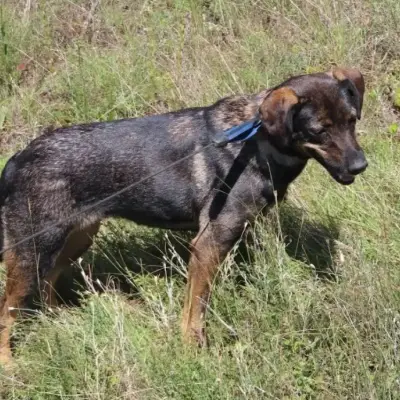
In a rescue centre, the Bouvier des Flandres is often reserved at first. Because it forms a very close bond with its people, it often grieves quietly after a loss or seems wary in the kennel. Don't let that fool you: once it has come to trust you, its family- and child-friendly nature and the way it gets on well with other dogs come through. Since its history sometimes has gaps, you need to expect the breed's typical watchful and protective instincts, which require clear rules.
An important point when you adopt a Bouvier des Flandres is health. As large, heavy dogs with a life expectancy of 10 to 12 years, they come with breed-typical problem areas, particularly the joints, eyes and heart. Known risks include hip and elbow dysplasia, eye abnormalities such as cataracts and primary open-angle glaucoma, heart conditions such as aortic stenosis, laryngeal paralysis and megaoesophagus. While health-focused breeders have the parent dogs X-rayed for hip and elbow dysplasia and examined clinically for eye and heart conditions in order to reduce the risk for the offspring, the genetic background of a rescue dog is often unknown. If the dog originally came from irresponsible breeders, these health screenings of the parents are missing entirely. So make sure you build in your own veterinary checks for the heart, eyes and joints.