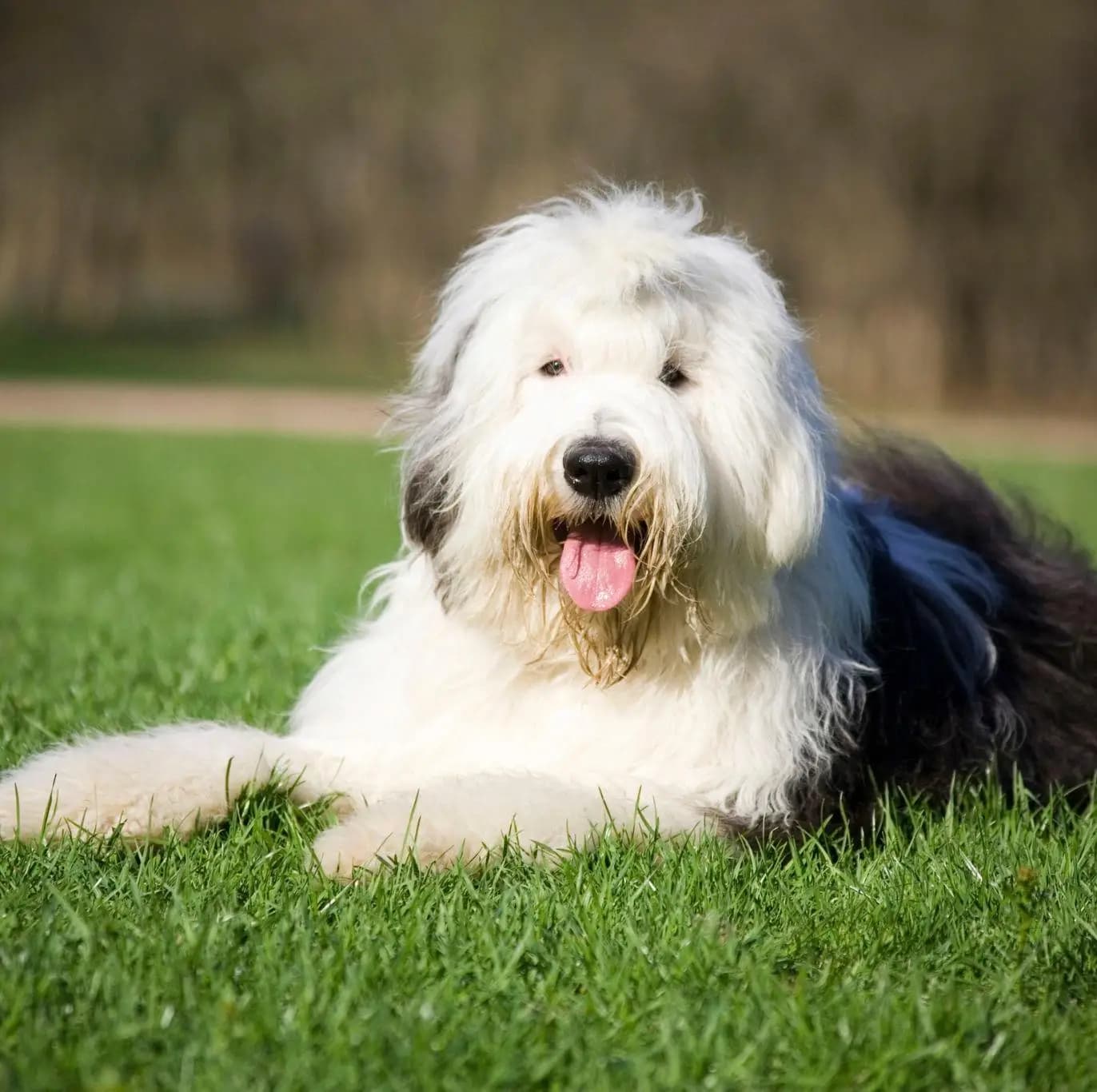
As a large, powerful dog, the Bouvier des Flandres comes with breed-specific health concerns, mainly affecting the musculoskeletal system, the eyes and the heart. A responsible breeder does not simply mate two good-looking dogs, but uses targeted veterinary diagnostics to reduce the risk of hereditary disease in the puppies.
The key tests before a dog is used for breeding include:
- Hip dysplasia (HD) and elbow dysplasia (ED): These joint malformations lead to painful osteoarthritis. Official X-ray screening of the parent dogs shows the condition of their joints and, through targeted selection, significantly reduces the risk for their offspring.
- Eye examinations: Eye abnormalities such as cataract and primary open-angle glaucoma (raised pressure inside the eye) occur more frequently in the Bouvier des Flandres. Regular clinical examinations of the parent dogs by a veterinary specialist are essential in order to exclude affected animals from breeding at an early stage.
- Heart examination: Because heart conditions such as aortic stenosis occur in the breed, health-focused breeders have their breeding dogs’ hearts checked by ultrasound (Doppler echocardiography).
In addition, the Bouvier des Flandres has other breed-specific health concerns for which there are no routine pre-breeding tests, but which have to be monitored within the bloodline. These include laryngeal paralysis and megaoesophagus (enlargement of the oesophagus). The risk of life-threatening gastric torsion is also present in large dogs – here you can help prevent it yourself later on by strictly enforcing rest periods after meals.