Finding reputable Old English Sheepdog breeders: what to look for when buying a puppy
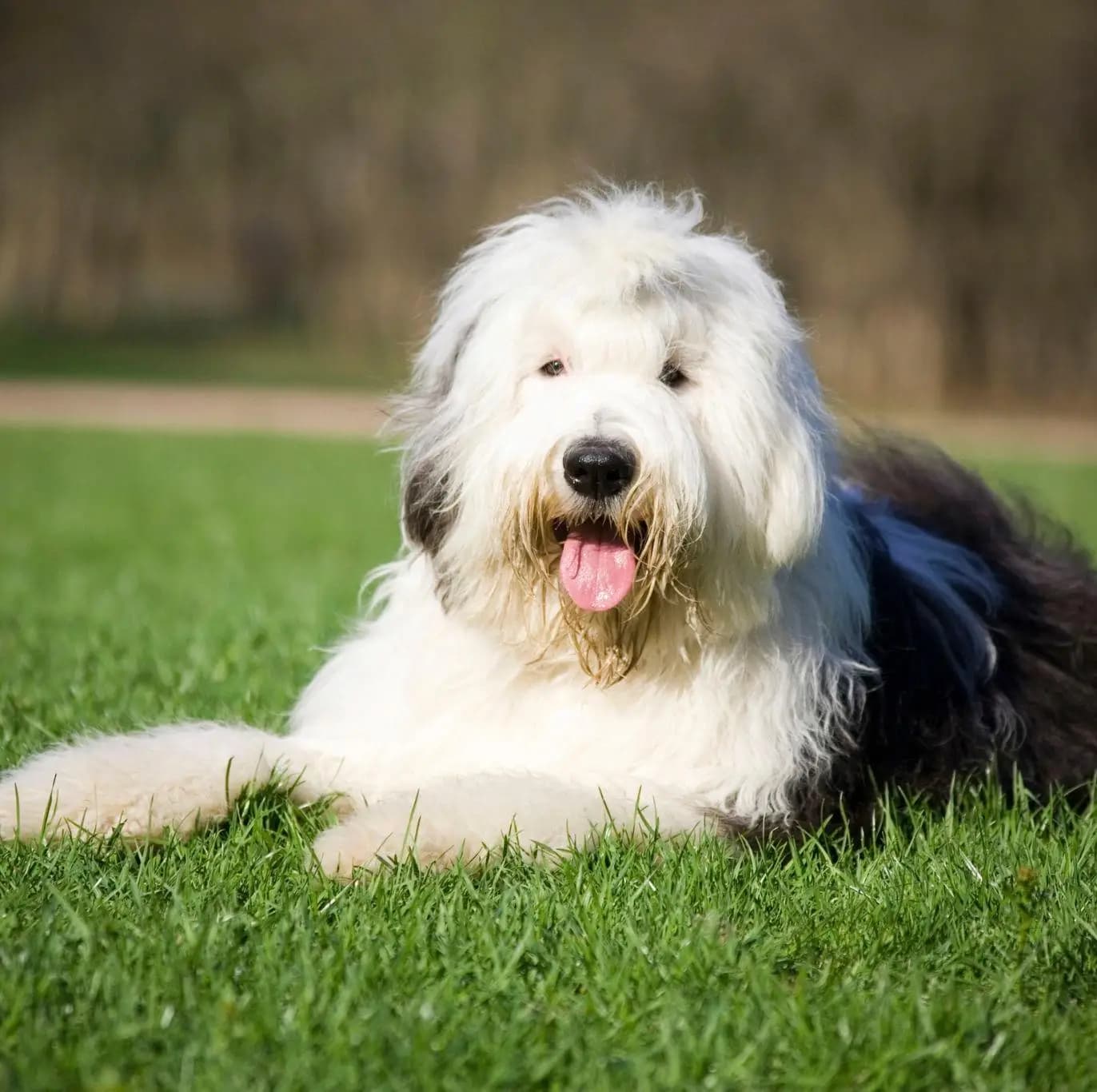
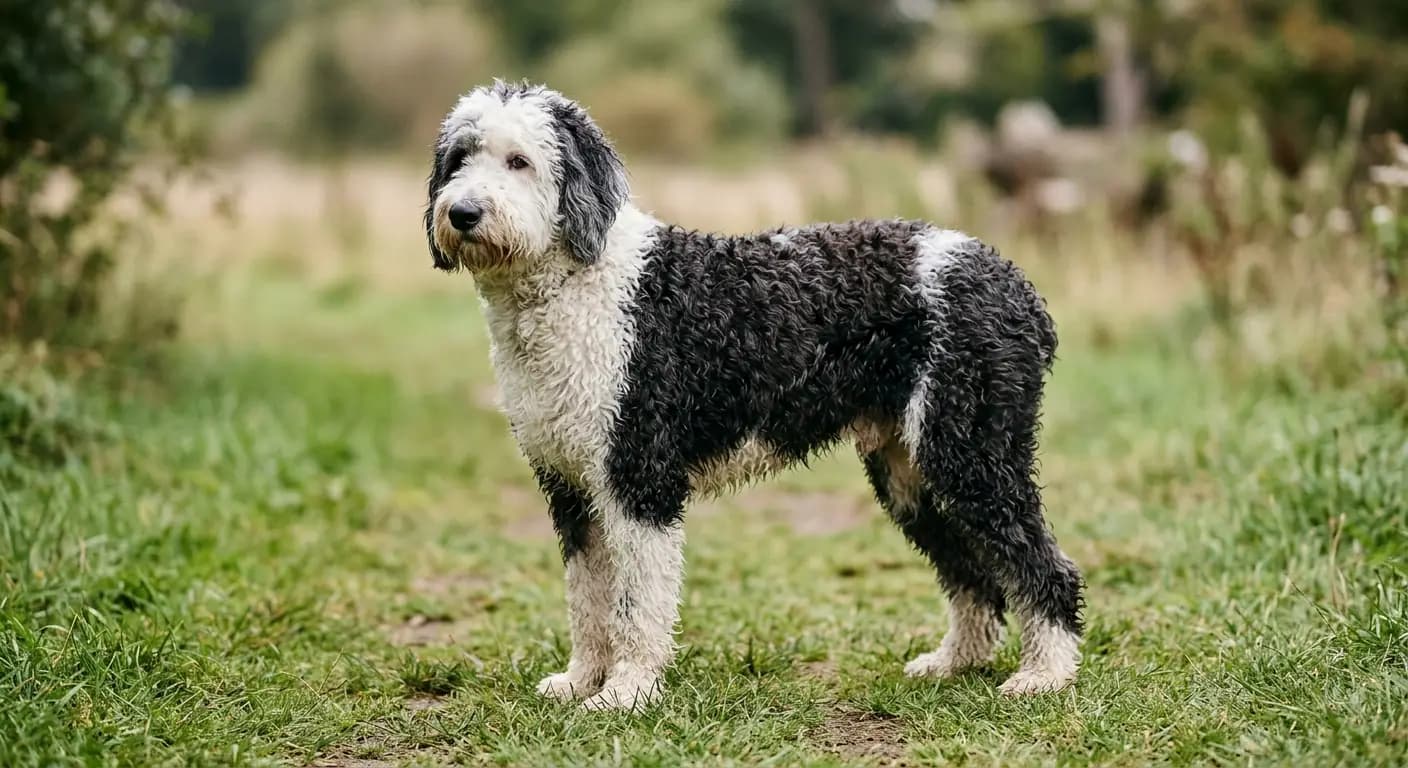
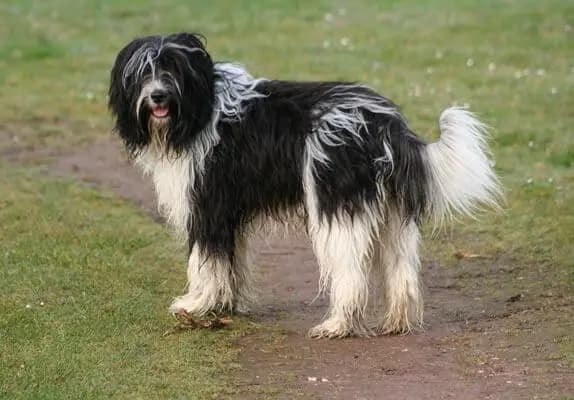
The Old English Sheepdog, better known as the Bobtail, wins people over with its gentle, intelligent and adaptable nature. Originally bred in England as a robust herding dog for flocks of sheep and for driving livestock, today it is a thoroughly people-oriented, child-friendly family dog. Behind that imposing, dense coat, however, lie specific health considerations. If you are looking for an Old English Sheepdog breeder, your choice largely determines whether your dog starts out with the best chance of a long life, averaging 10 to 12 years.
Why choosing the right breeder matters with the Old English Sheepdog
With a height at the withers of 61 to 65 cm and a weight of 32 to 45 kg in male dogs, the Bobtail is one of the large, powerful breeds. This weight puts considerable strain on the musculoskeletal system right from the start. The breed also carries genetic particularities affecting the joints, eyes and hearing, as well as a breed-typical sensitivity to certain medications. A responsible breeder does not simply pair two dogs that look right together, but plans litters on the basis of sound health data, in order to deliberately lower the risk of hereditary disease in their line.
Key health tests for the Old English Sheepdog
A health-focused breeder – for example, one belonging to the Deutscher Old English Sheepdog Club e.V. or the Club für Britische Hütehunde e.V. (CfBrH) – has their breeding dogs thoroughly examined before they are used for breeding. When you visit the breeder, ask to see the official results for both parents in the following areas:
- Hip dysplasia (HD): Because large breeds are prone to joint problems, the parents’ hips are X-rayed and officially scored, in order to reduce the risk of malformations in their offspring.
- Eye conditions and hearing: Eye examinations by a specialist look, among other things, at the risk of generalised progressive retinal atrophy (PRA) or other eye abnormalities. As deafness can also occur in the Bobtail, reputable breeders have the hearing of their breeding dogs and puppies tested by audiometry.
- Genetic tests for metabolism, nerves and airways: Modern DNA tests show whether a parent is clear, a carrier or affected. In the Bobtail, tests for exercise-induced collapse (EIC), degenerative myelopathy, NME5-associated primary ciliary dyskinesia (a disease of the airways) and genetically based medication sensitivity are central. A reputable breeder uses these results to make well-considered matings, in order to lower the risk of disease in the line.
- Underactive thyroid (hypothyroidism): Regular blood tests are used to monitor the thyroid function of the breeding dogs.
In addition, the Bobtail has other breed-related health issues for which no routine genetic tests exist. These include epilepsy, cerebellar abiotrophy, wobbler syndrome (cervical spondylomyelopathy), autoimmune diseases such as immune-mediated haemolytic anaemia (IMHA) and immune-mediated thrombocytopenia, heart defects (atrial septal defect, tricuspid valve dysplasia) and cleft palates. Here, good breeders select by knowing the pedigrees thoroughly.
Hallmarks of a good Old English Sheepdog breeder
You can recognise a knowledgeable breeder by their transparency and by puppies being raised in close contact with the family. Because the Bobtail forms an extremely close bond with its people, the puppies grow up in the living area and get to know everyday noises early on. A good breeder will also get the little ones used to being combed in a playful way, because the dense, long coat with its undercoat needs a great deal of grooming. Without being asked, they will explain that you need to ensure a joint-friendly upbringing, consistently prevent matting, and always tell your vet about the breed’s possible medication sensitivity later on.
6 specific questions to ask the Bobtail breeder
Use the first conversation to probe the breeder properly. These questions will help you to assess them:
- Can you show me the X-ray scores for hip dysplasia, as well as the current eye and thyroid results, for both parents?
- What results do the parents have for the genetic tests for EIC, degenerative myelopathy, primary ciliary dyskinesia and medication sensitivity?
- Are the puppies tested for their hearing before they go to their new homes?
- Are there any known cases of epilepsy, autoimmune diseases (such as IMHA), heart problems or wobbler syndrome in your breeding lines?
- How are you already getting the puppies used to intensive grooming and brushing?
- How will you support us with questions about joint-friendly feeding and exercise in the first year of life?
Warning signs: how to spot irresponsible backyard breeders straight away
A responsibly bred Bobtail puppy has its price: budget for a realistic price range of 2,000 to 3,500 euros. Walk away immediately from sellers who advertise puppies at bargain prices without pedigree papers. Irresponsible backyard breeders dodge questions about specific lab and X-ray results with the blanket statement that the parents are “vet-checked and perfectly healthy”. Other clear warning signs include dogs kept in isolation in barns or kennels without family contact, an unkempt, matted coat on the mother, or pressure to close the sale quickly, with no critical questions put to you as the future owner.
On HonestDog, every breeder goes through a registration process before being approved: identity verification by ID and selfie, where applicable proof of club membership or a §11 permit, a knowledge test on breeding and animal welfare, and agreement to the HonestDog breeding standards – including no breeding from dogs with extreme traits that cause suffering and no breeding dogs under 18 months. Without a verified §11 permit, a breeder can register no more than two breeding bitches there, and you can report anything that seems off about a breeder profile directly via “Report content”. When you visit, ask to see the original results for the parents. You can find current litters under Old English Sheepdog puppies on HonestDog.