Polish Lowland SheepdogSame FCI section
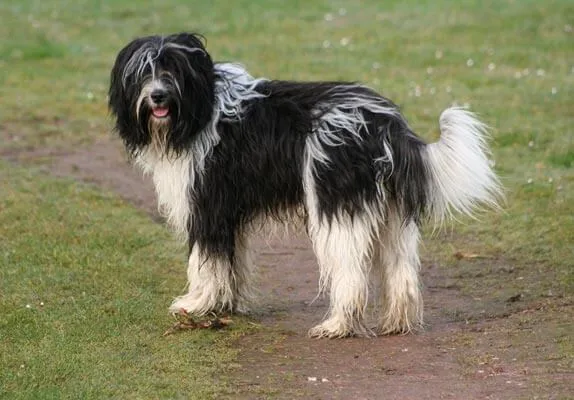
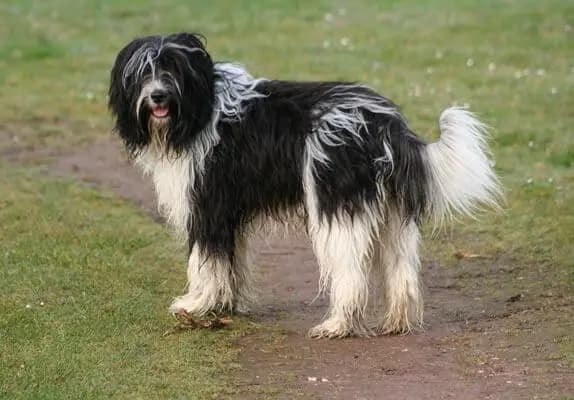
The Schapendoes is a cheerful, extremely agile herding dog — bred to independently guide sheep flocks in the Netherlands, tirelessly leaping over heather. Beneath that shaggy coat lies a highly intelligent athlete who wants to think along and work with you.
How the health grade is calculated
Sources for required breeding screenings. Interessengemeinschaft Schapendoes e.V. (IGS)
Self-check
Answer 6 quick questions about your everyday life and see how well the Dutch Schapendoes fits you — including an honest cost estimate per month, per year, and across the dog's lifetime.


At a glance
The essentials — key facts, traits, and health priorities — before you dive deeper.
Lifespan
12–15 yrs
Shoulder height
40–50 cm
Weight
12–25 kg
Practical
Temperament
Daily life
What matters most
Especially with a Dutch Schapendoes, choosing the right breeder is the single most important decision you'll make. Serious breeders consistently test the parents for inherited conditions, prioritize healthy early socialization, and stay accountable long after handover. A cheap puppy without health screening tends to become the most expensive dog later on.
See HonestDog breeder standards →Colors & coat
The coat colors that occur in the Dutch Schapendoes — including which ones fall outside the breed standard and which carry genetic risk.
Eye colors
 Brown
Coat type
 Long
 Double coat
The real vibes check
A Schapendoes is not a teddy bear just for cuddling, but a shaggy spring with a built-in radar for every movement. He brings an infectious lightness to your everyday life, but in return, he demands real teamwork and confident leadership. If you appreciate his clever, typical herding dog initiative and channel it correctly, you will gain an unfailingly loyal buddy.
The Schapendoes is a medium-sized dog with a distinctive fluffy, long and wavy coat. His happy face is surrounded by a typical "mane" and his dark, expressive eyes give him a charming look. Its body is slightly rectangular with well-developed muscles, which makes it very agile and strong in jumping. A member of FCI Group 1, the herding dogs and cattle dogs (except Swiss Mountain Dogs), he is an active and alert companion, originally bred for herding flocks of sheep. The breed is not differentiated into performance and show lines, all Schapendoes are said to be both pretty and functional.
The Schapendoes is a strong-character and lively dog that is characterized by its intelligence and spirited nature. His herding dog heritage makes him an active and alert companion who is enthusiastic about various tasks and activities. Although he can certainly be independent, he is first and foremost a human-dog who bonds closely with his family and wants to spend most of his time in their company. Schapendoes are usually very people-oriented and enjoy the company of adults and children alike. They are also playful and often remain young at heart well into old age. This, along with their adaptability and energy, makes them great companions for active families who enjoy spending time outdoors. Although the Schapendoes is an active dog, he can learn to stay alone as long as he gets enough exercise and mental stimulation when his people are home. His alertness and herding dog instincts can cause him to be a little territorial at times, but he is generally friendly and outgoing towards strangers. Schapendoes have distinctive prey-catching and hunting behavior that comes from their herding dog past. It is important to recognize and manage this instinct, especially when living with the Schapendoes in an area where there is a lot of wildlife. It is also advisable to start recall training when it is a puppy and practice it consistently to ensure that the dog is under control, even if he wants to follow his hunting instincts. When it comes to living with the Schapendoes, it is important to note that he is an active and intelligent dog that needs physical and mental challenges. If he is not sufficiently occupied and stimulated, he can easily become bored and destructive. At the same time, he can also relax well and enjoys just being with his people. Overall, the Schapendoes is a charming, energetic and adaptable dog that fits in well with active families. His intelligence, his playfulness and his strong connection to people make him a great companion who is always ready to accompany his people on all their adventures.
| Watchfulness Occasionally alerts but is fundamentally open. | Low |
| Openness to Strangers Warms up quickly and is generally welcoming. | Friendly |
| Hunting or Herding Drive Noticeable drive — needs attention around small animals. | Moderate |
Fun Fact!
Did you know that the name "Schapendoes" comes from Dutch and means “sheep dog”?
This shaggy herding dog from the Netherlands is also known as the Dutch Sheep Poodle. Schapendoes are cheerful, funny, smart and courageous and make very good family dogs. They also have a strong desire to please.
The Schapendoes is an adaptable dog that can thrive in both urban and rural environments provided it receives adequate exercise and activity. He is generally child-friendly and gets along well with other pets, including cats, as long as he is properly socialized.
Lives for its family — the born family companion.
Takes boisterous and affectionate children in its stride.
Actively enjoys the company of other dogs.
City-appropriate with enough exercise and stimulation.
Owning a dog is a privilege, but it's also a real responsibility. Before you bring one into your life, be honest with yourself about the commitment it takes.
Schapendoes are intelligent dogs that learn quickly and enjoy working. They respond best to positive reinforcement and reward-based training methods. Due to their history as herding dogs, they have a natural inclination to accomplish tasks and can perform well in various dog sports such as agility, obedience or flyball. However, it is important to note that Schapendoes can have a certain stubbornness. They need a patient and consistent trainer who is able to hold their attention and stimulate them mentally. It is important not to overwhelm the dog. A balanced mix of exercise, training and rest is essential to have a happy and balanced Schapendoes. Since Schapendoes tend to exhibit strong prey-catching behavior, it can be helpful to offer them alternatives such as search games or retrieval exercises. Training impulse control and frustration tolerance can also be beneficial, especially in situations where the dog's natural hunting instincts are awakened.
Your Schapendoe's diet should be tailored to his age, weight, health and activity level. A balanced, high-quality diet helps keep your dog healthy and active. However, it is advisable to seek advice from a veterinarian regarding feeding. Grooming the Schapendoe is relatively straightforward, despite its long and wavy coat. He has a thick undercoat and requires regular brushing to prevent matting and to keep his skin and coat healthy. The Schapendoes copes well with the climate in Germany, with its thick fur protecting it from both cold and heat. As with most dogs with an undercoat, the Schapendoes also sheds - especially during the coat change phases in spring and autumn.
| Care Level Regular brushing and occasional professional grooming. | Moderate |
| Exercise Needs Needs several hours of serious exercise every day. | Very active |
| Shedding Hair everywhere, always — no white clothing survives. | Very heavy |
| Trainability Picks up commands quickly and wants to please. | Eager to learn |
Our experts are still reviewing this information. Spotted something wrong? Email us at info@honestdog.de.
Solid, watch carefully
Health grade
In the Schapendoes, hereditary eye diseases and joint issues are the primary concern: risks exist particularly for Generalized Progressive Retinal Atrophy (Schapendoes), primary lens luxation (PLL), cataract, as well as hip dysplasia (HD) and elbow dysplasia (ED). The Interessengemeinschaft Schapendoes e.V. (IGS) mandates testing for Generalized Progressive Retinal Atrophy (Schapendoes) as a breeding requirement, under which parent animals must be clear, or carriers may only be mated with a clear partner. Responsible breeders additionally have the joints and eyes examined comprehensively to avoid severe malformations and blindness. Before buying, have the breeder show you the certificates for HD (maximum HD A–B), ED (ED 0), as well as ophthalmological results proving freedom from cataract, retinal dysplasia, and primary lens luxation (PLL).
Grade is relative to other breeds — AI-assisted and editorially reviewed.
Methodology and data: HonestDog Dog Breed Health Report 2026
What matters most for this breed
Tap any item to see details.
You should ensure he is raised in a way that is gentle on his joints and schedule regular eye exams so that any potential changes can be detected early.
Responsible breeders test for Generalized Progressive Retinal Atrophy (Schapendoes) and voluntarily have dogs screened for hip dysplasia (HD), ED, as well as eyes examined for cataract and primary lens luxation (PLL).
Note: This health overview is AI-assisted and editorially reviewed. It is for orientation only and does not replace veterinary advice.
What matters most for this breed — what's common, how much it affects the dog's life, and how to protect yourself as a buyer.
Tap a body region to see the inherited conditions linked to it.
The three most important risks
Pick a region on the map to explore other areas.
Tier 1 is the core standard: the tests Interessengemeinschaft Schapendoes e.V. (IGS) requires, plus further tests from the recommended health standard for this breed. Tiers 2 and 3 show how responsible breeders go beyond.
Core standard. Tests marked “Club standard” are required by Interessengemeinschaft Schapendoes e.V. (IGS) for breeding approval; the others are part of the recommended health standard for this breed. Ask any reputable breeder for the results.
Note: This health overview is AI-assisted and editorially reviewed. It is for orientation only and does not replace veterinary advice.
A Dutch Schapendoes costs around ~€180 per month (€90 – €330, depending on your setup). The first year adds up to roughly ~€4,810 including purchase, equipment and puppy school; across the dog's life (13.5 years) it comes to about ~€31,490.
With surgery cover, running costs come to about ~€170 per month — in return, your share of a major operation drops from several thousand euros to around 20 percent.
Per month
~€180
In the first year
~€4,810
Across the dog's life
~€31,490
Estimated purchase price from a breeder: €1,200 – €2,500
Estimate at a mid-range setup (suburban, dry food, 1–2 hours of daily exercise), average German prices, as of July 2026.
HonestDog Concierge
We currently have no breeders for this breed who have passed our verification. Create your short buyer profile: we'll set up your search alert, review a possible source and email you within 28 days.
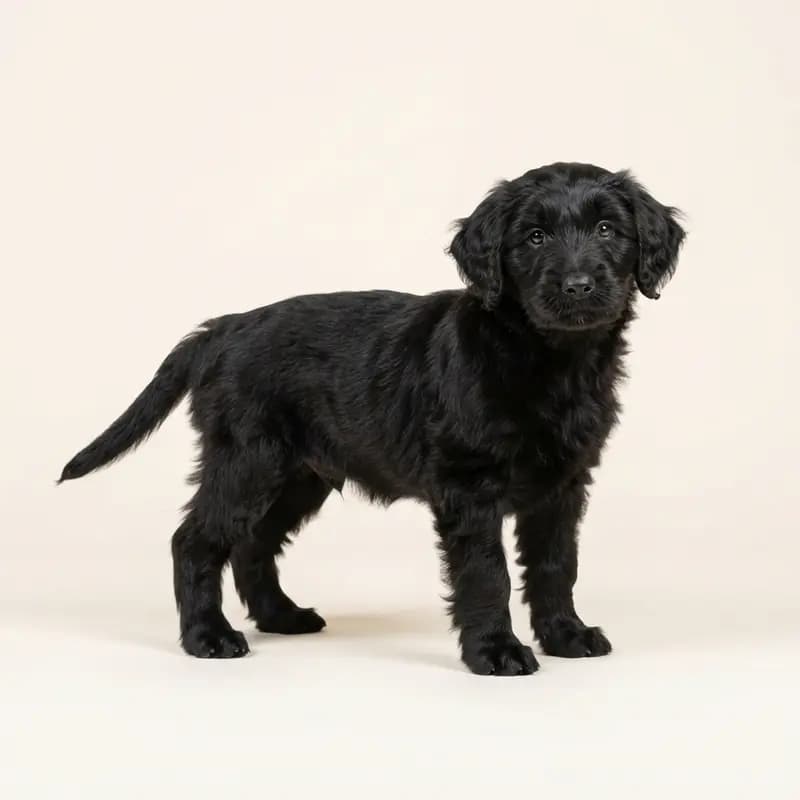 Illustrative image
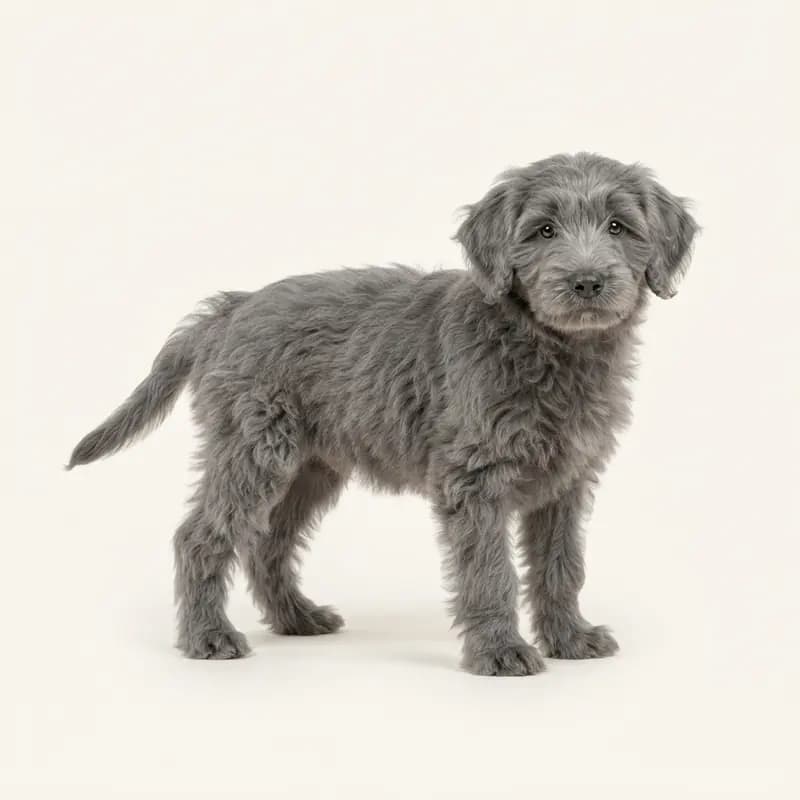 Illustrative image
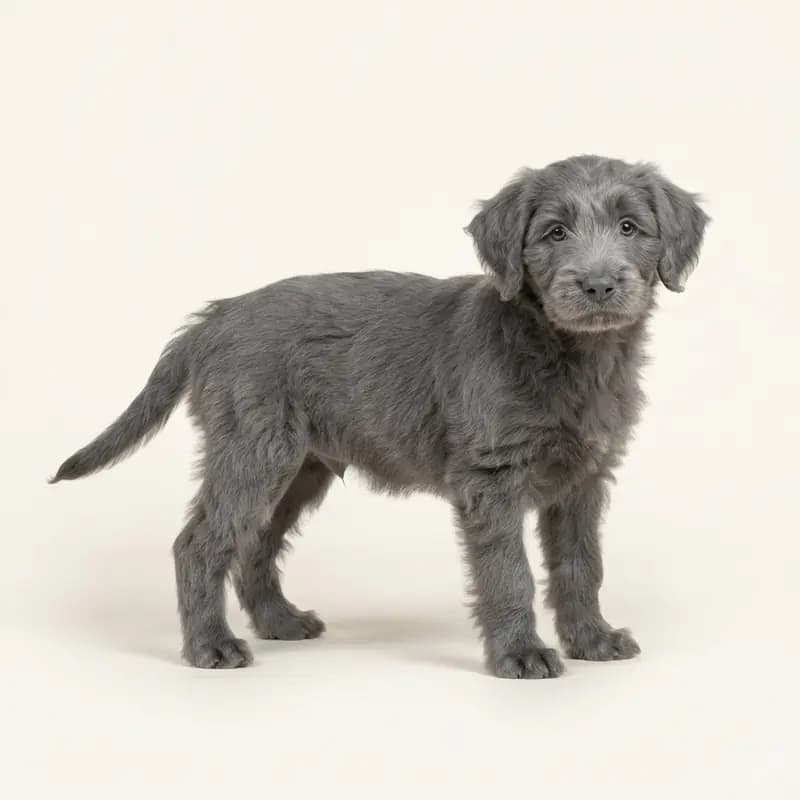 Illustrative image
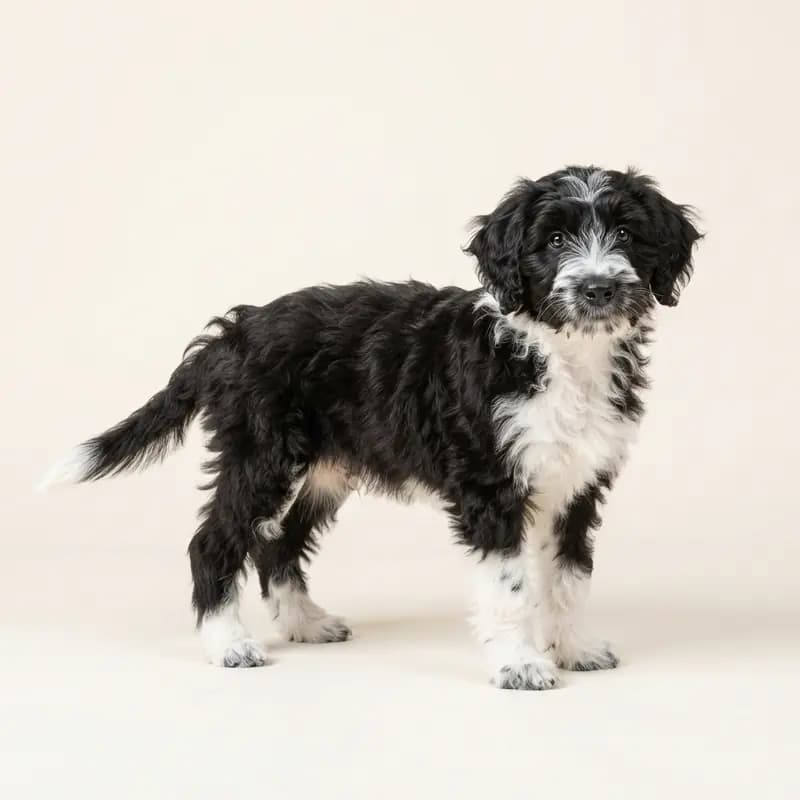 Illustrative image
The Schapendoes, also known as the Dutch Sheep Poodle, is originally from the Netherlands. The breed has been used there for centuries as an all-round sheep herding dog. Because of their work skills and their ability to adapt to different conditions and tasks, the Schapendoes were highly valued by shepherds. The breed was nearly extinct when World War II broke out, but through the efforts of breed enthusiasts the Schapendoes was revived in the 1940s and 1950s. The FCI (Fédération Cynologique Internationale) only officially recognized the Schapendoes as an independent breed in 1971. Today, the Schapendoes is still a rare breed, but is becoming increasingly popular, especially among people looking for an active and intelligent dog.
The Schapendoes was used as a herding dog for sheep flocks in the Netherlands, known for its agility and thick coat.
Netherlands
1800
Owners describe the Schapendoes in daily life as an exceptionally cheerful, playful dog that is closely bonded to its family. Many find it a happy partner for children and active households, a dog that always wants to be in the middle of things and couldn't cope emotionally with life in a kennel. Outdoors it is considered energetic and full of stamina, enjoys long walks and is keen on all kinds of activities, from dog sports to coming along on hikes. At the same time, experienced owners stress that a Schapendoes settles down well indoors as long as its needs are met.
The flip side of its herding heritage shows when it lacks things to do or structure. Owners repeatedly point out that a simple walk around the block isn't enough and that the dog needs mental work as well as physical exercise. When under-exercised, some of these dogs bark a lot, become overly watchful or show frustration behavior at home. Being left alone also often takes careful training, since the breed wants to be near its people all the time.
Sources:doesjepower.wordpress.comig-schapendoes.demyschapendoes.demein-wanderhund.deschapendoes-oostseestrand.com
On training and handling, owners largely agree: the Schapendoes is very intelligent, catches on quickly and likes to work with you, but as a historical sheep-herding dog it also has a good deal of independence. Don't expect blind obedience; the Schapendoes likes to question instructions or make its own decisions when leadership is unclear. At the same time, it is considered very sensitive. Experienced owners explicitly warn against a heavy hand, loud pressure or punishment, since the dog responds with insecurity and refusal. The only thing that works is patient, calm and consistent rewarding of the behavior you want.
On walks, most owners find its prey drive pleasantly moderate compared with other breeds. Animals or game that suddenly bolt up may catch its interest for a moment, and some "Schapis" start to give chase briefly, but off-leash walking is usually easy to establish because these dogs are very focused on and bonded to their person. Even so, owners stress that a reliable recall needs to be trained thoroughly from puppyhood on, to keep any urge to chase in check from the start.
Sources:doesjepower.wordpress.comig-schapendoes.demyschapendoes.deschapendoes-oostseestrand.commit-tier.de
The Schapendoes' abundant coat is a central topic in owner reports, and it often turns out to be more manageable than people first fear. For an adult dog, most owners find a thorough combing down to the skin every two to three weeks is enough, since loose hair usually stays caught in the dense coat and collects as harmless dust bunnies on the floor rather than matting. For many, though, adolescence at around one to two years old tests their patience: as the puppy coat changes to the adult coat, the hair mats very easily and for a while needs intensive grooming sessions several times a week at trouble spots such as the armpits and ears.
Owners also report everyday hassles that come with a long coat: on walks in rain, undergrowth or snow, the coat quickly turns into a magnet for dirt and burrs, and in winter thick snowballs form in it that have to be laboriously rinsed off before the dog comes inside. Health-wise, owners consider the Schapendoes a sturdy, natural and long-lived breed. Owners occasionally mention keeping an eye on the hair growing over the eyes; many tie up the topknot or thin it out so the dog can see clearly and eye irritation is avoided.
Sources:doesjepower.wordpress.commein-wanderhund.deforum.hundund.defressnapf.deuulenspegels-schapendoes.de
Paraphrased from real owner reports · translated from German
The Dutch Schapendoes is an active dog that needs plenty of exercise and mental stimulation. Research the temperament, grooming needs, and space requirements before deciding.
The average life expectancy of a Dutch Schapendoes is 12-15 years. With proper care and regular vet visits, your dog can live a long, healthy life.
Dutch Schapendoes grooming requirements include regular brushing, nail trimming, and dental care. HonestDog provides detailed grooming tips for every breed.
The Dutch Schapendoes can be a great family dog. Proper training and socialization are key. HonestDog provides family suitability information for every breed.
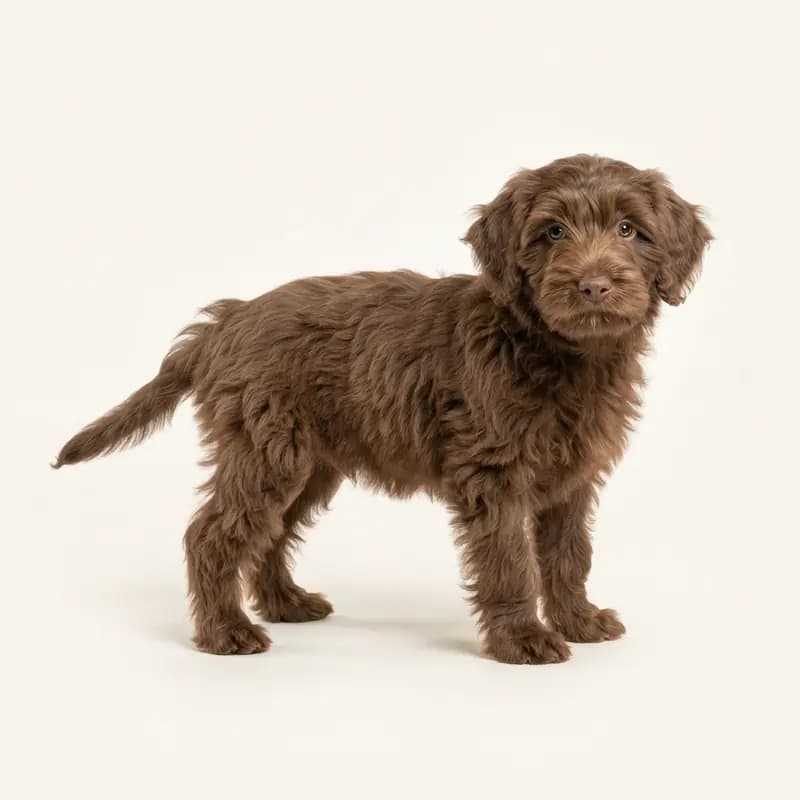
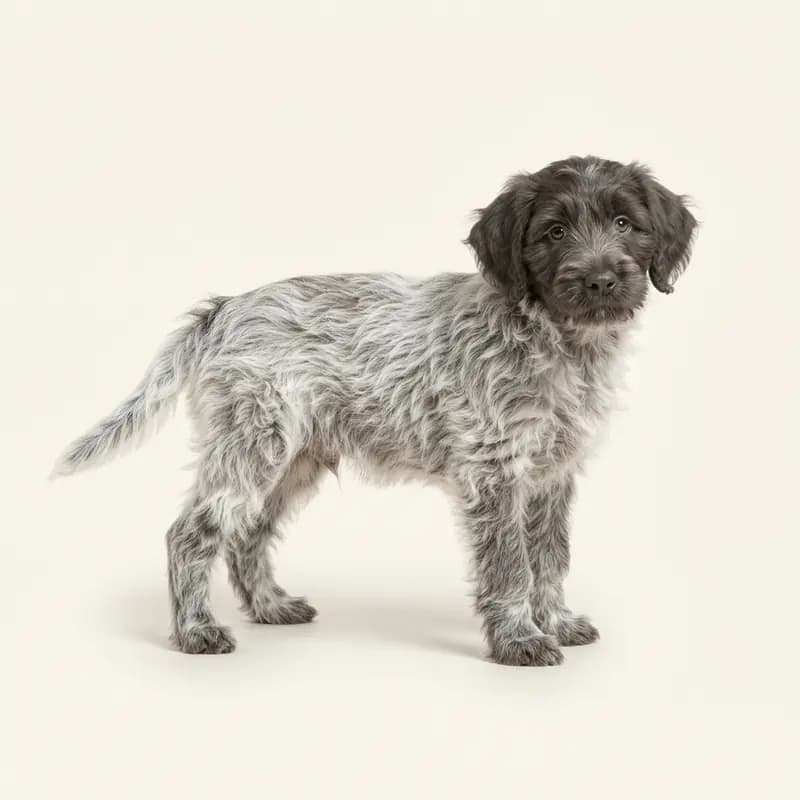
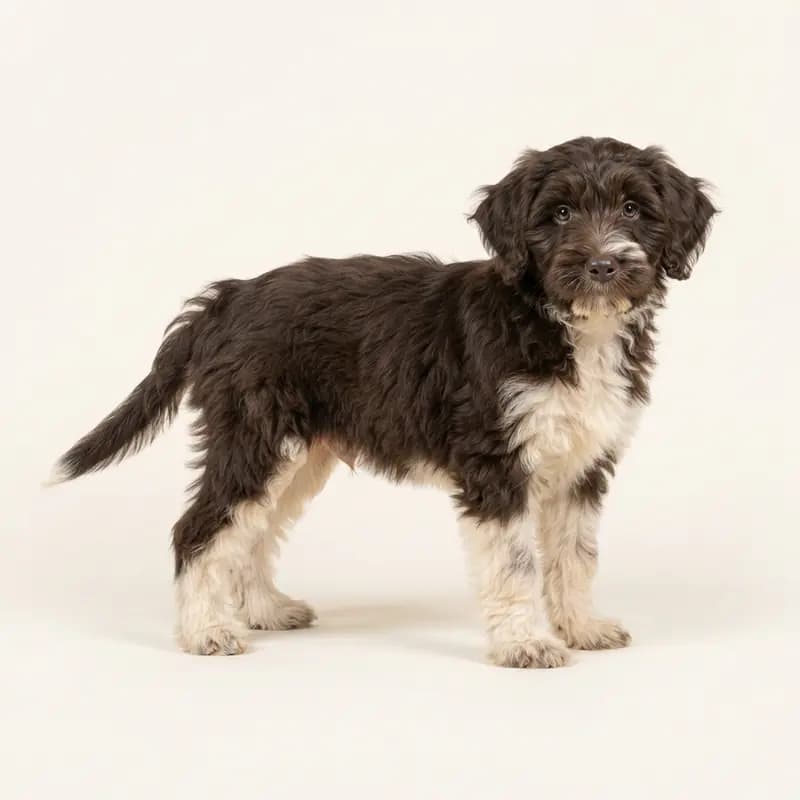
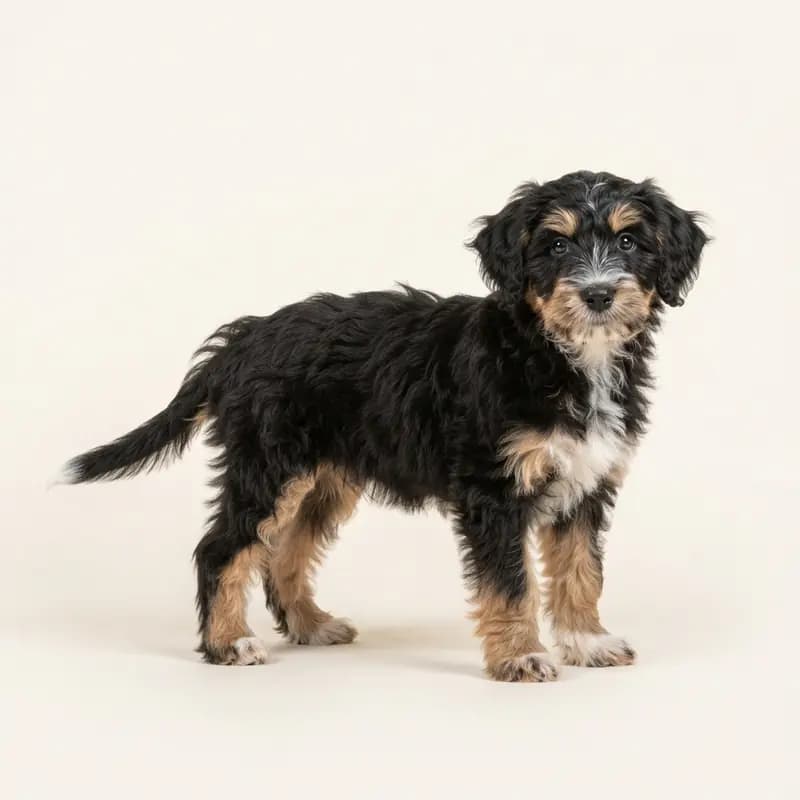
The Dutch Schapendoes comes in these colors: Black, Grey, Blue, Black and white, Brown, Roan, Bicolor, Tricolor.
Showcase your kennel on HonestDog and reach families searching for a responsibly bred Dutch Schapendoes.